How to Fish a Reservoir During Drawdown
Oh, the sinking feeling when you drive up to your favorite Wyoming reservoir, excited for a day of fishing, only to find the water level has dropped significantly. It’s disheartening, isn't it? You might look out over those exposed mudflats and barren shorelines and think, "Well, there goes my fishing trip." But hold on a minute! A reservoir drawdown, while it changes the landscape dramatically, doesn't necessarily mean bad fishing. In fact, it often means completely different, but sometimes even better, opportunities if you know how to adapt. This guide is all about helping you understand why drawdowns happen, what they mean for the fish, and how to adjust your approach to still find success when the water goes down.
Understanding Why Reservoirs Draw Down and What It Means for Fish
When you see those vast, muddy banks expanding around a familiar lake, it’s easy to feel a pang of disappointment. But before you write off your fishing day, it’s helpful to understand the mechanics behind these changing water levels. Reservoirs aren't natural lakes; they're man-made impoundments designed to serve various purposes, and those purposes often necessitate fluctuating water levels. This dynamic environment, while sometimes frustrating for anglers, creates unique conditions that fish, being the adaptable creatures they are, quickly learn to navigate.
The Purpose of Drawdowns
Most of Wyoming's reservoirs, whether it's the massive Flaming Gorge Reservoir or the popular Boysen Reservoir, are built for more than just recreation. They are vital components of our state's infrastructure, serving critical functions like flood control, irrigation, and power generation. During late summer and fall, you’ll often see significant drawdowns as water is released to irrigate agricultural lands downstream, or to create space in the reservoir to capture spring runoff, thus preventing potential flooding. Hydropower facilities also manage water levels for electricity production, leading to seasonal fluctuations. It can be frustrating to see your favorite fishing spots shrink, but these operations are carefully managed and essential for many communities and industries across Wyoming. Understanding this helps you appreciate that the reservoir isn't "broken," it's just doing its job, and you can still fish it effectively.
How Fish React to Shrinking Water
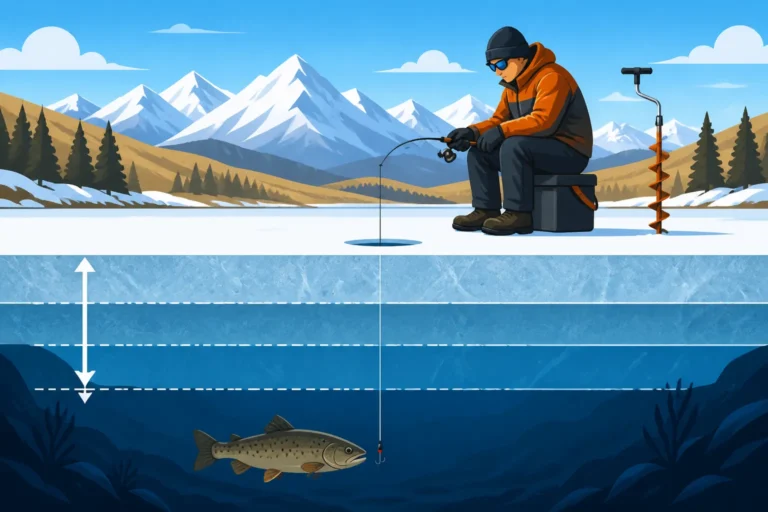
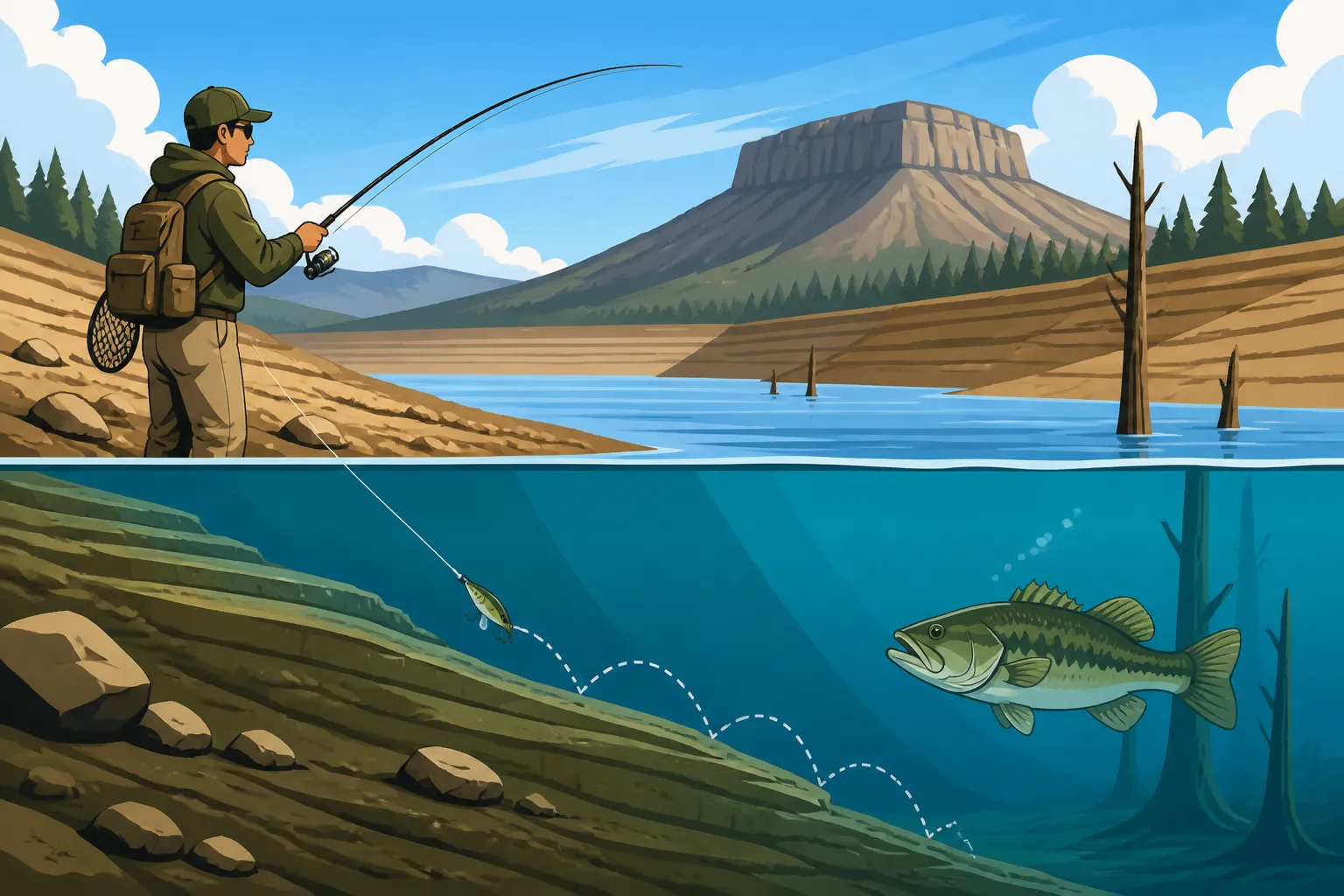
Imagine your comfortable living room suddenly shrinking to half its size; you'd have to adapt, right? Fish face a similar situation during a drawdown. As water levels recede, fish lose vast amounts of their familiar habitat. They can't just sprout legs and walk away, so they have to relocate, and fast. Typically, they'll seek out the deepest available water. This often means moving from shallower flats and coves into the original river channel or deeper main lake basins. They'll also concentrate around any remaining cover or structure that offers refuge, whether that's submerged timber, rock piles, or artificial fish attractors. This concentration is actually good news for anglers, as it means fish might be packed into smaller, more predictable areas, making them easier to locate if you know what to look for.
The reduced water volume also often leads to changes in water temperature and oxygen levels, pushing fish towards areas where conditions are more stable. They might become more lethargic in warmer, shallower water, or more active in deeper, cooler zones. Understanding these behavioral shifts is key to unlocking success during these periods.
Reading the Landscape: What to Look for When Water Drops
Fishing during a drawdown is a bit like solving a puzzle. The landscape looks completely different, and your old reliable spots might be high and dry. But the exposed banks reveal clues to what lies beneath the surface, clues that are usually hidden. Learning to "read" these exposed features is paramount to finding where the fish have moved. It’s all about understanding what was there, where the fish used to hold, and where they’d naturally gravitate when their world shrinks.
Identifying New Structure
When the water drops, what was once submerged terrain becomes visible, almost like a detailed map appearing before your eyes. You can see the old creek beds that once fed the reservoir, now forming distinct channels running through the exposed bottom. These channels, even when completely dry, indicate the deepest paths fish will take. Look for areas where these channels intersect with submerged timber, rock outcroppings, or steep drop-offs. These "new" structures, now visible or easily identifiable, become prime holding spots for concentrated fish. They offer shelter, ambush points, and often remain deeper than surrounding areas.
Take a good look at any exposed rocky points or ledges; follow them visually into the remaining water. These features extend underwater and often act as highways or congregating areas for fish. Old fence lines, foundations of buildings, or even roads that were submerged when the reservoir was filled can become incredible fish magnets. You might find it helpful to consult old topographic maps of the area before the reservoir was created, or even use a good mapping app on your phone. For anglers who love to study detailed maps, you can often find waterproof options or even fish-finder units on Amazon that come pre-loaded with contour maps, which become invaluable during these low-water scenarios.
Understanding Fish Movement Patterns
Fish aren't entirely random in their movements, especially during a drawdown. Their primary goals are survival: finding adequate depth, stable temperatures, oxygen, and food. As the water recedes from the shallower areas, baitfish, insects, and other forage are often pushed into more confined spaces. Predator fish like trout, walleye, and bass will follow this food source. You'll often see schools of baitfish, sometimes quite large, congregating in the remaining deeper areas or along the edges of the newly exposed drop-offs.
Consider how fish might move along the old river channel. They won't just sit in the middle; they'll often hold on the bends, in deeper holes, or near any cover that offers protection from predators or currents. For species like walleye, they might stack up on submerged humps or rocky reefs that are still deep enough to provide comfort. Trout, especially brown trout, may seek out the cooler, oxygenated water found deeper or near any remaining springs or tributary inflows, even if those inflows are now just trickles. Observing the remaining shorelines for signs of baitfish activity, diving birds, or even subtle surface disturbances can give you crucial hints about where the fish are holding.
Adjusting Your Techniques for Drawdown Conditions
Once you've wrapped your head around why the water is low and where the fish might be hiding, the next step is to adapt your fishing techniques. What worked in high water might be utterly ineffective now, so a willingness to experiment and adjust is crucial. The key is to present your bait or lure in a way that targets these concentrated, deeper-holding fish effectively and efficiently.
Deep Water Presentations
With fish concentrated in deeper pockets, vertical presentations become your best friend. Jigging is incredibly effective. Whether you're targeting walleye with a blade bait or a jig-and-minnow combo in a reservoir like Boysen, or going after lake trout (mackinaw) with heavy spoons or tube jigs in the depths of Flaming Gorge, getting your offering right down to where the fish are holding is essential. A fast-sinking lure helps you get into the strike zone quickly and maintain contact with the bottom.
Drop-shotting is another fantastic technique, especially for finicky fish. It allows your bait to suspend above the bottom where fish might be looking up, while the weight keeps it in place. You can precisely control the depth and keep your bait dancing in one spot, tempting even the most reluctant fish. Consider using your boat's electronics to pinpoint schools of fish or specific pieces of structure, then drop your lure right on their heads. If you're bank fishing, focusing your casts parallel to a steep drop-off or casting out to the deepest available water and letting your lure sink slowly will increase your chances. For some fantastic jigs and drop-shot weights, check out the wide selection on Amazon – they have options for every depth and species.
Targeting Concentrated Fish
The beauty of a drawdown, from an angler's perspective, is that fish are often packed together. This means once you find them, you can often catch multiple fish from the same spot. Look for tight schools on your fish finder, or identify natural bottlenecks where fish would logically gather, such as the deepest part of a channel bend or the base of a sharp drop-off. These are prime areas to work slowly and thoroughly.
Instead of covering vast expanses of water, focus your efforts on these smaller, highly productive zones. If you get a bite, mark the exact spot and continue working it. You might find a whole school waiting. This approach requires patience and precision but can lead to incredibly rewarding days. For a deeper dive into specific tactics, you might find our guide on Jigging for Walleye at Boysen Reservoir particularly useful, as many of those principles apply during drawdown conditions. Similarly, understanding How to Fish Deep Structure for Lake Trout will give you an edge in those deeper, colder reservoirs.
Bait and Lure Choices
When fish are concentrated and potentially stressed by changing conditions, they might become more selective or, conversely, more aggressive if a good meal presents itself. Often, smaller, more natural-looking baits can be very effective. Soft plastics in natural colors, resembling baitfish or aquatic insects, can be irresistible when presented slowly. Scent-infused baits can also make a huge difference, as the fish's sense of smell becomes more important in confined, potentially turbid water.
Live bait, if permitted and legal in that specific Wyoming water, can also be a game-changer. A lively minnow or a juicy worm presented right in front of a fish's nose is hard to refuse. However, if using artificials, don't be afraid to experiment with retrieve speeds and jigging motions. Sometimes a subtle quiver is all it takes, while other times a more aggressive lift-and-fall pattern will trigger a reaction strike. Always consider the primary forage in that particular reservoir; if they primarily eat smaller baitfish, choose lures that mimic those.
| Fish Species | Typical Drawdown Behavior | Recommended Lure/Bait | Presentation Style |
|---|---|---|---|
| Trout | Seek deepest, coolest water, concentrate near submerged channels, springs. Can be finicky. | Small spoons, tube jigs, scented powerbaits, small minnows, nymphs (if fly fishing) | Vertical jigging, slow retrieve near bottom, still fishing with bait |
| Walleye | Relocate to deep main lake basins, old river channels, submerged humps/reefs. Follow baitfish. | Blade baits, jig-and-minnow, soft plastics (grubs), crankbaits (deep divers) | Vertical jigging, slow-rolling jigs, trolling deep contours (if boating) |
| Lake Trout | Move to deepest, coldest water available. Often suspend over structure or in open water. | Heavy spoons, large tube jigs, swimbaits, large minnows (live or artificial) | Aggressive vertical jigging, controlled trolling with downriggers |
| Smallmouth Bass | Concentrate around remaining rocky cover, submerged timber, steep ledges. | Drop-shot rigs, shaky heads, small crankbaits, tubes, grubs | Slow retrieves, subtle jigging, pitching to cover |
Safety and Logistics When Fishing Low Water
Fishing a reservoir during drawdown isn't just about changing your lures; it also requires a keen awareness of safety and logistics. The landscape you thought you knew can become treacherous, and what was once easy access might now be a muddy, impassable mess. Being prepared for these changes is just as important as knowing where to cast your line.
Navigating Exposed Hazards
When the water recedes, all sorts of previously hidden dangers can emerge. Rocks that were once deep enough to clear your prop can now become serious hazards. Submerged timber, old foundations, and even the remnants of human activity (like old tires or metal debris) can snag your boat or cause injury if you're wading. If you're boating, proceed with extreme caution, especially in areas you haven't fished during low water before. Use your depth finder constantly and pay close attention to the shoreline, as it often mirrors what's happening just below the surface. Navigating a boat requires a lot more vigilance, and you'll likely need to stick to established channels.
For those fishing from shore or wading, the exposed bottom can be muddy, slick, and unstable. It's easy to sink into thick muck or slip on slimy rocks. Always wear appropriate footwear, like sturdy wading boots or even tall rubber boots. A good wading staff can also be a lifesaver, helping you test the bottom before you put your weight down. You might also consider investing in some good quality waders from Amazon that offer both warmth and protection against potential sharp objects or deep mud. Remember, a great day of fishing isn't worth a twisted ankle or a damaged boat.
Access Challenges
One of the biggest headaches during a drawdown is access. Boat ramps that were perfectly usable just weeks ago might now end abruptly in mud, making launching impossible or incredibly risky. Before you head out, check with the Wyoming Game and Fish Department (WGFD) website or local tackle shops for current conditions and ramp closures. They often provide updates on water levels and accessibility. Our guide on Where to Find Current Wyoming Fishing Regulations can also help you locate these resources.
If boat ramps are out of commission, you might be limited to bank fishing. However, even bank access can be challenging. What was once a short walk to the water could now be a long, arduous trek across exposed, soft mud. Be prepared for longer walks, and if you plan to carry heavy gear, consider a cart or backpack to ease the burden. Always respect private property and only access areas where public access is clearly designated. Sometimes, a drawdown opens up new walk-in opportunities to spots that were previously boat-only, but these require careful scouting and respect for the environment.
Conclusion: Embrace the Change
Fishing a reservoir during drawdown in Wyoming certainly throws a curveball at your usual routine. It forces you to rethink, adapt, and learn new things, which is part of the challenge and reward of fishing, isn't it? The key takeaway is to see the low water not as a problem, but as an opportunity. The exposed terrain offers invaluable insights into the underwater world, and concentrated fish can lead to some incredible action if you're willing to adjust your tactics. So, next time you pull up to a low reservoir, don't despair. Grab your gear, put on your thinking cap, and go discover the hidden secrets and exciting fishing that await!
Disclaimer
This article is for general informational purposes only and does not constitute professional advice. Laws, prices and regulations vary by location and change over time. Consult a qualified professional for guidance on your specific situation.