What Happens to Fishing During a Low-Water Year
There’s nothing quite like planning a Wyoming fishing trip, only to arrive and find your favorite river looking more like a meandering creek, or a beloved reservoir exposing mud flats you’ve never seen before. Low-water years can be incredibly frustrating and disheartening for anglers, making you wonder if it’s even worth putting a line in. This guide is here to shed light on what truly happens to Wyoming’s fisheries during these challenging times and, more importantly, how you can adapt your approach to still have a successful and responsible angling experience.
The Unwelcome Realities of Low-Water Years in Wyoming
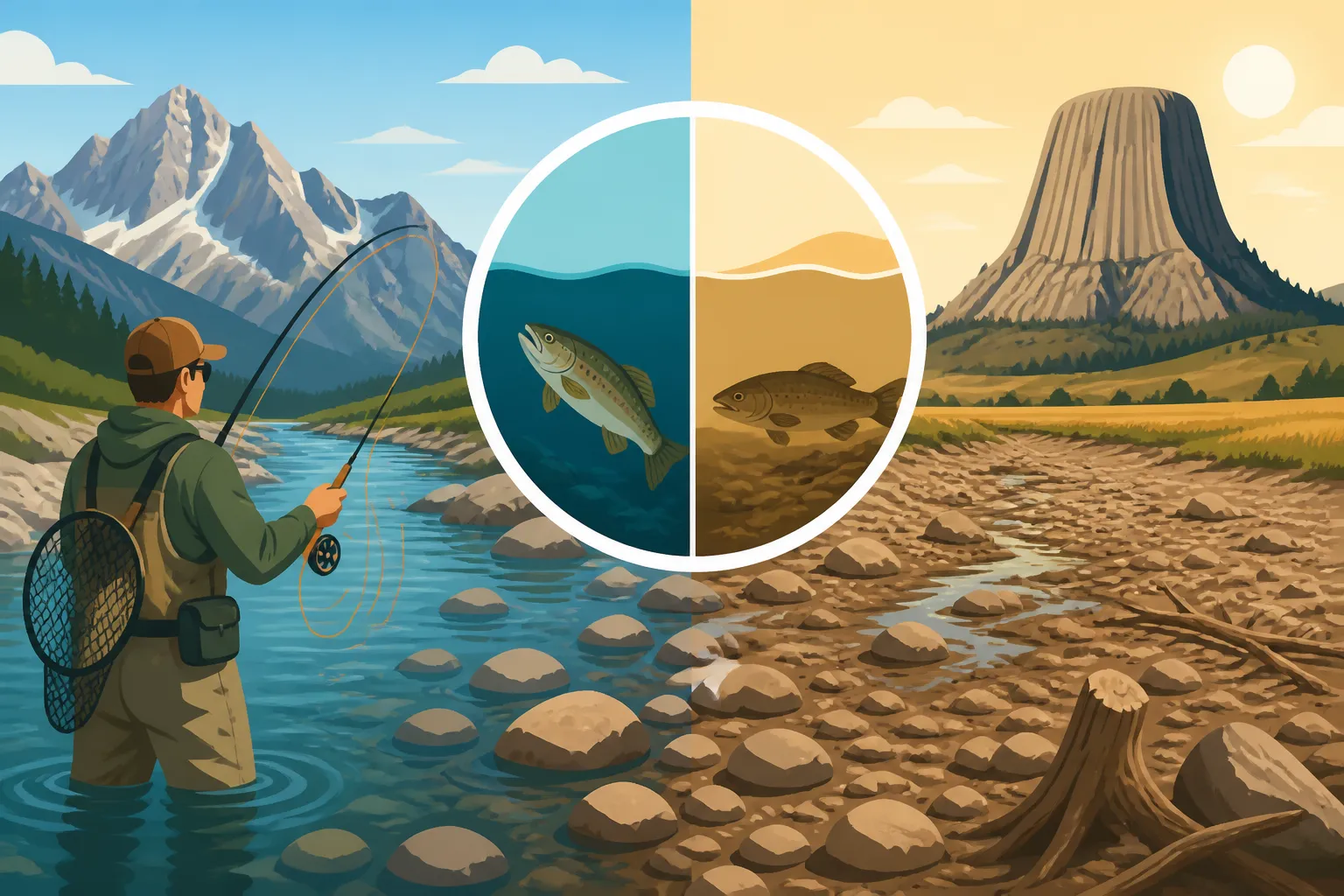
When the snowpack is thin in the mountains, or summer brings relentless heat with little rain, Wyoming's precious waterways feel the pinch. A low-water year isn't just about less water; it triggers a cascade of environmental changes that profoundly affect fish, their habitat, and consequently, our fishing opportunities. It can feel like the entire ecosystem is holding its breath, and as anglers, we need to understand these shifts to fish responsibly.
How Reduced Flows Impact Trout and Their Habitats
On our iconic trout streams, reduced flows are probably the most noticeable and often the most concerning change. What was once a rushing river might become a series of slow-moving glides and isolated pools. This isn't just an aesthetic change; it fundamentally alters the trout's world.
Firstly, water temperature becomes a critical factor. When there's less volume, the water heats up much faster, especially during hot summer days. Trout, particularly our beloved native cutthroat and wild brown trout, are cold-water species. They thrive in temperatures typically below 65°F. As water temperatures climb into the 70s, trout become severely stressed. Their oxygen levels drop, their metabolism skyrockets, and they become lethargic and vulnerable. Fishing during these high-temperature periods can be deadly for released fish, even if they swim away initially. This is a prime example of How Water Temperature Affects Trout Feeding. You'll notice fish seeking out any available cold pockets, perhaps near spring feeds, shaded areas, or deeper pools, making those spots highly concentrated but also highly sensitive.
Secondly, habitat is severely diminished and fragmented. Riffles, which are usually productive feeding lanes, might dry up or become too shallow for fish to hold. Runs turn into slower, warmer water, and trout are forced into fewer, smaller, and often overcrowded pools. This concentration makes them easier targets for predators (including us, if we're not careful) and increases competition for food. It also means less cover from birds of prey and other animals, adding to their stress. The ability to read these altered riffles and runs becomes even more crucial, as discussed in Reading Riffles and Runs on Wyoming Trout Streams. The once vast network of prime holding water shrinks dramatically, forcing trout to make difficult choices about where to survive.
What Happens to Reservoirs When Water Levels Drop
While streams show the immediate impact of low water, reservoirs experience a different kind of transformation. Instead of reduced flows, you see receding shorelines, exposed mud flats, and rock formations that are usually submerged. This can be equally disorienting and challenging for anglers.
One of the most significant impacts is on access. Boat ramps that were once easily accessible might end up miles from the water's edge, rendering them useless for conventional boat launching. This pushes boaters to seek out alternative, sometimes informal, access points, which can be difficult or even dangerous. For shore anglers, it means a much longer walk across exposed, soft lakebed to reach fishable water. The changing contours can also make it difficult to locate familiar structure. What was once a subtle drop-off or submerged weed bed might now be high and dry, forcing fish to move to deeper, more central parts of the reservoir.
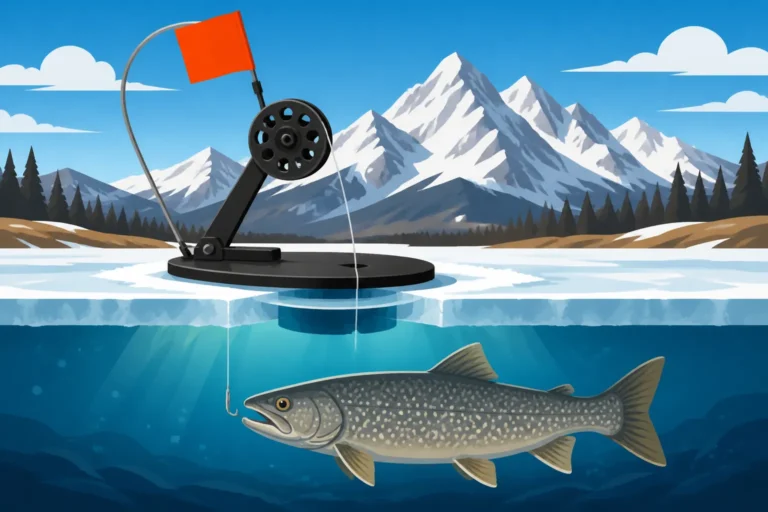
The concentration of fish in remaining deep water areas can be a double-edged sword. On one hand, it might seem like easier fishing because the fish are packed together. On the other hand, this also means increased pressure on those concentrated populations, and they can become very wary. Nutrient cycling can also change in shallower, warmer reservoir arms, potentially leading to algal blooms that reduce oxygen levels. Fish will often retreat to the deepest, coolest parts of the reservoir, meaning you might need to adapt your techniques for How to Fish Deep Structure for Lake Trout or other species. Identifying these new, deeper holding patterns becomes key to success.
Adapting Your Approach: Fishing Strategies for Low-Water Conditions
Facing a low-water year requires more than just showing up and hoping for the best; it demands a mindful shift in strategy. It's about being more observant, more patient, and often, more subtle in your presentation. Think of it as a puzzle where the pieces have all shifted, and you need to put them back together in a new way.
Finesse, Stealth, and Timing for Stressed Fish
When waters are low and clear, fish become incredibly spooky. They’ve lost much of their protective cover and are more exposed to predators, making them highly sensitive to any disturbance. This is where your finesse game needs to be top-notch.
- Longer, Lighter Leaders and Tippet: Ditch the heavy stuff. A longer leader (9-12 feet or more) and finer tippet (4x-6x for trout, even lighter for ultra-clear situations) will present your fly or lure more naturally. Fish will have more time to inspect your offering in the slow, clear water, so a delicate presentation is paramount. Brands like Rio and Scientific Anglers offer excellent options, and you can always find a wide selection of Amazon fishing lines and leaders.
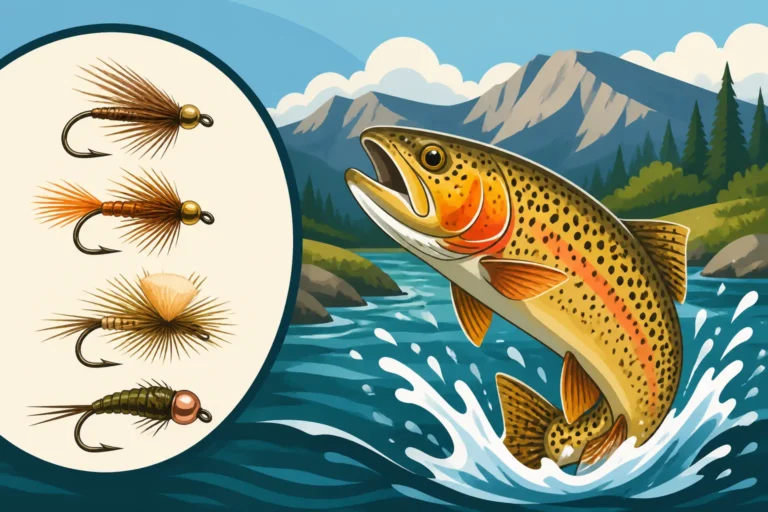
- Smaller Flies and Lures: Think small. As insect hatches often dwindle in warm, low water, fish become more opportunistic. Tiny nymphs, emergers, and midges (size 18-24) can be highly effective. For spin anglers, micro-jigs, small inline spinners, or tiny spoons might entice a bite where larger lures would spook fish. Remember, often the best lures for Best Lures for Wyoming Rainbow Trout will shrink in size during low water.
- Early Mornings and Late Evenings: The coolest parts of the day are often the most productive, both for the fish's well-being and your success. Fish are more active when water temperatures are at their lowest, typically at dawn and dusk. Avoiding the heat of the midday sun protects the fish and increases your chances of a bite. This is closely related to Best Time of Day to Fish in Summer Heat.
- Stealthy Approach: Move slowly and deliberately. Wear natural, muted colors. Avoid wading directly into pools unless absolutely necessary, and if you must, do so quietly and against the current. Cast from further away to avoid casting a shadow over the fish. Every rustle, every splash, every shadow counts.
Navigating Access and Spot Selection in Shifting Landscapes
Low water doesn't just change how fish behave; it changes where they behave and how we can get to them. Being flexible and resourceful with your access and spot selection is key.
- Scout Ahead and Use Maps: Before you head out, do your homework. Check online resources or call local fly shops for current conditions. Use satellite maps to identify potential new access points or areas that might still hold water. What looked like a great spot last year might be bone dry this year, or a previously inaccessible area might now be exposed.
- Wading vs. Boating: In streams, wading might be easier in some areas due to exposed gravel bars, but you'll need to be extra cautious not to spook fish in the now-shallower water. For reservoirs, if boat ramps are unusable, embrace bank fishing, float tubing, or kayaking if conditions allow. Lightweight, inflatable kayaks or float tubes can be purchased on Amazon and offer great access to areas larger boats can't reach, or when ramps are too far from the water.
- Look for Thermal Refuges: As mentioned, fish will seek out cooler water. These "thermal refuges" might be spring creeks, shaded canyons, deep pockets, or even the tailwaters below dams where colder water is released. While these spots can concentrate fish, they also demand extra care due to the fish's stress levels. Knowing Where to Check Current Wyoming Water Closures can also guide you to waters that are still viable.
- Explore High-Elevation Lakes: While often requiring a hike, high-alpine lakes tend to be less affected by low water and heat due to their elevation and often snow-fed sources. They can offer a fantastic alternative when lower-elevation waters are struggling.
Beyond the Catch: Conservation and Regulations in Drought Years
During a low-water year, our role as anglers extends far beyond simply catching fish. It becomes a critical time for conservation and responsible stewardship. The fish are already under immense pressure, and our actions can either alleviate or exacerbate their struggle.
Practicing Responsible Angling to Protect Vulnerable Fish
The increased stress on fish in low-water conditions means we need to double down on our catch-and-release best practices, and sometimes, even consider not fishing at all during peak heat.
- Minimize Fight Time: Use appropriate tackle that allows you to land fish quickly, reducing their exhaustion. A prolonged fight in warm, low-oxygen water can be a death sentence, even if the fish swims away.
- Keep Fish Wet: Avoid taking fish out of the water for photos. A quick, in-water shot is usually sufficient. If you absolutely must, do it quickly and gently, holding the fish horizontally with wet hands. Dry hands can remove the fish's protective slime layer, making it susceptible to disease. This is fundamental to Catch-and-Release Rules on Wyoming Waters.
- Avoid Handling Fish with Your Bare Hands When Possible: Tools like a fishing net with rubberized mesh or a fish gripper can help minimize contact and stress, especially if you plan to release the fish. You can find durable, fish-friendly nets on Amazon that are gentler on a fish's delicate scales and fins.
- Know When to Stop: If water temperatures are consistently above 68-70°F, or if fish appear lethargic and listless, consider putting the rod down for the day or moving to cooler waters. There's no shame in prioritizing the fish's health over your own fishing desire. Many local shops will post "Hoot Owl" closures or advisories, meaning fishing should cease by mid-morning.
Keeping Up with Emergency Closures and Water-Specific Rules
One of the most dynamic aspects of fishing in a low-water year is the potential for rapid changes in regulations and access. Wyoming Game and Fish Department (WGFD) works diligently to monitor conditions and implement emergency measures when necessary to protect fisheries.
- Regularly Check WGFD Resources: The WGFD website is your most valuable resource. They will post alerts, news releases, and updated regulations regarding specific waters. These can include anything from voluntary fishing closures during certain hours (often called "Hoot Owl" restrictions) to full, mandatory closures of entire stream sections or lakes. Understanding How Wyoming Game and Fish Announces Emergency Closures is crucial for staying informed.
- Local Advisories: Keep an eye on local fly shop websites, social media, and bulletin boards. These local businesses are often on the front lines and receive real-time updates from WGFD or observe conditions firsthand. They can provide invaluable advice on Wyoming Fishing Seasons and Water-Specific Closures that might be changing by the day.
- Be Prepared for Changes: Don't assume that a water body will be open or fishable just because it was last week. Always have a backup plan or two in mind, so you're not left without options if your primary destination is affected by closures. This also relates to When Runoff Usually Ends on Wyoming Rivers, as a shortened runoff season can mean earlier and more severe low-water conditions.
Here's a quick overview of how low-water conditions generally impact fishing, and what you might consider changing:
| Factor | Typical Low-Water Impact | Angler Adjustment |
|---|---|---|
| Water Level | Streams: Reduced flows, isolated pools; Reservoirs: Exposed banks, distant boat ramps. | Focus on deeper pockets, thermal refuges, explore new access routes. Wading carefully in streams. |
| Water Clarity | Often crystal clear, especially in streams. | Use longer, lighter leaders/tippets; smaller, more subtle flies/lures; stealthy approach. |
| Temperature | Higher water temperatures, especially midday. | Fish early/late in the day; avoid fishing when temps exceed 68-70°F; prioritize fish health. |
| Fish Behavior | Stressed, lethargic, concentrated in cool spots, spooky. | Finesse presentations, quick fights, minimal handling, careful release. |
| Access | Limited boat ramp access, longer walks to shore. | Utilize kayaks/float tubes, hike to high-alpine lakes, scout for new public access points. |
| Regulations | Increased risk of voluntary or mandatory emergency closures. | Consistently check WGFD website and local advisories; have backup plans; adhere strictly to all rules. |
| Bait/Lure | Live bait may be less effective or restricted; smaller lures/flies more effective. | Match the hatch if possible, downsize offerings, focus on subtle movements. |
Low-water years are tough, no doubt about it. They challenge our patience, our skills, and our ethical commitment to the resource. But by understanding the changes, adapting our strategies, and prioritizing the health of Wyoming's fish, we can still find rewarding experiences on the water and help ensure these incredible fisheries endure for generations to come. Be smart, be safe, and most importantly, be a good steward of our precious aquatic resources.
Disclaimer
This article is for general informational purposes only and does not constitute professional advice. Laws, prices and regulations vary by location and change over time. Consult a qualified professional for guidance on your specific situation.