When Runoff Usually Ends on Wyoming Rivers
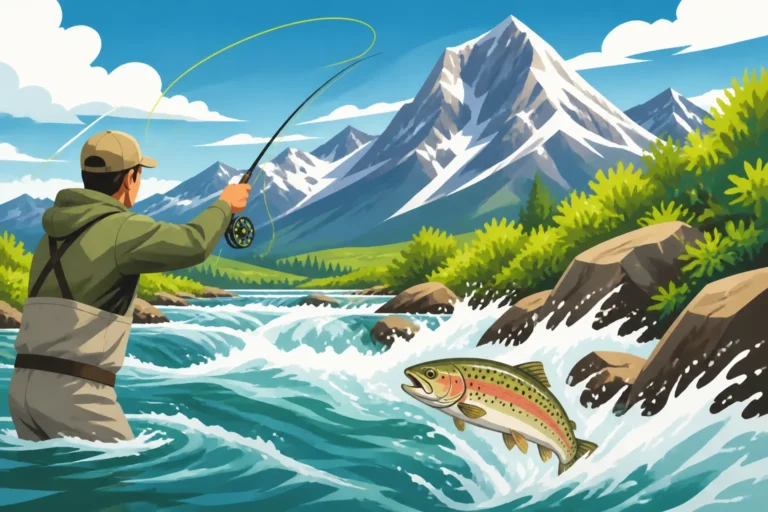
It's a familiar heartache for any angler planning a spring or early summer trip to Wyoming: you've got your gear packed, your vacation days approved, and then you check the river reports only to find "blown out" or "high and muddy." The frustrating truth is, spring runoff can turn even the most famous blue-ribbon trout streams into chocolate milk, making fishing nearly impossible. This comprehensive guide will walk you through the complexities of Wyoming's runoff season, helping you understand when rivers typically clear, what factors influence the timing, and how you can still find fantastic fishing opportunities even when the rivers are raging.
Deciphering Wyoming's Runoff Season
Wyoming's rivers, fed largely by the melting snowpack in its majestic mountain ranges, experience an annual surge of high water known as runoff. This phenomenon is vital for the ecosystem, flushing nutrients and reshaping riverbeds, but it can be a real headache for anglers. Pinpointing the exact end of runoff is tricky because it's not a single date on the calendar; it’s a dynamic process influenced by a multitude of natural factors.
Typical Windows for River Clearing
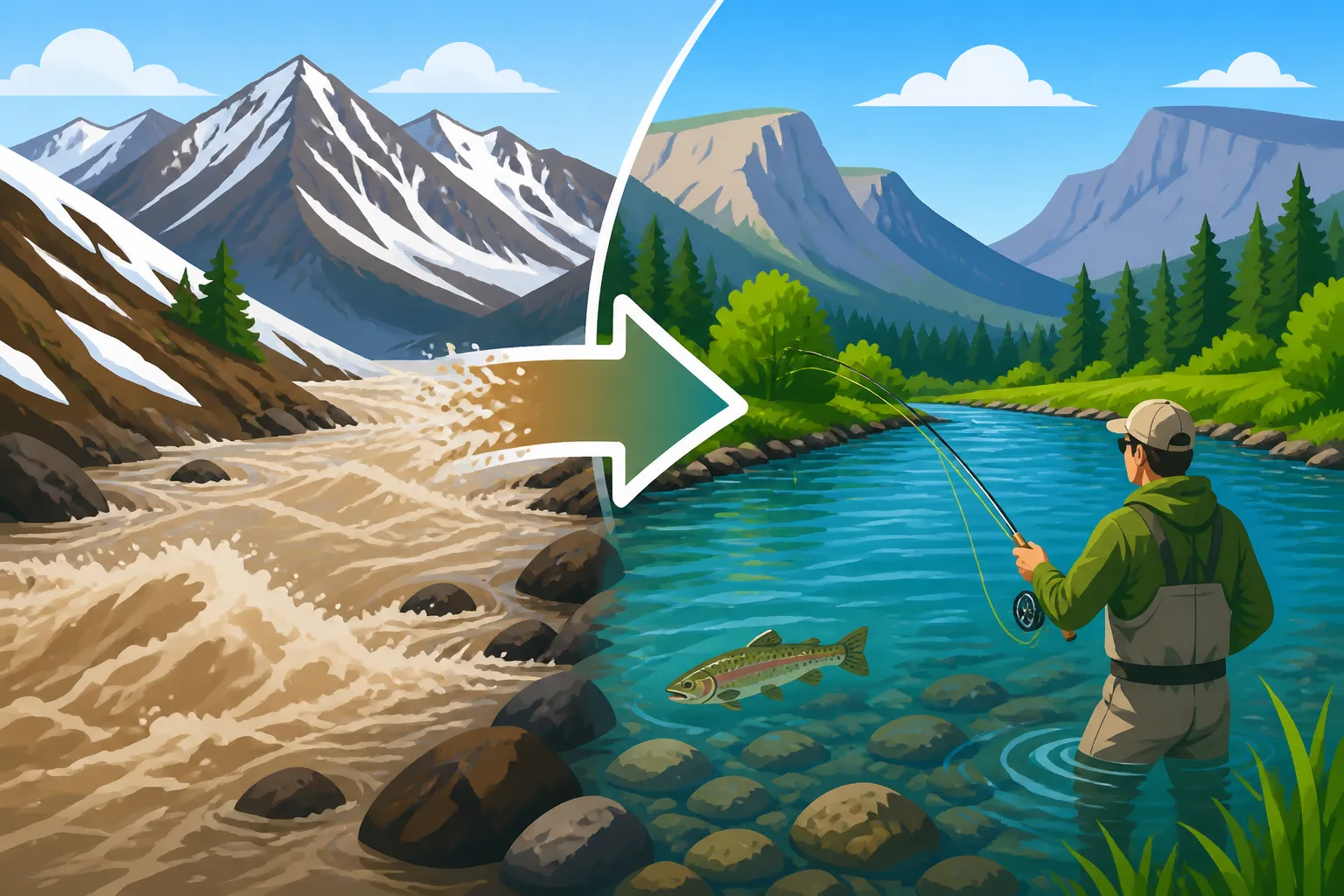
Generally speaking, you can expect the peak of runoff to occur from late May through mid-June. However, most rivers will start to "come into shape" – meaning dropping flows and improving clarity – sometime in late June, often extending into early July. This is when you'll begin to see those classic Wyoming trout streams transform from raging torrents to fishable, clear waters. Lower elevation rivers, or sections of rivers that are heavily influenced by dam releases, tend to clear up earlier than those high up in the mountains or those fed by vast, high-altitude snowfields. For instance, sections of the North Platte River below certain dams might clear sooner than a freestone stream deep in the Wind River Range.
It’s truly a waiting game, and local conditions can vary wildly. One year, we might have a warm, early spring that melts the snow quickly, resulting in a shorter but more intense runoff. The next year could see a prolonged, cooler spring with more gradual melting, stretching the runoff period out longer, but perhaps making it less severe. This variability is why relying on generalized dates can sometimes lead to disappointment. Instead, it’s about understanding the underlying mechanisms at play.
Factors That Dictate Runoff Timing
The timing and intensity of runoff are a direct result of nature's delicate balance. Understanding these factors can help you make more informed decisions about when and where to fish. You can also dive deeper into How Wyoming's Snowpack Affects Summer Fishing to get a clearer picture of this crucial element.
Snowpack Levels
The most significant factor influencing runoff is the previous winter's snowpack. A heavy snowpack means more water stored in the mountains, which translates to a longer and more substantial runoff event. When the snowpack is below average, rivers might clear earlier and have lower flows throughout the summer. The Wyoming Game and Fish Department (WGFD) monitors snow water equivalent (SWE) data closely, and these reports are a goldmine of information for anticipating the coming fishing season. They track snow depths and water content at various SNOTEL sites across the state, giving a scientific prediction of what to expect.
Air Temperature and Sunlight
Once the snow is on the ground, the rate at which it melts is driven by air temperature and direct sunlight. A sudden spike in temperatures, especially if accompanied by warm, sunny days and mild nights, can trigger a rapid melt, causing rivers to swell dramatically and quickly. Conversely, a gradual warming trend, with cooler nights that allow some refreezing, leads to a more controlled and prolonged runoff. This slow melt is often preferred by anglers, as it gives rivers more time to clear between surges. This is why late spring blizzards can actually extend runoff, as they add fresh snow to the pack which then has to melt later.
Spring Precipitation and Rain-on-Snow Events
While snowmelt is the primary driver, spring rain showers also play a crucial role. Heavy, widespread rain events during the snowmelt period can significantly exacerbate runoff, turning otherwise clearing rivers muddy again in a hurry. What's even more impactful are "rain-on-snow" events, where warm rain falls on existing snowpack. This warms the snow, causes it to melt faster, and adds directly to the river's flow, often leading to rapid and dramatic increases in water levels and turbidity. These events are particularly challenging because they can unexpectedly reset a river that was just starting to clear. This is often when anglers ask, Is Runoff Season a Bad Time to Fish Wyoming Rivers?, and the answer often depends on how much rain falls.
River Elevation and Drainage Basin Size
Higher elevation rivers typically experience runoff later in the season because their snowpack is colder, deeper, and takes longer to melt. For example, a river originating in the high reaches of the Gros Ventre Range will likely run high and muddy well into July, while a lower-elevation tributary might clear up by early June. The size of a river's drainage basin also matters. Rivers with vast watersheds collect water from a larger area, sustaining high flows for a longer duration, whereas smaller streams clear more quickly.
Navigating Fishing Opportunities During Runoff
The notion that runoff means no fishing is a common misconception, but it's not entirely true. While popular freestone rivers might be unfishable, there are always options if you know where to look and how to adapt your strategy. You just have to be willing to think outside the box and perhaps venture beyond your usual spots.
Targeting Tailwaters and Stillwaters
Tailwater fisheries, which are rivers or sections of rivers located directly downstream from large dams and reservoirs, are your best friends during runoff. The water released from a dam often comes from deep within the reservoir, meaning it's clearer and colder than the raging, silty water upstream. Rivers like the North Platte below Alcova and Gray Reef dams, or the Green River below Fontenelle and Flaming Gorge dams, are prime examples. These sections maintain more consistent flows and water clarity, offering excellent fishing even when other rivers are blown out. However, even tailwaters can be affected by major storm events that impact their feeder creeks or cause dam operators to increase releases, so it's essential to check current flow data.
Beyond tailwaters, stillwaters—lakes and reservoirs—are virtually unaffected by the turbidity of river runoff. While tributary streams feeding into them might be muddy, the vastness of the lake allows the sediment to settle, keeping the main body of water clear. Places like Lake Hattie near Laramie, or Glendo Reservoir further east, can offer fantastic fishing for trout, walleye, or bass during peak runoff. This is also a great time to explore some of Wyoming's smaller, accessible lakes or even high-alpine lakes if they've already thawed out. For more details on adapting your approach, consider reading up on How to Fish a Wyoming Mountain Lake From Shore.
Employing Runoff-Specific Techniques
When rivers are high and off-color, the fish behavior changes, and so should your tactics. Forget delicate dry flies; it's time to get down and dirty.
Using Bigger, Brighter, and Heavier Flies or Lures
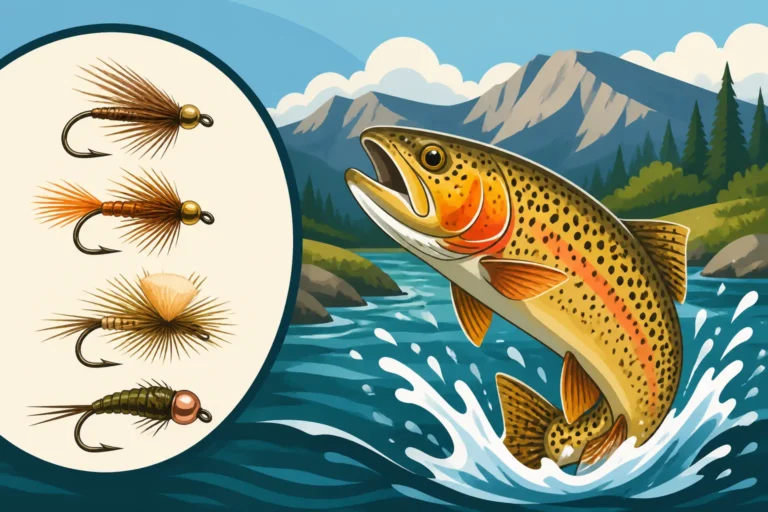
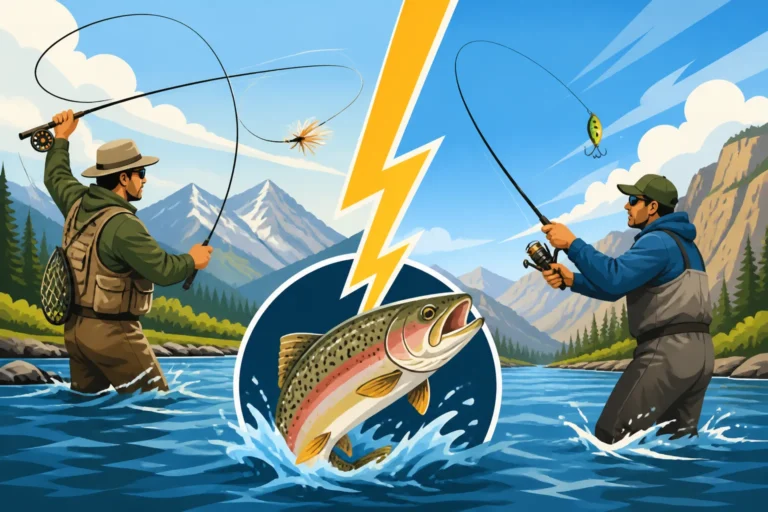
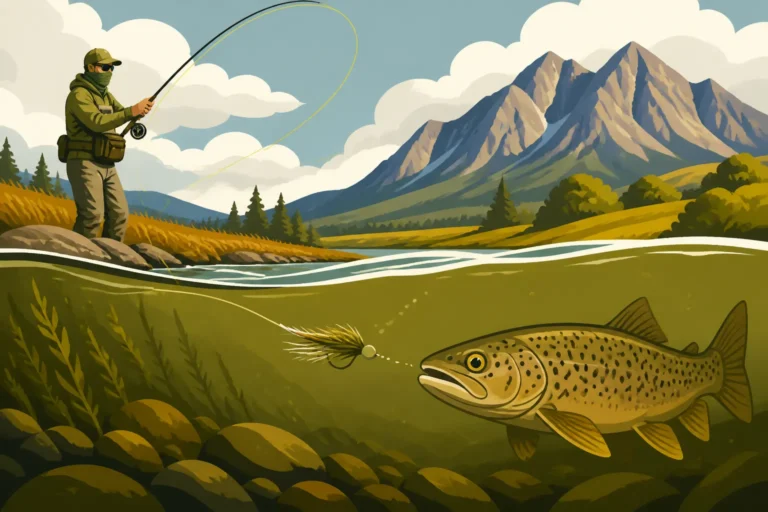
In murky water, fish rely more on their lateral line (which detects vibrations) and scent than sight. This means you need to present something they can feel and smell, or something with enough contrast to be seen even in limited visibility. For fly anglers, this often means larger, heavier patterns like oversized Pat's Rubber Legs, San Juan Worms, or various stonefly and leech patterns in darker colors like black, brown, or olive. Sometimes, flies with a bit of flash can also catch their eye. For spin anglers, consider larger spoons, spinners with bright colors, or scented soft plastics. Don't be afraid to try chartreuse, orange, or hot pink in these conditions.
Focusing on Slower Water and Edges
During high flows, fish tend to move out of the main current to conserve energy. Look for them in slower, softer water along the banks, behind large rocks, in eddies, or in the seams where faster water meets slower water. Undercut banks, logjams, and deep pools become prime holding water. You might be surprised how close to the bank trophy fish will hold to escape the heavy current. Wading becomes more challenging and dangerous during runoff, so safety is paramount. If you're going to wade, do it cautiously, use a wading staff, and consider wearing a personal flotation device (PFD). For gear, reliable waders and sturdy boots are crucial, and you can find a great selection on platforms like Amazon that will deliver right to your door before your trip.
When Specific Rivers Typically Clear
Understanding the general window for runoff is helpful, but knowing the specifics for popular rivers can make or break your trip planning. Here's a look at some of Wyoming's most famous fishing destinations. For a broader overview of the fishing calendar, consult Wyoming Fishing Seasons Month by Month.
North Platte River System
The North Platte River, particularly the stretches known as the Miracle Mile and Gray Reef near Casper, is heavily regulated by reservoirs (Seminoe, Pathfinder, Alcova). This means its runoff patterns are less about natural snowmelt and more about dam releases. Generally, the North Platte often fishes well throughout spring and early summer because the dams buffer the worst of the high water and turbidity. However, if the reservoirs are extremely full from a heavy snowpack, the Bureau of Reclamation might increase releases, which can still make for very high flows. Local tributaries like the Sweetwater River can also contribute muddy water if they blow out.
- Miracle Mile & Gray Reef: These sections often remain clear and fishable even during peak runoff on other freestone rivers. Flows might be higher, but clarity is usually maintained. Early June often sees excellent fishing here.
- Freestone Sections (e.g., above Seminoe): These sections are more susceptible to natural runoff and will follow the general late June to early July clearing trend.
Snake River
The Snake River, flowing through the iconic Jackson Hole valley, is a quintessential freestone river, meaning its flows are almost entirely dictated by natural snowmelt from the vast Teton and Gros Ventre mountain ranges.
- Peak Runoff: Typically hits its peak from late May to mid-June. The river can be extremely high, fast, and muddy during this period.
- Clearing: Usually starts to drop and clear around mid-June to early July. By the second week of July, the Snake River is often in prime condition for its legendary dry fly fishing. If you're looking to fish this stretch, reading Fishing Wyoming's Snake River Below Jackson Lake Dam can give you an edge. Planning a trip in July is usually a safe bet for clearer water, though a late, heavy snowpack year could push it back a bit.
Green River
The Green River, particularly the sections below Fontenelle Dam and Flaming Gorge Dam, benefits from reservoir regulation.
- Below Fontenelle Dam: This section can offer excellent fishing through much of runoff, though dam releases can still be high. It tends to clear up and stabilize by mid-June.
- Below Flaming Gorge Dam: This is a world-class tailwater fishery that maintains consistent flows and exceptional clarity throughout runoff. It's often the go-to spot when other rivers are unfishable. You can explore Fishing the Green River Below Flaming Gorge Dam for more insights. The only caveat is that extremely heavy local rains could affect clarity from minor tributaries, but the main river generally stays clear.
Wind River and Tributaries
The Wind River and its various forks and tributaries, draining the eastern slopes of the Wind River Range, are classic freestone fisheries that experience significant runoff.
- Peak Runoff: Similar to the Snake, peak runoff is typically from late May to late June.
- Clearing: These rivers generally start to become fishable in late June, extending into July, especially the higher-elevation sections and tributaries. If you're planning a trip to this area, be prepared for potential high water earlier in the season.
Big Horn River
While much of the Bighorn River fishing is found over the border in Montana, the upper sections in Wyoming are also popular. This river is also influenced by upstream reservoirs.
- Upper Sections (e.g., near Boysen Reservoir): These areas can still be impacted by local runoff from smaller feeder creeks but generally benefit from dam regulation. They typically clear earlier than purely freestone rivers, often by early to mid-June.
A Quick Glance at Typical Runoff Clearing
This table provides a generalized outlook. Always check current conditions!
| River/Section | Typical Peak Runoff | Typical Clearing Period | Primary Influence | Notes |
|---|---|---|---|---|
| North Platte (Tailwaters) | Variable (dam releases) | Late May – Early June | Dam Regulation, Reservoir Levels | Often fishable through runoff; high flows possible. |
| Snake River (Freestone) | Late May – Mid-June | Mid-June – Early July | Snowpack, Elevation | Can be high and muddy; prime dry fly by July. |
| Green River (Tailwaters) | Variable (dam releases) | Late May – Early June | Dam Regulation | Generally clear and fishable year-round. |
| Wind River (Freestone) | Late May – Late June | Late June – Mid-July | Snowpack, Elevation | Strong runoff, later clearing for higher sections. |
| Bighorn River (Upper WY) | Early – Mid-June | Early – Mid-June | Dam Regulation, Local Runoff | Generally more consistent than pure freestone rivers. |
| High Mountain Streams/Lakes | Mid-June – Mid-July | Late July – August | High Elevation Snowpack | Clears much later, some lakes remain frozen until July. |
Essential Tips for Fishing During or Immediately After Runoff
Even when the rivers are just starting to come down, you can still have a successful and enjoyable trip by following a few key strategies. It’s all about adapting to what Mother Nature throws your way.
Constantly Monitor River Conditions and Forecasts
This cannot be stressed enough: always check current river flows and clarity before heading out. The Wyoming Game and Fish Department (WGFD) website, the U.S. Geological Survey (USGS) streamflow gauges, and local fly shop reports are invaluable resources. Sites like riverfacts.com or the WGFD's specific water reports often provide real-time data on discharge (CFS – cubic feet per second) and water temperature. Learning Where to Check Current Wyoming Water Closures is also critical. A river that was unfishable yesterday might be perfect today, or vice-versa, depending on overnight temperatures or rain. Pay attention to weather forecasts for the mountains, not just your immediate location, as that's where the snowmelt originates.
Accessing Real-Time Data
Many of these resources are available through apps on your phone, making it easy to check conditions even when you're on the road. Knowing the typical "fishable" CFS range for your target river will help you interpret the numbers. For instance, a river might be considered high above 1,500 CFS but perfect between 500-800 CFS. This information is usually shared by local fly shops.
Gear Up for Challenging Conditions
Preparation is key, especially during spring conditions. Your gear needs to match the environment.
Waders, Layering, and Rain Gear
Expect colder water temperatures during and after runoff. Good quality waders are essential, and layering underneath is critical for warmth. A waterproof and breathable rain jacket, like those found on Amazon, is a non-negotiable item, even if the forecast looks clear. Spring weather in Wyoming can change in an instant, from sunny skies to snow flurries or sudden downpours. Sturdy wading boots with good ankle support are crucial for navigating slick, uneven riverbeds. For more information on what to wear, check out Do You Need Waders to Fish Wyoming Rivers in Spring?.
Heavier Rods, Tippet, and Split Shot
Don't bring your ultra-light gear expecting to throw tiny dry flies. You'll likely need a heavier rod (a 5 or 6-weight for fly fishing) to cast larger flies and handle bigger fish in strong currents. For spin fishing, a medium-heavy rod is a good choice. Thicker leader and tippet (e.g., 2X-4X for fly fishing) will be necessary to prevent break-offs when fishing heavy flies and to stand up to the strong flows. You'll also want an assortment of split shot or weighted putty to help your flies or lures get down to where the fish are holding, often near the bottom. This is where you might tie on a weighted nymph rig, as discussed in How to Fish a Nymph Rig Under an Indicator.
Consider Hiring a Local Guide
If you're truly unsure about runoff conditions or simply want to maximize your chances of success, consider hiring a local fishing guide. They live and breathe these rivers and know exactly where the fish will be holding, what they're biting, and the safest places to access the water during challenging flows. Guides often have access to private lands or know obscure spots that clear up faster. While a guided trip costs money, it can save you a lot of frustration and guarantee a much better experience, especially when dealing with unpredictable runoff. They'll also provide the right gear and teach you specialized techniques for the conditions.
Dealing with the Post-Runoff Transition
Once the main surge of runoff subsides, rivers don't instantly return to their summer flows. There's a transition period where flows gradually drop, and clarity slowly improves. This can be one of the most exciting times to fish.
Gradual Clarity Improvement
After the initial muddy water, rivers often enter a "green tint" phase. The water is still stained, but it's clear enough for fish to see flies and lures, and often more fertile with suspended nutrients. This greenish hue can sometimes make for incredible fishing, as trout become less spooky. As flows continue to drop, the water clarity will improve, eventually reaching that beautiful gin-clear state that Wyoming is famous for. Keep an eye on the river for this progression, as it signals increasingly better fishing conditions.
Fish Spreading Out and Recovering
As the water levels normalize and temperatures stabilize, fish will start to move out of their runoff-induced holding lies and spread throughout the river. They'll actively feed, often making up for lost opportunities during the high water. This is when you can begin to transition back to more typical summer patterns, though subsurface fishing often remains strong for a while. Remember that How Water Temperature Changes Wyoming Trout Behavior is a key indicator, as fish metabolism is highly tied to water temperature. Look for insects to start hatching more consistently, signaling prime dry fly action isn't far off.
Continued Vigilance for Pop-Up Storms
Even after the main runoff event, be aware that isolated thunderstorms can still cause temporary spikes in river flows and reduce clarity, especially on smaller freestone streams. These "pop-up" runoff events are usually short-lived, with rivers clearing within a day or two, but they can still disrupt a fishing plan. It's just another reason why checking those river reports and local forecasts remains crucial throughout the early summer.
Disclaimer
Please be aware that fishing conditions in Wyoming can change rapidly due to weather, water levels, and other natural factors. Always prioritize your safety and check the most current regulations and river conditions before heading out. This guide provides general information and should not replace real-time data or expert local advice.