When Ice Fishing Season Starts in Wyoming
The biting cold of a Wyoming winter can be daunting, but for many of us, it ushers in one of the most exciting times of the year: ice fishing season! The biggest frustration, though, is never knowing exactly when it's safe to hit the ice. Mother Nature calls the shots here, making it tricky to plan your first outing. This guide is all about helping you understand the factors that dictate the start of Wyoming's ice fishing season, how to stay safe, and what to look for when those first solid sheets of ice begin to form.
The Thrill and Frustration of Wyoming's Ice Fishing Season
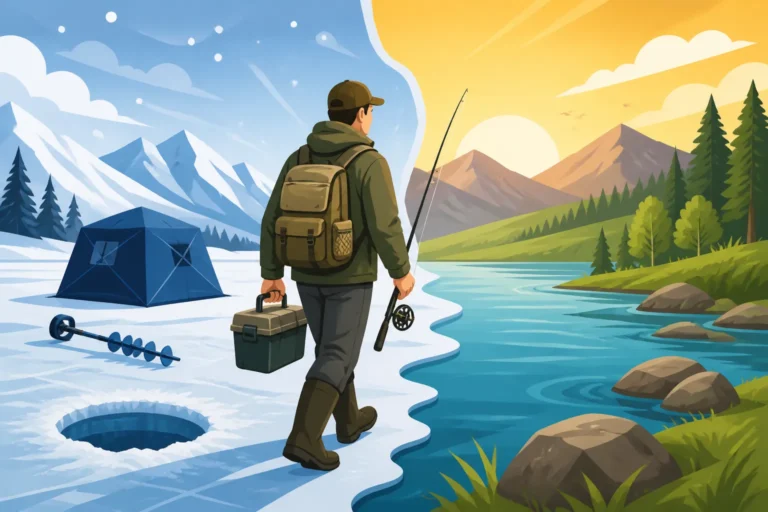
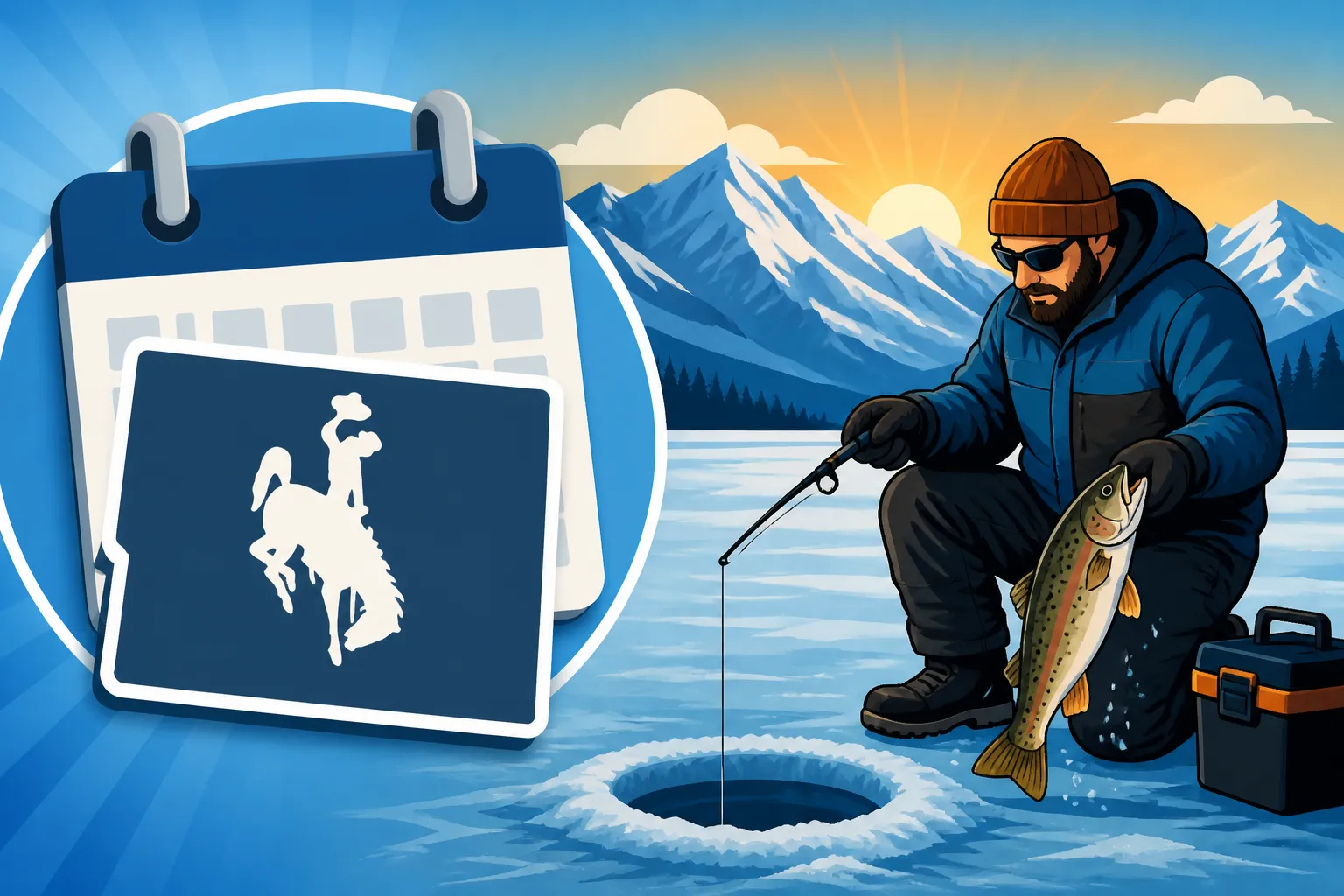
There's a unique kind of peace and thrill that comes with ice fishing. Imagine sitting on a frozen lake, surrounded by snow-capped peaks, a hot thermos by your side, and the anticipation of a tug on your line. It’s an experience that truly connects you to the wild heart of Wyoming. But before you can enjoy that serenity, you're often left scratching your head, wondering, "Is it safe yet?" This uncertainty is a major point of contention for many anglers, especially early in the season when conditions can change rapidly.
Why Timing is Everything for Safe Ice Fishing
The excitement of "first ice" is palpable. Anglers get antsy, gear is prepped, and the whispers of a specific lake freezing over spread like wildfire. However, that eagerness needs to be tempered with extreme caution. Early ice is notoriously unpredictable. What looks solid near the shore can quickly turn treacherous just a few yards out. Falling through thin ice isn't just a minor inconvenience; it can be life-threatening in Wyoming's frigid temperatures. You need to know the proper How Thick Ice Needs to Be to Fish Safely before you even consider stepping out.
The consequences of misjudging ice conditions are severe. Hypothermia sets in quickly, and rescue efforts in remote areas can take critical time. This isn't about scaring anyone away from a fantastic winter sport, but rather emphasizing the importance of patience and diligence. Waiting for consistently safe ice means you'll not only have a more enjoyable day on the water but, more importantly, you'll make it home safely to tell your tales.
No Fixed Start Date: Wyoming's Unpredictable Winters
Unlike hunting seasons with their precise opening dates, ice fishing season in Wyoming doesn't come with a calendar stamp. This is perhaps the biggest source of frustration for anglers trying to plan their winter adventures. Wyoming's weather is famously variable, and what might be a frigid, ice-making November in one year could be a mild, open-water December the next. Regional microclimates also play a huge role. A high-altitude lake in the Wind River Range might be locked up solid by Thanksgiving, while a larger, lower-elevation reservoir like Glendo might not see truly safe ice until well into January.
This variability means that anecdotal reports or last year's calendar won't cut it. You have to approach each season, and indeed each body of water, with fresh eyes and a healthy dose of skepticism until you have verified safety. The Wyoming Game and Fish Department (WGFD) works hard to provide updates, but they can't be everywhere all the time, and conditions can change hour by hour with sun, wind, and sudden cold snaps.
General Timeline Expectations: When the Ice Usually Forms
While there's no official start date, we can talk about general trends based on Wyoming's diverse elevations and climate. Typically, the first bodies of water to freeze solid are the smaller, shallower ponds and high-elevation lakes. Think of those alpine lakes nestled deep in the mountains; they'll often see safe ice as early as late October or early November. These small waters don't hold as much heat and are exposed to colder ambient temperatures sooner.
As winter progresses into December, mid-elevation reservoirs and larger natural lakes usually begin to firm up. Lakes around the 6,000 to 7,000-foot mark, like those near Pinedale or in the Snowy Range, often become fishable. Finally, the biggest and deepest reservoirs, such as Boysen Reservoir, Glendo, or Flaming Gorge (the Wyoming portion), usually aren't reliably frozen until late December or even mid-January. These large bodies of water have immense thermal mass, meaning they retain heat longer, requiring prolonged, intense cold to freeze safely across their vast expanses. For a broader picture, you might want to consult a guide like Wyoming Fishing Seasons Month by Month.
Key Factors Influencing Ice Formation and Fishing Opportunities
Understanding why ice forms, and when it becomes safe, requires looking beyond just the calendar. It's a complex interplay of environmental factors, and a good ice angler learns to read these cues.
Elevation and Geography's Role in Early Ice
Wyoming is a state of dramatic elevation changes, and this is the single most significant factor in when and where you'll find early ice.
High-elevation lakes, often those requiring a hike into the Wind River Range or the Absaroka Mountains, are typically the first to freeze. We're talking about lakes upwards of 9,000 to 10,000 feet. These areas experience colder ambient temperatures earlier in the fall, receive less direct sunlight due to surrounding peaks, and often have less wind churn, which otherwise keeps water from freezing. If you're looking to scratch that early ice itch, these are your best bets, though access can be challenging as mountain roads may close with early snow.
Conversely, larger, lower-elevation reservoirs like Glendo Reservoir or Seminoe Reservoir retain heat much longer. They have a greater volume of water, and their exposed nature often means more wind, which can constantly break up fragile ice formations. You'll often see these bodies of water skimmed over with ice around the edges during cold snaps, only for it to disappear with a warm day or strong wind. True, consistent ice on these larger waters takes a sustained effort from winter.
Persistent Cold Snaps and Prolonged Freezing Temperatures
It's not just about one cold night. While a sudden dip below freezing might form a thin skin of ice on a calm bay, truly safe ice requires a sustained period of well-below-freezing temperatures. We're talking about daytime highs staying below 20-25°F and nighttime lows consistently dropping into the single digits or even negative territory for days, if not weeks, on end. This allows the ice sheet to thicken steadily from the bottom up.
Warm fronts, even short ones, can significantly halt or even reverse ice formation. A few days of temperatures in the 30s or 40s, especially with sunshine, can rapidly degrade early ice, turning it slushy or creating dangerous soft spots. Even after a solid freeze, a mid-winter warm spell can make a once-safe lake extremely dangerous. Always be aware of current and recent weather patterns, not just what's happening today.
Snowfall and Its Impact on Ice Growth
Believe it or not, snowfall can be a double-edged sword when it comes to early ice. A light dusting of snow on clear, newly formed ice can actually help by insulating it from air temperatures that might otherwise fluctuate. However, a heavy snowfall early in the season can significantly slow down ice growth. Snow acts as an insulator, preventing the extreme cold air from penetrating the ice and continuing the freezing process below.
Deep snow on top of ice can also create slush pockets, especially if there's any overflow or if the ice isn't strong enough to support the weight. These slushy areas can be deceptive and dangerous. Additionally, heavy snow can obscure cracks, holes, and areas of thinner ice, making navigation extremely hazardous. Clear, black ice, though often intimidating to look at because you can see through it, is generally stronger and safer than cloudy or snow-covered ice of the same thickness.
How to Know When It's Safe to Venture Out: Monitoring Ice Conditions
Given all the variables, how do you actually determine when it's safe to go ice fishing? It's a combination of official information, local knowledge, and personal vigilance. Never rely on just one source.
Utilizing Wyoming Game and Fish Department Resources
The Wyoming Game and Fish Department (WGFD) is your most reliable official source for information. While they don't give "go-ahead" approvals for specific ice thickness (that's always up to individual judgment), they do provide invaluable resources. Check their website, especially the regional reports and lake access sections. Often, they will post conditions for popular lakes, sometimes indicating if ice is forming or if access points are open. They also announce any lake closures or specific regulations, which you can find out more about in articles like Where to Check Current Wyoming Water Closures.
It's also worth following WGFD on social media or signing up for their newsletters. They often share updates and warnings regarding ice conditions, especially during the early season or after significant weather events. Remember, if WGFD advises caution, take it seriously. They have the most up-to-date information on water bodies across the state.
Personal Observation and Local Intel: The On-the-Ground Approach
While official sources are great, nothing beats local, on-the-ground intelligence. Start by observing smaller, shallower bodies of water in your immediate area. Small ponds often freeze much earlier than larger lakes. If these are showing consistent, safe ice, it's a good indicator that larger waters might be following suit, though they'll need more time.
Local bait shops and tackle stores are goldmines of information. The folks who run these establishments live and breathe fishing, and they're usually the first to know which lakes are safe and which are still iffy. Don't be shy about asking for recent reports. Online fishing forums and local social media groups can also provide real-time updates from other anglers, but always approach these with a critical eye. Verify information whenever possible, and never assume someone else's safety judgment applies to your specific situation. This is especially true for figuring out How to Find Fishable Ice on a Wyoming Reservoir.
Essential Ice Thickness Guidelines for Safety
This is the golden rule of ice fishing: No ice is 100% safe. However, there are established guidelines for minimum ice thickness that can significantly reduce risk. Always measure the ice thickness yourself in multiple spots, especially as you move across the lake. A spud bar or an ice auger is your best friend for this.
Here’s a general guideline for new, clear, solid ice:
| Activity | Minimum Ice Thickness (inches) |
|---|---|
| Foot travel | 4 |
| Ice fishing shanty | 6 |
| Snowmobile/ATV | 8-12 |
| Car/Light Truck | 12-15+ |
Note: These are for clear, solid ice. Slushy, honeycombed, or cracked ice requires significantly more thickness or should be avoided entirely.
Early season ice can be highly variable. You might find 6 inches in one spot and only 2 inches just yards away. Pay attention to changes in ice color (darker ice is often clear and stronger; lighter or milky ice can indicate snow or air pockets and be weaker). Listen for strange sounds like cracks or groans, and always fish with a buddy. Having the right safety gear, like ice picks around your neck and a throw rope, is non-negotiable.
Preparing for Wyoming's Ice Fishing Season
Once you've done your due diligence and confirmed that the ice is safe, it’s time to prepare your gear. Being well-equipped makes for a more comfortable, productive, and safe day on the ice.
Essential Gear for Early Season Ice Fishing
Preparation is key, especially for early season excursions when conditions can be even more biting. First and foremost, you'll need an ice auger. For early season, when the ice isn't super thick, a hand auger from brands like Eskimo or ION can work. However, if you plan on fishing later in the season or on bigger lakes, a power auger (either gas, propane, or electric) will save you a lot of effort. Many reliable options are available on Amazon. Beyond drilling holes, a spud bar is crucial for testing ice thickness as you walk. It’s like a giant chisel you use to strike the ice ahead of you.
Next, think about shelter and warmth. A portable ice fishing shelter, often called a shanty or hub shelter, can make a world of difference, especially on windy Wyoming lakes. Brands like Clam or Eskimo offer fantastic options that set up quickly. Pair that with a portable heater (like a Mr. Heater Buddy, available on Amazon) and you can stay comfortable for hours. Don't forget proper layering for clothing – think thermal base layers, fleece, and a waterproof/windproof outer shell. Our guide on What to Wear Ice Fishing in Wyoming has more detailed advice.
For actual fishing, you'll need shorter ice fishing rods and reels, typically in the 24-36 inch range. A good fish finder or flasher (like those from Humminbird or Marcum, also found on Amazon) is almost essential for locating fish under the ice. Lastly, safety items are non-negotiable: ice cleats for traction, ice picks worn around your neck for self-rescue, and a throw rope for helping others. You can get more details on Auger and Shelter Basics for Wyoming Ice Fishing.
Species to Target and Early Season Tactics
Early ice often means fantastic fishing, as fish haven't yet experienced heavy pressure and are typically quite active. Many species will be feeding aggressively before the harshest part of winter sets in.
Trout: Rainbow trout, cutthroat trout, and brook trout are popular targets for ice anglers. Early season, they often cruise shallower flats and drop-offs. Small jigs tipped with a maggot or wax worm, or tiny spoons, can be very effective. Try fishing these baits just off the bottom or suspended a few feet down. For specific locations, you might look into Best Ice Fishing Lakes in Wyoming.
Perch: Yellow perch are a fantastic early-ice target, especially in reservoirs like Boysen or Glendo. They often school up, so if you find one, you're likely to find many. Small jigs, grubs, and even small spoons work well. These fish are generally active and delicious.
Walleye & Ling (Burbot): Larger predators like walleye and ling (also known as burbot) can also be targeted on early ice. Walleye tend to relate to structure, like submerged points or humps. Jigging spoons or lipless crankbaits can entice them. Ling, a freshwater cod, are often caught deeper and are particularly active at night. If you're interested in Best Time of Year to Catch Ling in Wyoming, it's often during the hard water season.
Always check the WGFD regulations for specific lakes, as bag limits and special rules can apply. Understanding What Fish You Can Catch Ice Fishing in Wyoming is paramount to a successful and legal outing.
Wyoming's Ice Fishing Season: Typical Freezing Timelines
To give you a clearer picture, here's a general overview of when different types of waters in Wyoming typically start to offer safe ice. Remember, these are averages and highly dependent on annual weather patterns.
| Body of Water Type | Elevation Range | Typical First Safe Ice | Primary Target Species (Early Season) |
|---|---|---|---|
| High Alpine Lakes | 9,000 ft + | Late October – Mid-November | Brook Trout, Golden Trout, Cutthroat Trout |
| Small/Shallow Ponds | Any (often lower) | Early – Mid-November | Rainbow Trout, Perch, Bluegill |
| Mid-Elevation Lakes/Res. | 7,000 – 9,000 ft | Late November – Early December | Rainbow Trout, Cutthroat, Lake Trout |
| Large, Deep Reservoirs | 5,000 – 7,000 ft | Late December – Mid-January | Lake Trout, Walleye, Perch, Ling (Burbot) |
For larger reservoirs, always pay close attention to specific bays and protected coves. These areas will often freeze over much sooner than the main, open water. For instance, parts of Flaming Gorge might get fishable ice before others. Similarly, if you're wondering Is There Ice Fishing at Boysen Reservoir?, the answer is yes, but it typically forms later than smaller, higher lakes. When thinking about winter tactics, you might consider articles like Best Winter Fishing Technique Below Flaming Gorge Dam for specific approaches. Always prioritize safety over the excitement of the first ice.
Disclaimer
The information provided in this guide is for general informational purposes only and is based on common knowledge and practices in Wyoming fishing. Ice conditions are highly variable and can change rapidly due to weather, currents, and other environmental factors. Neither the author nor the publisher assumes any responsibility for the safety of individuals venturing onto frozen waters. Always exercise extreme caution, assess conditions yourself, and follow all safety guidelines. When in doubt, stay off the ice.