How Wyoming’s Snowpack Affects Summer Fishing
One of the most common questions I hear from folks planning their summer fishing trips to Wyoming is, "What's the snowpack looking like this year?" It's a valid concern, because that white stuff blanketing our mountains all winter isn't just pretty scenery; it's the lifeblood of our rivers and lakes. The reality is, how much snow falls in the winter directly dictates the conditions you'll find on the water come June, July, and August, often leading to drastically different fishing experiences year to year. This guide will help you understand the profound connection between Wyoming's snowpack and your summer fishing success, preparing you for whatever Mother Nature throws our way.
Understanding Wyoming's Snowpack: The Mountain's Frozen Bank Account
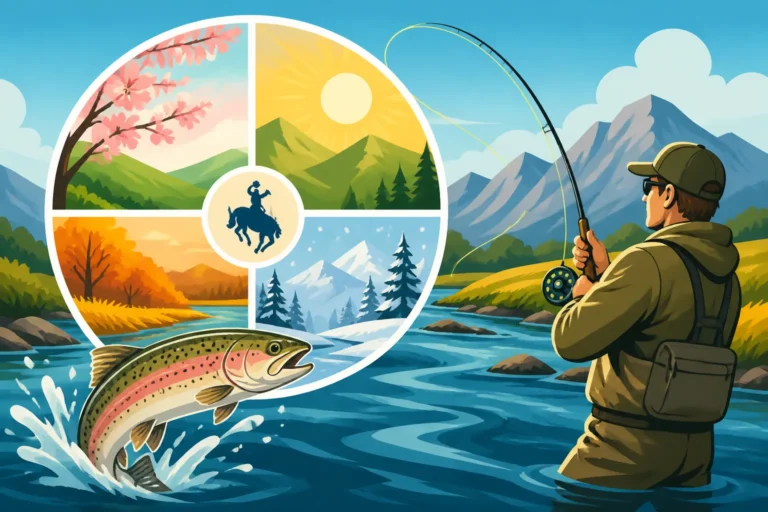
Before we dive into how snowpack impacts your fishing, let's get a handle on what it actually is and why it's so vital here in Wyoming. Think of our mountains, like the Wind Rivers, the Absarokas, or the Bighorns, as massive natural reservoirs. Throughout the winter, snow accumulates in these high elevations, slowly building up a frozen "bank account" of water. This accumulation, measured as "snow water equivalent" (SWE), is what we refer to as the snowpack.
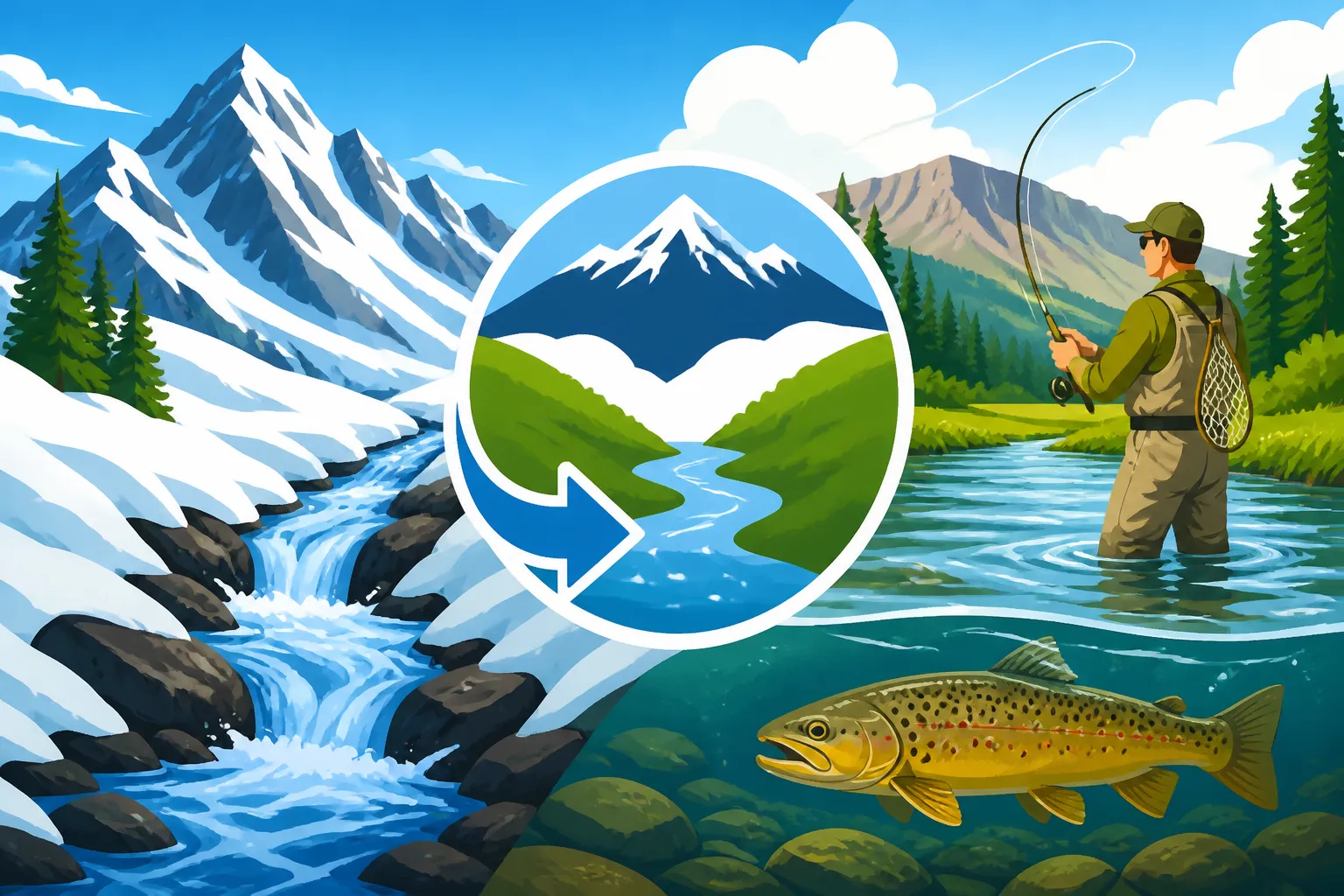
When spring arrives, and temperatures begin to rise, this snowpack slowly melts, releasing its stored water into our rivers, streams, and reservoirs. This melt is the primary source of water for most of Wyoming's fisheries during the crucial summer months. Without a healthy snowpack, our aquatic ecosystems would struggle, and consequently, so would the fishing. It’s a delicate balance, and understanding this cycle is the first step to becoming a more informed angler in the Cowboy State.
The Annual Cycle of Snowpack Accumulation and Melt
The snowpack cycle typically begins in late fall, as the first significant snowfalls dust the high country. Throughout December, January, February, and March, storms continue to pile on, steadily increasing the snow depth and its water content. By April 1st, we usually have a good indicator of the year's maximum snowpack, often expressed as a percentage of the historical average. This date is critical for water managers and, as you'll see, for anglers planning their seasons.
Then comes the melt. Depending on spring temperatures and any late-season snow events, the runoff can be a slow, steady trickle or a raging torrent. A warm, sunny spring can accelerate the melt, leading to an intense, shorter runoff period. A cooler spring with cloudy days can extend the melt, providing more sustained flows over a longer period. This timing and intensity of runoff are what really make or break early to mid-summer fishing conditions. If you're planning a trip, keeping an eye on these spring weather patterns is almost as important as the winter snow totals. Many anglers track these reports meticulously, knowing that a difference of a few degrees can mean weeks in the fishing calendar.
High Snowpack vs. Low Snowpack: What It Means
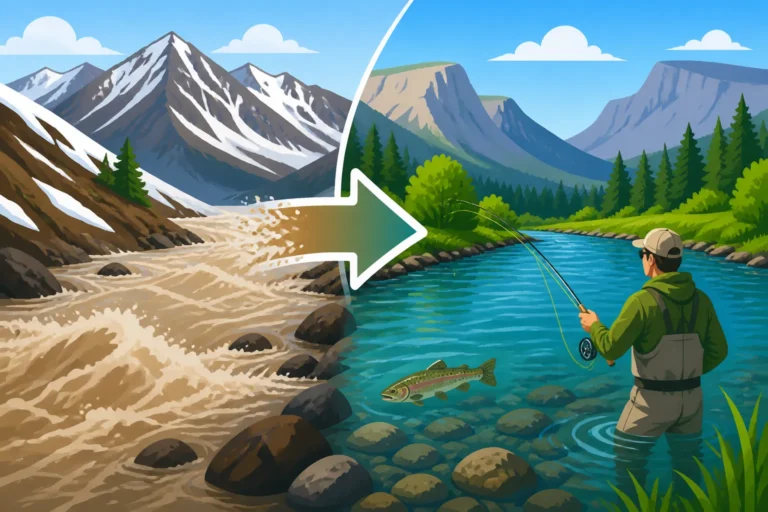
A "high snowpack" year means the mountains accumulated significantly more snow than average. This typically translates to a prolonged and robust runoff season, with rivers staying high, cold, and often muddy well into June or even early July. While it can delay prime river fishing, it also promises sustained flows throughout the summer, keeping water temperatures cool and providing excellent habitat and oxygen levels for trout. Think about those hot August days when other rivers might be getting low and warm; a high snowpack year keeps those vital flows going.
Conversely, a "low snowpack" year means less snow than average. The runoff will start earlier, be less intense, and conclude much quicker. Rivers will drop to their base flows sooner, and water temperatures will rise much faster, sometimes leading to challenging conditions, particularly in smaller streams. While early season fishing might be excellent due to clear, fishable water, the latter half of summer can bring concerns about low water, thermal stress on fish, and even Wyoming Fishing Seasons and Water-Specific Closures or restrictions. Understanding these two extremes is crucial for adjusting your expectations and tactics.
Impact of Snowpack on River Fishing Conditions
When you're thinking about chasing trout on Wyoming's famous rivers, the snowpack is arguably the single biggest factor influencing your experience. It dictates everything from when the water clears up, to how strong the currents are, to the very temperature of the water your target fish are living in. No two years are exactly alike, and the angler who pays attention to the snowpack report is often the one who finds success.
Prolonged Runoff and High Flows
In a high snowpack year, the term "runoff" isn't just a brief event; it's a protracted season. Our major rivers, like the Snake, the Green, or even sections of the North Platte, will churn with cold, silty water for an extended period. This often means that the prime window for fly fishing or spin fishing on these rivers can be delayed. While the general advice might be "come in June," a heavy snowpack might push truly excellent conditions into late June or even early July. Imagine standing on the banks of a normally placid section of the Snake River, only to find it a roaring torrent, brown with sediment. It can be frustrating, especially if you've traveled a long way.
However, this isn't necessarily a bad thing. Those high flows scour the riverbeds, flush out accumulated debris, and create new holding lies for trout. Fish, being opportunistic, will often tuck into eddies, slower side channels, and behind structure, where they can escape the main current and find food being washed downstream. This also means ample oxygen throughout the summer, which is vital for trout, especially brown trout and cutthroat trout. While you might need to adjust your tactics – perhaps focusing on streamer fishing near banks or exploring smaller tributaries that clear faster – the long-term health of the fishery benefits immensely. Anglers who learn How to Fish Muddy Water During Runoff can often find surprisingly good success when others are waiting for the river to drop.
Water Temperature, Clarity, and Trout Behavior
The snowpack has a direct and profound effect on river water temperature and clarity, which in turn dictates trout behavior. In a heavy snowpack year, the constant influx of cold meltwater keeps river temperatures low well into summer. This is fantastic for trout, as they thrive in cold, oxygenated water. However, it can sometimes make them a bit more sluggish, requiring slower presentations or different fly patterns. The trade-off is that these lower temperatures reduce stress on fish during heat waves later in the summer, potentially extending the prime fishing season.
Conversely, in a low snowpack year, rivers warm up much more quickly. This means an earlier start to dry fly fishing as insects hatch earlier, but it also carries the risk of elevated water temperatures in July and August. When water gets too warm, trout become stressed, and their metabolism speeds up, making them more vulnerable. This is when you might see Wyoming's In-Season Emergency Closures or "hoot owl" restrictions, where fishing is only allowed during the cooler morning hours. In these situations, understanding How Water Temperature Changes Wyoming Trout Behavior becomes paramount, and ethical anglers might choose to pursue fish in cooler, higher elevation streams or reservoirs. You might find yourself checking real-time water temperature gauges online just as frequently as you check the weather.
| Snowpack Level | River Flow | Water Temperature | Clarity | Wading Access | General Fishing Outlook |
|---|---|---|---|---|---|
| High | High, Prolonged | Cold, Stays Cooler | Murky early, clears late | Difficult/Limited early | Delayed prime season, strong fish later, good oxygen |
| Average | Moderate, Predictable | Moderate, Gradual Warm | Clears well | Good | Consistent, varied opportunities |
| Low | Low, Shortened | Warmer, Rises Fast | Clears early | Excellent, but shallow | Early season good, potential for stress/closures late summer |
Impact of Snowpack on Lake and Reservoir Fishing
While rivers get a lot of attention, Wyoming's vast network of lakes and reservoirs also feel the direct influence of the annual snowpack. For stillwater anglers, the snowpack shapes everything from water levels and available habitat to fish distribution and overall health. It's a different game than river fishing, but the underlying principle of snow equals water remains the same.
Water Levels and Submerged Structure
For lakes and reservoirs, a robust snowpack means higher water levels, often reaching or exceeding full pool. This is generally a great thing for fishing. Higher water covers more shoreline, inundates new vegetation, and submerges terrestrial features that become fantastic fish habitat. Think about old sagebrush bushes now submerged 10-15 feet deep – those are prime hiding spots for hungry lake trout or walleye. This creates more complex ecosystems and provides more cover for smaller baitfish, leading to healthier populations of game fish. When the water is high, fish have more room to roam and more places to hide, which can make them harder to find but can also mean healthier, larger fish. You might need to cast further or focus on trolling over areas that were previously dry land.
Conversely, a low snowpack year leads to lower water levels in reservoirs. This exposes vast stretches of shoreline, shrinking the available habitat. While it can concentrate fish into smaller areas, making them easier to locate initially, it also removes crucial cover and makes fish more vulnerable to predators and fishing pressure. Lower water levels can also expose boat ramps, making access difficult or impossible for larger vessels. Imagine your favorite point or submerged hump now sitting high and dry. This can be a real frustration for anglers who rely on specific structure. In these years, adapting to the changing contours of the lake becomes essential, and exploring deeper channels or main lake basins can be more productive. For instance, knowing How to Fish Deep Structure for Lake Trout becomes even more vital when the shallows are barren.
Water Temperature and Fish Distribution
Just like with rivers, snowpack directly influences lake and reservoir water temperatures. In a high snowpack year, the larger volume of cold meltwater keeps the overall temperature of the lake cooler for longer. This extends the cool-water species' comfort zone, potentially keeping trout and salmon closer to the surface or in shallower areas for a longer portion of the summer. Cooler water also means better oxygen levels throughout the water column, benefiting all fish. You might find that the best month for lake trout at Flaming Gorge or the optimal time for Kokanee Salmon at Flaming Gorge Reservoir extends further into the warmer months.
In a low snowpack year, with less cold water flowing in and a smaller overall water volume, lakes and reservoirs warm up faster and to higher temperatures. This can push cold-water species like lake trout and cutthroat trout into deeper, cooler thermoclines earlier in the summer. Warm-water species like walleye and smallmouth bass might thrive initially, but even they can become stressed if temperatures become extreme. Anglers might need to adjust their trolling depths or jigging locations significantly. It's also a year where you might reconsider When Yellowstone Lake Ice Out Usually Happens as the fishing season for many lakes will be impacted by how quickly that ice disappears and meltwater replenishes the system. The effects of warm water on fish metabolism and activity levels are well-documented, making temperature a key factor in planning your approach.
Planning Your Summer Fishing Trip Based on Snowpack Forecasts
Now that we understand the intricate dance between snowpack and fishing conditions, how do you use this knowledge to plan a successful summer trip to Wyoming? It's all about being informed and flexible. Mother Nature is the ultimate guide, and her signals are in the snow.
Where to Find and Interpret Snowpack Reports
The most reliable source for snowpack information in Wyoming (and across the Western US) is the National Water and Climate Center, which is part of the USDA Natural Resources Conservation Service (NRCS). Their website provides real-time snowpack data, including snow water equivalent (SWE) percentages for various river basins. These reports are updated regularly throughout the winter and spring. You'll typically find maps and charts showing current snowpack as a percentage of the 30-year average. Anything above 100% is good news for water, while anything below 90% can start raising concerns for summer.
When you look at these reports, pay attention not just to the statewide average, but to the specific river basins where you plan to fish. The snowpack in the Snake River drainage, for example, might be very different from the North Platte basin. Also, consider the timing. A high snowpack in March is great, but a sudden heat wave in April can melt it rapidly, leading to a quick, intense runoff rather than a prolonged one. Many savvy anglers will cross-reference NRCS data with long-range weather forecasts found on sites like NOAA or even through outdoor-specific weather apps. Staying informed lets you anticipate what the rivers and lakes will be doing weeks, or even months, in advance.
Adjusting Your Gear and Tactics for Predicted Conditions
Once you have a good handle on the snowpack forecast, you can start making smart decisions about your gear and tactics.
- High Snowpack Years:
- Rivers: Prepare for strong currents and potentially murky water. Consider heavier lines, larger weights, and flies or lures that can get down deep and have a strong profile. Streamers, large nymphs, and robust spin fishing lures are often effective. How to Fish the October Brown Trout Run might be exceptionally good if the cool water extends fishing later into the fall. You might want to hold off on those delicate dry fly presentations until later in the summer. Consider bringing longer waders, or even a float tube if you're exploring calmer side channels, and always prioritize safety in swift currents. You can find robust wading boots and safety gear on Amazon.
- Lakes/Reservoirs: Think about exploring new, submerged structure. Your fish finder will be invaluable. Trolling deeper might be key earlier in the season, or focusing on newly flooded areas. You might also want to carry a larger selection of deep-diving crankbaits or heavy jigs for suspended fish.
- Low Snowpack Years:
- Rivers: You might find clearer, lower water earlier. This means smaller flies, lighter lines, and stealthier approaches. Dry fly fishing can be fantastic, but fish can be spooky. Pay close attention to How to Read a Wyoming Stream for Holding Water as fish will concentrate in deeper pools and shaded areas. Mornings and evenings will be critical as midday temperatures rise. Ethical angling practices, like minimizing handling time and using barbless hooks, become even more important. You can easily find high-quality barbless hooks on Amazon, ready for your low-water adventures.
- Lakes/Reservoirs: Focus on main lake basins, known springs, or deeper thermoclines where fish will seek refuge from warm surface temperatures. Early mornings or late evenings might be your most productive times. Consider using finesse presentations or focusing on species more tolerant of warmer water, like smallmouth bass if they are present in the system.
Table of General Tactical Adjustments:
| Condition | River Tactics | Lake/Reservoir Tactics | Recommended Gear Focus |
|---|---|---|---|
| High Snowpack | Heavy nymphs, streamers, focus on eddies/slow water | Deep trolling, exploring new submerged structure | Heavier rods, stronger lines, large lures/flies, wading safety gear |
| Low Snowpack | Light tackle, small flies, focus on deep pools/shade | Deeper thermoclines, early/late fishing, finesse | Lighter rods, sensitive lines, small flies/lures, thermometer |
Flexibility is Your Friend
Ultimately, the best advice for fishing in Wyoming, especially with its variable snowpack, is to be flexible. Don't set your heart on one specific river or one particular technique before you've checked the current conditions. If the North Platte is raging high in June, maybe that's the year to explore Best Fishing Spots Near Pinedale or some of the high-country lakes, where conditions might be completely different. Or perhaps head to a reservoir like Boysen, where high water levels can invigorate the walleye bite.
Stay current with the Wyoming Game and Fish Department's weekly fishing reports, check local fly shop websites (many have up-to-date river flow and clarity reports), and don't hesitate to call ahead for intel. Being adaptable not only increases your chances of success but also ensures you have a more enjoyable and less frustrating trip. Wyoming offers an incredible diversity of fishing opportunities; let the snowpack guide you to the best ones each summer.
Disclaimer
This article is for general informational purposes only and does not constitute professional advice. Laws, prices and regulations vary by location and change over time. Consult a qualified professional for guidance on your specific situation.