Best Fishing Spots for a Wyoming Road Trip
Planning a Wyoming fishing road trip can feel overwhelming, can't it? This state is vast, and with so many incredible rivers, lakes, and reservoirs, narrowing down the best spots for a multi-day adventure can be a real headache. You want to maximize your time on the water, hit those iconic spots, and maybe even discover a hidden gem or two without getting lost in the logistics. This guide is designed to cut through the confusion, offering a clear roadmap to Wyoming's premier fishing destinations, perfectly suited for an unforgettable angling road trip.
Planning Your Epic Wyoming Fishing Road Trip
Embarking on a fishing road trip through Wyoming is an adventure of a lifetime, but it definitely requires some forethought. You're not just picking a spot; you're planning a journey across diverse landscapes, from towering mountain ranges to vast high plains, each with its own unique fisheries and challenges. The sheer size of the state means you can't hit everything in one go, so a little strategic planning goes a long way in making sure your rods stay bent and your memories are plentiful.
Mapping Your Angling Priorities
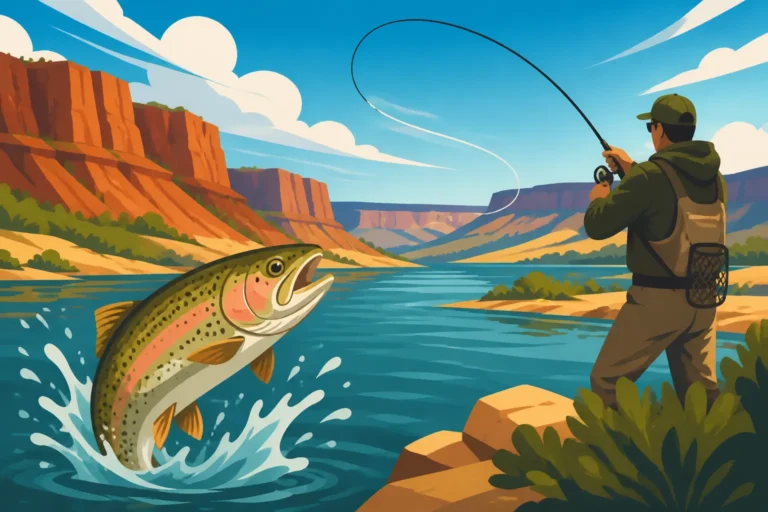
Before you even think about packing your tackle box, sit down and consider what kind of fishing truly excites you. Are you dreaming of casting dry flies to rising cutthroat trout in pristine mountain streams? Or is the thrill of battling a monster lake trout in a deep reservoir more your style? Perhaps you're chasing the elusive walleye, or hoping to introduce the kids to the joy of catching panfish. Wyoming has it all, but different regions specialize in different experiences.
For instance, if trophy trout on a fly rod is your absolute priority, places like the North Platte River are non-negotiable. If you're after massive lake trout, a trip to Flaming Gorge is essential. If solitude and high-alpine beauty are what you crave, the Wind River Range or other backcountry lakes will call your name, but remember these often involve significant hiking. Consider the time of year you're traveling as well, as Wyoming Fishing Seasons and Water-Specific Closures can heavily dictate what's open and what's fishing best. Some areas really shine in the spring and fall, while high-country lakes are typically only accessible in summer. Don't forget to factor in the type of license you'll need; Wyoming Resident vs Nonresident License Rules clarify different options for visitors.
It’s a good idea to identify one or two "must-do" fisheries and then build your route around them. Are you primarily a fly angler? Then the Snake River or North Platte might be your anchors. More into spin fishing from a boat? Flaming Gorge or Boysen Reservoir could be your main attractions. Having a clear focus will prevent you from trying to cram too much into one trip, leaving you exhausted and feeling like you missed out. Remember, quality over quantity is key on a Wyoming fishing road trip.
Essential Gear and Logistics for the Open Road
Once you've got a handle on your angling goals, it's time to think about the practicalities of a multi-day trip. Wyoming's weather can be famously unpredictable, even in summer, so packing layers is crucial. You might start your morning with frost on your tent and be stripping down to a t-shirt by afternoon. Rain gear, sturdy hiking boots, and a good wide-brimmed hat are non-negotiables.
For your fishing gear, consider the versatility. If you're targeting trout in rivers, a 5 or 6-weight fly rod is a great all-around choice. If you're mixing in some reservoir fishing, a medium-heavy spinning rod capable of throwing heavier lures will be invaluable. Don't forget all the terminal tackle appropriate for your chosen species – extra leaders, tippet, a wide selection of flies, lures, or bait. It's always better to overpack on tackle than to be caught short miles from the nearest fly shop. A reliable cooler, plenty of water, and non-perishable snacks are also crucial, as you'll often be far from services. For longer trips, especially into the backcountry, a comprehensive first-aid kit and emergency supplies are vital.
Another logistical point is accommodation. Will you be camping under the stars, staying in quaint lodges, or pulling your RV into a scenic campground? Many of Wyoming's best fishing spots are near fantastic camping opportunities, but they can fill up fast during peak season. Booking ahead, especially if you're traveling in July or August, is highly recommended. If you're looking for an easier approach, consider booking a guided trip on some of the more complex waters. Services like FishingBooker can help you find local guides for specific areas, taking the guesswork out of where to go and what to use, and often providing all the necessary gear. This can be a fantastic option, especially if you’re short on time or new to a particular fishery.
| Region | Primary Target Species | Key Fishing Spots | Best Season (General) | Notes |
|---|---|---|---|---|
| Western Wyoming | Cutthroat, Rainbow, Lake Trout | Snake River, Jackson Lake, Yellowstone Lake | Summer/Fall | Iconic scenery, can be crowded. Yellowstone has specific rules. |
| Central North Platte | Rainbow, Brown Trout | Miracle Mile, Gray Reef, Fremont Canyon | Year-round (tailwaters) | Famous for trophy trout, often requires specific techniques. |
| Southwest (Green/Gorge) | Lake Trout, Walleye, Brown, Kokanee | Flaming Gorge, Green River (below dam) | Spring/Fall/Ice | Diverse fishery, great for boaters, big lake trout. |
| High Country (Wind Rivers) | Golden, Brook, Cutthroat | Remote alpine lakes, smaller streams | Summer (short window) | Requires hiking, wilderness permits for some areas, solitude. |
| Northeast (Reservoirs) | Walleye, Crappie, Catfish | Keyhole Reservoir, Glendo Reservoir | Spring/Summer | Good warmwater options, often less crowded than western trout spots. |
Western Wyoming's Iconic Waters: Trout, Tetons, and Timeless Views
When most people picture Wyoming fishing, they're probably imagining the pristine waters of the western part of the state. This region is home to some of the most famous fisheries in the world, set against a backdrop of breathtaking scenery that includes the Grand Teton and Yellowstone National Parks. It’s a bucket-list destination for many anglers, and for good reason.
The Jackson Hole Corridor: Snake River and Grand Teton National Park
The Jackson Hole valley, nestled against the dramatic Teton Range, offers an unparalleled combination of scenery and world-class fishing. The undisputed star here is the Snake River. This iconic river is famous for its native Snake River Fine-Spotted Cutthroat Trout, a feisty and beautiful fish that eagerly rises to dry flies. A drift boat trip down the Snake is an experience in itself, allowing you to cover miles of diverse water, from riffles and runs to deep pools along undercut banks. Many anglers choose to hire a guide for their first Snake River experience, and reputable outfitters are plentiful in the area. These guides not only know the water intimately but also provide all the gear and local insights, making for a seamless and productive day on the water.
Beyond the main stem, the tributaries of the Snake and the lakes within Grand Teton National Park offer different opportunities. Jenny Lake, Leigh Lake, and String Lake offer quieter, often wade-fishing experiences for cutthroat and other trout species. Remember that Fishing Rules Inside Grand Teton National Park exist and must be followed carefully; these often include special regulations regarding bait, gear, and daily limits. The scenery alone is worth the trip, even if the fish are playing hard to get. Picture yourself casting a fly rod with the majestic Grand Teton towering over you – it’s the kind of moment that stays with you long after the trip is over. Access points for the Snake River are numerous, but knowing the best stretches for wade fishing versus float trips is key.
Yellowstone's Angling Opportunities (and Rules)
Just north of Grand Teton lies Yellowstone National Park, an angler's paradise with unique rules and incredible fishing. While famous for its geysers and wildlife, Yellowstone is also home to incredible native Yellowstone Cutthroat Trout fisheries. Yellowstone Lake is a massive body of water, offering chances for large cutthroat, though it's also a focal point for efforts to reduce invasive Lake Trout. Fishing the lake often involves trolling or boat fishing, and local guides are well-versed in the best techniques and regulations for Wyoming's Yellowstone Lake Fishing Guide.
The Yellowstone River itself, both inside and outside the park, provides diverse fly-fishing opportunities. Upstream from the falls, it’s a meandering meadow stream, perfect for dry flies in summer. Below the falls, it plunges into the Grand Canyon of the Yellowstone, a challenging but rewarding fishery for experienced anglers. It’s absolutely essential to be aware of and strictly adhere to Fishing Rules Inside Yellowstone National Park, which are incredibly specific and designed to protect the park's fragile ecosystem and native species. These rules cover everything from barbless hooks to bait restrictions and even specific seasonal closures for spawning fish. Fishing in Yellowstone is less about filling a creel and more about experiencing a truly wild, pristine environment.
Central and Southern Wyoming: River Runs and Reservoir Riches
Moving eastward and southward, Wyoming offers a different flavor of fishing, equally rewarding but with its own set of challenges and target species. This region is characterized by its powerful tailwater rivers and expansive reservoirs, providing a diverse angling landscape that draws devotees from across the country.
The North Platte River System: Miracle Mile to Gray Reef
The North Platte River is arguably Wyoming's most famous trout fishery, often mentioned in the same breath as the Bighorn or Green. This river system, particularly the stretches below Gray Reef Dam and Pathfinder Reservoir, is a blue-ribbon destination renowned for its incredible numbers of large rainbow and brown trout. The "Miracle Mile" (which is actually a 7-mile stretch of river between Seminoe and Pathfinder reservoirs) and the "Gray Reef" section (below Gray Reef Dam, downstream from Casper) are legendary.
These tailwaters provide consistent water temperatures and an abundance of aquatic insects, leading to year-round fishing opportunities. While the fishing can be fantastic, it's also incredibly popular, and you'll often see numerous drift boats on the water, especially during peak season. Wade access is available in many spots, but a float trip with a guide is a highly recommended way to experience the best of these waters. Guides, many of whom can be found through platforms like FishingBooker, know the subtle currents and productive runs that make these rivers so special. If you're planning a trip to this area, checking out a Wyoming's North Platte River Fishing Guide can provide invaluable insights into seasonal hatches, access points, and specific regulations. Be prepared for strong currents and changing weather, even in summer.
Flaming Gorge and Beyond: Walleye, Lake Trout, and Canyon Vistas
For those who love big water and a diversity of species, the southwest corner of Wyoming, particularly Flaming Gorge Reservoir, is a must-visit. This massive reservoir, straddling the Wyoming-Utah border, is famous for its trophy Lake Trout, powerful Walleye, and robust populations of Kokanee Salmon and Brown Trout. It's a completely different experience from the intimate trout streams of the west.
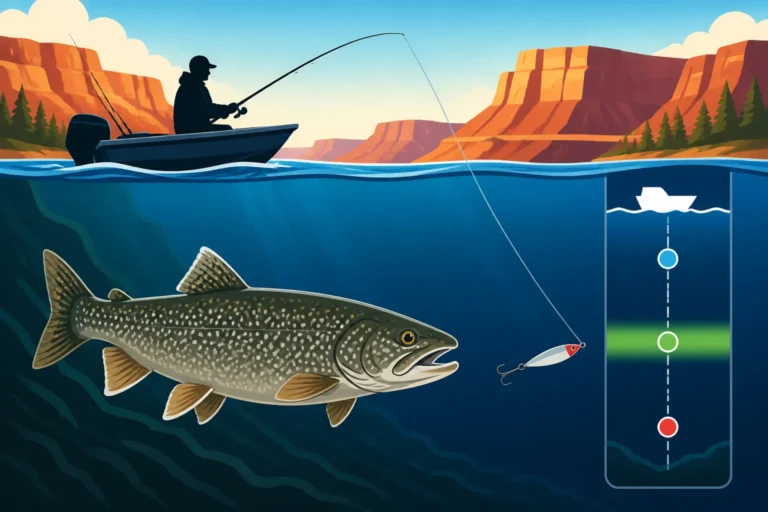
Here, boat fishing is king, with anglers often employing downriggers and specialized trolling setups to target fish suspended deep in the water column. The sheer size of Flaming Gorge means there's always a new cove or canyon arm to explore. While boat launches are plentiful, understanding the vastness and the unique fishing patterns of each species can be a learning curve. Many anglers hire specialized guides for Guided Lake Trout Trips at Wyoming's Flaming Gorge or Walleye trips to maximize their chances. The scenery, with its dramatic red rock cliffs and crystal-clear green water, is stunning in its own right. Beyond Flaming Gorge, the Green River below the dam offers fantastic tailwater fishing for various trout species, often with fewer crowds than the North Platte. It’s a good idea to research Wyoming's Flaming Gorge Reservoir Fishing Guide for detailed information on species, seasons, and access.
Northeast Wyoming and Beyond: Surprising Corners for Diverse Catches
While Western and Central Wyoming often steal the spotlight for trout, the eastern and northern parts of the state offer fantastic, often less-crowded, fishing opportunities, especially for warmwater species and unique high-country experiences. Don't overlook these hidden gems if you're looking for a change of pace on your road trip.
Keyhole Reservoir and Warmwater Wonders
Up in Northeast Wyoming, near the Black Hills, Keyhole Reservoir stands out as a prime destination for warmwater fishing. This large impoundment is well-known for its healthy populations of Walleye, Northern Pike, Crappie, and Smallmouth Bass. It offers a different kind of angling challenge and a welcome break from constant trout pursuits.
Keyhole is particularly popular with boat anglers who enjoy trolling for walleye or casting for aggressive pike and bass in the shallower bays and around submerged structures. Bank access is also available, making it a good family-friendly option. Unlike some of the high-elevation trout waters, Keyhole generally has a longer fishing season, often providing good action from early spring through late fall. Nearby Glendo Reservoir and Guernsey Reservoir also offer excellent warmwater fishing, with Glendo being particularly famous for its walleye and catfishing. These reservoirs are often less crowded than their western counterparts, offering a more relaxed angling experience. Before heading out, check the latest reports, as local conditions and patterns can change rapidly. Many of these lakes are great choices if you are looking for Best Wyoming Reservoirs for Trophy Fish beyond just trout.
High-Country Seclusion: The Wind River Range
For the truly adventurous angler seeking solitude and breathtaking wilderness, a detour into Wyoming's high country, particularly the Wind River Range, is an experience like no other. This vast, rugged mountain range is dotted with thousands of pristine alpine lakes and streams, many of which hold wild populations of Golden Trout, Brook Trout, Cutthroat Trout, and even Grayling.
Accessing these fisheries typically requires a significant hike, often involving backpacking several miles into the wilderness. But the reward is immense: untouched waters, eager fish that see few flies or lures, and unparalleled natural beauty. It’s not just a fishing trip; it’s a wilderness immersion. You’ll need to be self-sufficient and prepared for rapidly changing mountain weather. Learning How to Fish Wyoming's High-Alpine Lakes effectively involves different techniques, often focusing on lightweight gear and strategic presentations. While demanding, the sense of accomplishment from catching a vibrant golden trout in a lake above tree line is truly unforgettable. Remember to check wilderness permit requirements and practice strict Leave No Trace principles to preserve these fragile environments. If you're not an experienced backcountry adventurer, consider hiring a specialized guide for a multi-day pack trip to ensure safety and success in this remote, stunning landscape.
Disclaimer
Please note that fishing regulations in Wyoming can change. Always consult the most current Wyoming Game and Fish Department regulations booklet before heading out on your fishing trip to ensure compliance with all licensing, seasons, limits, and water-specific rules. This guide provides general information and should not be considered a substitute for official regulations.