Best Guided Trips for Trophy Trout in Wyoming
The dream of hooking into a truly monumental trout in Wyoming is a powerful one, often driving anglers from around the world to our stunning landscapes. But let's be honest, finding those elusive trophy fish isn't something you just stumble into; it takes intimate knowledge, specialized gear, and often, a hefty dose of local wisdom. This guide is all about helping you cut through the guesswork to discover the best guided trips designed specifically to put you face-to-face with the trophy trout of your dreams across Wyoming's incredible waters.
The Allure of Wyoming's Trophy Trout
There's a special kind of magic in the word "trophy" when it comes to fishing. It’s not just about the size on the tape measure, though that’s certainly part of it. It’s about the challenge, the anticipation, the sheer power of an old, wise fish, and the story you’ll tell for years to come. Wyoming offers up some of the most spectacular opportunities for these encounters, boasting a diverse range of waters and trout species that can grow to truly impressive proportions.
What Defines a "Trophy" in Wyoming Waters
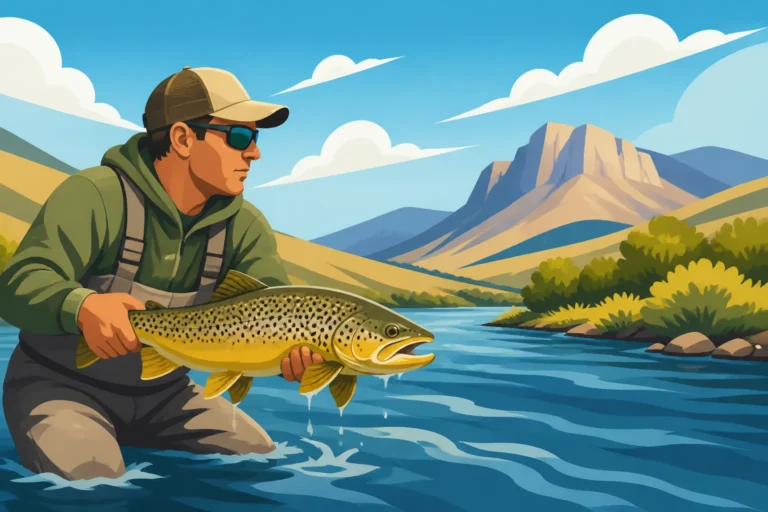
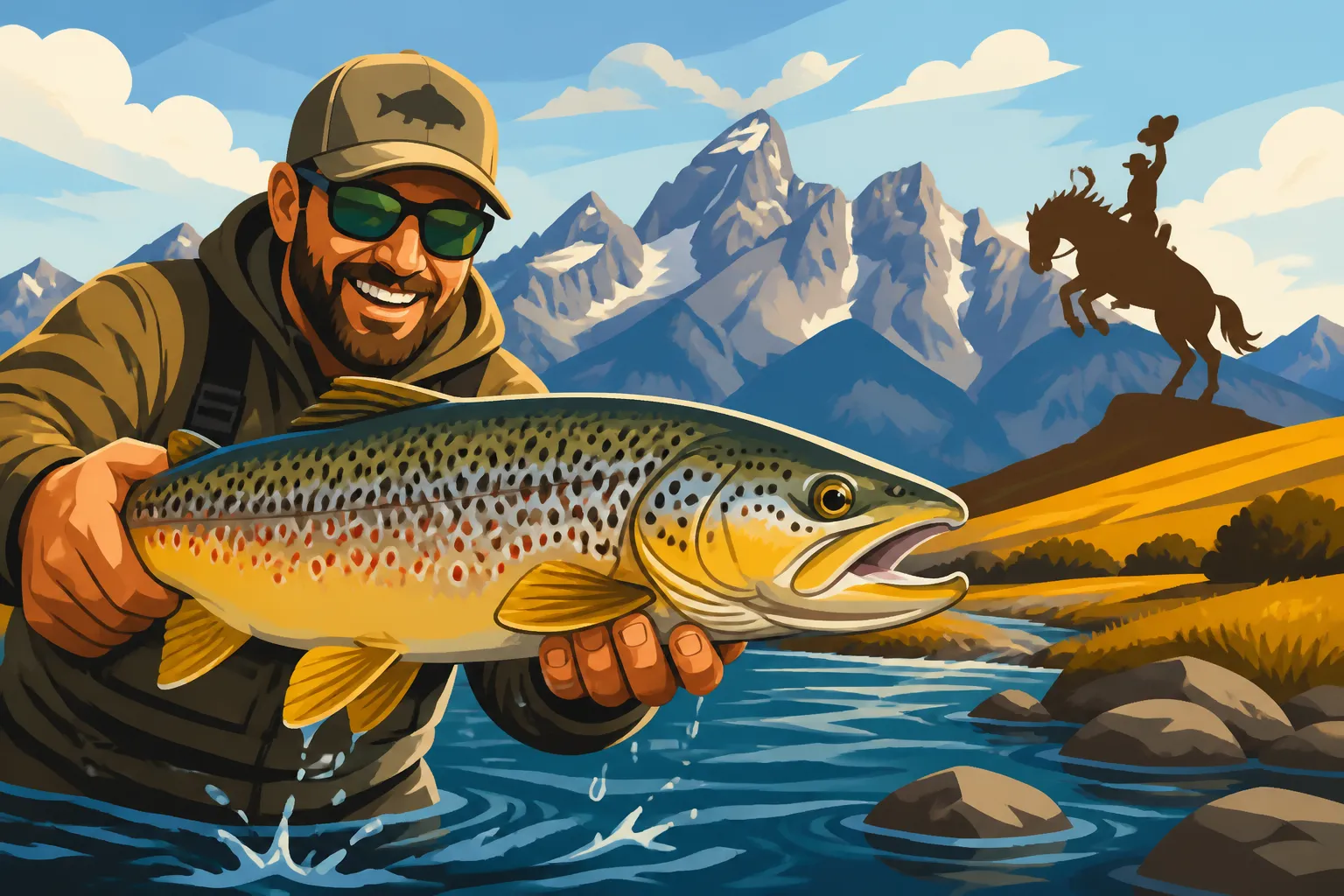
Defining a "trophy" trout isn't always about a hard-and-fast number; it often depends on the species and the specific water you're fishing. For many anglers targeting a brown trout, anything over 20 inches might start to raise eyebrows, while a 25-inch brown is unequivocally a fish of a lifetime in most streams. Rainbows and cutthroats can reach similar impressive lengths, especially in nutrient-rich rivers and lakes, with 20-plus inches being a truly memorable catch.
Lake trout, often called Mackinaw, are in a league of their own when it comes to size, with fish pushing into the 30-inch and even 40-inch range, and weights that can make your arms ache. A trophy lake trout is a true behemoth of the deep. Golden trout, found in our remote high-alpine lakes, are considered trophies even at much smaller sizes, perhaps 15-18 inches, simply because of their rarity, the stunning colors, and the monumental effort required to reach their pristine habitat. Each species brings its own unique challenge and reward to the trophy hunt.
Why a Guide is Essential for Trophy Hunts
Trying to land a trophy trout on your own in unfamiliar waters can feel like searching for a needle in a haystack—a very beautiful, very vast haystack. This is precisely where a seasoned Wyoming fishing guide becomes not just helpful, but truly essential. These professionals spend countless hours on the water, meticulously tracking fish movements, understanding seasonal changes, and pinpointing the exact lies where the biggest fish hold. They know the subtle nuances of water temperature, insect hatches, and barometric pressure that can trigger a trophy bite.
Beyond their intimate knowledge of the fish and the environment, guides provide access to specialized gear and techniques tailored for big fish. They're often equipped with heavier fly rods or robust spinning setups, larger nets, and a tackle box full of confidence patterns and lures that you might not even know exist. Moreover, a good guide isn't just a captain or a caster; they're a mentor, helping you refine your presentation, interpret subtle takes, and navigate the challenging fight of a powerful fish. Their expertise not only increases your chances of success but also significantly enhances the overall quality and safety of your angling adventure.
Top Wyoming Waters for Trophy Trout Guided Trips
Wyoming is blessed with an incredible array of fisheries, each offering a unique shot at a trophy. From freestone rivers to vast reservoirs and remote alpine lakes, understanding where different species thrive is key to planning your ultimate trophy hunt.
North Platte River: Browns and Rainbows
When people talk about trophy river fishing in Wyoming, the North Platte River almost always comes up. Specifically, the tailwater sections below our major dams, like the "Miracle Mile" and "Gray Reef," are world-renowned for their prolific populations of large rainbow and brown trout. These waters offer a consistent food source, allowing trout to grow to impressive sizes, with fish regularly caught in the 20-25 inch range. A guided trip here often involves float fishing from a drift boat, allowing you to cover miles of prime water and access spots that would be impossible from shore. Guides on the North Platte are masters of nymphing techniques, presenting multiple flies deep in the water column to imitate the abundant insect life. When the conditions are right, or during specific seasonal migrations, they might also employ large streamers, stripped aggressively to provoke a territorial strike from a giant brown trout. Wyoming's North Platte River Fishing Guide can give you even more insights into these famous waters.
Flaming Gorge Reservoir: Monster Lake Trout
For those who dream of battling a true freshwater leviathan, Flaming Gorge Reservoir, straddling the Wyoming-Utah border, is the ultimate destination. This immense body of water is famous for producing colossal lake trout, or Mackinaw, with fish regularly exceeding 20 pounds and occasionally much larger. Targeting these deep-dwelling giants requires specialized tactics, and this is where a guided trip truly shines. Guides typically use sophisticated electronics to locate deep structure, bait balls, and the immense shadows of cruising lake trout.
Trolling with downriggers and large spoons, or jigging heavy tube jigs and swimbaits in depths of 50 to 100 feet or more, are common methods. The best time to target these monsters often correlates with cooler water temperatures, pushing them shallower in spring and fall, but experienced guides know how to find them year-round. It's a game of patience and brute strength when you hook into one of these fish, and a guide will ensure you have the right gear and knowledge to land it. Learn more about this massive fishery in our Wyoming's Flaming Gorge Reservoir Fishing Guide.
Snake River and Jackson Hole: Cutthroat and Brown Trout
The Snake River in the iconic Jackson Hole valley offers a different flavor of trophy trout fishing, particularly known for its native Snake River Fine-Spotted Cutthroat Trout, but also holding impressive brown trout. While the average size here might be slightly smaller than the North Platte, the sheer beauty of the surroundings and the aggressive takes of these wild fish make it an unforgettable experience. A trophy here might be a thick 20-inch cutthroat that perfectly embodies the spirit of the West, or a predatory brown trout lurking in the undercut banks.
Guided float trips are the most popular way to fish the Snake, allowing anglers to cast dry flies, nymphs, and streamers to prime holding water. Fall is an exceptional time for brown trout, as they become more active and aggressive leading up to their spawn. Your guide will navigate the river, position the boat, and help you present flies to specific seams, eddies, and structure where these big fish feed. The opportunity to catch a truly wild, native trophy in such a stunning setting is unparalleled. Check out Wyoming's Snake River Fishing Guide for more details on this picturesque river.
High-Alpine Lakes: Golden and Cutthroat Trout
For the adventurous angler, Wyoming's high-alpine lakes, nestled deep within ranges like the Wind Rivers, Absarokas, and Tetons, offer a unique and arduous path to a trophy. Here, the target isn't necessarily size alone, but the rarity and challenge of catching a vibrant Golden Trout or a robust high-country Cutthroat in a truly remote setting. A "trophy" Golden Trout of 15-18 inches, with its striking colors, is a highly prized catch due to the limited number of waters they inhabit and the effort to reach them. Wyoming's High-Alpine Lakes Worth the Hike are treasures waiting to be discovered.
Guided trips to these remote lakes often involve multi-day pack trips with horses, or rigorous backpacking excursions. These guides are not only expert anglers but also seasoned backcountry specialists, capable of navigating wilderness, ensuring safety, and providing a comfortable camp. Fishing techniques can vary from light spin gear with small spoons and spinners to delicate fly fishing with small dry flies and nymphs, perfectly mimicking the sparse insect life. The reward is not just the fish, but the profound sense of accomplishment and solitude found in these pristine environments.
What to Look for in a Trophy Trout Guide
Choosing the right guide for a trophy hunt isn't like picking a guide for a casual day of catching panfish. You're looking for someone with a specific skillset, temperament, and dedication to the pursuit of truly exceptional fish.
Experience and Specialization
The most crucial factor is the guide's experience and, more importantly, their specialization in trophy trout. Some guides excel at putting clients on high numbers of average-sized fish, which is fantastic for many trips. However, for a trophy hunt, you need a guide who lives and breathes big fish. Ask about their personal bests, their clients' biggest catches, and how often they dedicate trips specifically to trophy hunting. A guide who frequently targets brown trout in Wyoming will have different expertise than one who primarily focuses on the native cutthroat population.
Look for guides who advertise their focus on particular species like Brown Trout Fishing in Wyoming or Lake Trout Mackinaw Fishing in Wyoming, and specific techniques associated with them. They should be able to articulate their strategy for finding and hooking large fish, which often involves more patience, larger offerings, and sometimes, slower fishing. Don't be afraid to ask direct questions about their success rate on big fish versus numbers. Remember, a trophy hunt isn't about catching 50 fish; it's about the one or two truly special ones.
Gear and Tactics
A guide serious about trophy trout will be equipped accordingly. This means heavier rods, stronger leader material, and specialized flies or lures designed to entice and handle large, powerful fish. For river fishing, expect to see heavier fly rods (6-8 weights), strong tippet, and an arsenal of large streamers and articulated flies. For reservoir lake trout, you'll want a guide with robust trolling setups, downriggers, and a deep understanding of sonar technology to pinpoint fish suspended in the deep.
Discuss their preferred tactics for your target species. Are they committed to throwing big streamers for browns all day, even if it means fewer bites, for the chance at a monster? Or are they inclined to switch to nymphs if the streamer bite is slow, prioritizing action over size? The best trophy guides will understand the balance and communicate it clearly, ensuring your expectations align with their approach. They should be willing to dedicate the time and effort required for that one big bite.
Reputation and Booking Platforms
In the world of guiding, reputation is everything. Word of mouth from other anglers is invaluable, so tap into online forums, social media groups, and fishing communities dedicated to Wyoming angling. Look for guides who consistently receive praise for their ability to locate and help clients land big fish, as well as for their professionalism and teaching skills. Online reviews on various platforms can offer great insights into a guide's style and success.
Using established booking platforms like FishingBooker can also be incredibly helpful. These platforms allow you to compare multiple guides in a region, read verified reviews, and often filter by specialization—helping you narrow down options to those known for trophy hunts. While FishingBooker can help you find guides, always follow up with direct communication to ensure they understand your specific goal of targeting trophy-sized fish and to confirm their expertise in that area. This direct conversation is key to setting expectations and finding the perfect match. Choosing the right guide is crucial, and our article How to Choose a Wyoming Fishing Guide offers even more advice.
Preparing for Your Trophy Trout Expedition
A trophy trout trip is an investment—in time, effort, and resources. Maximizing your chances means arriving prepared, both mentally and physically, and understanding the regulations designed to protect these magnificent fish.
Physical and Mental Readiness
Trophy hunting can be physically demanding. Long days on the water, battling wind, cold, or even intense sun are common. If you're float fishing, you might be standing and casting for hours. If you're targeting high-alpine goldens, a strenuous hike with elevation gain is part of the deal. Being in reasonable physical condition will allow you to focus on the fishing, not on your discomfort.
Mentally, patience is your greatest ally. Trophy fish are often wily and can be elusive. There will be slow periods, perhaps even entire days without that "big" bite. It's easy to get discouraged, but a positive attitude and persistent effort are crucial. Trust your guide, enjoy the stunning Wyoming scenery, and remember that the pursuit itself is a significant part of the experience. Managing expectations—knowing that success isn't guaranteed, but the adventure is—will make the journey far more enjoyable.
Licensing and Conservation
Before you even step foot in a drift boat or lace up your hiking boots, ensure you have the proper Wyoming fishing license and any required stamps. Most trophy trout waters fall under general regulations, but it's always wise to check for specific, water-body rules. For non-residents, an annual license or a multi-day option might be best, depending on the length of your trip. Don't forget the Wyoming Conservation Stamp, which is almost always required and helps fund vital wildlife management efforts. For detailed information, consult our Wyoming Fishing License Guide for Nonresidents and The Wyoming Conservation Stamp and What It Covers.
When targeting trophy fish, practicing exemplary catch-and-release techniques is paramount, especially for species like the native cutthroat or oversized brown trout. These older, larger fish are vital to the health of the fishery and often have special harvest restrictions. Your guide will demonstrate the best practices for quickly landing, carefully handling, and safely releasing these precious catches, minimizing stress and maximizing their survival. Understanding How Bag and Possession Limits Work in Wyoming is also crucial, as special size limits or catch-and-release only rules often apply to trophy-class fish on specific waters. Many guides on FishingBooker will specify their commitment to catch-and-release for trophy species.
Here's a quick comparison of some prime Wyoming waters for trophy trout:
| Water Body | Primary Target Species | Typical Trophy Size | Main Techniques | Best Season(s) | Unique Feature |
|---|---|---|---|---|---|
| North Platte River | Brown Trout, Rainbow Trout | 20-25+ inches | Nymphing, Streamers, Dry Flies | Year-round, Fall | Consistent large fish, excellent float fishing |
| Flaming Gorge Reservoir | Lake Trout (Mackinaw) | 30-40+ inches (20+ lbs) | Deep Trolling, Jigging | Spring, Fall, Ice | Monster lake trout, deep water challenge |
| Snake River | Snake River Cutthroat Trout, Brown Trout | 18-22+ inches | Dry Flies, Nymphs, Streamers | Summer, Fall | Native cutthroat, stunning scenery, float trips |
| High-Alpine Lakes | Golden Trout, Cutthroat Trout | 15-18+ inches | Light Spin, Small Flies | Summer, Early Fall | Remote wilderness, unique species, challenging access |
| Yellowstone Lake | Yellowstone Cutthroat Trout | 18-24+ inches | Trolling, Streamers | Summer, Fall | Native cutthroat, park regulations, iconic setting |
Disclaimer
This article is for general informational purposes only and does not constitute professional advice. Laws, prices and regulations vary by location and change over time. Consult a qualified professional for guidance on your specific situation.