Are Guides Required to Fish Inside Yellowstone National Park?
Planning a fishing trip to Yellowstone National Park often brings up a big question: do you have to hire a guide? Many anglers feel intimidated by the park's vastness and unique regulations, wondering if going solo is even allowed or truly feasible. This guide will demystify the rules around guided fishing in Yellowstone, clarifying when a guide is absolutely necessary, when they are highly recommended, and when you can confidently cast your line on your own.
The Core Rule: Guides Are Not Universally Required for Fishing in Yellowstone National Park
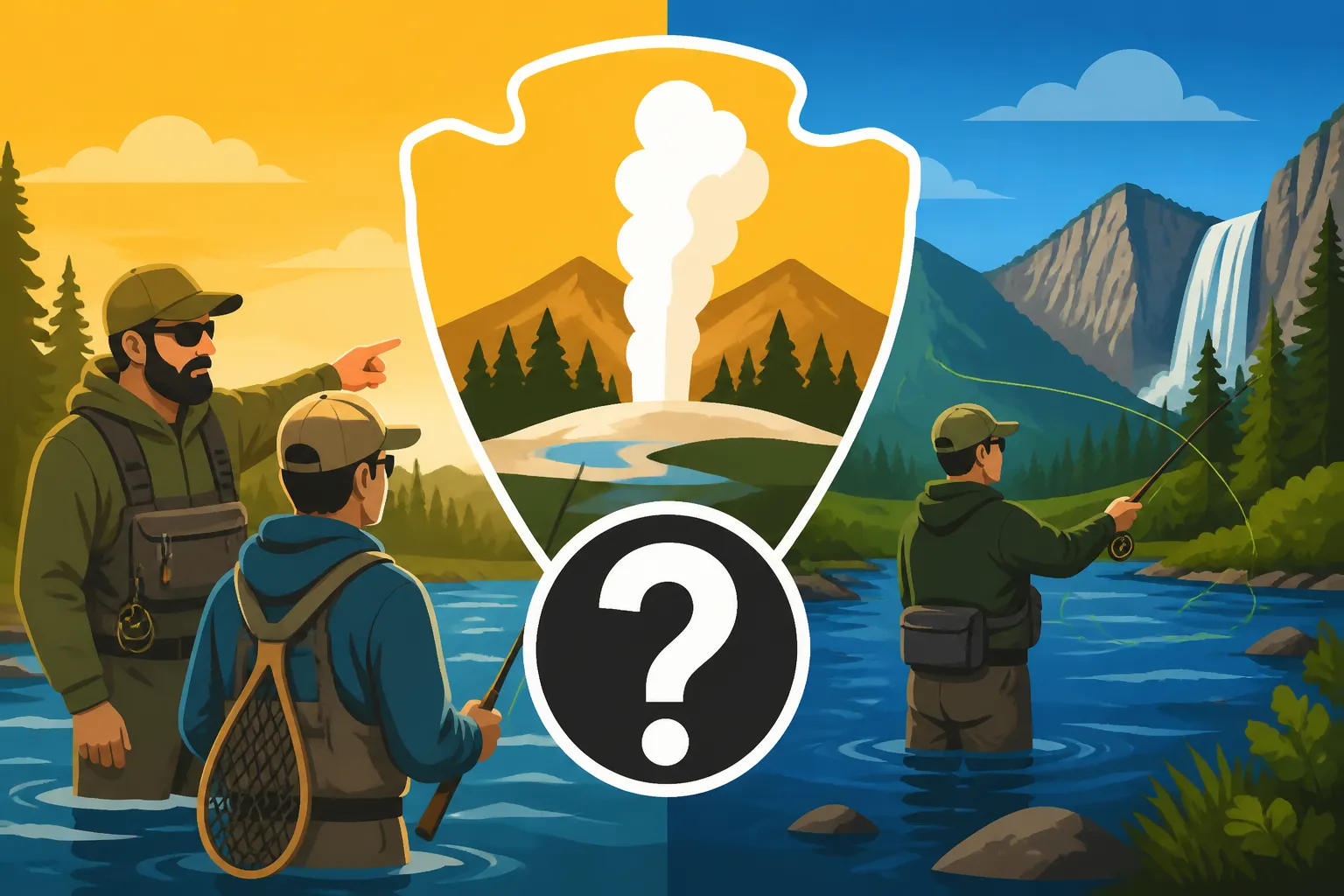
Let's get right to it: no, you are generally not required to hire a fishing guide to fish inside Yellowstone National Park. This is a common misconception, perhaps fueled by the sheer size of the park and the mystique of its legendary waters. For the vast majority of waters accessible to the public within Yellowstone, any angler with the proper Yellowstone National Park fishing permit can fish independently.
However, it's crucial to understand that "not required" doesn't mean "not recommended" in many situations. The park operates under its own specific set of rules, which are entirely separate from Wyoming state fishing regulations. You can't just show up with a Wyoming Fishing License Guide for Nonresidents and expect it to be valid; you'll need to purchase a specific Yellowstone fishing permit.
Understanding Yellowstone's Unique Regulatory Landscape
Yellowstone National Park is federal land, managed by the National Park Service, not the State of Wyoming (though parts of it lie within Wyoming, Montana, and Idaho). This means that all the rules, from licensing to catch limits and approved tackle, are set by the park service. This is a critical distinction, as many anglers accustomed to state regulations might find themselves caught off guard. For instance, while Wyoming has its own Wyoming Fishing Regulations Every Angler Should Know, Yellowstone has specific mandates often geared towards conservation of native species and unique ecosystems.
When you enter the park to fish, your primary document will be a Yellowstone National Park fishing permit. These permits are available for varying durations – typically 3-day, 7-day, or annual options – and can be purchased at most ranger stations, visitor centers, general stores, and authorized vendors both inside and just outside the park boundaries. Always keep this permit on your person while fishing, along with a valid photo ID, just as you would with a state license. The regulations within Yellowstone are often complex and water-specific, making it essential to obtain and thoroughly read the official Yellowstone National Park fishing regulations pamphlet, which is provided when you purchase your permit. This booklet outlines everything from season dates to special tackle restrictions on particular rivers or lakes. It also details special considerations for native trout species, like the Yellowstone Cutthroat Trout, which are the park's state fish.
When You Can Confidently Fish Solo (and How)
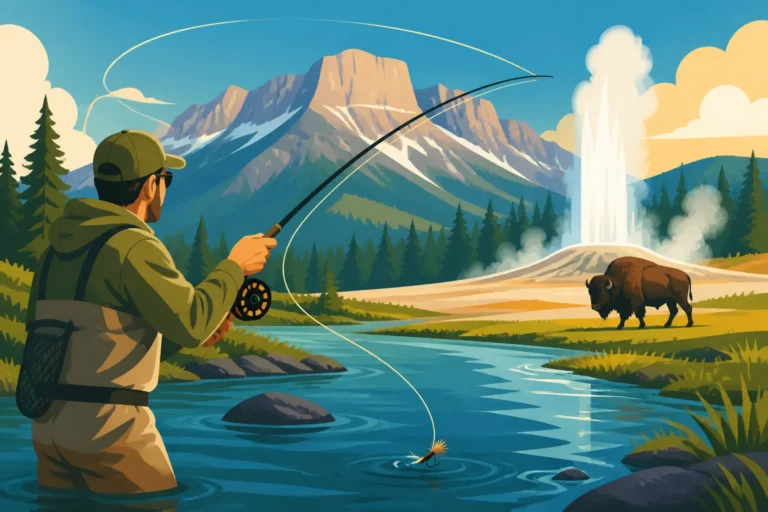
If you prefer the solitude and challenge of a self-guided adventure, Yellowstone offers countless opportunities. Many popular and easily accessible fishing spots on rivers like the Yellowstone, Lamar, and Slough Creek, as well as various smaller lakes and ponds, are perfectly suited for independent anglers. You can walk, wade, or even float (where allowed, with proper permits) to find your perfect spot.
To successfully fish solo, here's what you'll need:
- Yellowstone National Park Fishing Permit: As mentioned, this is non-negotiable.
- Current Regulations: Always have the most current Yellowstone fishing regulations booklet with you. Reading the Wyoming Fishing Regulations Booklet can give you an idea of how detailed these can be, but remember Yellowstone's will be distinct. Pay close attention to sections on bait restrictions, specific tackle, and any special closures or catch-and-release requirements for certain species or waters. For example, specific areas might require artificial lures only, or barbless hooks, or even have mandatory kill regulations for invasive species like lake trout in Yellowstone Lake.
- Basic Fishing Gear: A reliable rod and reel, appropriate line, and a selection of flies or lures suited for the park's trout species (cutthroat, rainbow, brown, brook). Many areas are fly-fishing only, so be prepared for that.
- Navigation and Safety: Bring maps, know how to use them, and be aware of your surroundings. Bear spray is highly recommended, and knowing how to use it is even more so. Cell service is spotty at best in many areas, so don't rely on your phone for navigation or emergencies.
- Respect for Wildlife and Environment: This is paramount in Yellowstone. Practice responsible angling, including proper catch-and-release techniques where required. Give wildlife, especially bears and bison, a wide berth.
Going solo offers immense freedom and a profound connection with the wilderness. You can explore at your own pace, linger in a promising riffle, or hike to a secluded alpine lake. However, it also places the full responsibility for your safety and adherence to regulations squarely on your shoulders. For some, especially those new to large wilderness areas or complex regulations, the peace of mind offered by a guide can be invaluable.
Situations Where a Guide Becomes Necessary or Highly Recommended
While a guide isn't legally mandated for every angler in Yellowstone, there are very specific circumstances where they are required, and many others where hiring one can dramatically improve your experience, safety, and success.
Commercial Services and Professional Operations
This is where the term "guide required" truly applies, but it's for the service provider, not the individual angler. If someone is operating a business that charges money for fishing services within Yellowstone National Park – whether it's leading a float trip, a wade trip, or even a hike to a remote lake – they must possess specific commercial use authorization permits from the National Park Service. Without these permits, their operation is illegal. This ensures that guides are properly insured, knowledgeable about park regulations, and held to a professional standard.
So, if you plan to book a guided trip through an outfitter or an individual professional guide, it's absolutely essential to ensure they are Licensed Outfitters for Yellowstone Fishing. You can usually verify this by asking the guide or outfitter directly for their NPS permit number, or by checking with the park's commercial services office. Platforms like FishingBooker can sometimes help by indicating guides that are properly licensed and vetted for specific locations, giving you a starting point for your research and helping you find a reputable guide for your Yellowstone adventure.
Navigating Remote Waters and Maximizing Success
Yellowstone is enormous, encompassing over 2.2 million acres. Its fishing waters range from easily accessible roadside stretches to remote backcountry lakes and rivers requiring multi-day hikes. For anglers looking to explore these more challenging or secluded areas, a guide is an invaluable asset. They bring not only intimate knowledge of the terrain and hidden fishing spots but also the logistical expertise to safely navigate the wilderness.
Imagine trying to reach some of the high-alpine lakes without local knowledge. A guide can significantly reduce the risks and guesswork involved in such treks. They understand seasonal changes, wildlife patterns, and the most productive areas at any given time. A good guide isn't just someone who knows where the fish are; they're also a seasoned backcountry expert.
For those targeting specific species, such as the elusive Golden Trout Fishing in Wyoming (found in some high-elevation lakes, though not widespread in YNP itself) or understanding the unique challenges of Lake Trout (Mackinaw) Fishing in Wyoming in Yellowstone Lake, a guide's specialized knowledge of techniques, bait, and fish behavior can make all the difference between a frustrating outing and a memorable success. They can teach you about Fly Fishing Techniques for Wyoming Trout Streams that are perfectly suited for Yellowstone's unique hatches and water conditions.
Accessing Specific Waters: When Boats or Specialized Gear Are Needed
Certain Yellowstone waters are best, or perhaps only, fished effectively with specific equipment that many anglers don't own or want to transport. Yellowstone Lake, for instance, is the largest high-altitude lake in North America. While there are some excellent shore fishing opportunities, especially around the West Thumb area, the sheer size of the lake means that accessing prime fishing grounds for certain species often requires a boat. If you don't have your own boat, or the means to launch it, a guided boat trip becomes the practical solution.
Guides often provide all the necessary gear, including specialized boats, fly rods, reels, and tackle. This is a huge benefit for travelers who don't want to haul their full fishing setup or for beginners who are just getting started. When looking for a guide, always inquire about what's included in the trip cost, such as rods, reels, flies, and waders. This information can often be found on a guide's profile on booking platforms or their own websites.
What to Look for in a Yellowstone Fishing Guide
Deciding to hire a guide can be a fantastic choice for a Yellowstone fishing adventure. But with many options out there, how do you pick the right one? It’s not just about finding someone who knows how to fish; it’s about finding someone who is legally operating, knowledgeable, and a good fit for your personal fishing goals.
Ensuring Proper Permits and Expertise
This cannot be stressed enough: always, always confirm that your chosen guide or outfitter holds the necessary commercial use authorization from the National Park Service. This is paramount for your safety, for the legality of the operation, and for supporting responsible tourism within the park. A reputable guide will be transparent about their credentials and happy to provide proof of their permits. Don't hesitate to ask! Many outfitters specialize in different areas of the park, so finding one that specifically operates within Yellowstone and understands its unique challenges is key. You can find more general guidance on Hiring a Fishing Guide in Wyoming but remember, Yellowstone has its own specific permit system.
Beyond the permits, look for guides with deep local knowledge of Yellowstone's waters. They should be intimately familiar with Fishing Rules Inside Yellowstone National Park, including specific regulations for different rivers, lakes, and species. An expert guide will know the best times of year, the current hatches, and the optimal techniques for fishing various areas. For example, some guides might specialize in the Firehole River, others on the Yellowstone River, and still others on larger waters like Yellowstone's Yellowstone Lake Fishing Guide. Their expertise should extend to general backcountry safety, wildlife encounters, and first aid.
Tailoring the Experience to Your Goals
Every angler has different aspirations for their trip. Are you a beginner hoping to catch your first trout? An experienced fly-fisher looking for a trophy What Fish Are in Yellowstone Lake cutthroat? Or perhaps you're simply hoping for a relaxing day on the water with a scenic backdrop? Discuss your goals openly with potential guides. A good guide will listen to your preferences and suggest a trip tailored to your skill level, desired catch, and overall experience.
Consider these factors when speaking with a guide:
- Skill Level: Do you need instruction, or just someone to put you on fish? Many guides are excellent teachers and patient with beginners.
- Target Species: Are you focused on catching native cutthroat, or do you want to participate in efforts to remove invasive lake trout from Yellowstone Lake? Wyoming's Lake Trout Removal Efforts in Yellowstone Lake is an ongoing program, and some guides specialize in these trips.
- Fishing Style: Do you prefer fly fishing, spin fishing, or a bit of both? Yellowstone has strict rules on bait, often requiring artificial lures and flies only. Make sure your guide can accommodate your preferred style within these regulations.
- Physical Demands: Are you looking for a challenging hike to a remote lake, or an easier wade trip near a road? Be honest about your physical capabilities.
Platforms like FishingBooker allow you to filter guides by species, fishing style, and even trip duration, making it easier to find someone who aligns with your specific vision for a Yellowstone adventure. This helps you narrow down options to guides who genuinely offer the experience you're seeking.
Booking and Preparation
Once you've chosen a guide, book your trip well in advance, especially if you're planning to visit during peak season (summer and early fall). Popular guides and prime dates can fill up quickly. Before your trip, confirm all the details, including meeting points, what to bring, and what your guide will provide.
Generally, your guide will provide rods, reels, and tackle, but it’s always good to double-check. They might recommend specific clothing layers, rain gear, sun protection, and a hat. Don't forget your Yellowstone fishing permit and photo ID! Your guide can't purchase the park's specific fishing permit for you, so make sure you have it sorted before you meet up. For more general advice, you can consult resources on What to Bring on a Guided Wyoming Fishing Trip, keeping in mind the specific Yellowstone regulations.
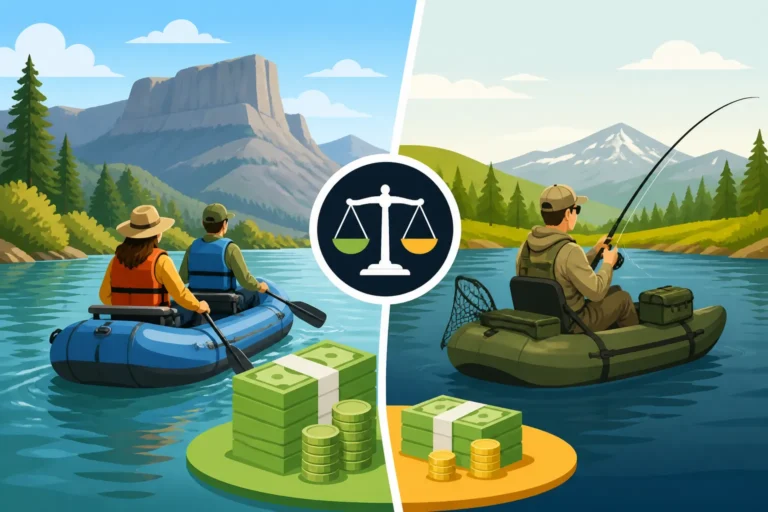
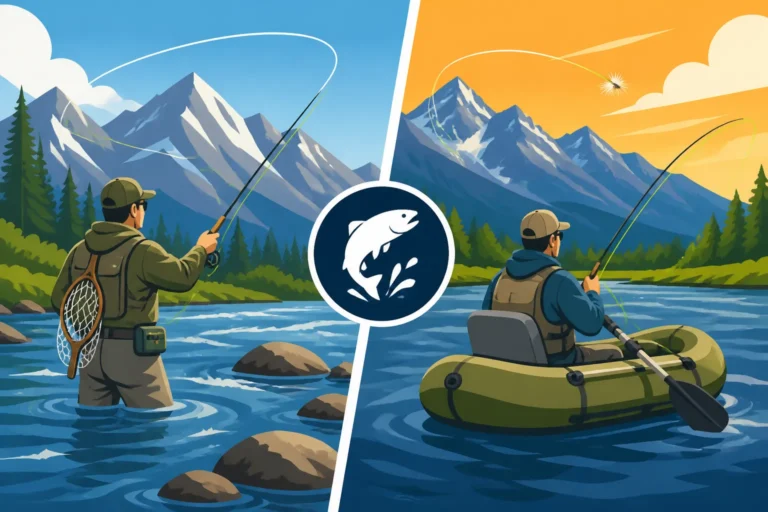
Here's a quick comparison of what to expect from self-guided vs. professionally guided trips within Yellowstone:
| Feature | Self-Guided Trip (Yellowstone) | Professionally Guided Trip (Yellowstone) |
|---|---|---|
| Permit Req. | Yellowstone National Park fishing permit required. | Yellowstone National Park fishing permit required for angler. |
| Guide Req. | No guide required. | Guide required to hold NPS commercial use authorization. |
| Cost | Permit fee, personal gear, travel, food. | Guide fee, permit fee, often includes gear, lunch, expert instruction. |
| Expertise | Relies on personal research, experience, and reading regulations. | Guide provides deep local knowledge of spots, techniques, and regulations. |
| Gear | Must provide all your own gear. | Guide typically provides rods, reels, flies/lures, and sometimes waders. |
| Access | Limited by personal knowledge, vehicle, and physical ability. | Guide often provides specialized transport (boat, raft, 4×4) and access. |
| Safety | Full personal responsibility for navigation, wildlife, emergencies. | Guide offers professional safety measures, first aid, and wildlife experience. |
| Learning | Self-taught or prior knowledge. | Direct instruction on casting, presentation, entomology, and water reading. |
| Flexibility | Maximize personal freedom, pace, and exploration. | Follows guide's itinerary, but often customizable to client's goals. |
Ultimately, the choice to fish with or without a guide in Yellowstone National Park depends on your experience, comfort level, budget, and desired adventure. While not legally required for every angler, a Yellowstone-approved guide can turn a good fishing trip into an unforgettable, educational, and highly successful wilderness experience. Whether you choose to go solo and explore the Best Fishing Spots Inside Yellowstone National Park on your own or entrust your day to an experienced professional, always prioritize safety, adhere to regulations, and cherish the incredible opportunity to fish in one of the world's most iconic landscapes. For more on finding the right professional, check out How to Find a Licensed Outfitter for Yellowstone.
Disclaimer
This article is for general informational purposes only and does not constitute professional advice. Laws, prices and regulations vary by location and change over time. Consult a qualified professional for guidance on your specific situation.