Booking a Guide During Wyoming’s Peak Season
Ah, the dream of fishing in Wyoming during its peak season! We all picture ourselves standing in a pristine river, casting to hungry trout under a warm summer sun or amid the vibrant hues of autumn. But the reality can often hit you like a cold splash of river water: everyone else has the same dream, and finding a quality fishing guide when demand is at its highest can feel like trying to land a trophy brown on a broken leader. This guide is here to walk you through the nuances of Wyoming's peak fishing seasons, the real challenges of securing a guide during these bustling times, and practical strategies to ensure you hook that dream trip, rather than just frustration.
Understanding Wyoming's Peak Fishing Season
Wyoming's fishing landscape is incredibly diverse, offering everything from serene high-alpine lakes to world-renowned trout rivers. However, this very diversity means that "peak season" isn't a single, fixed point on the calendar. It shifts depending on the specific waters you're targeting and the species you're chasing. Understanding these subtle variations is your first step in successfully planning your trip.
When the Crowds Descend: Identifying Peak Times
Generally speaking, the most intense peak season for fishing in Wyoming runs from late spring through early fall, roughly May through October. Summer, particularly July and August, sees the highest concentration of visitors, not just anglers, but also families enjoying the national parks and outdoor enthusiasts recreating across the state. During these months, the weather is typically glorious, snowmelt has subsided, and trout are actively feeding, making for prime conditions across most waters. Rivers like the North Platte, Green River, and Snake River become buzzing hubs of activity.
As autumn approaches, from September into October, a different kind of peak emerges, driven by the spectacle of brown trout spawning runs and the vibrant fall foliage. This is when anglers flock to specific rivers and their tailwaters for a chance at truly massive fish. The weather can still be incredibly pleasant, with crisp mornings and warm afternoons, creating ideal conditions for both wading and float trips. High-alpine lakes, on the other hand, have a much shorter peak, usually from late June after ice-out until the first heavy snows of September or early October. Each period offers unique rewards, but also presents its own set of logistical challenges, particularly if you're hoping to secure the services of a top-tier guide.
Why Peak Season is Both a Blessing and a Curse
There’s a reason these periods are called "peak season"—they often represent the best conditions for fishing. The waters are typically at optimal temperatures, insect hatches are abundant, and fish are generally more active and willing to bite. The sheer beauty of Wyoming's landscape during these times, whether it's the lush greens of summer or the fiery reds and golds of autumn, adds immensely to the overall experience. Imagine floating down a river, the sun warming your face, and a hungry trout rising to your dry fly – it’s the stuff of angler dreams.
However, this popularity comes at a cost. The blessing of optimal conditions is often cursed by the sheer volume of people. Popular access points can be crowded, boats might line up at ramps, and finding solitude on the water can be a challenge. For those relying on guides, the biggest downside is the extremely limited availability. Guides often book up months, if not a year, in advance for prime dates, and prices naturally reflect this high demand. If you're not planning ahead, you might find yourself scrambling for a last-minute cancellation or settling for a less experienced guide.
The Challenges of Booking a Guide During Peak Season
When the fish are biting and the weather is perfect, it seems like everyone wants to be on the water. This surge in demand creates a unique set of challenges for anglers hoping to book a guided trip in Wyoming, turning what should be an exciting planning process into a competitive sport in itself. Understanding these hurdles is crucial for navigating the booking landscape successfully.
Availability Scarcity: The Race to Book
The most significant challenge you'll face is guide availability, or lack thereof. Wyoming's most sought-after rivers, like the Miracle Mile stretch of the North Platte River or the famous waters of the Snake River near Jackson Hole, attract anglers from all over the world. The best guides, with their years of local knowledge, proven track records, and engaging personalities, are typically booked solid for months—sometimes even a full year—in advance. If you decide in May that you want to fish the North Platte in July, you’ll likely find that most of the prime weekend dates are already gone.
This scarcity means that if you have specific dates in mind, especially over weekends or during major holidays, you absolutely cannot procrastinate. It's not uncommon for dedicated anglers to re-book their guide for the following year immediately after their current trip concludes, essentially creating a perpetual booking cycle. This makes it a true race for those coveted spots, requiring foresight and swift action on your part. While there are many excellent guides across the state, the truly exceptional ones operate on a first-come, first-served basis, and those "firsts" are happening further and further in advance. You might find yourself needing to be flexible with your dates or even your target waters if your heart is set on a particular guide.
Price Considerations and Demand
Just like any high-demand service, the cost of a guided fishing trip in Wyoming can reflect the intense interest during peak season. While specific rates are something you'll need to check directly with individual outfitters, it's generally true that prime-time bookings will be at the standard, non-discounted rates. Don't expect any last-minute deals or off-season price breaks when the phones are ringing off the hook. Guides and outfitters are running a business, and during their busiest periods, they're simply not incentivized to offer reduced rates.
The cost typically covers not just the guide's expertise, but also their boat, gear, flies, and often lunch and drinks for a full day. While it might seem like a significant outlay, consider it an investment in maximizing your chances of success and enjoyment, especially if you're traveling a long distance to experience Wyoming's legendary fisheries. It's important to budget accordingly and factor in potential tips for your guide, as tipping is customary in the guiding industry for good service. If you're keen on understanding the financial commitment, researching What a Guided Wyoming Fishing Trip Costs is a good preparatory step.
Finding Reputable Guides Amidst High Demand
With so many people seeking guided trips, a secondary challenge arises: how do you ensure you're booking a reputable and licensed guide? Unfortunately, the demand can sometimes attract less experienced or even unlicensed individuals trying to capitalize on the boom. It's absolutely crucial to do your homework. A legitimate guide or outfitter in Wyoming will hold the necessary permits and licenses from the Wyoming Game and Fish Department, and potentially additional permits if operating on federal lands, such as in national forests or national parks like Grand Teton.
Always ask about a guide's licensing and insurance. Reputable outfitters will be transparent about this and proud to show their credentials. Online reviews, word-of-mouth recommendations, and referrals from local fly shops are invaluable resources for vetting potential guides. Platforms like FishingBooker can also be incredibly helpful here, as they often feature verified guides with customer reviews and clear indications of their licensing, helping you confidently select a professional even when options seem limited. Ensuring you're with a qualified professional not only enhances your safety but significantly improves your overall fishing experience.
Strategies for Securing Your Peak Season Guide
Alright, now that we've laid out the challenges, let's talk solutions. Don't throw in your waders just yet! With a little planning and savvy, you can absolutely secure that coveted guided trip during Wyoming's bustling peak season. It just requires a proactive approach and some flexibility.
Booking Far in Advance: The Golden Rule
This cannot be stressed enough: if you have specific dates in mind, especially for popular weekends or during prime hatches, you must book your guide as far in advance as humanly possible. We're talking months, often even a full year ahead, particularly for the most sought-after guides on rivers like the North Platte or the Snake. Think of it like booking a popular concert or a flight during the holidays—the best seats go first, and they go fast.
Many experienced anglers will re-book their preferred guide for the next year immediately after finishing their current trip. This perpetual booking cycle is why prime slots disappear so quickly. If you're planning a trip for July of next year, start making calls and sending emails this fall. Don't wait until spring, or you'll likely be relegated to whatever scraps are left. This foresight is the single most effective strategy for securing the guide and dates you truly want. Having your Wyoming Fishing License Guide for Nonresidents or Wyoming Resident vs Nonresident License Rules figured out early can also help streamline the booking process once you've secured your guide, as many outfitters will ask about your license status.
Leveraging Online Platforms and Directories
In today's digital age, you have powerful tools at your fingertips to aid in your search. Online platforms and specialized booking sites can be incredibly beneficial, especially when you're trying to compare guides, check availability, and read reviews all in one place. Services like FishingBooker, for instance, consolidate information from numerous licensed guides and outfitters across Wyoming. You can often filter by location, target species, type of trip (float vs. wade), and even specific dates, giving you a much clearer picture of who is available and what they offer.
These platforms often provide detailed profiles for each guide, showcasing their experience, fishing photos, and, crucially, reviews from past clients. This allows you to vet guides remotely and make an informed decision, even if you’re planning from across the country. Plus, the convenience of online booking means you can often reserve your spot with just a few clicks, making that early bird strategy even easier to execute. Don't underestimate the power of these resources to connect you with legitimate and highly-rated guides when time and availability are precious commodities.
Considering Weekdays or Shoulder Season Opportunities
If your ideal dates are already booked solid, don't despair! A little flexibility can open up a world of possibilities. Consider booking your trip during weekdays rather than weekends. Most people plan their vacations around weekends, making Monday through Thursday slots much less competitive. You might find that your dream guide suddenly has availability on a Tuesday when they were completely booked for the prior Saturday.
Another excellent strategy is to aim for the "shoulder seasons" – the periods immediately before and after the absolute peak. For many waters, this might mean late May/early June or late October. While the weather can be a bit more unpredictable, these times often offer fantastic fishing with significantly fewer crowds. Fish are still active, and guides aren't as swamped, potentially leading to a more relaxed and personalized experience. Sometimes, the best fishing in Wyoming actually occurs during these less-trafficked times, offering a unique opportunity to experience a more tranquil side of the state's renowned fisheries.
What to Expect and Prepare For
Once you've navigated the peak season booking maze and successfully secured your guide, the excitement really begins! But before you hit the water, a little preparation on your part can make all the difference in ensuring a smooth, enjoyable, and productive trip. Knowing what to ask and what to bring will set you up for success.
Essential Questions to Ask Before Booking
When you’re talking to a potential guide or outfitter, treat it like a mini-interview. Don't be shy about asking questions—a professional guide will appreciate your thoroughness. Here are some key things to inquire about:
- What’s Included? Clarify exactly what the trip price covers. Does it include flies, tackle, waders, boots, lunch, drinks, or will you need to bring some of your own? Some guides offer all-inclusive packages, while others expect you to come equipped.
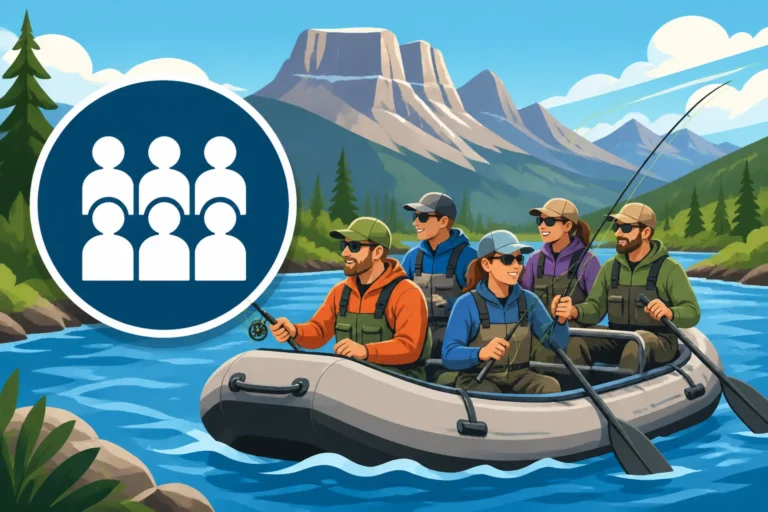
- Group Size and Boat Capacity: If you’re fishing with friends or family, confirm the maximum number of anglers per guide/boat. This is especially important for float trips on rivers like the Snake or North Platte.
- Cancellation Policy: Life happens. Understand their policy regarding cancellations due to weather, personal emergencies, or other unforeseen circumstances. This is critical, particularly for trips booked far in advance.
- License Requirements: While a guide can’t sell you a license on the spot (you need to buy it from Wyoming Game and Fish or an authorized vendor), they should be able to confirm what type of license you'll need. Make sure you understand Do You Need Your Own Fishing License for a Guided Trip? and have it purchased before your trip date.
- Target Species and Techniques: Discuss your preferences. Are you set on fly fishing for trophy brown trout, or are you open to spin fishing for walleye? A good guide will try to tailor the trip to your interests and skill level.
- Meet-Up Logistics: Where and when do you meet? Is transportation to the river included, or do you drive separately? Knowing these details upfront prevents any confusion on the morning of your trip.
A thorough conversation ensures there are no surprises and that both you and your guide are on the same page for a fantastic day on the water.
Preparing for Your Guided Trip
Once your trip is booked, it's time to get ready. Your guide will likely provide specific recommendations, but here’s a general checklist of items to consider:
- Fishing License and Conservation Stamp: This is non-negotiable! You absolutely need a valid Wyoming fishing license and, for most licenses, a Conservation Stamp. Make sure you understand Wyoming Fishing Regulations Every Angler Should Know and have these purchased and readily available (either physically or digitally on your phone, if permitted) before your trip begins. Don't forget to confirm Who Needs Wyoming's Conservation Stamp with your guide.
- Appropriate Clothing: Dress in layers, regardless of the season. Wyoming weather can change rapidly, even during peak summer. Quick-dry materials are best. A good rain jacket is essential, even if the forecast looks clear. Sun protection (hat, sunglasses, sunscreen) is also critical.
- Footwear: If you're wading, ensure your wading boots are comfortable and provide good ankle support. For float trips, sturdy waterproof shoes that can get wet are often ideal.
- Personal Gear: Bring a small backpack with water, snacks (even if lunch is provided, it's good to have extras), any personal medications, a camera, and a small towel.
- Tipping Etiquette: It’s customary to tip your guide at the end of a successful trip. The amount can vary, but generally, 15-20% of the trip cost is a good guideline. Have cash on hand for this if possible. Learning more about Tipping Etiquette for Wyoming Fishing Guides can help you prepare.
- Mindset: Come with an open mind and a willingness to learn. Even if you're an experienced angler, a local guide will have insights into the specific waters you're fishing that can significantly improve your success. Be ready for early mornings and potentially long days, but most importantly, be ready to have fun!
By taking the time to prepare thoroughly, you'll maximize your chances of a truly memorable and successful fishing adventure in Wyoming.
Alternatives to Traditional Peak Season Booking
Let's face it, sometimes despite our best efforts, that prime guide or perfect date just isn't available during peak season. But don't let that deter you from experiencing Wyoming's incredible fishing! There are fantastic alternative approaches that can still lead to a rewarding and unforgettable angling adventure, often with the added bonus of fewer crowds and a more intimate connection with the landscape.
Exploring Less-Frequented Waters
While the famous "blue ribbon" rivers draw significant attention, Wyoming is a vast state crisscrossed by countless smaller streams, lesser-known reservoirs, and hidden high-alpine lakes. Many of these waters hold healthy populations of trout and other game fish but simply don't receive the same angling pressure as the marquee destinations. For example, while the North Platte is a household name, there are numerous smaller tributaries and feeder streams that can offer excellent wading opportunities. Similarly, beyond the widely publicized Flaming Gorge or Jackson Lake, smaller reservoirs and mountain lakes can provide fantastic action.
These less-frequented waters often require a bit more legwork – a good map, perhaps a hike, or simply a willingness to explore. They might not offer the same "trophy potential" as some of the renowned spots, but they can provide incredible solitude and the genuine satisfaction of discovering your own secret honey hole. Local tackle shops are often a treasure trove of information about these overlooked gems. Don't be afraid to ask for advice on "where to fish without the crowds." Sometimes, the best fishing memories are made off the beaten path, far from the drift boat parade. You might even find that some guides are willing to take you to these more secluded spots, offering a unique experience.
Self-Guided Trips with Local Knowledge
For the adventurous angler, a self-guided trip can be an incredibly rewarding experience, especially if you're comfortable with planning and navigation. While you won't have a guide directing your every cast, you can still leverage local knowledge to significantly boost your success. Start by thoroughly researching the specific regulations for the waters you plan to fish, perhaps by reviewing Reading the Wyoming Fishing Regulations Booklet. Understanding Wyoming Fishing Seasons and Water-Specific Closures will be vital for planning.
Before your trip, spend time studying maps (both paper and digital), noting public access points, campgrounds, and potential stretches of water. Satellite imagery can often reveal hidden riffles, pools, and bends that might hold fish. Once you arrive, a visit to a local fly or tackle shop is paramount. These shops are staffed by local experts who can provide invaluable, up-to-the-minute information on river conditions, recent hatches, effective flies or lures, and general areas that are fishing well. They might even be able to point you toward lesser-known public access points.
Guided vs. Self-Guided: Peak Season Fishing
| Feature | Guided Trip (Peak Season) | Self-Guided Trip (Peak Season) |
|---|---|---|
| Availability | Extremely limited, requires booking months/year in advance | High, limited only by your own planning & access |
| Cost | Higher, premium rates due to demand; includes guide, gear, etc. | Lower initial cost; relies on your own gear, transport, food |
| Expertise | Unparalleled local knowledge, proven techniques, safety | Relies on your research, experience, and local shop advice |
| Equipment | Typically provided (rods, reels, flies, boat) | Requires your own gear and transport |
| Crowds | Guide navigates crowds, often takes you to less-pressured spots | You manage crowds, may need to seek out remote areas |
| Learning Curve | Excellent for learning specific water, techniques, fish behavior | Great for developing independent angling skills and exploration |
| Success Rate | Generally higher due to guide's experience and knowledge | Varies greatly based on preparation and skill |
| Flexibility | Fixed dates/times; guide may offer alternatives if booked | High flexibility in terms of where/when you fish |
Remember, even if you’re going solo, always let someone know your float plan or hiking route, especially if you're heading into the backcountry. Safety first, even when chasing solitude.
Making the Most of Your Peak Season Experience
So, you've secured your guide, packed your bags, and you're ready to experience Wyoming's peak season fishing. The hard part of booking is over, but now it's about maximizing your time on the water, regardless of the conditions or the crowds. A successful trip isn't just about catching fish; it's about the entire experience, from the breathtaking scenery to the lessons learned.
Flexibility and Open-Mindedness
While you might have your heart set on catching a specific species or fishing a particular stretch of river, approaching your peak season trip with flexibility can significantly enhance your enjoyment. River conditions change. Hatches can be unpredictable. And yes, other anglers will be out there. A good guide will always work to put you on fish, but sometimes that means adjusting the game plan.
Perhaps the trout aren't biting in the riffles today, but a change of tactics to nymphing deep pools pays off. Or maybe your guide suggests moving to a different section of the river, or even a different body of water entirely, because conditions are more favorable there. Be open to these suggestions. Trust your guide's expertise; they are on the water constantly and know its moods. Being adaptable can turn a potentially slow day into a memorable one, where you learn new techniques or discover a new favorite spot you hadn't even considered. It’s also wise to remember that fishing is called fishing, not catching, and even the best guides can’t control Mother Nature or the fish’s appetite!
Respecting Other Anglers and the Environment
Peak season means more people, and with more people comes the increased importance of practicing good etiquette and respecting the environment. Wyoming is a treasure, and it's up to all of us to keep it that way.
- River Etiquette: On crowded rivers, be mindful of other anglers. Give them plenty of space, especially if they are wading. Avoid "hopping" into a spot right above or below someone. If you're floating, try not to anchor or stop in prime fishing lanes for extended periods if other boats are waiting to pass. A simple wave or friendly greeting goes a long way.
- Leave No Trace: This principle is paramount. Pack out everything you pack in—and then some. Pick up any stray line, wrappers, or trash you might encounter, even if it's not yours. Avoid trampling vegetation along riverbanks. If you need to relieve yourself, do so far from the water and dig a cathole.
- Fish Handling: Practice proper catch-and-release techniques, especially for vulnerable species or if you're not planning to keep your catch. Wet your hands before handling fish, minimize their time out of the water, and support them gently. Your guide will demonstrate the best practices for the species and conditions. Reviewing Catch-and-Release Rules on Wyoming Waters can be helpful.
- Wildlife: You're sharing the landscape with incredible wildlife, from moose and elk to eagles and bears. Observe them from a respectful distance and never disturb them. Keep food secured in bear country.
By being a considerate and responsible angler, you not only ensure your own positive experience but contribute to preserving Wyoming's fisheries and natural beauty for generations to come. It's a small price to pay for the privilege of fishing in such an extraordinary place.
Disclaimer
This article is for general informational purposes only and does not constitute professional advice. Laws, prices and regulations vary by location and change over time. Consult a qualified professional for guidance on your specific situation.