How Water Temperature Affects Trout Feeding
Trout metabolism and feeding behavior depend entirely on water temperature changes, dictating when fish actively feed or seek survival refuge.
Match the method to the moment.
Seasonal patterns, proven tactics, rigging and presentation basics, bait choices, and how to adapt as conditions change.
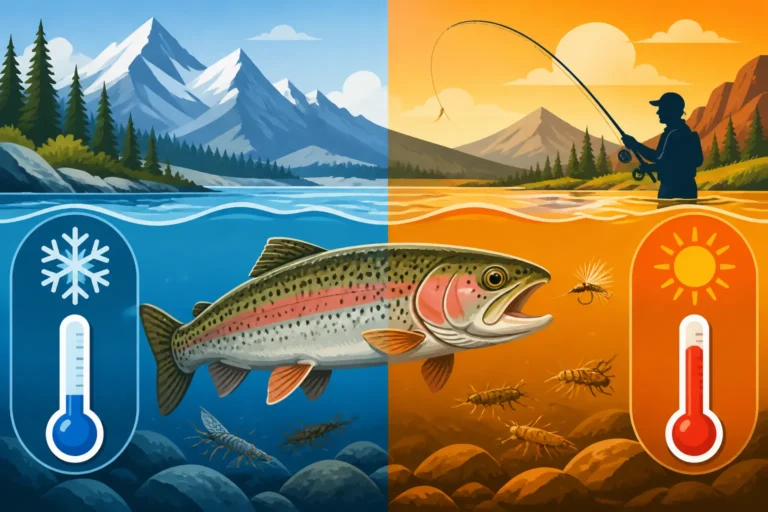
Trout metabolism and feeding behavior depend entirely on water temperature changes, dictating when fish actively feed or seek survival refuge.

Wyoming trout fishing success during July and August heat waves requires targeting cold water species when water stays below 68 degrees.

Wyoming stream fishing after a rainstorm reveals how turbidity, flow changes, and dislodged food create productive trout conditions.

Wyoming river fishing during spring runoff and heavy rain requires gear and technique adjustments for trout success.

Wyoming snowmelt runoff creates muddy river conditions, but specific gear and tactical adjustments help anglers catch trout.
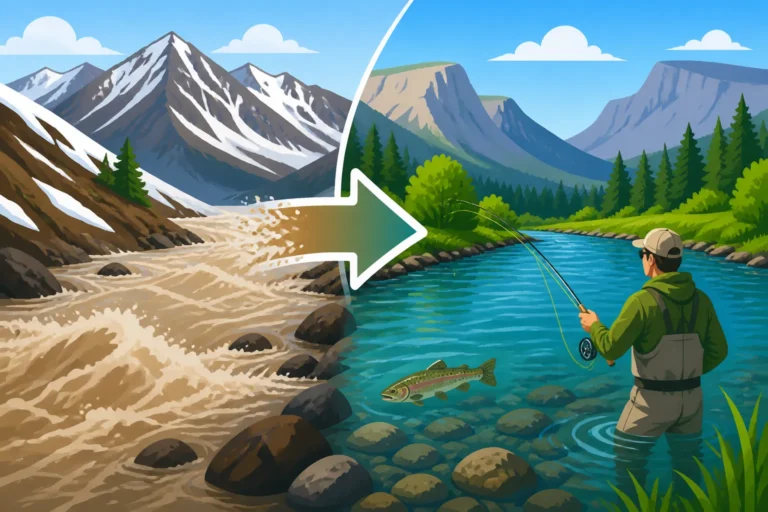
Wyoming river runoff usually peaks from late May through mid-June, while most trout streams clear between late June and early July.

Wyoming river runoff challenges anglers with murky water, but mountain snowmelt also creates unique fishing opportunities and feeding habits.
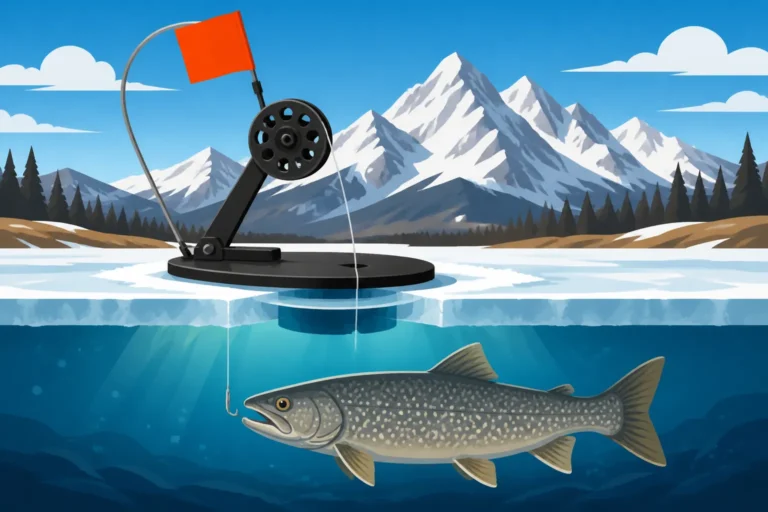
Rigging a tip-up for Wyoming lake trout explains gear selection to target deep water predators in frigid winter conditions.
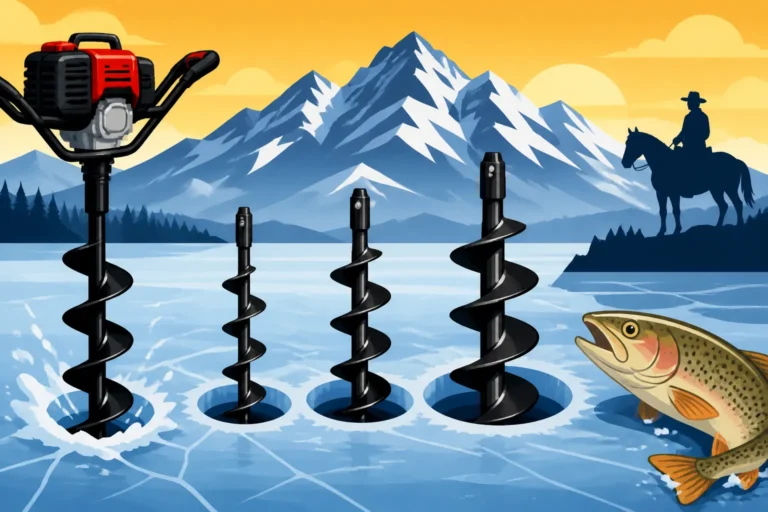
Wyoming ice fishing auger sizes from four to ten inches help anglers target specific species like lake trout and panfish.
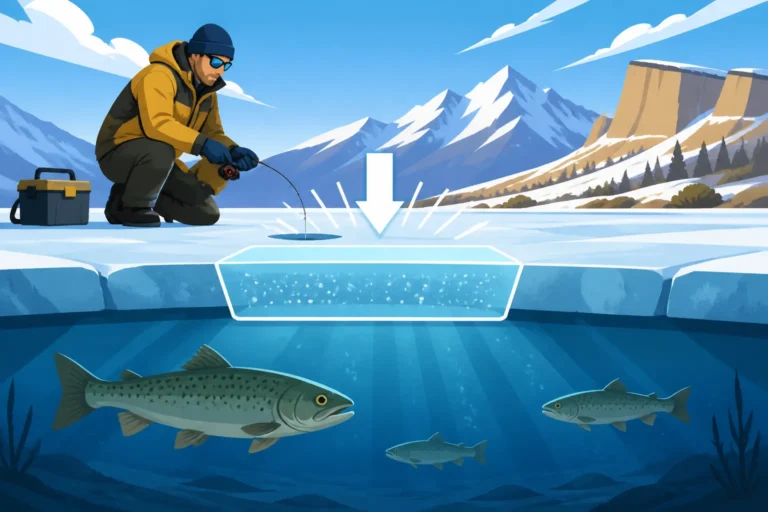
Wyoming reservoir ice safety rules explain how temperature, wind, and snow cover affect freezing stability on waters like Boysen.