Best Auger Size for Wyoming Ice Fishing
Choosing the right ice auger for your Wyoming adventures can feel like a guessing game. You’re standing there, looking at a wall of different sizes and power options, wondering if that 6-inch will be enough for a trophy lake trout or if an 8-inch will be overkill for those panfish. It’s a common frustration, especially when you know Wyoming ice can be brutally thick, and you don’t want to waste precious fishing time struggling with the wrong equipment. This guide is here to cut through the confusion and help you select the absolute best auger size for your specific ice fishing needs across the Cowboy State.
Understanding the Ice Auger Landscape in Wyoming
Before we dive into specific sizes, it’s really helpful to understand the basic lay of the land when it comes to ice augers. It’s not just about the hole you drill; it’s about the entire experience, from setup to cleanup, and how that impacts your day on the ice, especially with Wyoming's diverse fisheries and often challenging conditions.
Why Auger Size Matters More Than You Think
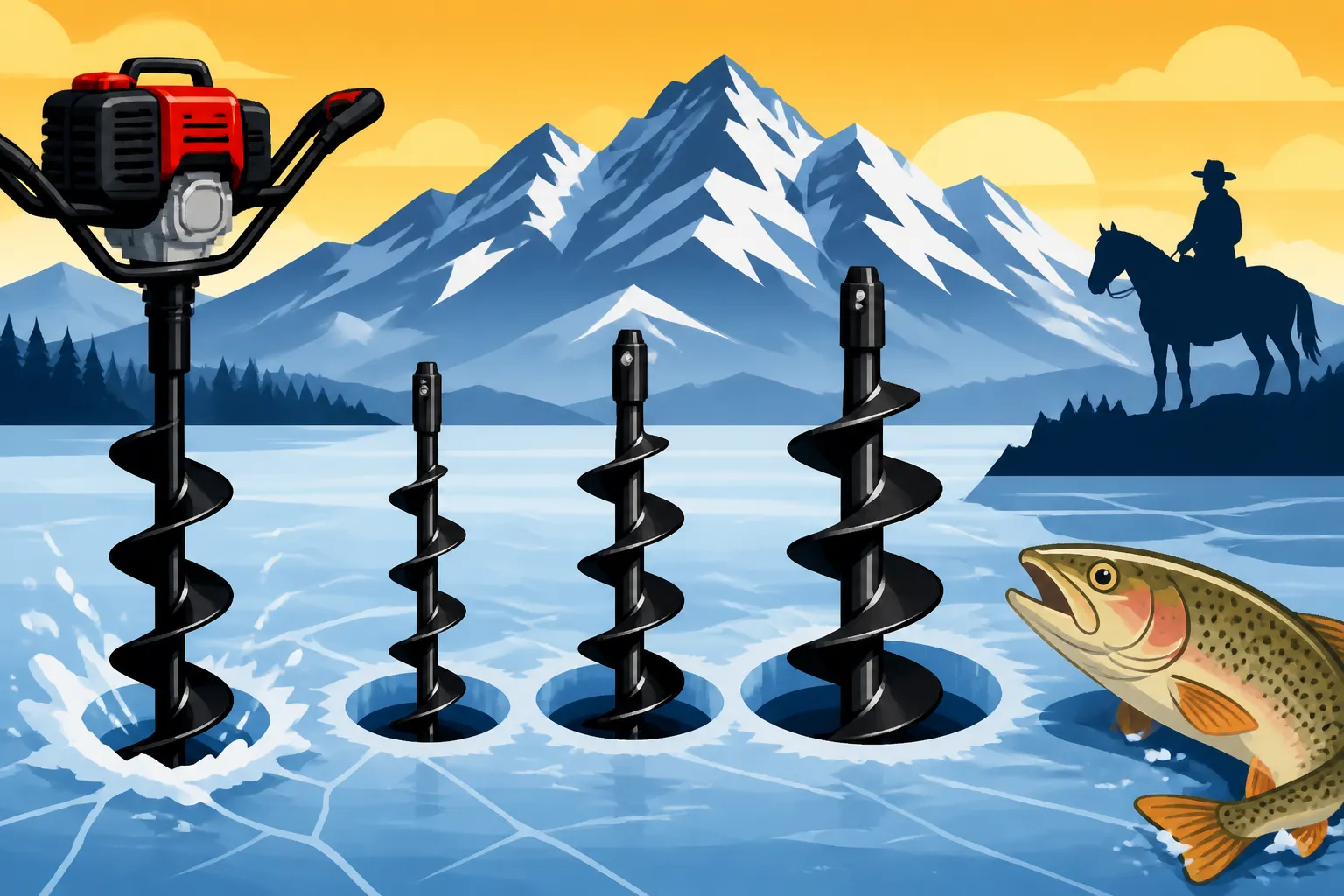
Many folks, especially those new to the sport, might think an auger is just an auger, but that couldn’t be further from the truth. The diameter of the hole you drill directly impacts several crucial aspects of your ice fishing trip. First and foremost, it determines what size of fish you can comfortably land. Imagine hooking into a monster lake trout at Flaming Gorge or a big walleye at Boysen Reservoir, only to realize your hole is too small to pull it through. That’s a heartbreaker that’s easily avoidable!
Beyond landing fish, auger size influences how much effort you'll expend, how quickly you can get set up, and even the safety of your setup. A smaller hole, say a 4-inch, is lightning-fast to drill, even manually, which means you can be much more mobile, popping holes to find active fish. But try to pull a big whitefish through that, and you'll understand the limitations. Conversely, a 10-inch hole, while fantastic for huge fish, takes considerably more time and energy to cut, especially when you're dealing with two or three feet of solid Wyoming ice. The weight and bulk of the larger augers can also be a significant factor, particularly if you’re planning a longer hike out to a remote spot. It's a balance, and understanding your primary target species and fishing style is key.
Types of Ice Augers and Their Power Sources
When it comes to the "oomph" behind your blades, you’ve got a few options, and each has its place on Wyoming’s frozen lakes and reservoirs. Your choice here often goes hand-in-hand with the size of the auger blade you select.
- Manual Augers: These are the classic, hand-cranked workhorses. They’re lightweight, quiet, and reliable because there are no moving parts to break down. For quick trips, targeting smaller fish, or when the ice isn't ridiculously thick (say, under 18 inches), a manual auger with a 4-inch or 6-inch blade is a fantastic, budget-friendly option. They’re perfect for chasing yellow perch or smaller stocked trout in accessible ponds. However, drilling dozens of holes or trying to punch through three feet of ice with a manual 8-inch auger? You’ll be tired, fast.
- Gas-Powered Augers: For years, these were the kings of ice fishing, known for their brute strength. They chew through thick ice with impressive speed, making them ideal for larger holes (8-inch, 10-inch) and for drilling many holes quickly. If you're targeting big fish and often encounter deep ice, a gas auger is a powerful choice. Brands like Jiffy and Eskimo have long dominated this space. The downsides? They're heavy, noisy, require fuel mixing, produce fumes, and need more maintenance. They’re not ideal for quiet mornings or stealthy approaches on pressured waters.
- Propane-Powered Augers: A nice middle-ground, propane augers offer similar power to gas models but burn cleaner, start easier in cold weather, and don't require mixing fuel. They're also less smelly, which is a big plus inside an ice shelter. Propane models are excellent for drilling larger holes (8-inch, 10-inch) and tackling deep ice efficiently without the exhaust fumes of gas models. This can be a great option for folks who want power without the hassle of gasoline.
- Electric/Battery-Powered Augers: These have rapidly become incredibly popular, and for good reason. They're much lighter, quieter, start instantly, and produce no fumes. Modern electric augers, especially those with brushless motors, are surprisingly powerful and can cut through considerable ice with an 8-inch blade, or even a 10-inch with high-capacity batteries. Brands like ION and Strikemaster (often found on Amazon) offer robust electric models. The primary consideration here is battery life, especially in extreme cold or when drilling through multiple feet of ice. Carrying a spare battery is often a smart move, especially for a full day out or when exploring remote spots. For a complete guide, check out our piece on Ice Fishing Gear Checklist for Wyoming Lakes.
Matching Your Auger Size to Wyoming's Fish Species
Now let's get down to the nitty-gritty: pairing your auger size with the fish you're hoping to catch. Wyoming is home to a fantastic array of fish species that offer year-round angling, and the ice fishing scene is no exception. Knowing your target fish helps narrow down that auger choice considerably.
Smaller Holes for Panfish and Stocked Trout
If your ice fishing passion in Wyoming leans towards quantity over trophy size, or if you're introducing kids to the sport, smaller auger holes are your friend. A 4-inch or 6-inch auger is perfect for targeting:
- Yellow Perch: Found in many Wyoming reservoirs like Keyhole, Glendo, and Boysen. Perch are fun, aggressive, and typically don't grow large enough to cause problems with a 4-inch hole. You can quickly drill a dozen holes, check for schools, and keep moving until you find them.
- Crappie: Similar to perch, crappie are delicious panfish found in waters like Glendo and Boysen. A 6-inch hole gives you plenty of room to bring them up without a snag.
- Stocked Rainbow Trout: Many community ponds and smaller reservoirs around the state are regularly stocked with rainbow trout, which are often in the 10-16 inch range. A 6-inch hole is ample for these fish, and the quick drilling allows you to cover more water to locate them.
- Brook Trout: If you're venturing into some of the more accessible mountain lakes or smaller streams that have brook trout, a 4-inch or 6-inch manual auger is fantastic. These fish are generally smaller, and the lightweight nature of a manual auger is a huge bonus for hiking in.
The main benefit of a smaller hole is speed and efficiency. You'll spend less time drilling and more time fishing. This is especially true if you’re using a manual auger or want to conserve battery on an electric model. Plus, smaller holes refreeze faster, which is a small safety bonus.
Mid-Range Holes for Walleye and Average Trout
This is arguably the most popular and versatile auger size for Wyoming ice anglers: the 8-inch auger. If you're looking for an all-around workhorse that can handle most of Wyoming's popular ice fishing targets, an 8-inch is usually the sweet spot.
- Walleye: Boysen Reservoir and Glendo Reservoir are prime walleye destinations in Wyoming. Walleye can grow to impressive sizes, with 20-25 inch fish being common and larger specimens certainly possible. An 8-inch hole provides enough space to land these toothy critters comfortably. You don't want to lose a potential trophy because your hole was too narrow.
- Rainbow Trout (larger specimens): While smaller stocked rainbows are fine with a 6-inch, many wild or larger holdover rainbows in lakes like Seminoe or Pathfinder can easily hit 18-20+ inches. An 8-inch hole gives you a better chance of landing these bigger, stronger fish without them getting stuck or tearing off the line.
- Cutthroat Trout: Wyoming's state fish, the cutthroat, can be found in many ice fisheries, including some high-alpine lakes. They can also grow quite large, especially the Snake River Fine-Spotted Cutthroat Trout or Yellowstone Cutthroat. An 8-inch hole is generally sufficient for the average cutthroat you'll encounter. For more on this iconic species, read our guide on Cutthroat Trout Fishing in Wyoming.
- Brown Trout: While not as frequently targeted through the ice as other species, brown trout can be caught in some reservoirs. They can get very big, but a typical ice fishing brown will fit an 8-inch hole.
An 8-inch auger provides the best balance of drilling speed (especially with gas or electric models) and hole size for landing a good variety of fish. It's often the recommended choice if you only plan to own one auger.
Big Holes for Trophy Lake Trout and Ling
When you're chasing the giants, you need a giant hole. If your sights are set on truly massive fish, like the behemoth lake trout of Flaming Gorge or the elusive ling (burbot), then a 10-inch auger is your best bet.
- Lake Trout (Mackinaw): Flaming Gorge Reservoir is legendary for its gargantuan lake trout. These fish can exceed 20 pounds, sometimes even breaking the 30 or 40-pound mark. Pulling a fish that big, with a head that can be 8 inches wide, through an 8-inch hole is a recipe for disaster. A 10-inch hole gives you the necessary clearance. Jackson Lake, too, holds significant lake trout, and a wider hole is always better there. Learn more about Lake Trout Mackinaw Fishing in Wyoming.
- Ling (Burbot): These unique, eel-like fish found in Boysen, Flaming Gorge, and other waters can also grow quite large and are notoriously slippery. While not necessarily thick-bodied, their length and fight require ample room to manage at the hole. A 10-inch auger provides that extra margin of safety, particularly during night fishing trips for these critters. Our article on Ling Burbot Fishing in Wyoming offers more insights.
Keep in mind that drilling a 10-inch hole, especially through thick ice, requires significant power. This is where gas, propane, or high-end electric augers really shine. Manual 10-inch augers are rare for a reason – they're just too much work.
Practical Considerations for Wyoming Ice Anglers
Wyoming's winter conditions are no joke, and they can significantly influence your auger choice and performance. Beyond just the fish, you need to think about the environment you'll be fishing in.
Dealing with Wyoming's Thick Ice
Wyoming is famous for its cold, clear winters, which often means very thick ice. It's not uncommon to encounter ice thicknesses of two to three feet, or even more, on some of the larger reservoirs by mid-winter. This is a critical factor when choosing an auger.
- Auger Length: Most standard augers come with a cutting depth of around 35-40 inches. If you consistently fish waters with 3 feet or more of ice, consider an auger extension. Many electric and gas augers offer these. Struggling to get through that last few inches of ice because your auger isn't long enough is incredibly frustrating.
- Power and Battery Life: Thick ice places a huge demand on your auger's power source. A gas or propane auger will typically chew through deep ice without much complaint, provided it's well-maintained and has fresh fuel. Electric augers, while convenient, will see their battery life drastically reduced when constantly drilling through deep ice. If you’re planning a full day of fishing through 30+ inches of ice, especially with an 8-inch or 10-inch blade, an extra battery is almost a necessity. You might want to check out our detailed piece on How Thick Ice Needs to Be to Fish Safely to get a better understanding of ice conditions.
Portability and Weight for Backcountry Trips
Wyoming boasts an incredible array of high-alpine lakes, many of which are only accessible via a winter hike, snowshoe, or cross-country ski trip. If you're one for these adventurous pursuits, portability becomes paramount.
- Manual Augers: For true backcountry trips, especially to smaller lakes with smaller fish, a lightweight 4-inch or 6-inch manual auger is often the best choice. Brands like Mora and Nils Master make incredibly efficient and light manual augers. Every pound counts when you're hiking in with gear.
- Lightweight Electric Augers: Some of the more compact electric augers (often with 6-inch or 8-inch blades) can also be good options, provided you manage battery weight and are confident in their ability to handle the ice depth. For more info on these unique spots, see Wyoming's High-Alpine Lakes Worth the Hike.
Dragging a heavy gas auger miles into the wilderness is generally not practical or enjoyable. Think about how far you typically travel from your vehicle and factor that into your weight considerations.
Noise Levels and Fishing Pressure
The sound your auger makes isn't just a matter of personal preference; it can actually impact your fishing success, especially on pressured waters.
- Electric Augers: These are by far the quietest option. This is a huge advantage when fishing for spooky fish like trout or walleye in clear, shallow water, or on highly pressured lakes where fish are accustomed to the sound of augers. Quiet drilling allows you to move into a spot, pop a few holes, and potentially not alert every fish in the vicinity to your presence.
- Manual Augers: Also very quiet, offering a stealthy approach, though they require more physical effort.
- Gas/Propane Augers: While powerful, they are significantly louder. On popular spots like the Miracle Mile (ice fishing is limited here, but imagine the principle on a lake), the roar of a gas auger can be heard far and wide, potentially scattering fish. If you're fishing in a remote area or don't mind the noise, it's less of an issue, but on a busy weekend, consider the impact on your fellow anglers as well.
Making Your Auger Purchase Decision
Alright, so you've weighed the species, the ice, and the types of power. Now, how do you actually make that final choice and get your hands on the right tool?
Budgeting for Your Ice Auger
Ice augers represent a significant investment, so it's wise to consider your budget.
- Manual Augers: These are the most affordable, often ranging from $50 to $150. A great entry point into ice fishing without breaking the bank.
- Electric Augers: Prices typically start around $300 and can go up to $700 or more for high-end models with multiple batteries and larger blades. While an upfront investment, the long-term savings on fuel and maintenance can be substantial. You can find many reputable brands and good deals on platforms like Amazon.
- Gas/Propane Augers: Generally in the $300 to $600 range. They offer raw power and durability, but remember to factor in the ongoing cost of fuel and oil.
Consider how often you plan to go ice fishing. If it’s just a couple of times a year, a solid manual or a mid-range electric might be perfect. If you’re a dedicated ice angler who spends every available winter weekend on the hard water, investing in a more robust electric or gas model will pay off in performance and longevity.
Maintenance and Care for Longevity
No matter what type or size of auger you choose, proper maintenance is key to ensuring it lasts for many Wyoming winters.
- Blade Care: The most critical component! Always protect your blades with a blade cover when not in use. Avoid drilling into dirt, rocks, or anything under the ice. If your blades become dull or nicked, replace them or get them professionally sharpened. Dull blades make drilling agonizingly slow and inefficient, regardless of your auger's power.
- Engine Maintenance (Gas/Propane): Follow the manufacturer's recommendations for oil changes, spark plug replacements, and fuel system cleanings. Use fresh, stabilized fuel at all times. Store your auger properly at the end of the season.
- Battery Care (Electric): Store batteries at room temperature and with a partial charge (check your specific battery's recommendations). Avoid fully draining them if possible, as this can reduce their lifespan. Keep battery contacts clean and dry. When fishing in extreme cold, keep your spare batteries in an insulated bag or inside your jacket to preserve their charge. Our article on What to Wear Ice Fishing in Wyoming offers advice on staying warm, which indirectly helps your battery life.
By taking good care of your auger, you ensure it's ready to perform whenever you hit the ice, whether you're targeting small panfish or those legendary Wyoming lakers.
Here’s a quick overview to help you visualize the choices:
| Auger Blade Size | Primary Target Species | Ideal Power Type (Wyoming) | Key Considerations |
|---|---|---|---|
| 4-inch | Perch, Crappie, Small Stocked Trout | Manual, Lightweight Electric | Very fast, easy, light. Best for quick mobility. |
| 6-inch | Larger Panfish, Most Stocked Trout | Manual, Electric | Good balance of speed and hole size for smaller fish. |
| 8-inch | Walleye, Rainbow Trout, Cutthroat Trout, Medium Lake Trout | Electric, Gas, Propane | Most versatile "all-around" choice for diverse fishing. |
| 10-inch | Trophy Lake Trout, Ling (Burbot) | Gas, Propane, High-End Electric | Necessary for large fish. Slower, heavier, more power. |
No matter your choice, always prioritize safety on the ice. Understanding How to Find Fishable Ice on a Wyoming Reservoir is just as important as the gear you bring. With the right auger in hand, you’ll be well-prepared to enjoy the incredible ice fishing opportunities Wyoming has to offer, from the smallest brook trout to the largest Mackinaw. For more general information, check out our comprehensive guide to Ice Fishing in Wyoming: A Complete Guide. If you're looking specifically for trout, our guide to Best Ice Fishing Jigs for Wyoming Trout might also be helpful.
Disclaimer
The information provided in this guide is for general informational purposes only and does not constitute professional advice. Always consult the official Wyoming Game and Fish Department regulations before heading out to fish, as rules and conditions can change. Ice conditions can be unpredictable and dangerous; always prioritize safety, check ice thickness regularly, and never fish alone.