Wyoming Fishing Spots Near Casper
Ah, Casper! You're smack dab in the middle of some of Wyoming's most incredible fishing territory, but sometimes, figuring out where to actually cast a line can feel like a daunting task. Between the sprawling plains and the majestic mountains, knowing which waters hold the fish you're dreaming of, or even just a fun spot for the family, isn't always obvious. This guide is going to cut through the confusion and lead you straight to the best fishing spots near Casper, giving you the lowdown on what to expect, what to bring, and how to make the most of your time on the water.
The Legendary North Platte River System
When anyone talks about fishing near Casper, the North Platte River is usually the first thing that comes to mind, and for very good reason. This river isn't just a good fishing spot; it's a world-renowned destination, especially for trophy trout. But the North Platte isn't a monolithic entity; it changes character dramatically as it flows, offering a variety of experiences from wide-open tailwaters to intimate canyon stretches. Knowing which section suits your style and what to expect from each is key to a successful outing.
The Gray Reef and Miracle Mile: Trophy Trout Hotbeds
Let's start with the undisputed kings: the Gray Reef and the Miracle Mile. These two stretches of the North Platte, downstream from Alcova and Seminoe reservoirs respectively, are legendary. They are tailwaters, meaning the water released from the dams keeps temperatures consistent year-round, creating an ideal, nutrient-rich environment for trout to grow large and plentiful. Anglers from all over the world flock here for a shot at rainbow and brown trout that regularly push into the 20-inch range, with much larger specimens caught every year. It's truly a fly fishing mecca, but spin anglers can find success too.
The Miracle Mile, though a bit of a drive from Casper (about an hour and a half southwest), lives up to its name with miles of productive water. It’s a mix of swift runs, deep pools, and gravel bars, making it perfect for wading or floating. This section is known for its prolific midge and baetis hatches, alongside robust populations of larger aquatic insects. During the fall, the Miracle Mile truly shines as massive brown trout migrate upstream to spawn, offering a legitimate shot at a fish of a lifetime. If you're planning a trip during this prime season, be sure to check out our guide on Fall Fishing for Browns on the Miracle Mile for all the expert tips.
The Gray Reef, located just south of Casper, is equally famous, perhaps even more accessible for a day trip. This section below Alcova Dam is characterized by its wide, gentle flows and abundant aquatic vegetation, which acts as a buffet for trout. While it might not have the same "wilderness" feel as some more remote sections, its productivity is undeniable. Both the Gray Reef and the Miracle Mile are prime candidates for a guided trip, as local guides possess invaluable knowledge of current conditions, hatch patterns, and where the big fish are holding. Many anglers find booking a guide through platforms like FishingBooker streamlines the process, connecting them with local experts who can unlock the river's secrets.
Fremont Canyon and Alcova Tailwater: Intimate and Challenging
Just upstream from the Gray Reef, the North Platte squeezes through the dramatic rock walls of Fremont Canyon. This section offers a vastly different experience: it's more intimate, often requiring a bit of a hike or a smaller craft like a kayak or float tube to access some of the best spots. The scenery alone is worth the effort, with towering cliffs and crystal-clear water. The trout here are just as healthy, though perhaps a bit warier due to the clearer, tighter confines.
Below Alcova Dam, before the river truly opens up into the Gray Reef, lies the Alcova Tailwater. This stretch can be incredibly productive, but it's often overlooked by those rushing to the more famous sections. Here, you'll find strong flows and deep pockets, demanding precise casting and presentation. The fish are eager, often holding in the seams and eddies created by the varied current. Access can be tricky, with some private land boundaries to respect, so always pay attention to signage or consult a public access map from Wyoming Game and Fish. It's not uncommon to find hungry rainbow and brown trout willing to take a well-placed nymph or a small spinner.
The challenges in Fremont Canyon often involve navigating steep terrain and sometimes crowded access points, especially on weekends. However, the reward is an unparalleled fishing experience amidst breathtaking natural beauty. For those who prefer a bit of solitude and don't mind a physical challenge, exploring these canyon waters can be incredibly fulfilling. Remember, specific regulations can apply to these unique stretches, so always double-check the latest Wyoming Game and Fish Department (WGFD) regulations booklet.
Upper North Platte River: Seeking Solitude Above the Reservoirs
While most of the North Platte's fame centers around its tailwater sections below the big reservoirs, don't overlook the Upper North Platte River, particularly the stretches above Seminoe Reservoir. This part of the river feels much more like a traditional freestone stream, with a mix of riffles, runs, and pools carved naturally into the landscape. It's generally less pressured than its downstream counterparts, offering a chance for greater solitude and a more wild fishing experience.
Access to the Upper North Platte can be a bit more challenging, often involving dirt roads and navigating Bureau of Land Management (BLM) land or state sections. This is where a good mapping app or a WGFD Public Access map becomes invaluable. The trout here, while perhaps not reaching the sheer size of the tailwater fish, are feisty and beautiful, consisting primarily of wild brown and rainbow trout, along with a healthy population of cutthroat trout in some tributaries. You might even stumble upon some brook trout in the smaller feeder creeks.
Fishing methods tend to be more varied here, with dry flies often producing excellent results during summer hatches, while nymphing and even small streamers can be effective. It's the kind of water where covering ground and exploring different features pays off. If you're looking to escape the crowds and immerse yourself in Wyoming's natural beauty, the Upper North Platte is definitely worth exploring. Just be prepared for a bit of an adventure and the potential for wildlife encounters!
Expansive Reservoirs for Every Angler
Beyond the flowing waters of the North Platte, the Casper area is surrounded by immense reservoirs, each offering a distinct fishing experience. These vast bodies of water are crucial to Wyoming's fisheries, providing habitat for a wide variety of species, from hard-fighting trout to delicious walleye. They can be daunting due to their sheer size, but with a little knowledge, you can pinpoint the productive areas and make the most of your time on the water.
Pathfinder and Alcova Reservoirs: Trout and Walleye Havens
Pathfinder Reservoir, located southwest of Casper, is a colossal body of water known for its rugged beauty and impressive fish populations. It's particularly famous for its large lake trout, or Mackinaw, which can grow to immense sizes in its deep, cold waters. Rainbow and brown trout are also abundant, offering diverse opportunities. Given its size, Pathfinder is best fished from a boat, allowing you to cover more ground and target deeper structure where the big fish often lurk. Early spring and late fall are prime times for the largest lake trout, often requiring specialized techniques like deep jigging or trolling with heavy gear. Our guide on How Deep Lake Trout Live in Flaming Gorge offers insights into targeting these deepwater giants, many of which apply to Pathfinder as well.
Alcova Reservoir, significantly closer to Casper, is a more accessible and often more heavily used multi-purpose reservoir. It's popular for boating, camping, and fishing, making it a great option for families or those looking for a shorter drive. Alcova offers a diverse fishery, including rainbow trout, brown trout, and a growing population of walleye. Shore access is plentiful, especially around the state park areas, but a boat opens up many more possibilities. For trout, trolling with spoons or pop-gear and a worm can be effective, while bait fishing from shore with PowerBait or worms also produces results. For walleye, jigging or trolling with crankbaits and bottom bouncers are popular methods, particularly during low-light conditions.
Both Pathfinder and Alcova can be incredibly windy, a common characteristic of Wyoming reservoirs. Always check the weather forecast before heading out, especially if you plan to be on the water in a smaller craft. Safety on these large, exposed bodies of water is paramount.
Seminoe and Boysen Reservoirs: Walleye and Diverse Species
Heading further south from Casper, Seminoe Reservoir offers another incredible, albeit remote, reservoir fishing experience. Seminoe is immense, known for its strong winds and excellent fishing for lake trout and walleye. Like Pathfinder, it's a destination for serious anglers targeting trophy Mackinaw in its sprawling, deep waters. The walleye fishery here is also exceptional, with consistent reports of good numbers and respectable sizes. Seminoe's rugged surroundings and often challenging conditions add to its wild appeal; it’s not for the faint of heart, but the rewards can be truly spectacular. Effective techniques for Seminoe mirror those of other large reservoirs: deep trolling for lake trout, and jigging or slow-trolling for walleye, often around submerged structure.
Boysen Reservoir, a bit of a longer drive west from Casper (closer to Riverton), is another jewel in Wyoming's reservoir crown. It's a vast body of water contained within Boysen State Park, offering a wide array of amenities alongside its fantastic fishing. Boysen is perhaps best known for its exceptional walleye fishery, drawing anglers from across the region. If you're targeting walleye, you'll want to read our specialized guide on Boysen Reservoir's Best Walleye Water to get the inside scoop. Beyond walleye, Boysen is incredibly diverse, supporting healthy populations of rainbow trout, brown trout, cutthroat trout, sauger, crappie, and even smallmouth bass. This makes it an ideal destination for anglers who enjoy targeting multiple species or for families where different members have different preferences.
Due to their size and popularity, these reservoirs can get busy, especially during peak summer weekends. Planning your trip for weekdays or during the shoulder seasons (spring and fall) can often lead to a more peaceful experience and, frequently, better fishing. Local tackle shops or the WGFD fishing report can provide up-to-date information on conditions and what species are biting.
Glendo Reservoir: Warmwater Action and Beyond
While a bit further east from Casper than some of the other spots, Glendo Reservoir is absolutely worth mentioning as a premier fishing destination in Wyoming, especially if you're keen on warmwater species. Located on the North Platte River near the town of Glendo, this reservoir offers a different flavor of fishing compared to the trout-centric waters closer to Casper. Glendo is renowned for its excellent walleye fishing, but it truly shines for its crappie, white bass, and channel catfish populations. If you're looking for fast action and delicious table fare, Glendo is often the answer.
The crappie fishing at Glendo can be phenomenal, particularly in the spring and fall when these panfish move into shallower water to spawn or feed. Anglers often find success using small jigs, minnows, or even tiny plastic baits around submerged timber, brush piles, or rocky points. White bass offer incredible schooling action, especially during their spring spawning runs up the river or when they're chasing baitfish schools in the main reservoir during summer. Trolling or casting small spoons and inline spinners can lead to continuous hook-ups.
Glendo also holds good numbers of rainbow and brown trout, especially in the deeper, cooler sections, often found near the dam or in deeper channels. This makes Glendo a truly versatile fishery, allowing you to target coolwater trout and warmwater species all in one trip. The reservoir is also within Glendo State Park, offering extensive camping, boating, and recreational facilities, making it a fantastic destination for a longer family fishing vacation.
Family-Friendly Lakes and Ponds Closer to Town
While the big rivers and reservoirs offer epic adventures, sometimes you just need a convenient, easy-access spot right near Casper. Whether you're introducing kids to the joys of fishing, or you simply want a quick outing without a long drive, Casper has some excellent options that are perfect for a few hours of relaxing angling. These spots are typically well-maintained, often stocked by Wyoming Game and Fish, and designed with accessibility in mind.
Edness K. Wilkins State Park Pond and Fort Casper Park Pond
For prime family fishing just minutes from Casper, you can't beat the pond at Edness K. Wilkins State Park. This is a consistently popular spot, and for good reason. The WGFD regularly stocks it with rainbow trout, ensuring a high likelihood of success for anglers of all ages, especially children. The park itself is beautiful, with picnic areas, playgrounds, and easy walking paths, making it a perfect destination for a full family outing even if only one or two people are fishing. The pond features accessible fishing piers, making it welcoming for everyone.
Fishing here is straightforward. A simple spin rod setup with powerbait, worms, or small inline spinners (like Panther Martins or Mepps) is usually all you need. Kids especially love seeing the bright colors of PowerBait. The key is to fish near the bottom or suspend your bait just off the bottom using a bobber. It’s an ideal environment to teach basic casting, reeling, and fish handling skills without the added complexities of river currents or vast reservoir depths. Remember to check the local regulations, as these urban ponds often have specific daily limits that might differ from larger waters.
Similarly, the pond at Fort Casper Park offers another excellent in-town option. While smaller than Wilkins, it provides a quiet escape right within the city limits. This pond is also regularly stocked, primarily with rainbow trout, and is another fantastic spot for young anglers or anyone seeking a quick, stress-free fishing experience. Its central location makes it incredibly convenient, perfect for an impromptu evening cast after work or school. Both these ponds exemplify the community effort to provide accessible fishing opportunities right on Casper's doorstep.
North Casper Complex Ponds and Soda Lake: Unique Local Gems
The North Casper Complex Ponds are a more recent addition to Casper's accessible fishing scene, and they've quickly become a local favorite. Thanks to community efforts and WGFD stocking programs, these ponds, part of a larger recreation complex, offer convenient fishing within easy reach of residents. They're typically stocked with rainbow trout and occasionally other species, providing consistent action throughout the warmer months. These ponds are particularly great for bank fishing and are designed to be user-friendly, with decent pathways and open areas for casting.
What makes these ponds special is their accessibility and the focus on fostering local angling interest. They're a testament to the idea that you don't need to drive hours into the wilderness to find a good spot to wet a line. A simple worm and bobber setup will often do the trick, or small jigs and spinners. These are places where you can truly relax, enjoy the fresh air, and hopefully catch a few fish. Always keep an eye on the WGFD stocking reports to know when the latest batches of fish have been introduced, as fishing can be particularly hot right after a stocking event.
Just outside of Casper, you'll find Soda Lake, a truly unique body of water. What sets Soda Lake apart is its natural warmth, fed by hot springs. This characteristic means it rarely freezes over completely, offering year-round fishing opportunities, even in the dead of winter when most other waters are locked under ice. Soda Lake is home to a specific population of native cutthroat trout, alongside brook trout, making it a unique ecological spot. Because of its sensitive ecosystem and the specific genetics of its fish, it often has special regulations, including specific bait restrictions or catch-and-release rules. It’s a wonderful spot to experience a different kind of angling, especially if you're looking for an off-season challenge or a unique native fish encounter. Remember, respect the delicate balance of this unique fishery and always adhere to current WGFD regulations.
Target Species and What They Mean for Your Approach
Understanding the fish species you're likely to encounter around Casper is crucial for planning a successful trip. Different fish have different habits, preferred habitats, and respond to various techniques and baits. Knowing your quarry helps you select the right gear, choose the best spots, and ultimately, put more fish in your net.
Trout Species of the Casper Area
The trout fishing around Casper is legendary, encompassing several distinct species, each offering a unique challenge and reward.
- Rainbow Trout: These are arguably the most commonly caught trout in the Casper area, thanks to extensive stocking programs by the WGFD in many local ponds and reservoirs, as well as their strong wild populations in the North Platte River. Rainbows are known for their strong fights and acrobatic jumps once hooked. They're relatively forgiving, making them a fantastic target for beginners and experienced anglers alike. For techniques, they'll readily take everything from PowerBait and worms in stocked waters to a variety of flies (nymphs, dry flies, streamers) in the rivers. Spin anglers find success with small inline spinners, spoons, and Rapala-style crankbaits.
- Brown Trout: Ah, the elusive brown! These European imports have thrived in Wyoming's rivers and reservoirs, particularly in the North Platte tailwaters. Browns are often more solitary and cunning than rainbows, growing to impressive sizes and preferring to hide in undercut banks, deep pools, and beneath submerged structure. They're known for their powerful, stubborn fights. Targeting browns often requires a different approach: larger streamers that imitate baitfish, large nymphs, or bigger crankbaits that dive to their hiding spots. Fall is a prime time for trophy browns as they migrate upstream for spawning, making areas like the Miracle Mile particularly exciting.
- Cutthroat Trout: Wyoming's state fish, the cutthroat, represents the wild heart of the region's fisheries. While Yellowstone cutthroat are most famous in the greater Yellowstone ecosystem, the Casper area has various subspecies in higher elevation creeks and some stocked waters. The Snake River Fine-Spotted Cutthroat, for instance, is another distinct subspecies. They're identifiable by the distinctive red or orange "slash" mark under their jaw, though this can vary in intensity. Cutthroat often prefer pristine, cooler waters and are generally eager to rise to a well-presented dry fly. They're not as large as trophy browns or rainbows, but their striking beauty and willingness to bite make them a delightful catch. Learn more about identifying them in our guide on Identifying a Yellowstone Cutthroat Trout.
- Lake Trout (Mackinaw): These deepwater giants are found in the large, cold reservoirs like Pathfinder and Seminoe. Lake trout are actually a type of char, known for their enormous size and preference for deep, cold water. They are apex predators, feeding on smaller fish, and can grow to incredible weights, often exceeding 20 pounds. Targeting them requires specialized gear and techniques, primarily deep jigging with heavy spoons or tubes, or aggressive trolling with downriggers and large crankbaits or dodgers with squid imitations. Fishing for lake trout is a commitment, but the reward of landing a true Wyoming monster is unforgettable.
Warmwater Game Fish
While trout often steal the spotlight, Wyoming's reservoirs also harbor excellent warmwater fishing opportunities, especially in places like Boysen and Glendo.
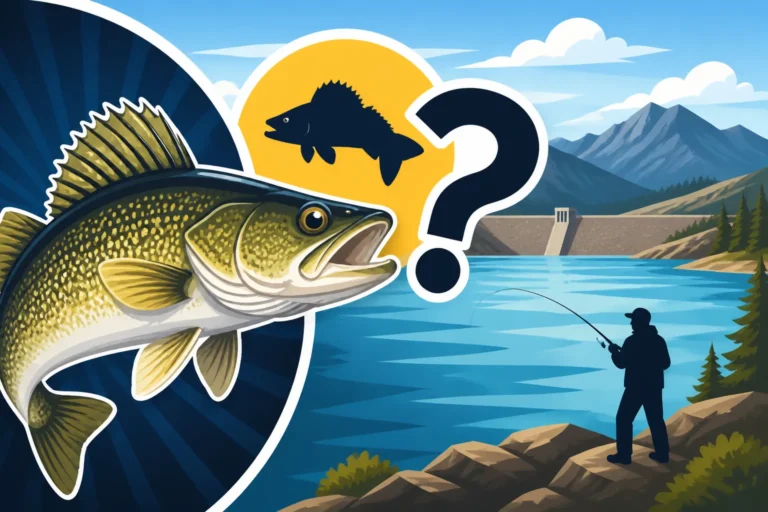
- Walleye: Prized for their delicate, flaky white meat, walleye are a highly sought-after species in Wyoming. They thrive in Boysen, Glendo, Alcova, and Seminoe reservoirs. Walleye are active predators, often feeding during low-light conditions (dawn, dusk, or cloudy days). They prefer rocky structure, points, and humps where they can ambush baitfish. Popular techniques include jigging with live bait (minnows, nightcrawlers) or soft plastics, trolling with crankbaits or bottom bouncers and spinners. For expert advice on targeting these tasty fish, check out Best Month for Walleye at Boysen Reservoir.
- Crappie & Perch: These panfish are fantastic for family fishing and provide consistent action. Crappie are found in good numbers in Glendo and Boysen, often schooling around submerged timber and brush. They readily bite small jigs, minnows, or tiny spoons. Yellow perch, another excellent panfish, are widespread in many of the Casper area reservoirs and are a common catch for ice anglers. They're eager biters and fantastic table fare.
- Smallmouth Bass: While not as widespread as trout or walleye, smallmouth bass are present in some Wyoming reservoirs, particularly in the southern part of the state and some areas of Glendo. Known for their incredible fighting spirit, "smallies" are a blast to catch on light tackle. They prefer rocky habitat and will readily strike crankbaits, jigs, or soft plastics that mimic crawfish or baitfish.
Essential Gear and Techniques for Casper Fishing
Heading out to fish around Casper without the right gear is like trying to hike a mountain in flip-flops—it just won't end well! Wyoming's diverse waters and unpredictable weather demand thoughtful preparation. Having the correct rods, reels, lines, and an understanding of appropriate techniques will significantly boost your chances of success and enjoyment.
Rods, Reels, and Lines for Rivers
For the famed trout streams of the North Platte, your setup largely depends on your preferred method:
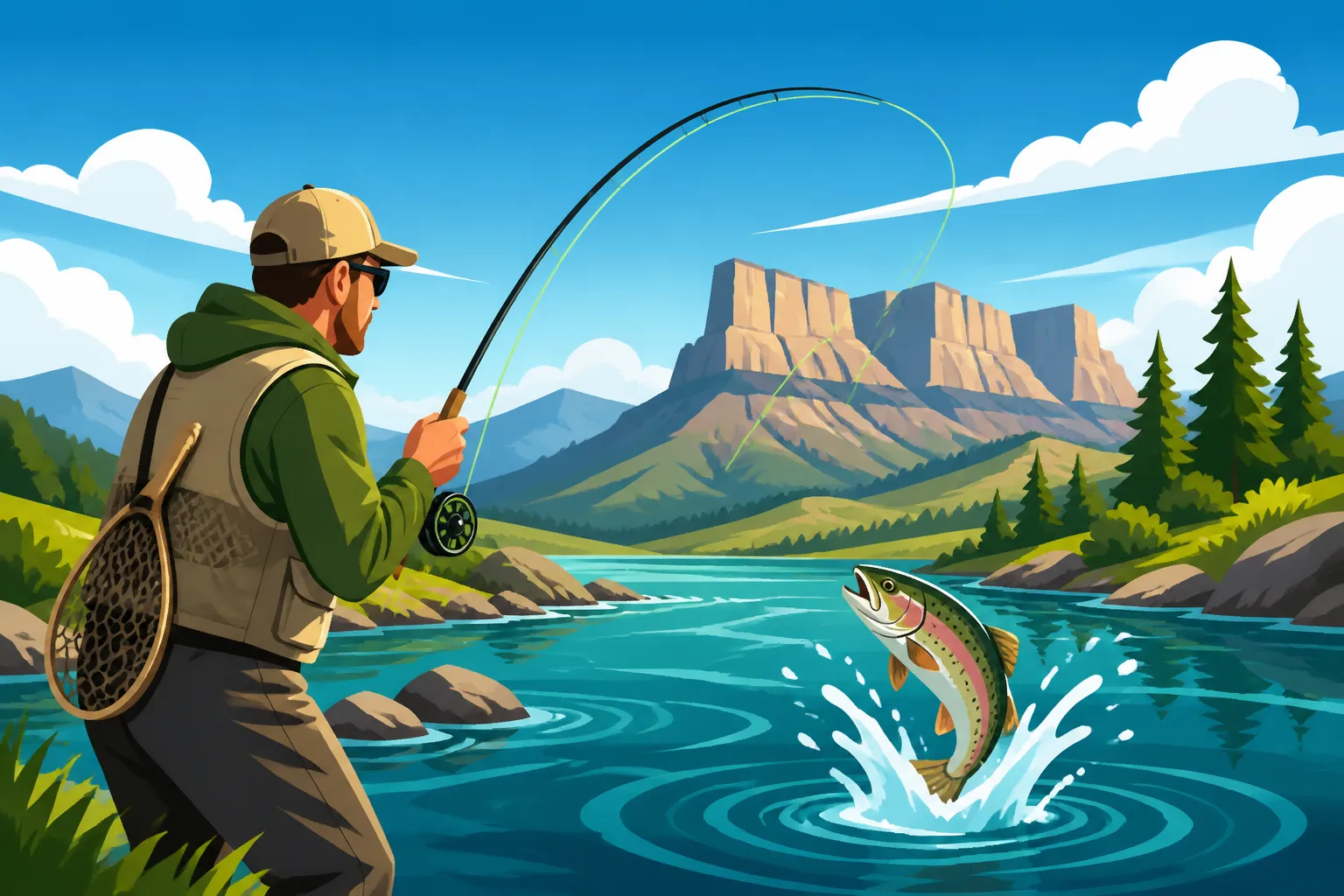
- Fly Fishing: This is often the chosen method for many serious North Platte anglers. A 5-weight or 6-weight fly rod is a versatile choice for most of the river's trout, offering enough backbone for larger fish but still sensitive enough for delicate presentations. Pair it with a matching large-arbor fly reel and a weight-forward floating line. You'll also need various leaders and tippets (typically 3X to 5X) to match your fly size and conditions. Depending on the technique, you might also carry a sink-tip or full-sinking line for streamer fishing. Common fly patterns include various nymphs (Pheasant Tail, Hare's Ear, Pat's Rubber Legs), dry flies (Elk Hair Caddis, Parachute Adams), and streamers (Woolly Bugger, Sculpzilla).
- For nymphing, a common technique on the North Platte, you'll want a strike indicator and split shot to get your flies down to the fish's feeding zone. When the fish are rising, a well-presented dry fly can be exhilarating. Streamer fishing is often productive for larger, more aggressive brown trout, especially during the fall.
- Spin Fishing: Don't feel you have to fly fish to enjoy the North Platte! Spin fishing can be incredibly effective. A light to medium-light action spinning rod (6 to 7 feet long) paired with a 2000-3000 series reel spooled with 6 to 8 lb monofilament or fluorocarbon line is ideal. Braid can also be used with a fluorocarbon leader for increased sensitivity and casting distance.
- Effective lures include small inline spinners (like Mepps Aglias or Rooster Tails), spoons (Kastmasters, Little Cleos), and small jerkbaits or crankbaits (Rapala countdowns, small Trout Magnets). Focus on casting upstream and retrieving downstream, working the lures through seams, eddies, and deep pockets. If bait is allowed on the section you're fishing, a nightcrawler or PowerBait can be surprisingly effective for hungry rainbows. Our guide on Spin Fishing Techniques for Beginners offers a great foundation if you're new to the sport.
Reservoir Fishing Setup
Fishing the vast reservoirs around Casper demands different tackle, primarily due to deeper waters and often larger, heavier fish:
- Trout (Rainbow, Brown, Lake Trout): For rainbow and brown trout in reservoirs, a medium-action spinning rod (7-8 feet) with a 3000-4000 series reel and 8-10 lb test line is a good starting point. You might troll with pop-gear and a worm, a small spoon, or a wedding ring. For targeting the huge lake trout in Pathfinder or Seminoe, you'll need much heavier gear. This often means a medium-heavy to heavy casting or spinning rod (7-9 feet) with a robust reel spooled with 30-50 lb braided line and a heavy fluorocarbon leader.
- Techniques for lake trout include deep jigging with 1/2 oz to 2 oz tube jigs, large spoons, or heavy swimbaits. Trolling with downriggers or lead core line is also very popular, using large spoons, stickbaits, or dodgers with squid imitations to get baits down to depths of 50-100 feet or more.
- Walleye, Crappie, Perch: For walleye, a medium-action spinning or casting rod (6'6" to 7'6") with a 2000-3000 series reel and 8-12 lb line is versatile. You'll want to carry an assortment of jigs (1/8 oz to 1/2 oz), soft plastics (grubs, paddle tails), and crankbaits. Bottom bouncer rigs with spinners and nightcrawlers are also highly effective for trolling.
- For crappie and perch, lighter gear is often more fun. A light action spinning rod (5-6 feet) with a 1000-2000 series reel and 4-6 lb line is perfect. Small jigs (1/16 oz to 1/8 oz) tipped with minnows or tiny soft plastics are all you need. Focus on fishing near submerged cover or drop-offs.
- Beyond rods and reels, a depth finder/fish finder is an indispensable tool for reservoir fishing, helping you locate structure, baitfish, and the fish themselves.
Waders, Layering, and Accessories
Wyoming weather is famously unpredictable. Being prepared for anything is key:
- Waders: For river fishing, especially on the North Platte, chest waders are non-negotiable. They allow you to safely wade into the river, accessing prime fishing lies and improving your casting angles. Neoprene waders are great for cold water, while breathable waders are more comfortable in warmer weather, but always layer underneath. Good wading boots with felt or sticky rubber soles are crucial for grip on slick river rocks.
- Layering: Dress in layers! Even on a summer day, mornings can be chilly, and afternoon thunderstorms can bring sudden drops in temperature. Base layers (synthetic or wool), an insulating mid-layer (fleece or puff jacket), and a waterproof/windproof outer shell are essential. Don't forget a hat for sun protection and warmth, and polarized sunglasses to cut glare and spot fish. For winter ice fishing, extreme cold weather gear is critical, as detailed in our guide on What to Wear Ice Fishing in Wyoming.
- Accessories: A good fishing vest or pack for fly fishing, or a tackle box for spin fishing, keeps your essentials organized. Forceps or pliers are a must for hook removal. A landing net (rubberized mesh is best for catch-and-release to protect fish slime) helps secure your catch. Sunscreen, insect repellent, plenty of water, and snacks round out the necessities. A first-aid kit is always a smart addition, especially for remote trips.
Navigating Regulations and Ethical Angling
Fishing in Wyoming isn't just about catching fish; it's about being a responsible steward of its incredible natural resources. The Wyoming Game and Fish Department (WGFD) works tirelessly to manage these fisheries, and it's up to us to understand and abide by their regulations. Ignoring these rules can not only lead to hefty fines but can also harm the very ecosystems we love to explore.
Understanding Wyoming Game and Fish Regulations
Before you even tie on your first fly or lure, you need to understand the rules. Regulations can change annually, and often vary significantly from one body of water to another, even within the same river system.
- Licenses: First and foremost, you need a valid Wyoming fishing license. If you're visiting from out of state, be sure to understand the nuances of a Wyoming Fishing License Guide for Nonresidents. Options include annual, daily, or five-day nonresident licenses. Residents also have annual and daily options. You'll also need a Wyoming Conservation Stamp if you're over 14 and purchasing an annual license. Our guide on Where and How to Buy a Wyoming Fishing License has all the details on purchasing options. Always carry your license with you while fishing, either a physical copy or a digital one on your phone.
- Bag and Possession Limits: This is where it gets critical, and where regulations vary the most. There are daily creel limits (how many fish you can keep in one day) and possession limits (how many fish you can have in your possession, including those at your campsite or home). These limits are often species-specific and, crucially, water-specific. For example, trout limits on the North Platte can be very different from those on a small stocked pond or a high-alpine lake. Understanding How Bag and Possession Limits Work in Wyoming and Understanding Wyoming's Daily Bag Limits by Species is vital. Some waters might even have a "one-over-16-inch" rule for trout, meaning you can only keep one fish over a certain size.
- Specific Water Regulations: Many of Wyoming's most popular fishing spots have unique rules. The North Platte River, for instance, has sections that require barbless hooks to minimize harm to fish in catch-and-release areas. Our guide on Barbless Hook Requirements on the North Platte River details where these rules apply. Some sections might be entirely catch-and-release, or have bait restrictions. Always consult the current WGFD Fishing Regulations booklet for the specific water you intend to fish. It's available online and at license vendors.
Conservation and Responsible Practices
Beyond simply following the rules, ethical angling involves a commitment to conservation. We all want future generations to enjoy the same incredible fishing opportunities we do today.
- Catch and Release Best Practices: If you're releasing fish, do everything you can to ensure their survival. Minimize handling, especially keeping the fish in the water as much as possible. Use wet hands to avoid removing their protective slime layer. Remove hooks quickly and gently, or use a de-hooking tool. If a fish is deeply hooked, cut the line as close to the hook as possible. Avoid excessive fighting of the fish, which can exhaust them beyond recovery.
- Leave No Trace Principles: This is fundamental. Pack out everything you pack in, including all trash, broken fishing line, and any leftover bait. Don't leave behind a mess. Respect the natural environment and leave it better than you found it.
- Invasive Species Prevention: This is a major concern in Wyoming. Invasive species like zebra mussels or whirling disease can devastate native fisheries. If you're moving a boat, kayak, or even waders between different bodies of water, remember to Clean, Drain, Dry. Clean all mud, plants, and debris from your vessel and gear. Drain all water from the boat, bilge, and live wells. And allow everything to thoroughly dry before your next outing. This simple act can prevent the spread of harmful organisms.
- Respect Private Land and Public Access: Wyoming has a mix of public and private land. Always be aware of property boundaries and never trespass. Public access easements exist on many rivers and lakes, but they are clearly marked. Be a good neighbor, close gates, and minimize your impact on the land.
Seasonal Strategies for Fishing Success Near Casper
Wyoming's seasons dramatically shape the fishing experience. What works in spring won't necessarily work in summer, and the types of fish available can change too. Understanding these seasonal shifts is key to maximizing your success and enjoyment on the water around Casper.
Spring Runoff and Early Season Opportunities
Spring in Wyoming is a season of transition, marked by the inevitable "runoff." As the snowpack in the mountains melts, rivers swell with cold, often muddy water. This can make fishing challenging on many freestone streams. The North Platte, for example, can become high and off-color, making wading dangerous and visibility poor. However, this doesn't mean fishing completely shuts down.
- Tailwater Advantage: This is where the North Platte's tailwater sections, like the Gray Reef and Miracle Mile, really shine. Because the water comes from the bottom of the reservoirs, it remains relatively clear and consistent in temperature, even during heavy runoff. The increased flows can actually concentrate fish into slower seams and eddies, making them easier to target. Nymphing with heavier flies that can get down quickly is often the most productive technique. Our guide on Fishing Wyoming During Spring Runoff offers more specific tactics for navigating these conditions.
- Early Lake Fishing: Many of the larger reservoirs, like Alcova and Boysen, begin to warm up and become very productive in the spring. Fish that have been lethargic during winter start to become active, moving into shallower areas to feed. This can be an excellent time to target rainbow trout closer to shore or walleye and crappie as they prepare to spawn. Often, these early season lake trips are less crowded than peak summer, offering a more peaceful experience.
- Stocked Ponds: For immediate gratification, the local stocked ponds near Casper, such as Edness K. Wilkins, are fantastic in the spring. Newly stocked rainbow trout are often eager to bite, making them perfect for families and beginners.
Summer Heat and Fall Migrations
Summer brings long, warm days and generally stable weather, but it also brings challenges and specific opportunities for anglers.
- Summer River Tactics: On rivers like the North Platte, summer means longer fishing days. Trout will be most active during the cooler parts of the day—early mornings, late evenings, and during cloudy periods. Mid-day heat can make fish sluggish and send them seeking deeper, cooler water. Dry fly fishing can be exceptional during summer hatches (caddis, PMDs, grasshoppers), but nymphing remains a consistent producer. Wading deeper sections in the middle of the day can sometimes find colder water and more active fish.
- Reservoir Deep Dwellers: As reservoir surface temperatures rise, fish like lake trout will retreat to the cooler, deeper parts of the water column. This means going deep with jigs or downriggers is key. Walleye, too, will often be found near deeper structure during the day, becoming more active in the low light of dawn and dusk, or at night. Panfish like crappie and perch can be found near weed lines and submerged timber.
- Fall's Trophy Hunt: As summer fades into fall, the fishing in Wyoming heats up for trophy hunters. This is the prime season for big brown trout. As temperatures drop and daylight shortens, brown trout begin their annual spawning migration upriver. This is when large streamers, swung aggressively through deeper runs, can entice the biggest browns to strike. The Miracle Mile, in particular, is renowned for its Wyoming Fall Fishing for Migrating Browns during this time. Additionally, some reservoirs with Kokanee salmon populations (like Flaming Gorge, though a bit further) will see these vibrant red salmon staging for their spawn, often attracting predators.
Ice Fishing Adventures
When winter truly sets in and the mercury drops, many of Wyoming's lakes and reservoirs freeze solid, opening up a whole new world of fishing: ice fishing! This incredibly popular pastime offers unique challenges and rewards, and the Casper area has several fantastic options.
- Prime Ice Fishing Spots: Pathfinder, Alcova, Seminoe, and Boysen reservoirs all offer excellent ice fishing. You can target a variety of species, including rainbow trout, lake trout, walleye, crappie, and perch, depending on the chosen body of water. Pathfinder and Seminoe are especially popular for those targeting large lake trout through the ice, often requiring heavy jigs and a lot of patience. Boysen is a fantastic multi-species ice fishing destination, particularly for walleye.
- Safety First: Ice fishing is a blast, but safety is paramount. Always check ice thickness before venturing out, and go with a buddy. A minimum of 4 inches of clear, solid ice is generally recommended for walking, but more is needed for snowmobiles or vehicles. Our comprehensive guide on Ice Fishing in Wyoming: A Complete Guide covers everything from safety gear to techniques.
- Essential Gear: Beyond regular fishing tackle, you'll need specialized ice fishing gear: an ice auger (manual or powered) to drill holes, an ice scoop to keep them clear, an ice fishing rod and reel (shorter, stiffer), and specialized jigs and bait. A portable shelter (shanty) and a portable heater can make a cold day much more enjoyable. Fish finders (like flasher units) are incredibly useful for locating fish under the ice.
- Techniques: Most ice fishing involves jigging small spoons, soft plastics, or specific ice jigs, often tipped with a live minnow, mealworm, or PowerBait. Tip-ups are also popular, allowing you to cover more area and fish with live bait while still jigging with a rod.
Maximizing Your Casper Fishing Experience
You've got the gear, you understand the seasons, and you know the spots. Now, let's talk about those extra steps that truly elevate a good fishing trip into an unforgettable Wyoming adventure. From expert guidance to knowing how to find that perfect, secluded spot, these tips can make all the difference.
Hiring a Local Guide
For many visiting anglers, or even locals looking to learn new waters or techniques, hiring a professional fishing guide is one of the best investments you can make. This is particularly true for the complex waters of the North Platte River.
- Benefits of a Guide: A local guide brings invaluable knowledge. They know the river's flows, the current hatches, where the fish are holding, and what they're biting on – information that can take years to acquire on your own. Guides also provide all the necessary gear, from rods and reels to flies and tackle, and often a delicious riverside lunch. They can take you to private access points, increasing your chances of finding less pressured fish. Beyond just catching fish, a good guide acts as a teacher, improving your casting, reading water, and understanding of trout behavior. Our Hiring a Fishing Guide in Wyoming article elaborates on why this is a smart move.
- Choosing the Right Guide: When selecting a guide, look for one who is licensed and insured, has a strong reputation, and specializes in the type of fishing you want to do (e.g., fly fishing, spin fishing, specific species). Don't hesitate to ask questions about their experience, what's included in the trip, and their approach to guiding. For those looking for a guided experience, especially on the North Platte River, checking FishingBooker for reputable local guides is a smart first step, as it provides reviews and detailed trip information. Our How to Choose a Wyoming Fishing Guide guide offers more in-depth advice.
- Guided Offerings: Near Casper, guides primarily focus on float trips down the North Platte, using drift boats or rafts. They might also offer wade trips for specific techniques or more intimate experiences. Some guides specialize in reservoir fishing, particularly for lake trout or walleye, offering trips on Pathfinder, Alcova, or Boysen.
Access Points and Navigation
Wyoming is vast, and knowing how to get to your chosen fishing spot is crucial, especially for more remote locations.
- Utilize Maps: The Wyoming Game and Fish Department (WGFD) website is an incredible resource for public access maps. These maps detail public easements, state land, and BLM (Bureau of Land Management) areas where fishing is permitted. Apps like OnX Hunt also provide detailed land ownership information, which is invaluable for identifying legal access points and avoiding trespassing. For those looking for a seasoned guide or just scouting locations, FishingBooker can offer insights into popular access points and local guide availability.
- Road Conditions: Many fantastic fishing spots are accessed via dirt or gravel roads, which can become impassable after heavy rain or snow. Always check local road conditions, especially if heading to places like the Miracle Mile or more remote parts of Pathfinder. A 4×4 vehicle can be a huge asset.
- Cell Service: Be aware that cell service can be spotty to non-existent in many remote Wyoming fishing areas. Don't rely solely on your phone for navigation or emergencies. Carry a paper map, a satellite communicator, or let someone know your itinerary.
Local Resources and Community
The best local fishing intelligence often comes from the community itself.
- Local Fly Shops and Tackle Stores: Casper is home to fantastic local fly shops, such as the Ugly Bug Fly Shop, which are treasure troves of information. These shops don't just sell gear; they employ passionate anglers who can give you real-time reports on river conditions, recent hatches, effective flies or lures, and even point you to less-pressured spots. They are an invaluable resource, especially for current conditions that can change daily. Stop in, buy a few flies, and ask for advice!
- Online Forums and Social Media: Regional fishing forums and local social media groups can be great places to connect with other anglers, ask questions, and get tips. Just be mindful that specific "honey holes" are often kept secret.
- Wyoming Game and Fish Department: The WGFD website provides comprehensive fishing reports, stocking schedules, and regulation updates. They also have regional offices where you can speak directly with fisheries biologists or game wardens for expert advice. When planning your trip, consider checking FishingBooker for available guides who can provide real-time updates on conditions, or consult the WGFD for the most accurate official information.
Ultimately, fishing near Casper is an adventure, a blend of world-class opportunities and the raw, untamed beauty of Wyoming. By being prepared, knowledgeable, and respectful of the environment and its resources, you're not just going fishing; you're creating lasting memories in one of the country's most spectacular angling destinations.
Disclaimer
Please note that fishing regulations, access points, and fish populations can change. Always consult the current Wyoming Game and Fish Department regulations booklet and maps before heading out on any fishing trip. The information provided in this guide is for general informational purposes only and should not be considered a substitute for official WGFD resources. Stay safe and fish responsibly.