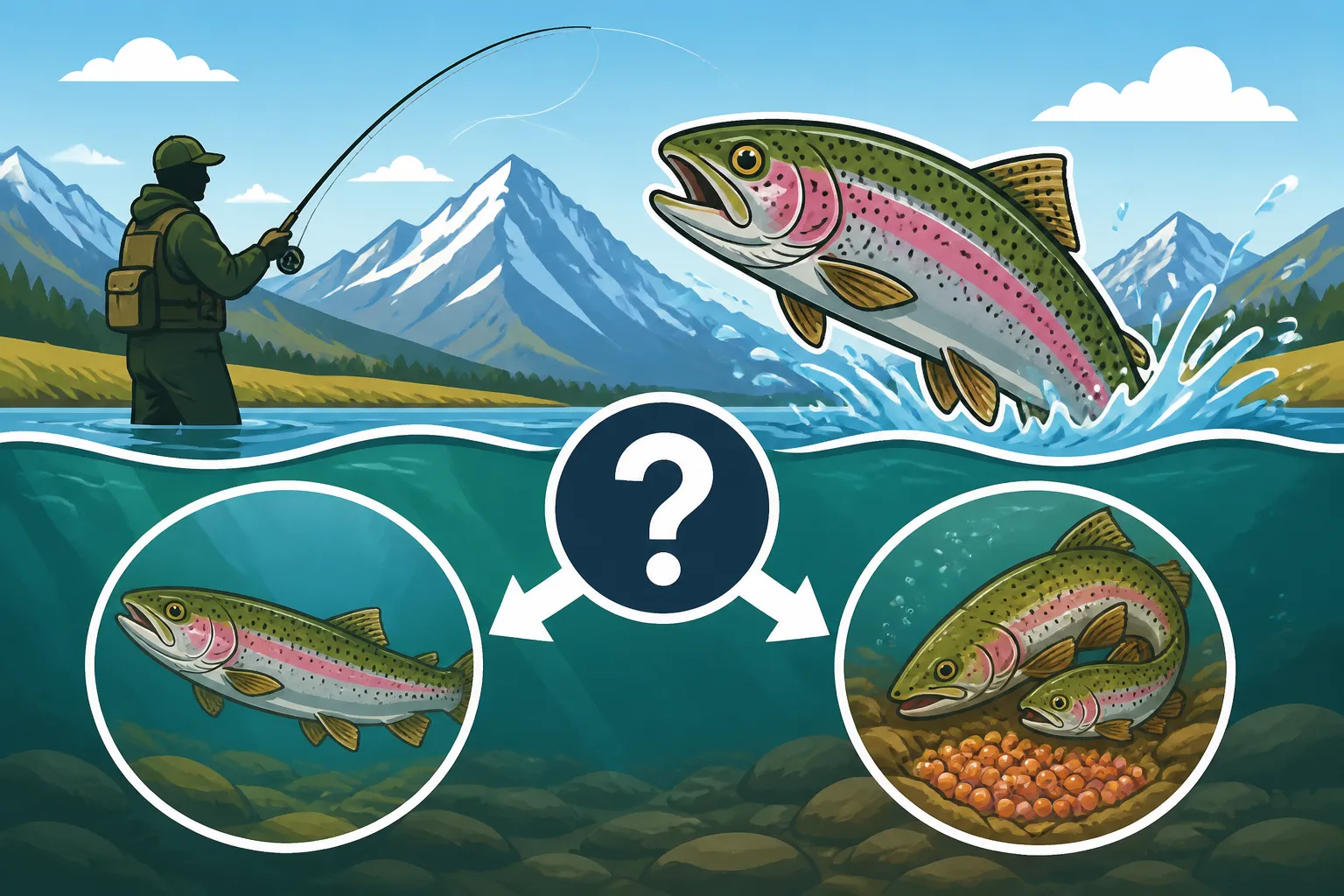
Do Stocked Rainbow Trout Reproduce in the Wild?
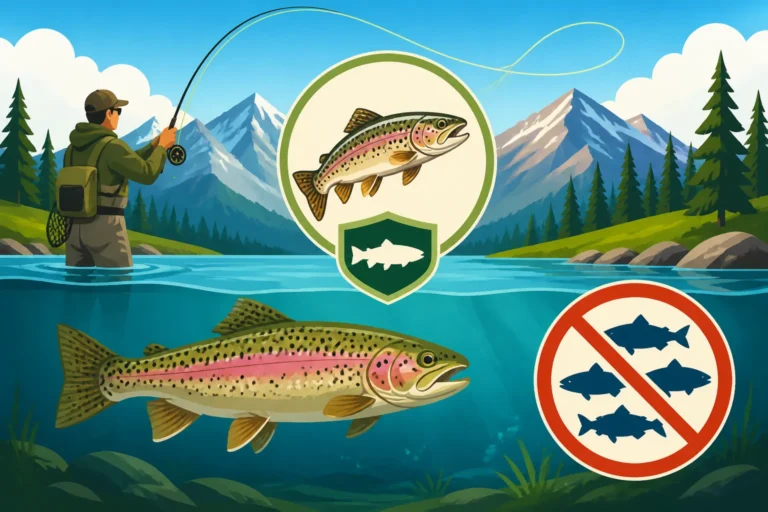
You’ve just caught a beautiful rainbow trout from your favorite Wyoming stream or reservoir, maybe even one with that tell-tale fin clip that screams “hatchery fish.” A thought probably crosses your mind: "This fish is strong, healthy… could it actually go on to reproduce in the wild?" It's a natural question, especially when you're enjoying the fruits of Wyoming's incredible stocking programs. The truth is, while nature always finds a way, the vast majority of stocked rainbow trout are not well-equipped to successfully reproduce and sustain wild populations on their own. This guide will dive deep into why that is, exploring the genetic, behavioral, and environmental hurdles these fish face, and what it means for the future of Wyoming's cherished fisheries.
Understanding Stocked Rainbow Trout in Wyoming
When we talk about "stocked" fish, we're talking about a very intentional effort by the Wyoming Game and Fish Department (WGFD) to enhance fishing opportunities across our state. These aren't just random fish; they are specifically raised for a purpose, but that purpose doesn't always align with natural reproduction.
The Purpose of Stocking Programs
The primary goal of stocking rainbow trout in Wyoming is to provide recreational fishing opportunities. Simple as that. Many of our lakes, reservoirs, and even some rivers couldn't support robust trout populations naturally due to environmental factors like limited spawning habitat, fluctuating water levels, or intense predation. Stocking fills this void, ensuring that anglers have plenty of fish to pursue, whether they’re casting from shore with kids or fly fishing a blue-ribbon river. It's about maintaining a vibrant and accessible fishery, especially in waters that see heavy angling pressure or simply lack the conditions for natural propagation. If you're wondering Where Wyoming Stocks Rainbow Trout, you'd be surprised at the sheer volume and variety of waters that benefit from these efforts, from popular reservoirs like Glendo and Boysen to smaller community ponds. These programs allow more people to experience the joy of fishing, often without having to trek deep into the backcountry to find wild fish.
Think about it: many of the places where you can easily catch a limit of rainbow trout owe their abundance to stocking. Without these programs, a significant portion of Wyoming’s fishing wouldn't exist as we know it. The WGFD invests considerable resources into What Wyoming Hatcheries Raise Rainbow Trout, carefully selecting strains of fish that grow well and are robust enough to survive in the diverse environments they're released into. They also closely monitor the health and growth of these fish, ensuring a consistent supply for eager anglers.
The Genetic Differences of Stocked Trout
It's easy to assume a fish is a fish, but there are notable differences between a hatchery-reared rainbow trout and its wild counterpart. Generations of life in a hatchery environment inevitably lead to genetic and behavioral changes. Wild trout are products of natural selection; only the strongest, most adaptable, and most reproductively successful survive to pass on their genes. Hatchery fish, on the other hand, are bred for different traits: rapid growth, disease resistance in crowded conditions, and tolerance to handling. They are often fed a consistent diet and protected from predators their entire lives.
These differences can be quite subtle but have profound implications for survival and reproduction in the wild. For instance, the instinct to avoid predators, to forage efficiently in a diverse ecosystem, or to find suitable spawning grounds might be diminished in hatchery fish. They haven't had to develop these survival skills naturally. This is a crucial distinction when considering Wild vs Stocked Rainbow Trout in Wyoming, as it often determines a fish's long-term success outside of its controlled upbringing. While a stocked rainbow might look perfectly healthy and feisty when you reel it in, its genetic makeup might not be geared for the long game of survival and procreation in the unforgiving wild. It’s not a knock on the fish; it’s just the reality of their upbringing.
Challenges to Reproduction in the Wild
The journey from egg to adult in a wild setting is fraught with peril. For a stocked rainbow trout, these challenges are often amplified, making successful reproduction a rare occurrence.
Habitat Requirements for Spawning
Wild rainbow trout have very specific needs when it comes to spawning. They typically require clear, cold, well-oxygenated water with gravel beds – often called "redds" – in tributary streams or along spring-fed lake shores. These gravel beds are essential for the females to dig their nests and for the eggs to be safely buried and incubated, protected from currents and predators, while still receiving a constant flow of oxygenated water.
Many of the waters stocked with rainbow trout in Wyoming, while excellent for fishing, simply don't have these ideal spawning conditions. Reservoirs, for example, often have fluctuating water levels that can expose redds, or have silty bottoms rather than clean gravel. Even rivers that are regularly stocked might lack the specific gravel size, water flow, or consistent temperatures needed for successful natural reproduction. The instinct to seek out and utilize these specific habitats is strong in wild trout, but it can be less developed or simply thwarted by environmental limitations for fish that have never known anything but a concrete raceway. Even if a stocked trout attempts to spawn, if the habitat isn't right, the eggs are unlikely to survive. This is one of the biggest hurdles, a true environmental roadblock for any fish hoping to reproduce outside its hatchery origins.
Behavioral Limitations
Beyond genetics, the actual behavior of stocked rainbow trout often hinders their ability to reproduce. Wild trout learn crucial survival skills from their parents and from observing other fish in their natural environment. This includes knowing where to find food, how to avoid predators, and perhaps most importantly for this discussion, how to navigate to spawning grounds and perform the intricate rituals of courtship and nest building.
Hatchery fish don't get this "education." They've been hand-fed, protected, and have never had to compete for food or territory in the same way. When released, they may struggle to find suitable mates, locate prime spawning habitat, or even successfully dig and protect a redd. Their natural instincts might be dulled or simply unpracticed. For example, a male wild trout will aggressively defend his spawning territory and a female will meticulously select and prepare her nest. A hatchery-raised male might not know to challenge a larger, dominant wild male, or a female might choose a poor location for her eggs, leading to high mortality. These subtle but significant behavioral differences can mean the difference between a successful spawning event and a complete failure. You might even find these fish exhibiting less caution, making them easier targets for predators—both animal and human—a stark contrast to the wary nature of truly wild trout.
Survival Rates of Wild-Born Offspring
Even in the rare instances where stocked rainbow trout successfully spawn and lay eggs, the survival rate of their offspring in the wild is typically very low. The challenges are numerous:
- Predation: From other fish, birds, mammals, and even insects, eggs and fry are incredibly vulnerable. Wild fish often choose more secluded or protected areas for spawning, a nuance that hatchery fish may miss.
- Environmental Factors: Unstable water temperatures, sudden floods or droughts, and siltation can all decimate egg batches or young fry. If the water quality isn't pristine or the flow isn't stable, a whole generation can be wiped out.
- Competition: The few fry that do hatch must compete with wild fish for limited food resources and prime holding water. Wild fish, being better adapted, usually have an advantage in this competition.
- Genetic Weaknesses: Even if a stocked trout manages to breed with a wild trout, the offspring might inherit some of the less adaptive traits from the stocked parent, reducing their overall fitness and ability to survive to adulthood and reproduce themselves. This is where the concept of a What Are Cutbow Trout? comes into play, as rainbow trout sometimes hybridize with native cutthroat species, which can have complex implications for the native fishery's genetic integrity.
It's a tough world out there for a tiny trout, and the deck is often stacked against the progeny of stocked parents. While you might occasionally hear anecdotal stories of stocked fish reproducing, it's generally an exception rather than the rule, and rarely contributes significantly to a self-sustaining population.
Where Wild Rainbow Trout Do Thrive (and Sometimes Hybridize)
While stocking is crucial for many fisheries, it's also important to recognize where truly wild, self-sustaining rainbow trout populations exist and what makes them special.
Self-Sustaining Populations
In Wyoming, truly wild rainbow trout populations are typically found in specific environments, often remote, pristine waters that haven't been heavily impacted by human activity or where conditions are simply perfect for them. These are typically headwater streams, certain spring creeks, or isolated mountain lakes with consistent cold water, stable flows, and abundant natural gravel spawning areas. In these places, the fish have evolved over generations to be perfectly attuned to their environment. They know when and where to spawn, how to find food, and how to evade predators.
Anglers who fish these wild waters often note the distinct differences in behavior and appearance. Wild rainbows tend to be leaner, more wary, and often sport more vibrant, natural coloration compared to their hatchery cousins. They are survivors, every one of them. For those who prioritize the experience of catching a truly wild fish, these self-sustaining fisheries are absolute treasures. Finding a pure wild rainbow can be a real badge of honor for an angler, a testament to the health and untouched nature of a particular body of water.
The "Catch-22" of Hybridization
Here’s where things get a little complicated in Wyoming. Rainbow trout, while not native to most of Wyoming, have been widely introduced. In some waters, they've encountered and hybridized with native cutthroat trout species, leading to what are commonly called "cutbows." These hybrids can occur when rainbows and cutthroats share spawning grounds, and the resulting offspring possess characteristics of both parents. While cutbows can be incredibly fun to catch – often exhibiting the hard fighting nature of a rainbow and the unique coloration of a cutthroat – their presence presents a challenge for conservationists.
The concern is that extensive hybridization can dilute the genetic purity of native cutthroat populations, which are a vital part of Wyoming's natural heritage. The WGFD and other conservation groups work hard to protect and restore native cutthroat genetics. This is why you'll often see regulations aimed at preventing the spread of non-native species or protecting specific spawning grounds for native fish. It’s a delicate balance: providing great fishing for non-native rainbows while safeguarding our irreplaceable native species. Understanding these dynamics is crucial for appreciating the complex ecosystem we fish in and the regulations that help manage it, like those found in Wyoming Fishing Regulations Every Angler Should Know.
What This Means for Anglers
For those of us who love to cast a line in Wyoming, understanding whether stocked rainbow trout reproduce in the wild can shape our expectations and influence our practices.
Managing Expectations
The biggest takeaway for anglers is that while you might catch an occasional wild-hatched rainbow, the vast majority of fish you encounter in stocked waters are there because of the Game and Fish Department's efforts. Don't go looking for schools of tiny rainbow fry in a reservoir that's known for its stocked fish; you'll likely be disappointed. Your best bet for catching "baby" rainbows is probably at a local hatchery.
This knowledge can help you appreciate the role of stocking programs. They are not designed to create self-sustaining populations in every water body, but rather to maximize angling opportunities. So, when you pull in that gorgeous, fat rainbow from a highly stocked reservoir, you know you're benefiting directly from these management efforts. It also means that if you want to consistently catch fish, you should target waters known for their stocking, or conversely, seek out those pristine, remote areas known for their wild populations if that's your preference. Knowing this also helps manage expectations when choosing your gear, as different fishing spots might call for different lures or techniques, perhaps even finding yourself browsing fishing tackle on Amazon for specific types of bait or flies.
Supporting Wild Fisheries
Even though stocked rainbow trout generally don't reproduce effectively, anglers still play a vital role in supporting all types of fisheries, both stocked and wild. Practicing good Catch-and-Release Best Practices for Trout is paramount, especially when fishing in waters that do have wild populations, or when you encounter a particularly healthy-looking fish that you suspect might be a wild one. Proper handling ensures that any fish you release has the best chance of survival, whether it's a stocked fish that might get caught again or a wild fish that could contribute to the next generation.
Furthermore, respecting regulations, being mindful of your impact on the environment (like preventing the spread of aquatic invasive species), and supporting conservation efforts all contribute to healthier ecosystems overall. This includes understanding and abiding by the guidelines set by the Wyoming Game and Fish Department on How Bag and Possession Limits Work in Wyoming for specific waters, which are often designed to protect vulnerable wild populations or manage harvest rates on stocked fish. Whether you're buying a new fishing vest or a robust net on Amazon, choose gear that minimizes harm to fish you intend to release.
Ultimately, whether you're chasing trophy-sized rainbows in a stocked reservoir or delicately presenting a fly to a wary wild trout in a mountain stream, the joy of fishing in Wyoming is undeniable. Understanding the distinction between stocked and wild fish, and their respective reproductive capacities, only adds another layer of appreciation for our incredible aquatic resources.
| Feature | Stocked Rainbow Trout | Wild Rainbow Trout |
|---|---|---|
| Origin | Hatchery-reared, selectively bred for growth & survival in captivity | Born in natural environment, product of natural selection |
| Appearance | Often uniform size, sometimes fin-clipped, less vibrant coloration | Variable size, sleeker, vibrant, natural coloration |
| Behavior | Less wary, less adept at foraging, weaker spawning instincts | Highly wary, skilled foragers, strong spawning drive |
| Spawning Success | Very low, limited by genetics, behavior, and habitat | High, adapted to specific natural spawning habitats |
| Contribution to Wild Population | Minimal to none, rarely establish self-sustaining populations | Crucial, forms the basis of self-sustaining populations |
| Primary Purpose | Provide recreational angling opportunities | Maintain ecosystem balance and genetic diversity |
| Typical Habitat | Reservoirs, lakes, accessible rivers, community ponds | Pristine headwater streams, spring creeks, remote lakes |
Disclaimer
This article is for general informational purposes only and does not constitute professional advice. Laws, prices and regulations vary by location and change over time. Consult a qualified professional for guidance on your specific situation.