How Many Rainbow Trout Wyoming Stocks Each Year
It's easy to wonder, as you cast your line into a pristine Wyoming lake or river, just how many fish are actually swimming down there, especially when it comes to popular species like rainbow trout. Many anglers, myself included, have pondered whether the fishing is good because of wild populations thriving, or if the Wyoming Game and Fish Department (WGFD) is working hard behind the scenes to keep our favorite spots well-stocked. This guide will dive deep into the WGFD's stocking practices, specifically focusing on rainbow trout, to give you a clear picture of their efforts to enhance fishing opportunities across the Cowboy State.
Understanding Wyoming's Fish Stocking Program
Wyoming's vast and varied aquatic landscape, from high-alpine lakes to expansive reservoirs and winding rivers, supports a diverse array of fish species. However, not every body of water can sustain robust wild populations of every desired game fish. That's where the state's comprehensive fish stocking program comes into play, a program vital for maintaining healthy fisheries and meeting the recreational demands of countless anglers.
Why Stock Fish in the First Place?
The decision to stock fish isn't random; it's a carefully calculated strategy based on ecological assessments, angler demand, and the specific characteristics of each water body. Sometimes, a lake or reservoir might have excellent habitat but limited natural reproduction for a particular species, perhaps due to lack of suitable spawning grounds or insufficient food sources for fry. In other cases, a water body might be heavily fished, and stocking helps to supplement the natural population, preventing overfishing and ensuring a consistent angling experience. Think of it as giving Mother Nature a little helping hand to keep the fish biting, especially in areas that see a lot of foot traffic or boat activity. Without stocking in many waters, the fishing we've come to expect simply wouldn't be possible.
The Goals Behind Rainbow Trout Stocking
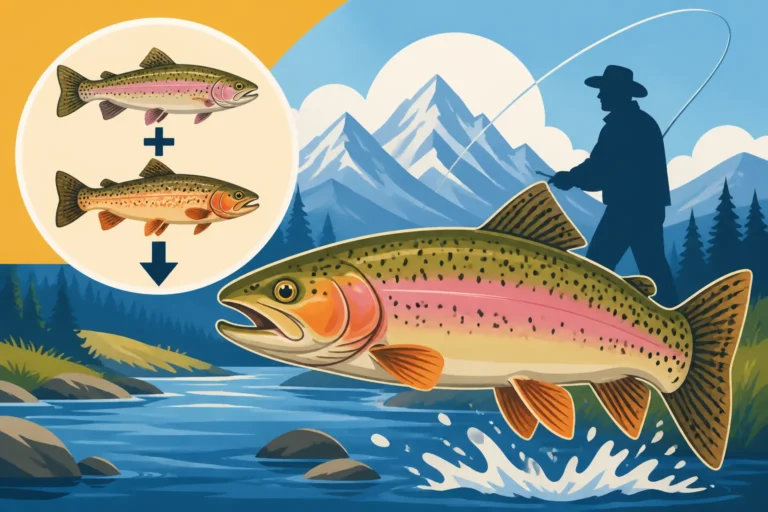
For rainbow trout, specifically, the goals are multifaceted. Rainbows are incredibly popular with anglers of all skill levels because they're feisty fighters and, let's be honest, quite beautiful to catch. The WGFD aims to provide diverse fishing opportunities, from trophy fisheries in some reservoirs to consistent catch rates in community ponds. Stocking smaller "catchable" rainbows often happens in urban ponds or easily accessible lakes to ensure success for families and beginners. These fish provide immediate angling gratification. In larger reservoirs, stocking might focus on fingerlings (very small fish) designed to grow into larger, wilder-acting trout over time, supplementing natural populations where they exist or establishing new ones where habitat allows for growth but not initial reproduction. The overall objective is to sustain and enhance the state's trout fishing legacy, making sure there are plenty of rainbows for everyone to enjoy. You can often find specifics in the annual regulations booklet about which waters are managed for what types of fishing, which is always a good read. Reading the Wyoming Fishing Regulations Booklet can really shed some light on this.
The Numbers: How Many Rainbows Annually?
While providing an exact, real-time number for how many rainbow trout Wyoming stocks each year isn't something I can do, what I can tell you is that the figure is substantial, easily running into the millions. The WGFD operates several fish hatcheries across the state, and these facilities are continuously working to raise and distribute a massive number of fish annually. It's not just a few thousand; we're talking about a significant, strategic effort to bolster Wyoming's fisheries. The exact number fluctuates based on a multitude of factors, but the commitment to providing ample angling opportunities for rainbow trout is unwavering.
Factors Influencing Stocking Numbers
Several key factors determine the yearly stocking quotas for rainbow trout:
- Angler Demand and Usage: Popular fishing spots that see heavy pressure from both residents and nonresidents often receive more fish. If a particular lake is known for its excellent rainbow fishing, and everyone wants to go there, the WGFD will ensure it's well-stocked to meet that demand.
- Water Body Size and Habitat Quality: Larger lakes and reservoirs can support more fish. The quality of the water, its temperature, oxygen levels, and available food sources all play a role in how many fish can survive and thrive after stocking.
- Natural Reproduction Rates: If a stream or lake has a healthy, self-sustaining population of wild rainbow trout, stocking might be reduced or not occur at all to protect the genetic integrity of the wild fish. Conversely, waters with poor natural reproduction will rely more heavily on stocking.
- Disease Management: Outbreaks of disease in hatcheries can temporarily impact stocking numbers. The WGFD takes immense care to ensure only healthy fish are stocked to prevent the spread of illness into wild populations.
- Budget and Resources: Hatchery operations, transportation, and personnel all cost money. The WGFD's budget, largely funded by fishing license sales and federal excise taxes on fishing gear (like that new rod you might find on Amazon!), directly influences how many fish can be raised and distributed.
- Ecosystem Balance: Stocking decisions also consider the broader ecosystem. Introducing too many fish can impact other species, either by outcompeting them for food or through predation. The WGFD strives for a balanced approach.
Species Beyond Rainbows in the Mix
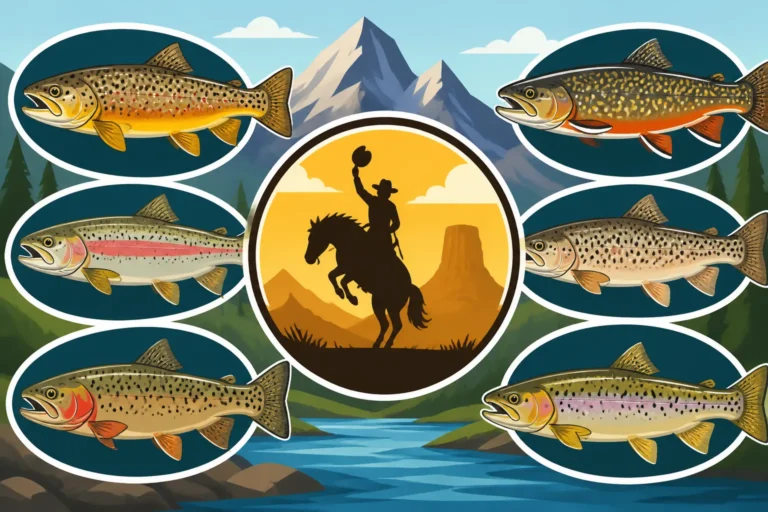
While rainbow trout are undeniably a fan favorite and a significant portion of the stocking effort, they are far from the only fish raised and released. Wyoming's hatcheries also stock millions of other species, including:
- Cutthroat Trout: Especially native strains like the Yellowstone Cutthroat, which are crucial for conservation efforts in their native ranges. Identifying a Yellowstone Cutthroat Trout is a skill every Wyoming angler should have.
- Brown Trout: Known for their elusive nature and large size, browns are stocked in specific rivers and reservoirs to provide trophy opportunities.
- Lake Trout (Mackinaw): Stocked in larger, colder waters like Flaming Gorge, where they can grow to impressive sizes, though in some areas, like Yellowstone Lake, they are an invasive species the WGFD actively tries to remove. Why Lake Trout Are Considered a Problem in Yellowstone Lake is a fascinating read on this topic.
- Brook Trout: Often found in high-mountain streams and lakes, they are smaller but abundant and fun to catch.
- Walleye: A popular warmwater species, walleye are stocked in many of Wyoming's larger reservoirs, like Boysen Reservoir, to create fantastic fishing for those who love them. Walleye Fishing in Wyoming is a completely different experience than trout fishing!
- Kokanee Salmon: These landlocked sockeye salmon provide a unique and exciting fishing opportunity, especially when they make their spawning runs in late summer and fall.
- Golden Trout: Stocked in some of the most remote, high-alpine lakes, offering a truly unique backcountry fishing experience.
So, while we talk a lot about rainbows, remember there's a huge diversity being managed, all contributing to Wyoming's incredible fishing scene.
Where Do These Trout Come From?
It's easy to imagine a magical fish faucet, but the reality of providing millions of healthy fish for Wyoming's waters is a complex and dedicated process involving multiple state-of-the-art facilities and a team of passionate professionals.
Wyoming's Hatchery System
The backbone of Wyoming's fish stocking efforts is its impressive network of state-run fish hatcheries. These aren't just ponds; they are sophisticated aquaculture facilities where fish eggs are incubated, hatched, and grown to various sizes – from tiny fry (newly hatched fish) to fingerlings (several inches long) and even catchable-sized trout.
Each hatchery specializes to some extent, but they all share the common goal of producing robust, healthy fish ready for introduction into lakes and rivers. They manage everything from water quality and feeding regimes to disease prevention and genetic diversity. It's a year-round operation, often involving meticulous record-keeping and scientific research to ensure the best possible outcomes. For instance, the Ten Sleep Hatchery, the Clark's Fork Hatchery, and the Speas Rearing Station are just a few examples of the facilities that contribute significantly to these efforts. It's a huge undertaking, demanding significant expertise and resources.
From Hatchery to Hook: The Distribution Process
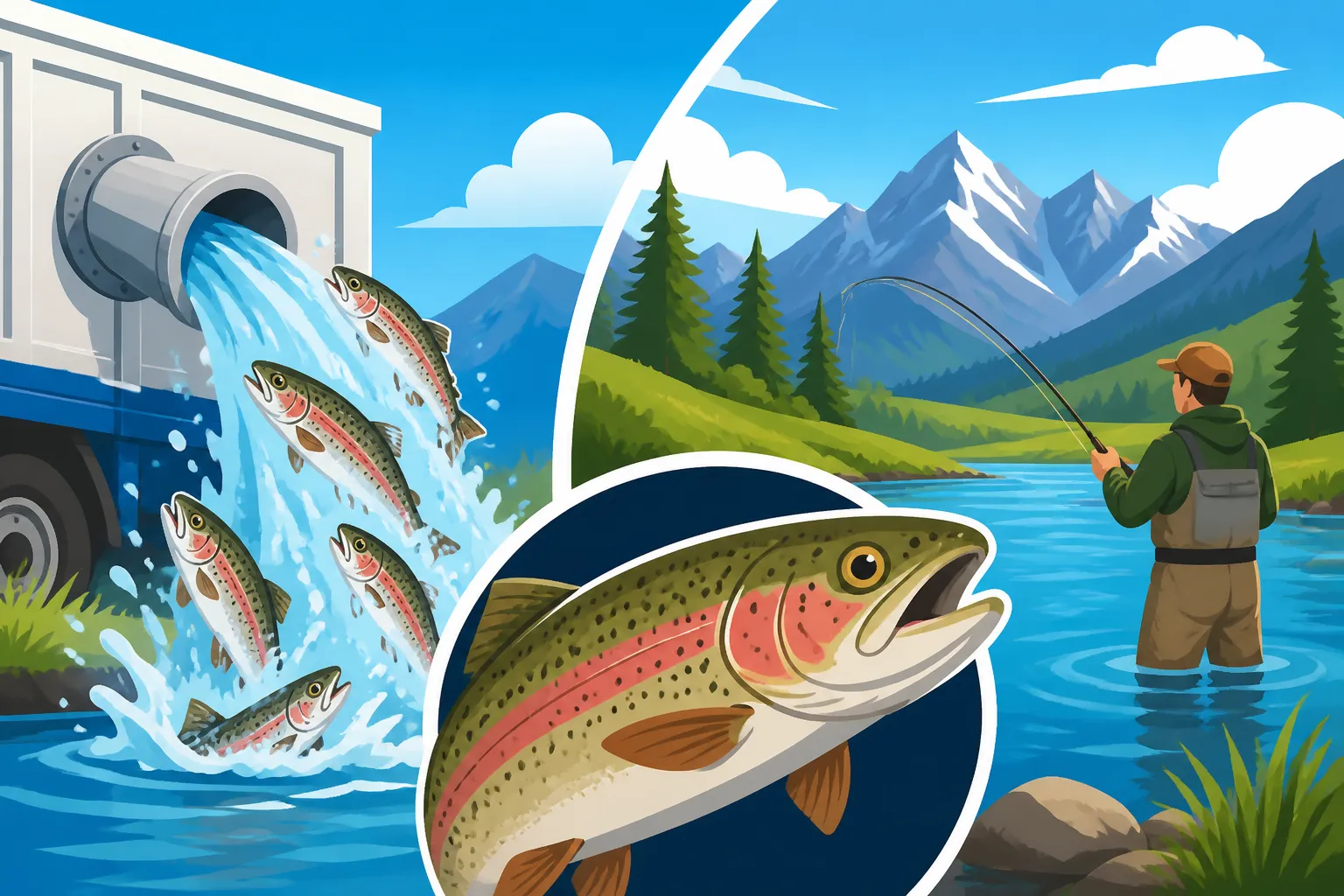
Once the fish reach the appropriate size for stocking, the next challenge is getting them to their destination. This isn't as simple as tossing a few fish into a bucket. It involves specialized stocking trucks, often equipped with oxygenated tanks, to transport thousands of fish safely over long distances, sometimes into very remote areas.
For particularly remote high-alpine lakes, inaccessible by truck, the WGFD might even employ small planes or helicopters to air-drop fish directly into the water. This method ensures that even the most pristine, isolated waters can offer a thriving fishery. Imagine being out on a hike to a secluded mountain lake and seeing a plane release a shower of tiny trout – it's a truly remarkable sight and a testament to the dedication of the WGFD to expand fishing access throughout the state, even in places where Fishing Wyoming's Wilderness and Backcountry Lakes requires serious effort.
The timing of stocking also matters. Fish are typically stocked when water temperatures are favorable, and there's enough food to support them. In community ponds, stockings might happen frequently throughout the warmer months to sustain high catch rates, while larger reservoirs might receive annual or bi-annual deposits of fingerlings to grow out over time.
| Fish Size Categories Stocked | Typical Purpose for Stocking | Examples of Water Bodies |
|---|---|---|
| Fry (tiny, < 1 inch) | Establish new populations, grow out naturally | Remote high-alpine lakes |
| Fingerlings (1-6 inches) | Supplement existing populations, grow out for future angling | Larger reservoirs like Flaming Gorge |
| Catchables (6-12+ inches) | Provide immediate angling opportunities | Community ponds, easily accessible lakes |
What This Means for Anglers
Understanding Wyoming's fish stocking program has some pretty big implications for how you approach your fishing trips. It helps you set realistic expectations, choose the right spots, and even appreciate the conservation efforts at play.
Finding Recently Stocked Waters
For many anglers, especially those taking kids out or looking for a guaranteed bite, knowing where and when fish are stocked is invaluable. The WGFD often provides stocking reports or schedules for urban fishing ponds and easily accessible lakes. Checking their official website or local offices before your trip can give you a significant advantage. These reports usually specify the species and number of fish released, making it easier to plan a successful outing.
Stocked waters are often fantastic places to experiment with different baits and lures because the fish tend to be less wary than their wild counterparts. Simple methods like power bait, worms, or small spinners often work wonders. You might even find some great starter kits or basic tackle on Amazon that are perfect for these types of waters. For those new to the sport, these are excellent places to hone your skills before tackling more challenging wild trout streams. If you're wondering How Soon After Stocking You Can Catch Fish, the answer is often almost immediately!
The Ethics of Fishing Stocked vs. Wild Trout
This is a conversation many passionate anglers have, and it's worth considering. There's a subtle but important distinction between fishing for stocked trout and pursuing wild, native fish.
- Stocked Trout: These fish are raised in a controlled environment and, initially, are less accustomed to fending for themselves. They often congregate near stocking points and might be more eager to bite. Catching them can be a fantastic way to introduce new anglers to the sport, provide consistent action, and reduce pressure on wild populations. Some anglers view them primarily as a food source, and keeping a limit of stocked rainbows is a perfectly acceptable and encouraged practice in many waters.
- Wild Trout: These fish have survived and thrived entirely on their own, often in challenging environments. They tend to be much warier, harder to catch, and represent a truly wild resource. Many anglers practice catch-and-release with wild trout, especially native species like the cutthroat, to preserve these populations for future generations. There's a profound sense of accomplishment in outwitting a truly wild fish.
Ultimately, both experiences offer immense enjoyment. Knowing whether you're fishing a predominantly stocked or wild water body can help you align your personal angling ethics with the management goals for that specific fishery. It's not about one being "better" than the other, but understanding the context.
How You Can Support Stocking Efforts
Fish stocking isn't a free endeavor, and as anglers, we all have a role to play in ensuring these programs continue to thrive for years to come. Your participation and support are vital.
Conservation and License Fees
The primary way the Wyoming Game and Fish Department funds its stocking programs, along with all its other wildlife management and conservation efforts, is through the sale of fishing licenses and conservation stamps. When you purchase a Wyoming Fishing License Guide for Nonresidents or a Wyoming Resident Fishing License Cost, a significant portion of that money goes directly back into these programs. This also includes federal funding derived from excise taxes on fishing equipment and motorboat fuels under the Dingell-Johnson Act. So, every time you buy a new fishing reel or a pack of lures, a small part of that purchase supports conservation.
These funds are crucial not just for raising fish, but for maintaining hatcheries, hiring biologists, conducting research, and ensuring the health of Wyoming's aquatic ecosystems. Think of your license as an investment in the future of fishing in the state. The Wyoming Conservation Stamp and What It Covers is another piece of the puzzle that helps secure these funds.
Engaging with Wyoming Game and Fish
Beyond purchasing your license, there are other ways to support and engage with the WGFD:
- Report Violations: If you ever witness fishing violations, reporting them to the WGFD helps protect fish populations and ensure fair play for everyone.
- Participate in Surveys: Sometimes, the WGFD conducts angler surveys to gather feedback on fishing quality and preferences. Your input helps shape future management decisions.
- Follow Regulations: Adhering strictly to bag limits, size restrictions, and specific water closures helps maintain healthy fish populations, both wild and stocked. Understanding How Bag and Possession Limits Work in Wyoming is critical.
- Clean, Drain, Dry: Practice "Clean, Drain, Dry" with your boats and gear to prevent the spread of aquatic invasive species, which can devastate fisheries and stocking efforts.
- Spread the Word: Encourage other anglers to get their licenses and understand the importance of conservation. The more people who understand and support these efforts, the better off Wyoming's fisheries will be.
By understanding the scale and purpose of Wyoming's rainbow trout stocking program, you gain a deeper appreciation for the angling opportunities available in the state. From millions of fish being nurtured in hatcheries to the strategic release into our diverse waters, it's a monumental effort dedicated to keeping our lines tight and our spirits high. So, next time you hook into a beautiful rainbow, take a moment to appreciate the journey it took to get there!
Disclaimer
This article is for general informational purposes only and does not constitute professional advice. Laws, prices and regulations vary by location and change over time. Consult a qualified professional for guidance on your specific situation.