What Wyoming Hatcheries Raise Rainbow Trout
Have you ever reeled in a beautifully speckled rainbow trout from a crystal-clear Wyoming stream and wondered about its journey? While Wyoming boasts incredible wild fisheries, a huge part of what makes our state a fishing paradise is the tireless work behind the scenes: our fish hatcheries. They play an absolutely vital role in sustaining populations, enhancing recreational opportunities, and ensuring that anglers like us can continue to enjoy the thrill of the catch for generations to come. This guide will dive deep into the specific hatcheries that raise rainbow trout in Wyoming, explaining their processes and their immense contribution to our beloved waterways.
The Crucial Role of Wyoming's Fish Hatcheries
It’s easy to think that every fish you catch in Wyoming is a wild, self-propagating marvel, and many certainly are. But the reality is that without the dedicated efforts of the Wyoming Game and Fish Department’s hatchery system, many of our favorite fishing spots simply wouldn't be able to support the sheer volume of angling pressure they receive. These facilities are the unsung heroes, working diligently year-round to ensure robust fish populations.
Why Hatcheries are Essential for Wyoming Fisheries
Wyoming is known for its vast, often remote, and sometimes harsh environments. While these conditions can produce incredibly strong wild fish, they also present challenges. Droughts can shrink rivers and reservoirs, extreme winters can cause fish kills, and increasing angler numbers put immense pressure on wild stocks. This is where hatcheries step in. They act as a crucial safety net, allowing us to:
- Supplement Natural Populations: In waters where natural reproduction is limited due or sporadic, hatcheries introduce healthy fish to maintain a fishable population. This is especially true in many lakes and reservoirs where conditions might be great for growing large fish but poor for natural spawning.
- Provide "Put-and-Take" Opportunities: Many smaller lakes, ponds, and even some stream sections near urban areas are stocked specifically to offer easy, accessible fishing for families and beginners. These fish are intended to be caught, providing immediate recreational value without impacting delicate wild populations.
- Restore Endangered Species: While this article focuses on rainbow trout, hatcheries are also critical for raising and reintroducing threatened or endangered native species, playing a key role in broader conservation efforts.
- Manage Specific Fisheries: By stocking specific sizes or strains of fish, hatcheries can help shape the dynamics of a fishery, whether it's to create trophy opportunities or provide abundant catches of pan-sized trout.
Anglers often don't realize the incredible effort that goes into raising these fish. It's not just about throwing some fish into a lake; it's a carefully managed, science-driven process designed to optimize fish health, growth, and survival once released.
The Journey of a Rainbow Trout from Egg to Release
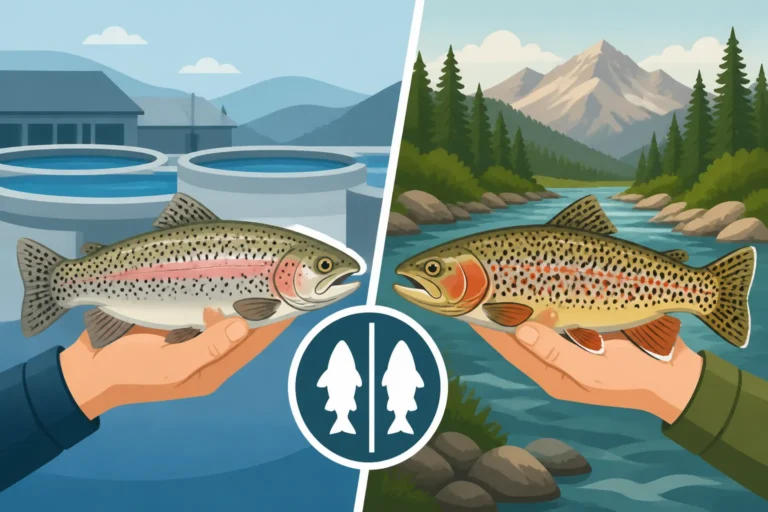
The life cycle of a hatchery-raised rainbow trout is a meticulous ballet of biological science and dedicated care. It's a far cry from the wild, but it's essential for the numbers we see in many popular waters.
The process typically begins with egg collection from carefully selected broodstock—parent fish chosen for their health, growth rates, and genetic diversity. These eggs are fertilized and then enter the incubation phase in specialized trays, where water temperature is precisely controlled to ensure optimal development. This is a critical time, as even small fluctuations can impact success.
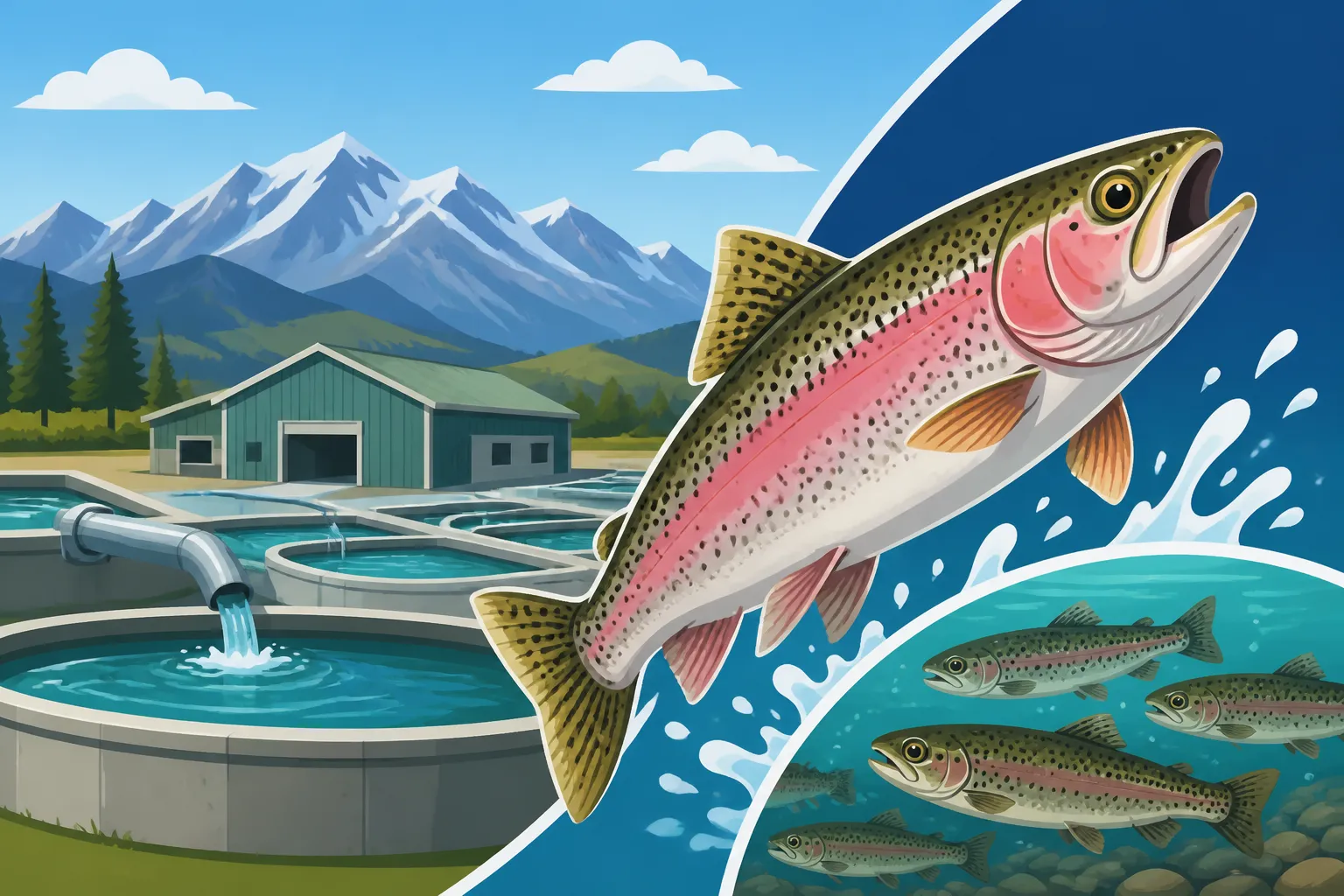
Once hatched, the tiny, translucent fish, called alevins, live off their yolk sacs. When the yolk sac is absorbed, they become fry and begin to feed on finely ground, nutrient-rich pellets. They are then moved to larger tanks or raceways, where they grow into fingerlings. This is a stage where they start to resemble miniature adult fish. As they continue to grow, they're moved to progressively larger raceways, mimicking a natural environment as much as possible while still allowing for easy monitoring and feeding.
The goal is to raise them to "stocking size," which can vary widely depending on the purpose. Some fish might be released as small fingerlings into remote high-alpine lakes, where they have plenty of time to grow naturally. Others might be raised to catchable size, often 8-12 inches, for immediate recreational fishing in accessible ponds and reservoirs.
Finally, the fish are carefully gathered, often by seining the raceways, and loaded into specialized, oxygenated tanker trucks. This can be a stressful time for the fish, so trained personnel ensure minimal handling and optimal conditions during transportation to their designated release points. This intricate process ensures that millions of healthy rainbow trout are ready to thrive once they hit the waters of Wyoming, ready to provide exciting angling experiences.
Key Wyoming Hatcheries Raising Rainbow Trout
Wyoming is fortunate to have a robust network of state fish hatcheries and culture stations, each playing a vital role in the state's fisheries management. These facilities are strategically located to serve different regions and water bodies, ensuring efficient distribution and specialized care for various species, including, of course, our beloved rainbow trout.
Specific Hatcheries and Their Contributions
Each of Wyoming's hatcheries has its own history and specialized capabilities, but they all share the common goal of providing healthy fish for the state's waters. When you catch a rainbow trout in many popular Wyoming fishing spots, it's highly likely it started its life in one of these facilities.
- Tillett Springs Rearing Station (Lovell, WY): Located in the Big Horn Basin, Tillett Springs is a substantial operation. It’s known for raising a significant number of catchable-sized rainbow trout, which are then stocked into various lakes, reservoirs, and streams primarily in the northern and central parts of Wyoming. Its spring-fed water supply provides consistent, ideal conditions for trout growth. The fish from Tillett often populate waters around communities like Cody, Sheridan, and Gillette, providing excellent local fishing opportunities. If you're planning a trip to these areas and want to know more about the local fishing, a good waterproof map, which you can often find on Amazon, can be incredibly helpful for locating stocked waters.
- Clark's Fork Hatchery (Clark, WY): Also situated in the Big Horn Basin, Clark's Fork plays a critical role, often focusing on larger rainbow trout that contribute to both put-and-take fisheries and some waters managed for quality fishing. Its capacity allows for large-scale production, supplying fish to a wide range of waters. Anglers fishing reservoirs like Buffalo Bill Reservoir or the Shoshone River drainage often benefit from fish reared at Clark's Fork.
- Como Bluff Fish Hatchery (Rock River, WY): Nestled in southeastern Wyoming, Como Bluff is a historic facility with a long tradition of fish culture. This hatchery often provides rainbow trout for waters in the southeastern region, including lakes and rivers around Laramie and Cheyenne, as well as contributing to other areas of the state. It's known for its consistent production and ability to adapt to stocking needs across diverse water types. Understanding the different strains of trout raised at hatcheries is fascinating; many books on trout species in the West are available through retailers like Amazon.
- Dubois Fish Hatchery (Dubois, WY): High in the mountains of western Wyoming, the Dubois Hatchery often focuses on raising not just rainbow trout but also other trout species that thrive in cold, high-elevation waters. Fish from Dubois are often destined for the Wind River Mountains and other western Wyoming drainages, including the Green River. This hatchery's unique location and water source make it ideal for raising fish adapted to more pristine, wilderness-like conditions. Their stocking efforts ensure that even remote, picturesque Fishing Wyoming's High-Alpine Lakes remain vibrant with fish.
These hatcheries, along with others like the Story Fish Hatchery (which primarily focuses on brook trout and brown trout), the Ten Sleep Fish Hatchery, and the Daniel Fish Hatchery, form the backbone of Wyoming's fish stocking program. They are continuously working to improve genetics, disease management, and efficiency to provide the best possible fish for Wyoming's anglers.
Beyond Rainbows: Other Species Raised
While rainbow trout are a major focus, these hatcheries are far from one-trick ponies. Their operations are diverse, and they often raise a variety of other popular game fish species critical to maintaining Wyoming's angling diversity. For instance:
- Cutthroat Trout: Wyoming's state fish, the cutthroat trout, receives significant attention, especially native subspecies like the Snake River Fine-Spotted Cutthroat and the Yellowstone Cutthroat. Hatcheries help to preserve and restore these iconic fish populations, particularly in their native ranges where habitat might be degraded or competition from non-native species is a threat.
- Brown Trout: Known for their elusive nature and trophy potential, brown trout are also reared. These are often stocked in waters where natural reproduction is insufficient to meet demand or to introduce them into new, suitable habitats.
- Brook Trout: These beautiful, feisty fish are popular in many small streams and high-mountain lakes. Hatcheries ensure a steady supply, especially for "put-and-grow" scenarios in remote locations.
- Kokanee Salmon: While technically a landlocked sockeye salmon, kokanee are a popular sport fish in reservoirs like Flaming Gorge and Pathfinder. Hatcheries raise these silver missiles to provide a unique and exciting fishery.
- Walleye and Sauger: In many of Wyoming's warmer, eastern reservoirs, species like walleye and sauger are highly prized. Hatcheries play a critical role in producing these fish to enhance popular fisheries in places like Boysen Reservoir and Glendo Reservoir.
- Lake Trout (Mackinaw): While some waters have wild lake trout, hatcheries may also rear them for specific management goals, though their management often involves careful consideration due to their predatory nature, especially in sensitive ecosystems like Yellowstone Lake.
This multi-species approach allows the Wyoming Game and Fish Department to tailor stocking programs to specific water bodies, ensuring that whether you're chasing a trophy walleye or a colorful brook trout, there's a healthy population waiting for you.
How Wyoming Game and Fish Decides Where to Stock Rainbow Trout
The decision-making process for where and when to stock rainbow trout (or any fish, for that matter) in Wyoming is a complex one, driven by scientific research, angler feedback, and conservation goals. It's not just a random act; it's a carefully crafted strategy.
Balancing Wild Populations with Stocked Fish
One of the primary considerations for the Wyoming Game and Fish Department (WGFD) is maintaining a delicate balance between supporting recreational fishing through stocking and preserving the genetic integrity and health of wild fish populations.
- Genetic Considerations: WGFD biologists are extremely careful to avoid stocking fish in waters with healthy wild populations if there's a risk of genetic dilution or competition. For example, Wyoming's Stocked Rainbow Trout Program typically focuses on waters where wild rainbow populations are non-existent or minimal. If the goal is to enhance a wild population, specific strains of fish that are genetically similar to the native fish might be used, or efforts might focus on improving habitat to support natural reproduction.
- Habitat Suitability: Not all waters are created equal. Biologists assess water temperature, oxygen levels, food availability, and potential predators to determine if a body of water can support stocked fish. Stocking fish into unsuitable habitat is a waste of resources and detrimental to the fish.
- Disease Prevention: Hatcheries operate under strict biosecurity protocols to prevent the spread of diseases. Before any fish are stocked, they undergo rigorous health inspections. This is crucial to protect both the hatchery fish and any wild fish they might encounter. The movement of fish is carefully controlled to prevent the introduction of pathogens into new ecosystems.
- Angler Demand vs. Ecological Impact: There's always a desire from anglers for more fish, but WGFD must balance this demand with the ecological capacity of the water. Overstocking can lead to stunted growth, increased disease, and negative impacts on other aquatic species. This is why you'll find detailed information on How Many Rainbow Trout Wyoming Stocks Each Year and Where Wyoming Stocks Rainbow Trout, demonstrating a data-driven approach.
The department is constantly analyzing data, conducting surveys, and making adjustments to ensure stocking benefits both anglers and the aquatic ecosystem.
The Importance of Angler Reporting and Research
Believe it or not, your observations as an angler play a significant role in helping WGFD make informed stocking decisions. Every time you fill out a creel survey, report a unique catch, or provide feedback, you're contributing to the collective knowledge that shapes these programs.
- Creel Surveys and Biological Sampling: WGFD personnel regularly conduct creel surveys at popular fishing locations, asking anglers about their catch, success rates, and overall experience. They also perform biological sampling, such as electrofishing or netting, to assess the health, growth, and population structure of fish in a given water body. This data helps them understand the success of previous stocking efforts and identify new needs.
- Public Input and Feedback: The WGFD holds public meetings and gathers input on proposed stocking changes or new regulations. Anglers can share their experiences and concerns, which helps shape future management plans. This democratic approach ensures that the programs reflect the desires of the angling community while upholding conservation principles.
- Research and Innovation: WGFD biologists are continually engaged in research to improve hatchery techniques, understand fish behavior, and develop more effective stocking strategies. This might include studies on different strains of rainbow trout, optimal stocking sizes, or the best times of year for release. For example, research might inform decisions about whether Do Stocked Rainbow Trout Reproduce in the Wild? in certain waters, guiding future stocking methods.
This collaborative approach, blending scientific expertise with public participation, is what makes Wyoming's fisheries management so effective and ensures that our angling traditions continue to thrive.
Supporting Wyoming's Hatchery Program
The incredible work done by Wyoming's fish hatcheries doesn't happen for free. It requires significant funding and public support to keep these vital operations running smoothly and efficiently. Understanding how you contribute is key to appreciating the larger picture.
The Role of Fishing Licenses and Conservation Stamps
As anglers, one of the most direct and impactful ways we support the hatchery program is through the purchase of fishing licenses and conservation stamps. These aren't just pieces of paper; they are investments in the future of Wyoming's fisheries.
- Funding Operations: The revenue generated from the sale of Wyoming Fishing License Guide for Nonresidents and resident licenses, as well as various permits, directly funds the operating costs of the state's hatcheries. This includes everything from fish food and equipment maintenance to the salaries of the dedicated staff who care for millions of fish each year. Without this consistent funding, the scale of Wyoming's stocking program would be drastically reduced.
- Conservation Stamp Contribution: The Wyoming Conservation Stamp, a mandatory purchase for most adult anglers, is specifically designed to support broader conservation efforts. This includes habitat improvement projects, wildlife management, and yes, the critical work done by the hatcheries. Knowing The Wyoming Conservation Stamp and What It Covers helps you understand that your contribution extends beyond just the fish you catch. It's about protecting the entire ecosystem.
- A Sustainable Cycle: It's a beautiful cycle: you buy a license, that money goes to raise fish, those fish are stocked, and you and others catch them, enjoying the sport. This encourages more license sales, perpetuating the funding for future generations of fish. Even if you're just looking for some new fishing accessories, remember that retailers like Amazon also offer educational books on conservation that highlight the importance of these programs.
It truly is a community effort, and every license purchased helps keep our waters brimming with healthy fish.
Volunteer Opportunities and Public Engagement
Beyond financial contributions, there are other ways to support and engage with Wyoming's hatchery program, fostering a deeper connection to the resource we all enjoy.
- Hatchery Tours and Education: Many of Wyoming's hatcheries offer public tours and educational programs. This is a fantastic opportunity for individuals and families to see firsthand how fish are raised, from tiny eggs to catchable size. It’s an eye-opening experience that builds appreciation for the hard work involved. These tours can be especially engaging for kids and help cultivate the next generation of conservation-minded anglers.
- Volunteer Stocking Assistance: Occasionally, WGFD might call for volunteers to assist with stocking efforts, particularly in remote high-alpine lakes. This usually involves carrying buckets of fish to various points around a lake or stream. It’s physically demanding but incredibly rewarding, offering a unique opportunity to directly contribute to the success of a fishery. These efforts often focus on Fishing Wyoming's Wilderness and Backcountry Lakes.
- Advocacy and Awareness: Being an informed angler and advocating for responsible fisheries management is another powerful way to contribute. This means staying up-to-date on regulations, participating in public forums, and sharing your knowledge with others. Spreading awareness about the importance of hatcheries and conservation helps garner broader community support for these programs.
By engaging with the hatchery program, whether through a license purchase, a tour, or volunteer work, you become a more integral part of Wyoming's rich angling heritage. It's a rewarding experience that connects you more deeply to the fish and the waters you love.
Here's a brief look at some of Wyoming's key hatcheries and their primary contributions:
| Hatchery Name | Location | Primary Species (incl. Rainbow) | Key Contribution/Focus | Notes |
|---|---|---|---|---|
| Tillett Springs Rearing Station | Lovell, WY | Rainbow Trout, Cutthroat Trout | Mass production of catchable-sized trout for northern/central waters | Spring-fed water, large raceways, crucial for recreational fishing |
| Clark's Fork Hatchery | Clark, WY | Rainbow Trout, Brown Trout | Supplying quality trout for Big Horn Basin and beyond | High capacity, often for larger trout |
| Como Bluff Fish Hatchery | Rock River, WY | Rainbow Trout, Walleye | Stocking southeastern Wyoming waters, historic facility | Long history, adapts to diverse stocking needs |
| Dubois Fish Hatchery | Dubois, WY | Rainbow Trout, Cutthroat Trout, Golden Trout | Supplying high-elevation and western Wyoming waters | Focus on cold-water species for mountain environments |
| Story Fish Hatchery | Story, WY | Brook Trout, Brown Trout | Focus on species for smaller streams and specific regional needs | Historic hatchery, often handles unique projects |
Disclaimer
This article is for general informational purposes only and does not constitute professional advice. Laws, prices and regulations vary by location and change over time. Consult a qualified professional for guidance on your specific situation.