Guided Backcountry Pack Trips for High-Lake Fishing
Dreaming of escaping the crowds and casting a line in pristine, high-altitude waters where the fish are wild and the views are absolutely breathtaking? Many anglers yearn for that truly remote Wyoming experience, but the sheer logistics of getting deep into the backcountry with all your gear can feel incredibly daunting, often leading folks to stick to more accessible, well-trodden paths. This comprehensive guide is here to unravel the mystery and make that dream a reality by explaining everything you need to know about guided backcountry pack trips for high-lake fishing in Wyoming.
What Exactly is a Guided Backcountry Pack Trip?
When we talk about a "guided backcountry pack trip" for fishing in Wyoming, we're not just discussing a day hike to a nearby lake. We're venturing into a multi-day expedition, often spanning several days and nights, deep into designated wilderness areas or national forests where roads simply don't exist. These trips are specifically designed to take you to remote, high-altitude lakes and streams that see minimal fishing pressure, offering an unparalleled angling experience in truly wild settings. It's about combining the adventure of a wilderness trek with the focused pursuit of trout in their native, untouched habitats.
Beyond the Trailhead: The Allure of High-Lake Fishing
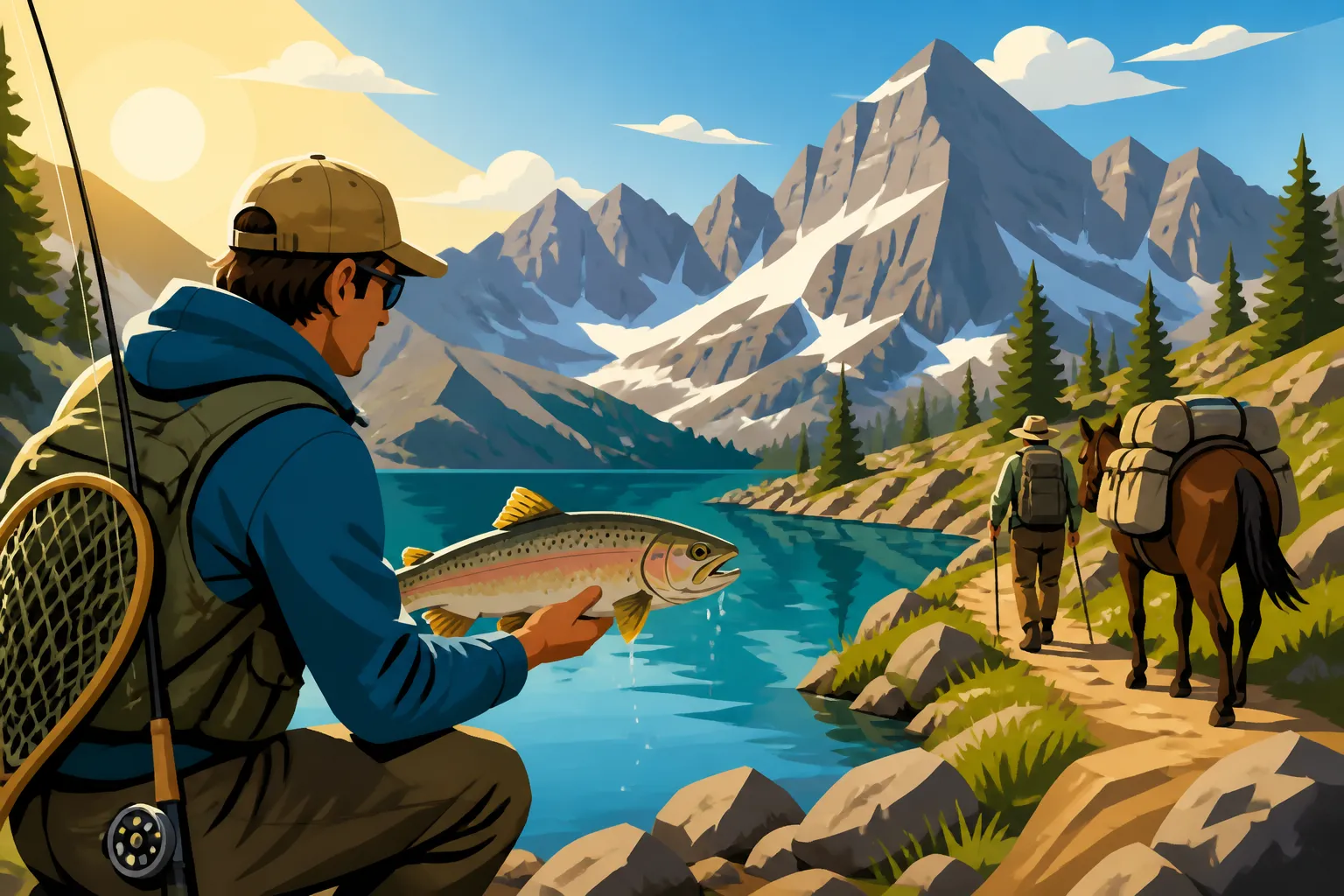
The magic of high-lake fishing begins where the pavement ends. Imagine hiking for miles, leaving behind the sounds of civilization, until you reach a pristine alpine lake, nestled in a cirque of towering peaks. These waters are often crystal clear, fed by snowmelt, and hold populations of eager, wild trout – frequently Golden Trout Fishing in Wyoming or Brook Trout Fishing in Wyoming, and sometimes even native cutthroat species. The allure isn't just the fish themselves, but the entire journey: the crisp mountain air, the solitude, the star-filled nights without light pollution, and the challenge of reaching places few ever see. It's a profound connection with nature that goes far beyond just catching fish.
What truly sets these trips apart is the sense of accomplishment and the immersion in an environment where human influence is minimal. You might encounter moose grazing at the water's edge, spot bighorn sheep on rocky slopes, or hear the call of an eagle overhead. These experiences are rare in our increasingly crowded world, and the effort to reach these places makes the rewards that much sweeter. For many, it's not just a fishing trip; it's a spiritual retreat and a profound adventure into the heart of Wyoming's wilderness.
The "Pack" in Pack Trip: Horses, Mules, and Logistics
The "pack" in pack trip refers to the critical role of pack animals – typically horses for riding and mules for carrying gear – in accessing these remote locations. While you might hike some stretches, especially near camp or while fishing, the majority of the journey into and out of the backcountry will be on horseback. The mules, led by experienced wranglers, carry everything from tents and sleeping bags to cooking equipment, food, and even fishing gear, making it possible to establish a comfortable camp miles from any road. This eliminates the need for you to shoulder heavy packs, allowing you to conserve energy for fishing and enjoying the scenery.
The logistics are handled entirely by your outfitter. This includes everything from organizing the horses and mules, hiring experienced guides and wranglers, planning the route, securing necessary permits, and packing all the provisions. Think about the sheer effort of carrying several days' worth of food, water filtration systems, emergency supplies, and camping gear for multiple people. The pack animals and the expertise of the crew make this seemingly impossible feat not only possible but enjoyable. It’s a return to a traditional mode of wilderness travel, adding another layer of authenticity to the adventure.
Why Choose a Guided Trip for High-Lake Angling?
While the idea of a solo backcountry adventure is romantic, tackling Wyoming's high-altitude wilderness, especially for multi-day fishing, comes with significant challenges. This is precisely where a guided trip shines. Outfitters provide not just access, but expertise, safety, and a depth of local knowledge that can transform a potentially risky endeavor into a comfortable and incredibly rewarding experience. When you're heading into places like the High-Elevation Lakes in the Wind River Mountains, having professional support is invaluable.
Navigating Uncharted Territory and Remote Access
Wyoming's backcountry, while stunning, can be a labyrinth for the uninitiated. Trails might be faint, unmaintained, or even non-existent in certain areas, particularly as you approach truly isolated high-alpine lakes. Weather conditions can change rapidly and dramatically, turning a clear sunny morning into a blizzard in a matter of hours, even in summer. Navigating these remote areas safely, especially with heavy gear, requires intimate knowledge of the terrain, weather patterns, and proper wilderness navigation skills. Guides possess this critical knowledge, ensuring you stay on track and reach your destination safely.
Furthermore, getting horses and mules through rough terrain, across streams, and over mountain passes requires specialized horsemanship and animal care skills. It's not as simple as pointing them in the right direction. A reputable outfitter employs experienced wranglers who know how to manage their string of animals efficiently and safely, minimizing risks for both the animals and the clients. They also know the best routes to conserve energy, avoid dangerous sections, and ultimately get you to the most productive fishing grounds. This logistical expertise is a cornerstone of a successful high-lake pack trip.
Expertise in Wyoming's High-Country Fisheries
One of the greatest advantages of a guided trip is the guide's in-depth knowledge of the local fisheries. They know which lakes are holding what species, what flies or lures are currently working, and where the fish are likely to be at different times of day or seasons. How to Fish Wyoming's High-Alpine Lakes effectively requires understanding the unique ecosystems of these isolated waters. A guide can instantly assess water conditions, hatches, and fish behavior, putting you on fish faster and increasing your chances of success, especially if you're targeting specific species.
Imagine spending days hiking to a remote lake only to discover you're using the wrong techniques or that the fish aren't active in that particular area. A guide eliminates this guesswork. They often have decades of experience fishing these exact waters, observing seasonal changes, and understanding the nuances of high-country trout. They can teach you specialized techniques, help you choose the right gear, and even provide valuable insights into the ecology of these fragile environments. Their expertise ensures you spend more time fishing productively and less time wondering if you're in the right place.
Safety and Preparedness in Wild Landscapes
The wild beauty of Wyoming's backcountry also harbors inherent risks. Encounters with wildlife, sudden weather shifts, getting lost, or sustaining an injury miles from medical help are all real possibilities. A professional guide is trained in wilderness first aid, carries satellite communication devices for emergencies, and knows how to make critical decisions to ensure the safety of the entire party. They understand how to properly store food to avoid attracting bears, how to set up a secure camp in exposed areas, and how to react to unexpected challenges. Their primary role is to keep you safe in an unforgiving environment.
Think about managing a group of people, pack animals, and equipment across challenging terrain for several days. It's a monumental task. Guides bring essential safety gear, from comprehensive first-aid kits to bear spray and emergency shelters. They are your direct line to assistance if anything goes awry. This peace of mind allows you to fully relax and immerse yourself in the experience, knowing that you have a competent and prepared professional leading the way. The investment in a guided trip is often as much about safety and logistical support as it is about the fishing itself.
What to Expect on a Wyoming High-Lake Pack Trip
So, you're convinced a guided pack trip is for you – what does the actual experience look like? These trips are as diverse as Wyoming's landscapes, but generally, they share a common rhythm of wilderness travel, comfortable camping, and incredible fishing. They require a certain level of physical fitness and a willingness to embrace the rustic charm of backcountry living, but the rewards are immeasurable.
Trip Duration and Itinerary Variations
Most guided high-lake pack trips in Wyoming range from 3 to 7 days, though longer expeditions are certainly possible. The duration often depends on how far into the wilderness you wish to go and how many different lakes or drainages you want to explore. A shorter trip might focus on one or two nearby high lakes, while a longer trip could involve establishing a base camp and then taking day rides or hikes to explore multiple remote fisheries. Outfitters will typically have established itineraries, but many are flexible and can be customized to your group's preferences and physical capabilities.
Your itinerary will likely involve riding horses for several hours each day to reach your destination, setting up camp, and then spending full days fishing. Sometimes, you'll move camp every few days to explore new areas. Expect early mornings to take advantage of prime fishing times and crisp mountain air. Wyoming Fishing Seasons Month by Month will influence the best time to go, with late summer and early fall often being ideal for high-country access. Communication with your outfitter about your desired experience is key to tailoring the perfect adventure.
Gear, Meals, and Camp Life
One of the greatest comforts of a guided pack trip is that the outfitter handles the bulk of the essential camping gear. You'll typically be provided with sturdy tents, comfortable sleeping pads, and often even sleeping bags, though some anglers prefer to bring their own. All cooking equipment, fresh food, and water filtration systems are also taken care of. Meals are surprisingly good in the backcountry, often prepared over an open fire or on a propane stove, ranging from hearty breakfasts to gourmet dinners. Dietary restrictions can usually be accommodated with advance notice.
Your personal gear will mainly consist of appropriate clothing layers for fluctuating mountain weather, rain gear, sturdy hiking boots, and your personal fishing tackle. What Gear to Pack for a Backcountry Fishing Trip is a crucial consideration, and your outfitter will provide a detailed checklist. Camp life is rustic but comfortable – think crackling campfires, shared stories under a canopy of stars, and the satisfying sounds of nature. While there are no showers, you'll likely have access to pristine streams for refreshing dips (if you're brave enough!) and plenty of fresh mountain air.
Target Species and Fishing Techniques
Wyoming's high-alpine lakes are renowned for their healthy populations of trout, most notably cutthroat, brook, and golden trout. Depending on the specific drainage and stocking history, you might also find rainbow or even splake (a brook trout/lake trout hybrid). What Trout Species Are Stocked in Wind River High Lakes often dictates your target. Guides are experts at identifying where these fish hold and what they're biting on. Fly fishing is incredibly popular in these clear waters, with dry flies often producing spectacular surface action, especially during hatches. Nymphing and streamer fishing can also be highly effective.
For those who prefer spin fishing, small spinners, spoons, and jigs can be very productive. The key is to use light tackle and approach the water stealthily, as these fish are often less pressured but can still be wary in ultra-clear water. Your guide will provide invaluable advice on presentation, fly selection, and reading the water to maximize your success. Many trips emphasize Catch-and-Release Rules on Wyoming Waters for conservation, ensuring these pristine fisheries remain vibrant for future generations. It’s an ideal setting to hone your skills or learn new ones from an experienced professional.
Finding the Right Outfitter for Your Adventure
Choosing the right outfitter is paramount to the success and enjoyment of your guided backcountry pack trip. This isn't a decision to rush. You're entrusting your safety, comfort, and a significant investment to this company, so due diligence is essential. Websites like FishingBooker can be a great starting point for finding reputable guides in Wyoming.
Key Questions to Ask Prospective Guides
When you're researching potential outfitters, don't be shy about asking plenty of questions. This helps ensure that their services align with your expectations and that they are legitimate and experienced. Here's a table of important questions to consider:
| Category | Key Questions to Ask |
|---|---|
| Experience & Safety | How long have you been operating guided pack trips in Wyoming? What wilderness first aid certifications do your guides hold? What is your protocol for emergency situations or unexpected weather changes? Can you provide references from past clients? |
| Logistics & Comfort | What is your typical group size? What kind of tents and sleeping arrangements do you provide? What is the average riding time each day? How are meals handled, and can you accommodate dietary restrictions? What is your policy on client-supplied gear? |
| Fishing Specifics | Which specific lakes/drainages do you typically visit on these trips? What fish species can I expect to target? What are your recommendations for fishing tackle (rods, reels, lines, flies/lures)? Is catch-and-release mandatory, or can we keep some fish? |
| Costs & Inclusions | What is included in the trip price (e.g., permits, food, horses, guides, basic gear)? What additional costs should I anticipate (e.g., fishing license, gratuities, personal gear rentals)? What is your payment schedule and cancellation policy? |
| Permits & Regulations | Are you properly licensed and permitted to operate in the areas we will be visiting (e.g., National Forest, Wilderness Area)? Do you assist with obtaining fishing licenses or conservation stamps? |
A good outfitter will be transparent and happy to answer all your questions thoroughly. FishingBooker often provides platform reviews and guide profiles that can help you with initial screening before you reach out directly.
Licensing, Permits, and Ethical Considerations
In Wyoming, all professional fishing guides and outfitters operating on public lands (which includes most of the prime backcountry fishing areas) must be properly licensed by the Wyoming Board of Outfitters and Professional Guides. They also need specific permits from the managing land agencies, such as the U.S. Forest Service or Bureau of Land Management, for the areas they operate in. This isn't just bureaucratic red tape; it's a vital layer of consumer protection and ensures that outfitters adhere to safety standards and environmental regulations. Always confirm that an outfitter is fully licensed and permitted. You can often verify this through the Wyoming Board's website.
Beyond licensing, consider the outfitter's commitment to ethical wilderness practices. Look for those who prioritize Leave No Trace principles, practice responsible animal handling, and emphasize sustainable fishing practices like catch-and-release, especially for native species. A reputable outfitter will not only guide you to incredible fishing but will also educate you on how to minimize your impact on the delicate high-country ecosystem. This ensures that the wild places you visit remain pristine for future generations of anglers.
Booking Your High-Lake Fishing Expedition
Once you've done your research, asked your questions, and found an outfitter that feels like the right fit, it's time to book your adventure! Due to the limited number of permits and the popularity of these unique trips, it's highly recommended to book well in advance, especially if you're planning for peak season (typically July through September). Many outfitters are booked a year or more out, so early planning is crucial.
Platforms like FishingBooker can help you explore options and even initiate booking inquiries. Always read the contract carefully, paying close attention to cancellation policies, payment schedules, and what is explicitly included and excluded from the price. Confirm everything in writing. Prepare for your trip by getting in good physical shape, gathering your personal gear, and reviewing any materials your outfitter sends you. A little preparation goes a long way in ensuring you have an incredible, memorable, and successful Hiring a Fishing Guide in Wyoming experience deep in the high-country. Get ready to cast into some of Wyoming's most breathtaking and untouched waters!
Disclaimer
This article is for general informational purposes only and does not constitute professional advice. Laws, prices and regulations vary by location and change over time. Consult a qualified professional for guidance on your specific situation.