How Much a Multi-Day Pack Trip Costs
The dream of a multi-day pack trip into Wyoming's wild, untouched backcountry for some incredible fishing often comes with one big, looming question: how much is this adventure actually going to set you back? It's a valid concern, as these trips are a significant investment, but understanding the factors that influence the cost can help you plan and budget for that unforgettable escape into the wilderness. This guide will break down the variables, give you a realistic idea of what to expect, and help you gauge the value of your investment.
Understanding What a Multi-Day Pack Trip Entails
Before we dive into the nitty-gritty of costs, it's essential to understand what a "multi-day pack trip" truly means in the context of Wyoming fishing. This isn't just a day trip with a guide; it's an immersive experience where you journey deep into the wilderness, often far beyond roads, relying on horses or mules to carry your gear, food, and camp supplies. You'll spend nights under the stars, waking up to pristine mountain air and fishing some of the most secluded and productive waters Wyoming has to offer.
The Journey into the Wild
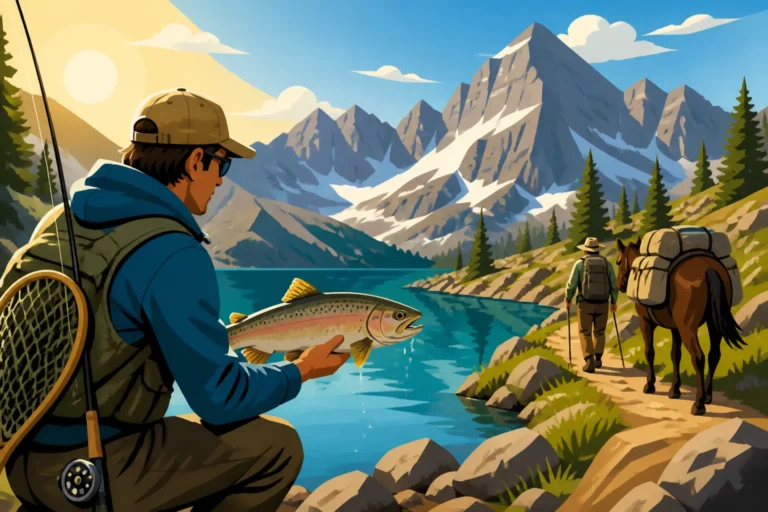
These trips are defined by their remoteness. Unlike a guided day float on a popular river, a pack trip takes you to places that are inaccessible by vehicle. This means traversing national forests, wilderness areas, and high-alpine environments, often into the Wind River Range, the Absarokas, or other spectacular mountain wildernesses. The journey itself is a significant part of the adventure, involving hours, sometimes days, of riding through breathtaking scenery. Imagine riding through dense pine forests, breaking out into vast meadows, and crossing sparkling mountain streams, all with the anticipation of reaching a secret lake or a stretch of river few ever see. Outfitters provide the horses and mules, handle all the logistics of animal care, and ensure the safety and comfort of both the animals and their human cargo.
Establishing a Wilderness Camp
Once you arrive at your designated fishing grounds, a wilderness camp is established. This isn't your typical drive-up campground. Depending on the outfitter and the trip's luxury level, this could range from comfortable tent camps with cots, cook tents, and designated areas for communal meals, to more rustic spike camps with smaller, more basic shelters. The outfitter and their crew are responsible for setting up and breaking down camp, cooking all meals, managing water, and ensuring a safe and comfortable environment far from civilization. Think hot coffee brewing over an open fire as the sun rises, hearty meals prepared fresh daily, and the sounds of the wilderness lulling you to sleep. It’s about leaving behind the stresses of modern life and fully embracing the quiet solitude of the mountains.
The Fishing Experience
The primary draw, of course, is the fishing. Multi-day pack trips grant you access to waters that receive minimal pressure, leading to exceptional opportunities for various trout species, including Cutthroat Trout Fishing in Wyoming, Golden Trout Fishing in Wyoming, and healthy populations of brook and rainbow trout. You might be targeting high-alpine lakes teeming with eager golden trout, or remote stretches of river where native cutthroats rise freely to dry flies. The days are spent exploring different waters, with your guide leading the way, sharing their intimate knowledge of the area, and providing expert instruction. This access to untouched fisheries is what truly makes a pack trip an unparalleled angling experience. Guides are typically experienced fly fishermen and can cater to various skill levels, from beginners looking to learn the ropes to seasoned anglers seeking a new challenge.
Key Factors Influencing the Cost of a Multi-Day Pack Trip
The price tag on a multi-day pack trip can vary widely, much like comparing a weekend car camping trip to a fully catered African safari. Several key elements come into play when outfitters calculate their rates. Understanding these factors will help you make an informed decision and find a trip that fits your budget and expectations.
Duration of the Trip
This is perhaps the most straightforward factor. A longer trip inherently costs more because it requires more resources, more guide days, and more food and supplies. A quick 3-day, 2-night excursion will always be less expensive than a full 7-day, 6-night adventure. Each additional day means another day of pay for guides and wranglers, another day's worth of feed for the horses and mules, and more provisions to pack in. When you're looking at options on platforms like FishingBooker, you'll see trip lengths clearly laid out, often correlating directly with the baseline price. Many outfitters offer incremental pricing, so you can sometimes add an extra day or two to a standard package for a per-day fee.
Inclusions and Level of Service
The "all-inclusive" nature of a pack trip can vary significantly. What exactly is covered in the base price?
- Basic vs. Luxury: A more budget-friendly trip might include essential guiding, horses, basic camp gear (tents, cots, cooking equipment), and simple, hearty meals. A more luxurious option could feature gourmet meals, larger "glamping" style tents with amenities, daily hot showers, specialized fishing gear provided (rods, reels, flies), and perhaps even a dedicated chef or more support staff.
- Guide-to-Client Ratio: A higher guide-to-client ratio (e.g., one guide for every two anglers) generally translates to a higher cost but also more personalized instruction and attention. Group trips with a lower ratio (one guide for four or five anglers) will be more economical.
- Specialized Gear: While horses and basic camping gear are always included, some outfitters might include high-end fly rods, reels, waders, and an extensive fly selection, saving you the hassle and expense of bringing your own or buying new. Others might expect you to bring all your personal fishing equipment. It's always crucial to clarify what gear is provided versus what you need to bring, especially for items like sleeping bags and personal hygiene products.
Remoteness and Terrain
The more remote and challenging the terrain, the higher the cost. Why?
- Travel Time: Reaching truly secluded high-alpine lakes or deep wilderness rivers means longer rides for the pack string and guides, often over more difficult trails. This translates to more man-hours and animal-hours.
- Logistics: Planning and executing a trip into deep wilderness requires more complex logistics, including specialized packing techniques, increased safety protocols, and often more robust equipment. Some areas may require specific permits or additional fees. If you're heading to places like the core of the Wind River Range, where access points are limited and the trails are rugged, expect the cost to reflect that extra effort. This factor ties directly into safety and the experience of the wranglers and guides who are navigating challenging landscapes.
Time of Year and Demand
Like any travel service, demand can influence pricing. Peak season for backcountry fishing in Wyoming (typically late summer through early fall, when high-country lakes are free of ice and stream flows are stable) can command higher prices. If you're flexible with your dates and can travel during the shoulder seasons (early summer after runoff, or late fall before snow), you might find more competitive rates. However, shoulder seasons also come with their own challenges, such as unpredictable weather or higher water levels from snowmelt. Discussing this with an outfitter or checking platforms like FishingBooker for available dates can reveal when prices might fluctuate.
Group Size
Some outfitters offer a per-person rate that decreases slightly with larger groups, as certain fixed costs (like the lead guide's salary, the cost of the cook tent, or the base camp equipment) can be spread across more people. Conversely, if you're looking for a private, solo, or two-person trip, expect to pay a premium for that exclusivity. Confirm with the outfitter if their listed prices are based on a minimum group size or if they offer different rates for smaller parties.
Typical Cost Ranges and What You Get
It's difficult to pinpoint exact figures without knowing specific trip details, as prices can vary year to year and by outfitter. However, we can generally categorize multi-day pack trip costs into broad tiers, giving you a ballpark idea of what to expect for different levels of experience. Remember, these are general guidelines, and it's essential to get detailed quotes from specific outfitters.
The Entry-Level Adventure: More Rustic, Less Frills
For those looking for the core experience without all the bells and whistles, entry-level multi-day pack trips are generally shorter, perhaps 3-4 days. They focus on providing essential guiding, transport, and sustenance.
What to Expect:
- Duration: Often 3-4 days, 2-3 nights.
- Inclusions: Horses/mules for transport, a professional guide, basic tent camping (you might share a tent), hearty but simple camp meals (think stews, hot sandwiches, basic breakfast fare), and essential cooking gear. You'll likely need to bring your own sleeping bag, pillow, and all personal fishing gear and toiletries.
- Fishing Access: Access to good, less-pressured waters, but perhaps not the absolute deepest, most challenging wilderness areas.
- Value: This option offers an incredible value for getting into the backcountry without breaking the bank. It's perfect for those who prioritize the experience over luxury and are comfortable with a more rugged camping style. Many outfitters list these types of trips as their standard offerings, and you can often find them listed on sites like FishingBooker with transparent details on what's included.
The Mid-Range Expedition: Enhanced Comfort and Service
Stepping up to a mid-range trip typically means a longer duration and a noticeable upgrade in comfort and amenities. These trips strike a good balance between wilderness immersion and a more relaxed, comfortable camp experience.
What to Expect:
- Duration: Typically 5-7 days, 4-6 nights.
- Inclusions: All the basics, plus more comfortable individual or semi-private tents, cots, perhaps a dedicated dining tent, more varied and elaborate meals (fresh fruits, desserts, better cuts of meat), and potentially some shared fishing gear. The guide-to-client ratio might be a bit better, offering more personalized attention.
- Fishing Access: Deeper into the wilderness, reaching more remote and often more productive fisheries. Guides might spend more time teaching specific techniques for Fly Fishing Techniques for Wyoming Trout Streams or targeting specific species like Brook Trout Fishing in Wyoming.
- Value: This tier offers a significant step up in comfort and extends your time in the wilderness, allowing for a more thorough exploration of the fishing grounds. It's ideal for those who want a solid week-long adventure with a good level of service and comfort.
The Premium Wilderness Retreat: Unforgettable Luxury in the Backcountry
At the higher end, multi-day pack trips venture into true luxury, combining rugged wilderness with top-tier service, gourmet dining, and maximum comfort. These are often longer trips designed for discerning anglers or those celebrating a special occasion.
What to Expect:
- Duration: 7+ days, 6+ nights.
- Inclusions: Spacious, private tent cabins with cots and comfortable bedding, hot showers, gourmet meals prepared by a dedicated cook (think fresh-baked goods, elaborate appetizers, fine wines), a very low guide-to-client ratio for highly personalized service, and all top-of-the-line fishing gear provided. You might also have a dedicated wrangler or camp staff to cater to your needs.
- Fishing Access: Access to the most remote, pristine, and rarely fished waters, often involving longer rides or multiple spike camps to explore different drainages. Guides will be exceptionally knowledgeable about specific techniques for targeting trophy fish or exploring unique ecological zones.
- Value: While a significant investment, these trips offer an unparalleled wilderness experience, blending the thrill of backcountry fishing with the comforts of a high-end lodge. It's for those who want the best of both worlds and are willing to pay for an truly exclusive and pampered adventure.
Here's a simplified table illustrating how costs can vary:
| Factor | Entry-Level Trip | Mid-Range Trip | Premium Trip |
|---|---|---|---|
| Duration | 3-4 days | 5-7 days | 7+ days |
| Camp Setup | Basic tents, shared, cots, communal cook tent | Private tents, cots, sometimes separate dining tent | Spacious tent cabins, full bedding, hot showers, lounge |
| Meals | Hearty, simple camp fare | Varied, fresh, some special requests | Gourmet chef-prepared, fine dining, beverages |
| Guide Ratio | 1 guide: 3-4 clients | 1 guide: 2-3 clients | 1 guide: 1-2 clients |
| Gear Provided | Basic camp gear | Some shared fishing gear, all camp gear | All high-end fishing gear, personal amenities |
| Remoteness | Good access, but closer to trailheads | Deeper wilderness, more extensive exploration | Farthest reaches of wilderness, exclusive access |
| Overall Comfort | Rugged, authentic backcountry camping | Comfortable wilderness experience | Luxurious, pampered, "glamping" style |
Getting the Most Value from Your Pack Trip Investment
Investing in a multi-day pack trip is about more than just the dollar amount; it's about the memories, the solitude, and the unique fishing opportunities. Here's how to ensure you're getting the best value for your hard-earned money.
Research and Compare Outfitters
Don't just jump on the first trip you find. Take the time to research different outfitters. Look at their websites, read reviews, and compare their trip offerings. A good starting point is often to check reputable booking platforms like FishingBooker, which allows you to filter by location, trip type, and often duration, helping you compare various operators side-by-side. Pay close attention to what's explicitly included in their pricing and what might be an additional cost. Ask about their experience in specific areas, especially if you have a target species or location in mind, such as fishing high-elevation lakes in the Wind River Mountains.
Clarify All Inclusions and Exclusions
This is critical for avoiding unwelcome surprises. When you get a quote, ask for a detailed list of everything that is included and, just as important, what is not included.
- Licenses and Stamps: Remember that your Wyoming Fishing License Guide for Nonresidents and The Wyoming Conservation Stamp and What It Covers are almost always separate costs that you'll need to purchase before your trip. Outfitters cannot typically provide these for you.
- Gratuities: Tipping your guides and wranglers is customary and a significant part of their income. Ask about suggested gratuity percentages or amounts so you can factor this into your total budget.
- Transportation to the Trailhead: Will you need to arrange your own travel to a specific meeting point, or does the outfitter offer transportation from a nearby town?
- Alcohol and Personal Snacks: Some trips might include basic beverages, but special requests or alcoholic drinks are often extra.
- Gear Rentals: If you don't have your own fly rod or sleeping bag, check if the outfitter offers rentals and what the cost is.
Consider Group Dynamics and Personal Preferences
Think about who you're traveling with and what kind of experience everyone wants. A family with young children might prioritize a shorter, slightly less rugged trip, perhaps with more amenities. A group of seasoned anglers might want the most remote, challenging fishing possible, even if it means a more rustic camp. Communicating your preferences and expectations clearly to the outfitter will help them recommend the best trip for you, ensuring you're not paying for features you don't need or missing out on something you truly desire. For example, if you're a beginner, ask if they specialize in teaching Spin Fishing Techniques for Beginners or if their guides are patient with newcomers.
Booking and Payment Schedules
Outfitters often require a deposit to secure your trip, with the remaining balance due closer to the departure date. Be sure to understand their cancellation policy. Wild country adventures can sometimes be affected by unforeseen circumstances like extreme weather or trail closures, so know what your options are if plans change. Using a reliable booking platform can sometimes offer an additional layer of payment security and clear terms.
Ultimately, a multi-day pack trip in Wyoming is an investment in an experience that few people ever get to have. It's a chance to disconnect, explore, and fish in truly wild country. By doing your homework and understanding the cost drivers, you can plan an adventure that perfectly fits your budget and fulfills your dreams of high-country angling.
Disclaimer
This article is for general informational purposes only and does not constitute professional advice. Laws, prices and regulations vary by location and change over time. Consult a qualified professional for guidance on your specific situation.