Is Helping Remove Lake Trout From Yellowstone Lake a Guided Trip Option?
One of the biggest heartaches for anyone who loves fishing in Wyoming, especially in a place as iconic as Yellowstone National Park, is hearing about the challenges faced by our native fish populations. The struggle to protect the Yellowstone Cutthroat Trout, a truly special and indigenous species, from the impact of introduced Lake Trout in Yellowstone Lake is a prime example. It's frustrating to see such a majestic ecosystem out of balance, and as anglers, many of us want to do more than just fish—we want to help. This guide is here to unravel whether participating in Lake Trout removal efforts in Yellowstone Lake is something you can do through a guided fishing trip, blending your passion for angling with a valuable conservation effort.
The Ecological Imperative: Why Lake Trout are a Problem in Yellowstone Lake
Let's be real: when you think of Yellowstone, you probably picture pristine wilderness, geysers, and maybe a grizzly bear or two. You probably don't immediately think of a fish species causing a major ecological headache. But that's exactly what Lake Trout (often called Mackinaw) have become in Yellowstone Lake. They're not native to this particular body of water, and their presence has had a devastating effect on the Yellowstone Cutthroat Trout, which are crucial to the entire ecosystem—from bears and eagles down to smaller aquatic life.
The Yellowstone Cutthroat Trout were once the dominant fish species here, a cornerstone of the food web. They provided a vital food source for over a dozen species of birds and mammals, including the park's iconic grizzly bears and osprey. Why Lake Trout Are Considered a Problem in Yellowstone Lake goes into more detail, but essentially, Lake Trout are voracious predators that outcompete and consume the native cutthroat. They also spawn in deeper waters, making them less accessible to predators who rely on the cutthroat’s shallower spawning habits. It’s a classic invasive species story, and it’s one that the National Park Service (NPS) has been fighting for decades.
This isn't just a Yellowstone problem; it affects the broader Wyoming Fishing landscape, setting precedents for how we manage our wild waters. The NPS has invested heavily in suppression efforts, primarily through gill netting, to try and reduce the Lake Trout population. But the sheer scale of Yellowstone Lake means they can use all the help they can get. This has naturally led many anglers to ask: "Can I be part of this solution while enjoying a day on the water?"
Yellowstone National Park Fishing Regulations and Guided Trips
Fishing inside Yellowstone National Park is a unique experience, governed by a very specific set of regulations designed to protect its fragile ecosystem. Unlike fishing in the rest of Wyoming, you need a specific Yellowstone National Park fishing permit, not a state-issued Wyoming fishing license. This distinction is crucial. When it comes to guides, the park also has strict rules. Only outfitters and guides operating under a Commercial Use Authorization (CUA) permit issued by the National Park Service are allowed to conduct guided fishing trips within the park boundaries. This ensures they meet safety standards, carry proper insurance, and understand the park's unique rules and conservation goals.
A typical guided fishing trip in Yellowstone might focus on catching native species, practicing catch-and-release, and enjoying the incredible scenery. Guides usually provide all the necessary gear, expertise, and a boat, taking you to the best spots on various rivers or lakes within the park. If you're looking for a general guided experience, you might check out resources like FishingBooker, where you can filter for guides operating in the Yellowstone area. They can connect you with licensed outfitters who understand the nuances of Fishing Rules Inside Yellowstone National Park.
However, when it comes to Lake Trout, the objective shifts dramatically. The goal isn't just a leisurely day of fishing; it's active ecological restoration. This changes the dynamics of what a "guided trip option" means in this specific context.
Is a Lake Trout Removal Trip a "Guided Option" in Yellowstone?
Yes, absolutely! Engaging in Lake Trout suppression can indeed be a guided trip option in Yellowstone Lake, but it’s often structured differently than a typical recreational fishing excursion. These aren't just your standard "catch-and-release" trips; they are vital contributions to the park's conservation efforts. Think of it as a form of "conservation fishing" where every Lake Trout you remove is a win for the native cutthroat population.
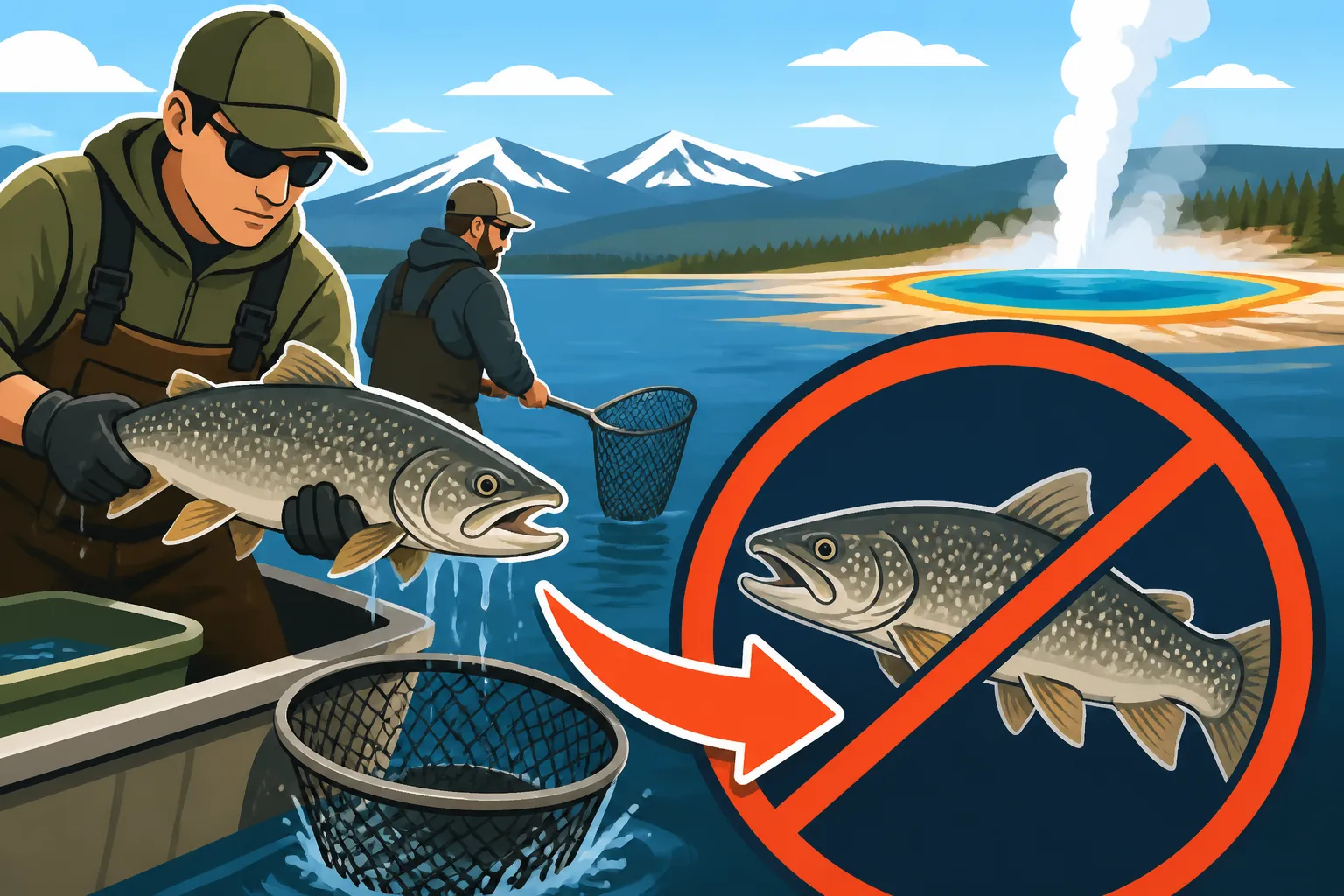
The National Park Service actively encourages the harvest of Lake Trout in Yellowstone Lake. In fact, there are no bag or possession limits on Lake Trout in the lake, and they are not to be returned to the water alive once caught. This directive is a stark contrast to the strict catch-and-release rules for native species in many other parts of the park. Do You Have to Kill Lake Trout Caught in Yellowstone Lake? goes into more detail about this specific regulation.
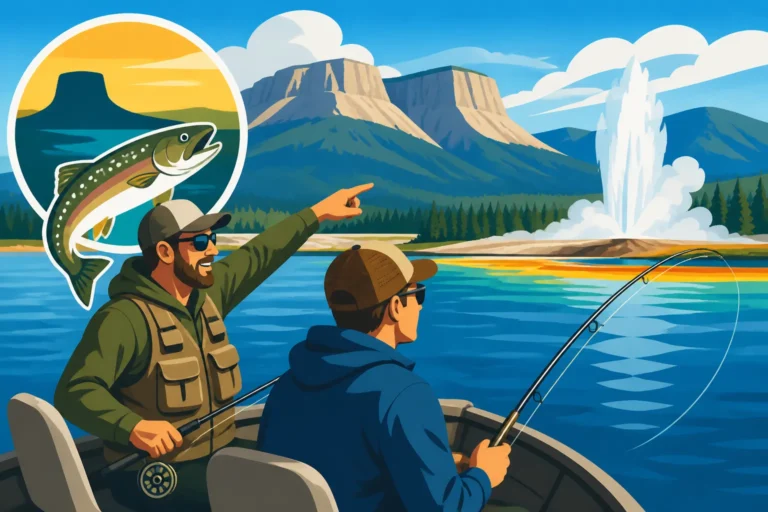
So, how does this translate to a guided trip? Authorized guides who operate on Yellowstone Lake can and do offer trips specifically aimed at targeting and removing Lake Trout. These trips are designed to help anglers understand the importance of the effort while providing a unique fishing experience. The focus is often on high-volume catching, using methods that are effective for Lake Trout, such as trolling with specific lures or bait. Your guide will not only help you find the fish but also educate you on the ecological impact and the significance of your contribution. It's a fantastic way to combine a love for angling with a direct, hands-on role in conservation. You're not just fishing; you're actively participating in Wyoming's Lake Trout Removal Efforts in Yellowstone Lake.
Finding and Booking a Lake Trout Suppression Trip
If you're ready to turn your fishing passion into a conservation mission on Yellowstone Lake, finding the right guide is your next step. This isn't always as straightforward as booking a typical fly-fishing float trip, as the focus is very specific.
Identifying Authorized Guides
First and foremost, any guide you consider must be operating under an authorized Commercial Use Authorization (CUA) permit from Yellowstone National Park. This is non-negotiable for legality and safety. Many guides who specialize in Lake Trout removal trips are deeply passionate about the ecosystem and well-versed in the specific techniques required. They'll know the best depths and locations to target these fish.
You can often find lists of authorized outfitters on the official Yellowstone National Park website, or by contacting the park's fishing office directly. Sometimes, these specialized trips are advertised as "Lake Trout Suppression Charters" or "Conservation Fishing Trips." When you reach out to guides, be upfront about your interest in helping with Lake Trout removal. Ask them about their experience with these specific types of trips and what techniques they employ.
What to Expect from a Specialized Guide
A guide leading a Lake Trout removal trip will typically:
- Educate You: They'll explain the ecological reasons behind the efforts and the significance of each fish removed.
- Provide Specialized Gear: Trolling setups, specific lures, and even fish finders designed to locate Lake Trout in deeper water will likely be part of the arsenal.
- Focus on Numbers: While the thrill of the catch is there, the emphasis is often on catching as many Lake Trout as possible within the trip duration, contributing directly to the suppression goals.
- Ensure Proper Handling: They will guide you on how to handle Lake Trout safely and efficiently for removal, as they are not to be released.
For those looking to search for guides, platforms like FishingBooker can be a useful starting point. While not all guides listed will explicitly offer "Lake Trout removal trips," you can often use their search filters to find guides operating on Wyoming's Yellowstone Lake Fishing Guide and then contact them directly to inquire about their willingness and capability to conduct a dedicated Lake Trout suppression trip. Be sure to ask about their experience with Lake Trout (Mackinaw) Fishing in Wyoming specifically within Yellowstone.
Comparing Trip Types: Traditional vs. Conservation Fishing
To help you understand the distinction, here's a quick comparison:
| Feature | Traditional Guided Fishing Trip (Yellowstone) | Lake Trout Removal Trip (Yellowstone Lake) |
|---|---|---|
| Primary Goal | Recreational angling, enjoying nature, catching diverse fish | Ecological restoration, reducing Lake Trout population |
| Fish Species Focus | Native cutthroat, grayling (often catch-and-release) | Lake Trout (mandatory harvest) |
| Regulations Highlight | Catch-and-release, specific tackle rules, permit required | No bag/possession limit on Lake Trout, no live release |
| Typical Techniques | Fly fishing, spin casting, focused on native behavior | Trolling, jigging, targeting deep-water Lake Trout |
| Angler Contribution | Minimal direct ecological impact | Direct, measurable contribution to conservation |
| Guide Selection | General fishing expertise, local knowledge | Specific expertise in Lake Trout behavior and suppression |
Booking a specialized trip contributes directly to the health of the Yellowstone ecosystem. It’s an incredibly rewarding experience for anglers who want to give back to the waters they love. Before you commit, always verify the guide's credentials and ensure they have the necessary permits to operate within the park. This is crucial when considering What Permits Yellowstone Fishing Guides Need or Hiring a Fishing Guide in Wyoming.
Ultimately, these trips are more than just fishing; they're an opportunity to be part of something bigger, a true hands-on conservation effort. The guides who offer these services are not just fishing guides; they are stewards of the park's precious resources, and by joining them, you become one too.
What to Expect on a Yellowstone Lake Trout Suppression Trip
Embarking on a guided Lake Trout suppression trip on Yellowstone Lake is a genuinely unique adventure. It's not your typical serene fly-fishing outing, though the incredible scenery of the park will still envelop you. This experience is about active participation in conservation, and the atmosphere on the boat often reflects that mission-driven approach.
Techniques and Equipment
Your guide will likely use methods proven effective for targeting Lake Trout, which tend to inhabit deeper, cooler waters. Trolling is a very common technique. This involves dragging lures or bait behind a moving boat, often at specific depths using downriggers or weighted lines. Spoons, plugs, and even large tube jigs are popular choices. The guide will have specialized equipment to help locate schools of Lake Trout, such as advanced fish finders and GPS mapping systems. You might also engage in jigging, dropping a lure vertically down to where the fish are holding.
Don't worry if you're not an expert in these techniques; that's precisely why you've hired a guide! They will teach you everything you need to know, from how to properly deploy the gear to how to identify a Lake Trout bite. The goal is efficiency and effectiveness, maximizing the number of fish removed.
The Catch and Its Significance
When you hook into a Lake Trout, the feeling of contributing to the restoration of Yellowstone Lake is immediate. Unlike most other fishing experiences where you might carefully release your catch, here, every Lake Trout caught is kept. This is a critical part of the suppression program. Your guide will assist with quickly and humanely dispatching the fish, often placing them in a cooler onboard.
There's a real sense of accomplishment with each fish brought into the boat, knowing you're making a direct, positive impact on the health of the native Yellowstone Cutthroat population and the entire ecosystem. It's a tangible way to help Wyoming's Lake Trout Removal Efforts in Yellowstone Lake succeed. You'll likely hear stories from your guide about the ongoing struggle and the progress being made, further cementing the importance of your efforts.
The Educational Aspect
Beyond the fishing itself, these trips are incredibly educational. Guides are often passionate naturalists and will share insights into the ecology of Yellowstone Lake, the life cycles of both Lake Trout and Cutthroat, and the broader challenges facing conservation in national parks. You'll learn about the food web, water quality, and the interconnectedness of all living things in this remarkable place. This deep dive into the "why" behind the fishing makes the experience truly unforgettable.
When you're looking for Best Guides for Yellowstone Lake Trout Removal Trips, seek out those who emphasize both the fishing and the educational components. A good guide won't just put you on fish; they'll help you understand the profound impact of your day on the water. It’s a chance to blend your love of fishing with a profound sense of purpose, ensuring that future generations can experience the wonders of Yellowstone Lake with its native populations thriving.
Disclaimer
This article is for general informational purposes only and does not constitute professional advice. Laws, prices and regulations vary by location and change over time. Consult a qualified professional for guidance on your specific situation.