Wyoming Fall Fishing for Migrating Browns
There's a unique kind of excitement that ripples through the angling community as the aspens turn golden and a crisp chill fills the Wyoming air. Many folks think of summer as prime fishing season, but they're often missing out on one of the most incredible opportunities the Cowboy State has to offer: chasing migrating brown trout in the fall. If you've ever dreamed of battling a truly massive, aggressive brown, this is your moment. This comprehensive guide is here to walk you through everything you need to know about successfully targeting these magnificent fish during their epic autumn journey.
The Allure of Wyoming Fall Browns: Why October is Prime Time
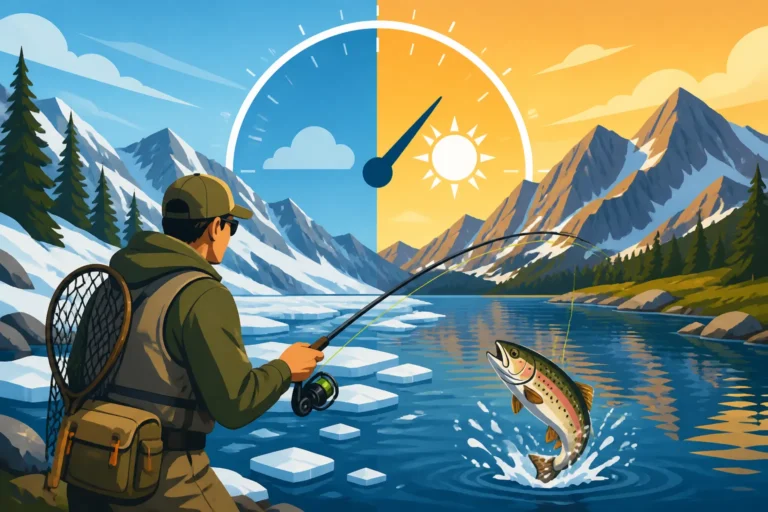
When the days shorten and the water temperature begins to drop, something truly special happens in Wyoming's rivers and lakes. Brown trout, which might have been elusive or less active during the warmer months, undergo a remarkable transformation. They start moving, often in significant numbers, making their way upstream from larger bodies of water into the rivers and tributaries where they'll eventually spawn. This migration isn't just a quiet journey; it's a period of heightened aggression, territoriality, and an insatiable drive to feed before and during the spawn.
The Biological Drive: Spawning Migration Explained
Understanding why brown trout migrate is key to knowing when and where to find them. Unlike some other trout species that spawn in spring, brown trout are fall spawners. As autumn progresses and water temperatures consistently hover in the low 50s and 40s Fahrenheit, their biological clock screams "Go!" They leave the relative safety and abundance of larger reservoirs and lakes, like the North Platte River drainage reservoirs or the Green River's tributaries, and push into the shallower, rockier, oxygen-rich gravel beds of upstream rivers and feeder streams. This journey is arduous, and these fish are driven by an instinct to reproduce, making them incredibly vulnerable but also incredibly accessible to anglers who know how to approach them ethically. If you're keen to learn more about this crucial time for these fish, our guide on Fall Spawning Runs for Wyoming Brown Trout delves deeper into the specifics of their behavior.
Fall Conditions: Cooler Water, Aggressive Fish
The cooler water temperatures of autumn are a massive boon for brown trout. They are generally more comfortable and active in colder water than many other trout species. This period, typically from late September through November, sees them bulking up, feeding voraciously to store energy for the rigors of spawning. They become extremely territorial, especially the larger males. This means they are more likely to strike at larger, more aggressive presentations, viewing them as either a meal or a threat to their spawning grounds. These ideal conditions often lead to some of the most exciting and productive fishing days of the year, providing a stark contrast to the often more nuanced approaches required in summer.
The Trophy Hunt: Size and Color
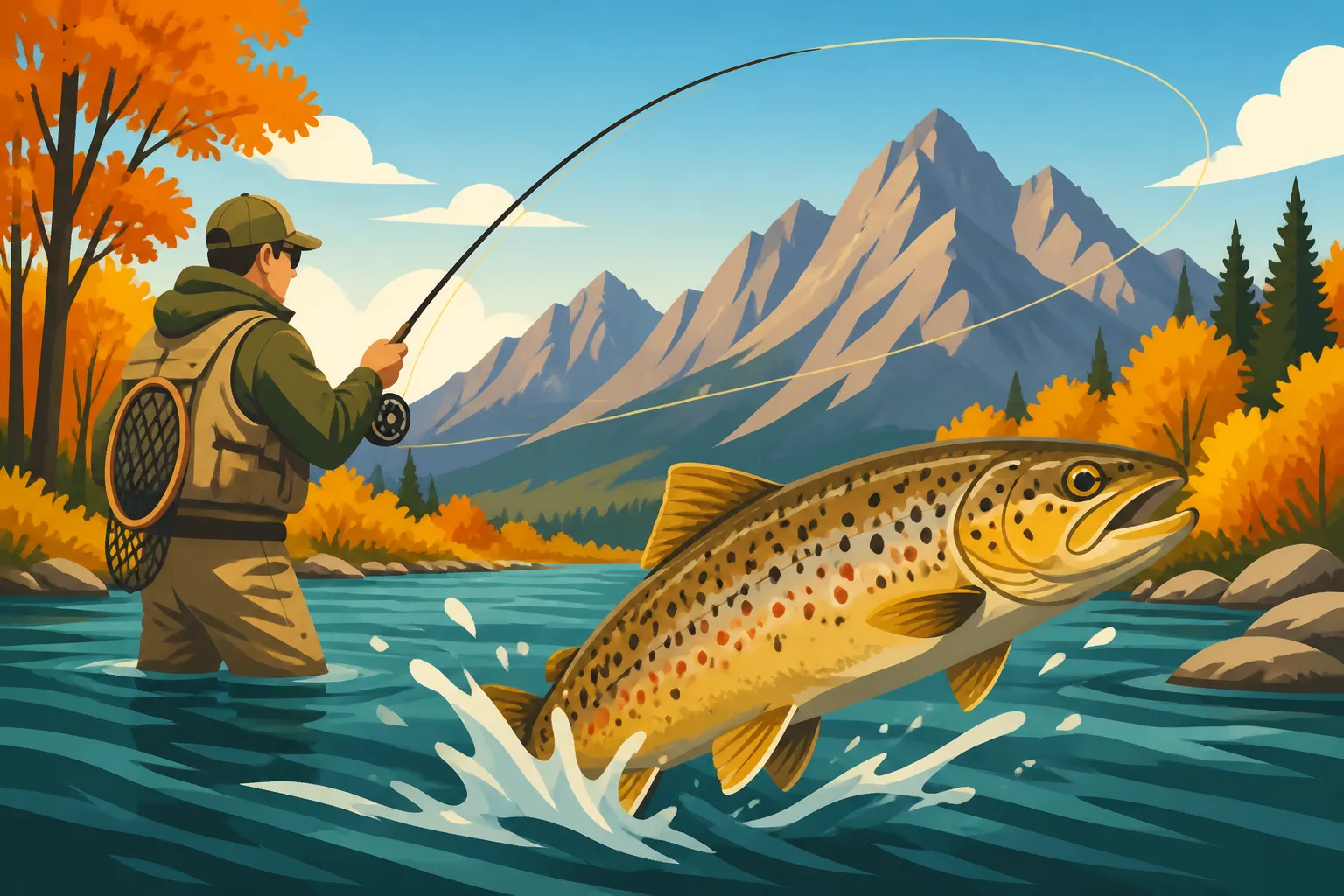
Let's be honest, part of the allure of fall brown trout fishing is the chance to hook into a true monster. During the spawn, brown trout, especially the males, develop incredibly vibrant, almost prehistoric colors. Their flanks can glow with deep reds, oranges, and golds, often accompanied by a pronounced hooked jaw, or "kype." These fish are at their absolute peak in terms of size and visual appeal. While many are focused on the aesthetic, the fact remains that the largest brown trout in a system are often the most active and aggressive during this migration. It's truly the best time of year to pursue that elusive "fish of a lifetime," making the colder weather and shorter days well worth the effort for many anglers.
Where to Find Migrating Brown Trout in Wyoming
Locating these migratory browns isn't always about casting blindly into the biggest river. It's about understanding their specific needs and the routes they take to fulfill their spawning imperative. Wyoming boasts some truly spectacular brown trout fisheries, and knowing their typical migration patterns is paramount.
River Systems: Upstream Journeys from Lakes and Reservoirs
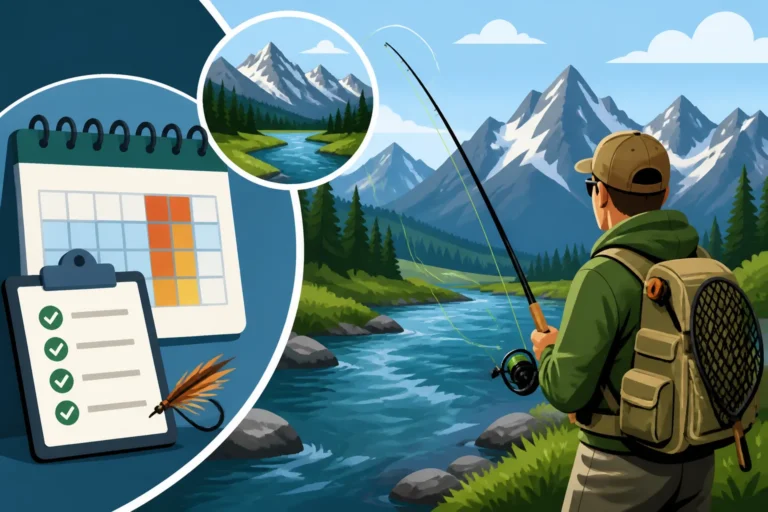
Many of Wyoming's most famous brown trout rivers are directly connected to large reservoirs or lakes. The browns spend much of their lives growing fat in these larger water bodies, only to embark on epic upstream migrations when the urge to spawn calls. Think of the North Platte River system, where browns from Alcova Reservoir, Pathfinder Reservoir, and Seminoe Reservoir will push miles upstream into the Miracle Mile and Gray Reef sections. The Green River, flowing out of Flaming Gorge Reservoir, also sees significant migrations. These are long-haul journeys, and fish will stage in deeper pools and runs before making their final push to the redds. Understanding the full scope of Wyoming Fishing Seasons Month by Month can help you pinpoint the precise timing for these upstream movements.
Key Tailwater Fisheries Known for Brown Trout Runs
Wyoming's tailwater fisheries — the stretches of river immediately below large dams — are particularly renowned for their fall brown trout runs. These waters benefit from consistent flows and often stable water temperatures, creating ideal conditions. The Miracle Mile and Gray Reef sections of the North Platte River near Casper are legendary for their prolific brown trout populations and the sheer size of the fish that migrate through them. The same goes for the Green River below Fontenelle Dam. These tailwaters provide a rich environment with abundant food, and the browns often stack up in these areas, making them prime targets. However, with popularity comes crowds, so knowing how to navigate these spots respectfully is key. You can often find detailed information about fishing these specific stretches in guides like Fishing Gray Reef on Wyoming's North Platte River or The Miracle Mile Stretch of Wyoming's North Platte River.
Identifying Spawning Habitats and Holding Water
Once in the river, brown trout will seek out specific areas for spawning. These areas, known as "redds," are typically shallower gravel beds with good current and oxygen flow. They will often hold in deeper pools and runs adjacent to these spawning grounds, moving onto the redds to spawn and then retreating to rest. Look for areas with a mix of riffles, runs, and pools, particularly those with a gravelly bottom. Knowing how to Read Water When Trout Fishing becomes even more critical during this period. When you see trout actively spawning on a redd (often characterized by a lighter, disturbed patch of gravel), it's crucial to give them space. Ethical angling means targeting fish in holding water, not actively on redds, to ensure the future health of the fishery.
Essential Gear for Fall Brown Trout Fishing
Fall fishing for migrating brown trout demands a bit more robust gear than your typical summer dry-fly outing. These fish are big, strong, and often in fast, cold water. Whether you're a fly angler or prefer spin fishing, having the right setup can make all the difference between a missed opportunity and landing that trophy.
Rods, Reels, and Line Choices for Streamers and Nymphs
For fly anglers, a good 6 or 7-weight rod, 9 to 10 feet long, is usually ideal. This provides enough backbone to cast larger, heavier streamers and to fight big fish in strong currents. A quality, smooth-dragging reel with a good capacity for backing is also essential. A weight-forward floating line is versatile for most nymphing and lighter streamer presentations, but a sink-tip or full sinking line can be invaluable for getting heavy streamers down to depth in faster, deeper runs. When it comes to leaders and tippet, don't be afraid to go a bit heavier than usual. 3X or 4X fluorocarbon tippet is a good starting point, as these fish aren't always leader-shy, especially when they're aggressive. You can find robust leader and tippet options on online retailers like Amazon, perfect for handling larger fish.
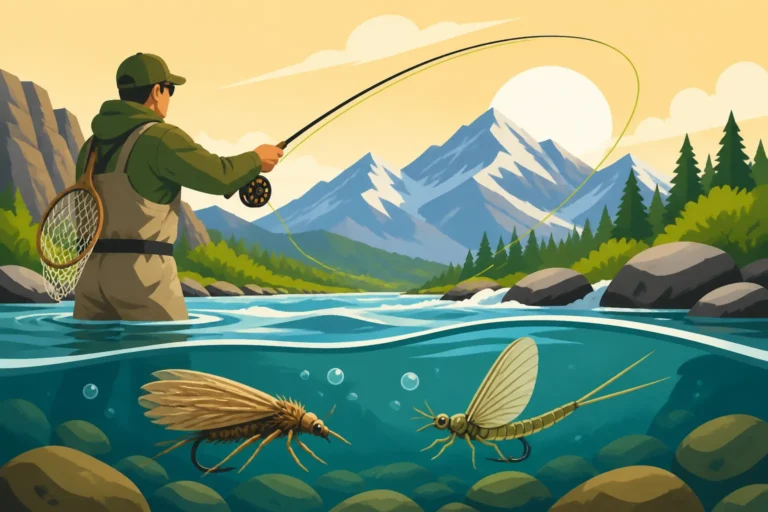
Fall Fly Selection: Streamers, Eggs, and Nymphs
The fall menu for brown trout is varied, but it often revolves around a few key categories.
- Streamers: These are your bread and butter for aggressive, predatory browns. Think large, dark patterns that imitate baitfish: Woolly Buggers (black, olive, brown), Sculpzillas, Sex Dungeons, and articulated patterns in sizes #2-6. These imitate the larger meals the browns are looking for. Our guide on Streamer Fishing for Wyoming Brown Trout offers a deep dive into these techniques.
- Egg Patterns: As fish begin to spawn, loose eggs become a protein-rich food source. Glo-Bugs, Otter's Soft Eggs, and Sucker Spawn patterns in various colors (orange, pink, chartreuse) can be incredibly effective, especially when dead-drifted.
- Nymphs: While streamers get the glory, nymphs still produce. Larger stonefly nymphs (Pat's Rubber Legs, 20 Inchers) and attractor patterns (Prince Nymphs, Copper Johns) can imitate other aquatic insects, or simply look like a tasty morsel floating past. For more on this, check out Nymphing Techniques for Wyoming Tailwaters.
It’s always a good idea to have a variety on hand, and many local fly shops or even online stores like Amazon offer great selections specifically for fall brown trout.
Spin Fishing Lures and Baits for Aggressive Browns
Spin anglers have a fantastic arsenal for fall browns.
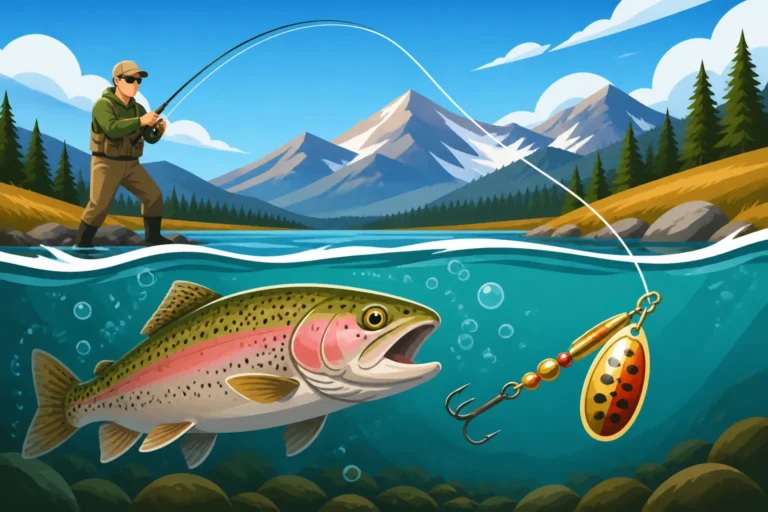
- Spinners: Heavier, larger spinners like Mepps Aglias or Panther Martins in sizes #3-5, particularly in gold, silver, or patterns with orange/red accents, can be incredibly effective. The flash and vibration often trigger aggressive strikes.
- Spoons: Classic casting spoons like Dardevles or Kastmasters, especially in silver/blue or copper finishes, are great for covering water and imitating injured baitfish.
- Plugs and Jerkbaits: Larger floating or suspending plugs that mimic minnows can be deadly. Brands like Rapala (original floater or Husky Jerk) or Rebel can provoke ferocious strikes, especially if retrieved with an erratic, injured-fish action.
- Soft Plastics and Jigs: Smaller paddle tail swimbaits rigged on a jig head, or even larger marabou jigs in natural colors, can be slowly worked through deeper pools.
- Bait: In waters where bait is legal, roe sacks (fish eggs), worms, or even dead minnows (where permitted) can be very effective, especially drifted naturally along the bottom. Always double-check specific water regulations in the Reading the Wyoming Fishing Regulations Booklet before using bait, as many prime brown trout waters are artificial-lures-only or fly-fishing-only.
| Lure/Pattern Type | Fly Fishing Examples | Spin Fishing Examples | Best Use |
|---|---|---|---|
| Streamers/Plugs | Woolly Bugger, Sex Dungeon, Sculpzilla | Rapala, Rebel, larger Mepps | Aggressive fish, searching large water, imitating baitfish |
| Egg Patterns | Glo-Bug, Sucker Spawn, Otter's Soft Egg | Salmon eggs, PowerBait Eggs | Fish near spawning grounds, capitalizing on loose eggs |
| Nymphs/Jigs | Pat's Rubber Legs, Copper John, Prince Nymph | Marabou jigs, small paddle tails | General subsurface feeding, targeting fish not actively chasing |
| Spinners/Spoons | (N/A) | Mepps Aglia, Panther Martin, Kastmaster | Covering water, flash and vibration for attraction |
Techniques for Targeting Migrating Brown Trout
Now that you've got your gear sorted, let's talk about how to present your offerings to these wary yet aggressive autumn browns. The tactics employed often differ significantly from summer fishing, focusing on larger presentations and covering productive water.
Streamer Fishing: The Art of the Big Meal
Streamer fishing is perhaps the most iconic and thrilling way to target fall brown trout. These fish are looking for a substantial meal, and a well-presented streamer that imitates a baitfish, sculpin, or even a smaller trout can be irresistible. The technique often involves casting across or slightly downstream, letting the streamer swing, and then stripping it back with varied speeds and pauses. Experiment with different retrieves – slow and steady, erratic twitches, long pulls – to see what triggers a strike. Often, the takes are violent and unmistakable. Focus your casts on structure: undercut banks, large rocks, current seams, and the deeper heads and tails of pools where large browns might be lurking. Our dedicated article on Streamer Fishing for Wyoming Brown Trout can provide even more nuanced advice. Don't forget that a good pair of polarized sunglasses, available on Amazon, can greatly enhance your ability to spot submerged structure and even cruising fish.
Nymphing: Presenting Subsurface Temptation
While streamers get all the glory, nymphing remains a highly effective method, particularly when fish are less aggressive or holding in deeper, slower water. A multi-nymph rig under an indicator, or a Euro-nymphing setup, can effectively present egg patterns, large stonefly nymphs, or attractor patterns near the bottom. The key is to get your flies down quickly and ensure a drag-free drift. Pay close attention to subtle takes, as brown trout can be surprisingly gentle on a nymph. Nymphing is particularly potent in the deeper runs and pools just upstream or downstream of known spawning areas, where fish might be resting or feeding on dislodged eggs and invertebrates. The ability to control your drift and detect strikes is paramount, so consider practicing your technique, perhaps even watching some instructional videos on platforms accessible via Amazon.
Egg Patterns and Indicators: Capitalizing on the Spawn
Once brown trout begin actively spawning, loose eggs become a significant food source. Other fish, even browns not actively spawning, will position themselves downstream of redds to feast on these protein-packed morsels. This is where egg patterns shine. Rigging a single or tandem egg pattern under a strike indicator, with a split shot to get it down, is a classic fall tactic. The key is to drift these patterns naturally through areas where fish might be feeding on eggs. This is often the tail-out of a pool, a slower seam adjacent to a riffle, or directly downstream of actively spawning fish (while being mindful not to disturb them). Again, stealth and a natural drift are critical. You'll want to vary the color and size of your egg patterns, as different waters and stages of the spawn might call for different presentations.
Reading the Water and Adapting to Fall Conditions
Successfully fishing for fall browns means more than just having the right fly or lure; it requires keen observation and the ability to adapt to the dynamic conditions of a Wyoming autumn. The weather can change in an instant, and water conditions are constantly in flux.
Understanding Water Flows and Clarity
Fall flows can vary significantly depending on late-season irrigation demands, rain events, or early snow melts. Higher, off-color water might call for larger, darker, more silhouetted streamers or plugs that create more vibration. Clear, lower flows, on the other hand, might demand more subtle presentations, longer leaders, and more natural patterns. Always check the current river flows before heading out. The Wyoming Game and Fish Department website and local fly shops are invaluable resources for up-to-date conditions. A sudden cold snap combined with low, clear water can make fish lethargic and harder to tempt, requiring a slower, deeper retrieve. Conversely, a bump in flow after a warm rain can stir up insects and dislodge eggs, triggering a feeding frenzy.
Weather Impacts: Cold Fronts and Sunny Days
Wyoming fall weather is notoriously unpredictable. One day you could be fishing in a t-shirt, and the next, battling snow flurries. Cold fronts, while often making humans uncomfortable, can sometimes activate aggressive feeding in brown trout, particularly as the storm approaches. However, immediately after a strong cold front, fish can become lethargic and less willing to chase. On bright, sunny days, especially in clear water, brown trout might retreat to deeper pools or seek cover under undercut banks and heavy structure. Overcast days, or those with light rain, often provide excellent conditions for consistent fishing, as the lower light can make fish feel more secure and active throughout the day. Always be prepared for anything, and remember that What to Wear Ice Fishing in Wyoming provides excellent advice on layering that translates well to extreme fall conditions too.
Ethical Angling and Handling Spawning Fish
Catching these magnificent migrating browns comes with a significant responsibility. These fish are actively trying to reproduce, and mishandling them can have serious consequences for the future of the fishery.
- Avoid Fishing on Redds: As mentioned, avoid targeting fish actively spawning on redds. These are vital areas for future generations.
- Minimize Fight Time: Use appropriate gear to land fish quickly, reducing stress.
- Wet Hands: Always wet your hands before handling a fish. Dry hands remove their protective slime layer, making them vulnerable to disease.
- Keep Them Wet: Try to keep the fish in the water as much as possible, especially if you're practicing catch-and-release. Brief moments out of the water for a quick photo are acceptable, but never hold them by the gill plate or vertically.
- Revive Gently: If a fish is lethargic after a fight, hold it gently in the current until it can swim off under its own power.
Adhering to Catch-and-Release Rules on Wyoming Waters is not just about regulations; it's about responsible stewardship.
Safety and Etiquette for Wyoming Fall Fishing
Fall fishing in Wyoming is an incredible experience, but it comes with its own set of challenges, from rapidly changing weather to increased angler traffic. Being prepared and respectful ensures a safe and enjoyable trip for everyone.
Dressing for Success: Layering in Variable Weather
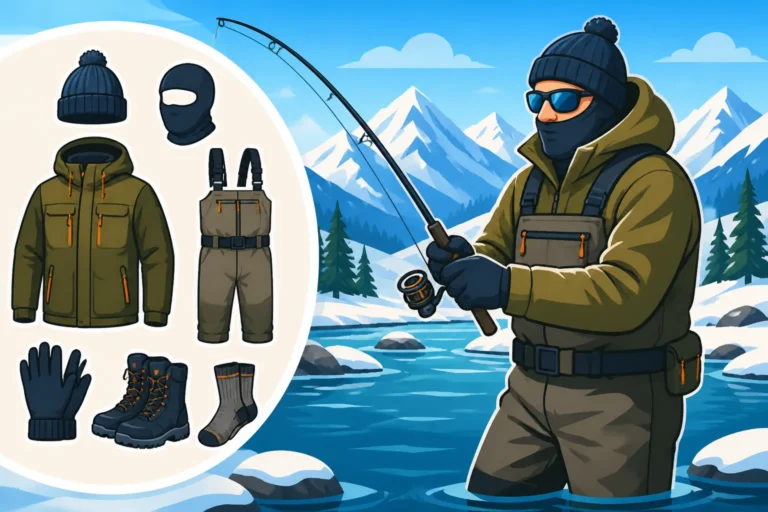
Wyoming weather in the fall can swing wildly from warm afternoons to freezing mornings, sometimes with rain or snow thrown in for good measure. Layering is not just a suggestion; it's a necessity. Start with a moisture-wicking base layer (merino wool or synthetic, never cotton). Add a warm mid-layer like a fleece jacket or down vest. Your outer layer should be a waterproof and windproof shell. Don't forget a warm hat, gloves, and quality thermal socks, even if the forecast looks mild. Insulated waders can be a godsend for staying warm while standing in cold water. Having these essentials means you can focus on fishing, not shivering. Many of these specialized cold-weather fishing garments are easily accessible through retailers like Amazon.
Navigating Crowded Access Points and Respecting Wildlife
Some of the best fall brown trout fisheries, especially the famous tailwaters, can get crowded. Public access points, particularly during peak migration, might see a lot of anglers. Practice good etiquette:
- Give Space: Always give other anglers plenty of room, especially if they are already fishing a run. A good rule of thumb is to allow at least 100 feet or more between anglers if possible.
- Ask Politely: If you want to fish a specific spot, politely ask if it's open or if someone plans to move soon.
- Respect Private Property: Be mindful of private land boundaries, even if you have a license. Always stay on public access easements.
- Share the Water: If fishing from a drift boat, communicate with wade anglers and other boats. Everyone is out there to enjoy the resource.
You'll also be sharing the landscape with abundant wildlife. Keep a safe distance from moose, deer, elk, and bears, especially during mating season for ungulates or if bears are actively feeding before winter.
Protecting the Fishery: Clean, Drain, Dry and Redds
The health of Wyoming's fisheries depends on every angler's commitment to conservation.
- Clean, Drain, Dry: This mantra is crucial for preventing the spread of aquatic invasive species (AIS). Always inspect and clean your waders, boots, and gear thoroughly after each outing. Drain all water from boats, kayaks, and float tubes, and ensure everything is completely dry before moving to a new water body. Wyoming has strict rules about boat inspections, and it's something every angler should take seriously.
- Protect Redds: We've mentioned it before, but it bears repeating: actively avoid walking on or disturbing redds. These are the shallow, gravelly depressions where fish lay their eggs. Stepping on them can crush eggs and destroy future generations. They often appear as lighter-colored patches on the riverbed, as the fish have cleared away algae and silt. Educate yourself on what a redd looks like, and give them a wide berth. For comprehensive information on protecting these vital areas, refer to guides on How Bag and Possession Limits Work in Wyoming and Fines and Penalties for Common Fishing Violations, which often touch upon conservation aspects.
By following these guidelines, you're not just ensuring your own safe and successful trip, but you're also contributing to the preservation of Wyoming's incredible fishing opportunities for years to come.
Disclaimer
The information provided in this guide is for general informational purposes only and does not constitute professional advice. Fishing regulations, conditions, and best practices can change rapidly. Always consult the most current Wyoming Game and Fish Department regulations before heading out, and prioritize safety and ethical angling practices.