Where Golden Trout Are Stocked in Wyoming
There's something truly magical about the idea of a golden trout, isn't there? For many anglers, the thought of catching one of these stunning, vibrant fish conjures images of pristine, high-alpine lakes, epic hikes into remote wilderness, and an unparalleled sense of accomplishment. But let's be honest, dreaming about it is one thing, and actually finding where these elusive beauties are swimming in Wyoming can feel like searching for a needle in a very large, very wild haystack. This guide is here to unravel that mystery, taking you deep into the heart of Wyoming's high country to reveal where the Wyoming Game and Fish Department (WGFD) works tirelessly to stock these remarkable fish, and how you can plan your own adventure to find them.
The Allure of Wyoming's Golden Trout: A High-Country Treasure
The golden trout isn't just any fish; it's a symbol of wilderness, resilience, and breathtaking natural beauty. For many, pursuing these fish isn't just about the catch, but about the journey to get there, a journey that often involves strapping on a backpack and venturing far beyond the pavement.
Why Golden Trout Are So Sought After
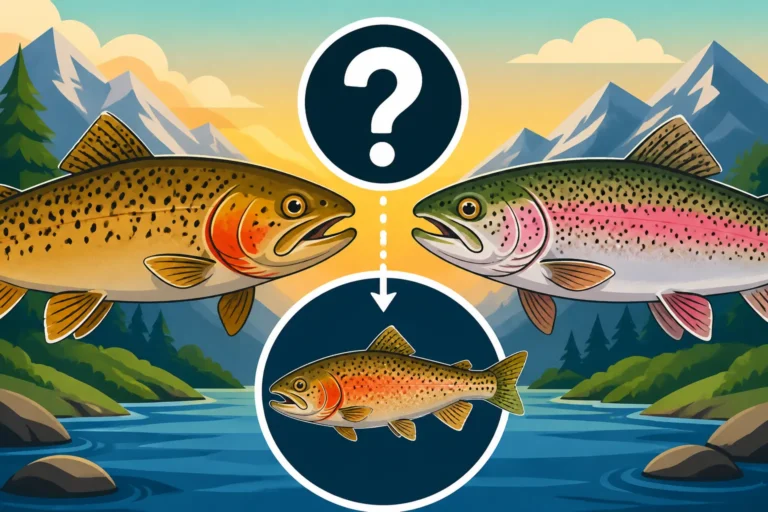
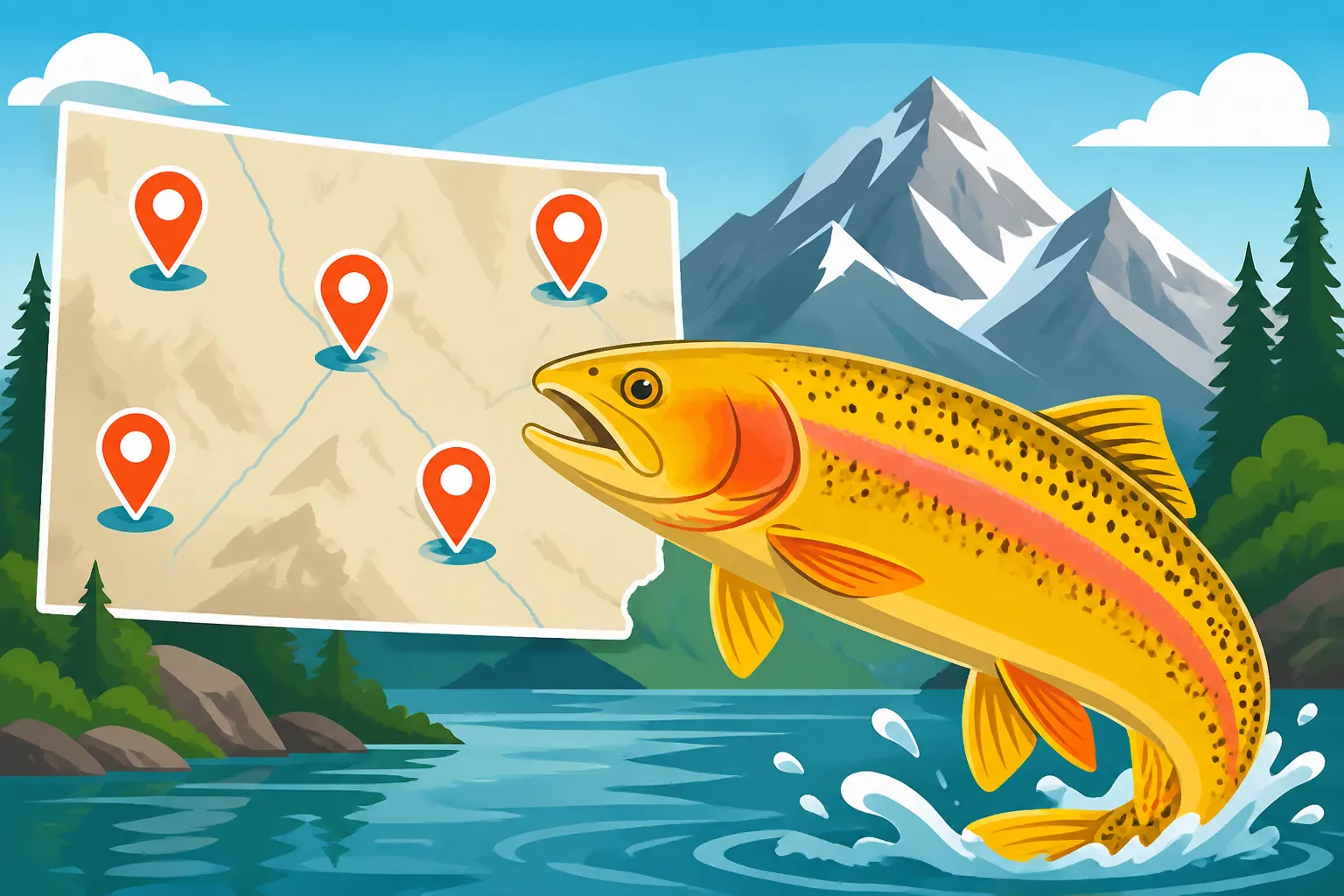
Imagine a fish that shimmers with the colors of a sunset – brilliant gold flanks, a deep red stripe, and often striking black spots along its back. That's the golden trout, truly one of the most visually stunning fish an angler can hope to encounter. Their vibrant coloration is a natural camouflage in the glacial-fed, often crystal-clear waters of high-alpine lakes, and it's a huge part of their mystique. Beyond their looks, catching a golden trout feels like discovering a hidden gem. These aren't fish you'll typically find in easily accessible reservoirs or roadside streams. Their habitat is demanding, requiring long hikes, sometimes over rugged terrain and at significant elevations, which naturally limits angler pressure and adds to the reward. The physical challenge of reaching their remote sanctuaries makes the eventual sight of a golden trout even more satisfying, a testament to your effort and dedication.
Furthermore, the very act of seeking golden trout often means immersing yourself in some of Wyoming's most spectacular and untouched landscapes. You're not just fishing; you're experiencing true wilderness, far from the hustle and bustle of everyday life. This combination of natural beauty, challenging access, and a truly magnificent fish makes golden trout a bucket-list species for many passionate anglers. There's a deep satisfaction in knowing you've ventured into their domain and earned the privilege of a photo, and a respectful release.
The Difference Between Native and Stocked Populations
Originally, golden trout are native to the high-elevation streams and lakes of California's Sierra Nevada mountains. So, how did they end up in Wyoming's rugged ranges? The answer lies in extensive stocking efforts dating back decades, some even over a century ago. Early conservationists and fish managers recognized the potential for these beautiful trout to thrive in Wyoming's similar, but fishless, high-alpine environments. Many of the lakes where you now find golden trout were historically barren of fish due to natural barriers like waterfalls preventing upstream migration from lower elevations.
Today, Wyoming's golden trout populations are primarily sustained through a robust stocking program managed by the WGFD. While some stocked populations have successfully established self-sustaining fisheries, reproducing naturally within their lake systems, many still rely on periodic infusions of hatchery-raised fish. This distinction is important for anglers to understand. Self-sustaining populations are often more robust and stable, while stocked-dependent lakes might see fluctuations in fish numbers or size based on stocking cycles. Regardless, the intent of these programs is to provide unique and exceptional fishing opportunities in waters that otherwise wouldn't support such diverse and exciting species. Learning What Is a Golden Trout? can help you appreciate their journey and unique characteristics even more.
Wyoming Game and Fish Department's Stocking Program
The WGFD plays a critical role in maintaining and enhancing Wyoming's diverse fisheries, and their efforts with golden trout are particularly noteworthy, given the unique challenges involved.
How Stocking Programs Sustain Golden Trout Fisheries
Stocking golden trout into remote, high-altitude lakes is no small feat. Forget driving a truck to the water's edge; many of these locations are only accessible by foot, horse, or even helicopter. The WGFD employs various methods to get these delicate fry and fingerlings into their new homes. Historically, and sometimes still today, small planes or even horseback are used to transport fish to remote lakes. Imagine a fixed-wing aircraft flying low over a high-mountain lake, releasing thousands of tiny fish that shimmer as they fall into the clear water below. It's a logistical marvel designed to spread fish across vast and otherwise unreachable areas.
The primary goal of these stocking programs is to introduce or bolster golden trout populations in suitable, often barren, high-elevation lakes. These lakes typically have ideal cold-water conditions and abundant invertebrate food sources, but lack natural fish migration routes. By stocking, the WGFD expands the range of golden trout, creates new angling opportunities, and helps manage populations, sometimes by supplementing lakes where natural reproduction is limited. This ensures that these special fish continue to grace Wyoming's wilderness for generations of anglers to discover. It's a testament to the department's commitment to maintaining a healthy and diverse fishery across the state.
Identifying Stocked Waters vs. Self-Sustaining Populations
While the WGFD maintains detailed records of their stocking efforts, it's not always immediately obvious to an angler whether a particular golden trout lake is regularly stocked or boasts a self-sustaining population. However, there are some clues. Lakes with robust, widely varying age classes of fish, from small fry to large adults, often indicate natural reproduction. If you're consistently catching fish of similar size, it might suggest a lake that relies more heavily on periodic stocking events where many fish are introduced at the same age.
The most reliable way to determine if a lake is stocked is to consult the WGFD's annual stocking reports or fishing guides. These resources are invaluable and often list specific lakes, the species stocked, and sometimes even the year and size of fish introduced. Knowing this information can influence your fishing strategy – for example, a recently stocked lake might have an abundance of smaller, feistier fish, while a self-sustaining lake could offer opportunities for larger, more mature specimens. Understanding How Wyoming Chooses Which Species to Stock Where can also give you insight into the science behind these decisions.
Key Regions for Golden Trout Stocking in Wyoming
When it comes to golden trout in Wyoming, certain mountain ranges stand out as prime destinations. These are the areas where the WGFD has historically focused its stocking efforts, and where you'll find the most consistent opportunities.
Wind River Range: The Heart of Wyoming's Golden Trout Country
If you ask any serious high-country angler in Wyoming about golden trout, the Wind River Range will almost certainly be the first place they mention. This majestic, rugged range, home to many of Wyoming's tallest peaks, is truly the epicenter of golden trout fishing in the state. Its vast wilderness areas are dotted with thousands of lakes, many of them sitting above 9,000 or 10,000 feet in elevation, creating perfect, pristine habitats for these fish. The sheer number of lakes, combined with the difficulty of access, means many of these waters see relatively light angling pressure, allowing fish to grow to impressive sizes.
Within the "Winds," as locals call it, the specific drainages and lake basins that receive golden trout stocking can vary, but areas like the Popo Agie Wilderness, Fitzpatrick Wilderness, and the northern sections near Dubois are all excellent starting points for research. Lakes in these areas are often accessed via multi-day backpacking trips, sometimes requiring significant elevation gain and off-trail navigation. It's not uncommon for anglers to spend days hiking into a remote basin, setting up a base camp, and then exploring several nearby lakes that might hold golden trout. The reward for this effort can be truly spectacular, with anglers often finding themselves in solitude, casting to fish that have seen few, if any, flies or lures. These high-elevation lakes in the Wind River Mountains offer an unparalleled experience.
Other High-Alpine Areas Receiving Stocked Golden Trout
While the Wind River Range undoubtedly holds the largest and most consistent populations of stocked golden trout, other high-alpine ranges in Wyoming also contribute to these unique fisheries, albeit often on a smaller scale or with less frequent stocking. Areas like the Absaroka Range in northwest Wyoming, particularly within the Shoshone National Forest, have numerous high-elevation lakes that can be productive. The Gros Ventre Range, south of Jackson, also contains remote lake basins that occasionally receive golden trout. Even parts of the Bighorn Mountains, though generally lower in elevation, have isolated high-mountain lakes that might be candidates for stocking.
These secondary golden trout locations often present similar challenges in terms of access, requiring significant hiking and wilderness skills. However, they might also offer a chance for a different kind of adventure, perhaps in a less frequently visited area. It's always a good idea to consult the most current WGFD stocking plans or speak with local Game and Fish biologists to get the most up-to-date information on which specific waters are being managed for golden trout. What these diverse ranges all have in common is the high-elevation, cold, clear water, and often remote nature that golden trout thrive in. Keep an eye on How to Reach the Helicopter-Stocked Lakes Near Dubois for more specific examples of these remote stocking efforts.
Here's a quick comparison of general characteristics you might find:
| Feature | Stocked-Dependent Golden Trout Lakes | Self-Sustaining Golden Trout Lakes |
|---|---|---|
| Fish Size Range | Often more uniform, reflecting stocking batch size | Wider range of sizes, from fry to large adults |
| Population Stability | Can fluctuate based on stocking frequency and success | Generally more stable, less reliant on human intervention |
| Angler Pressure | Highly variable, can be popular if well-known | Can be very low due to remote, challenging access |
| Reproduction Evidence | Less direct evidence of natural spawning (e.g., redds) | More likely to observe spawning activity or young-of-year |
| Location | Often in historically fishless, high-alpine lakes | High-alpine lakes with suitable spawning habitat |
| Management Focus | Maintaining numbers through hatchery introductions | Monitoring health, habitat, and natural reproduction |
Planning Your Golden Trout Expedition: What You Need to Know
A trip to pursue golden trout is more than just a fishing outing; it's a backpacking adventure. Proper preparation is key to a safe and successful journey into Wyoming's backcountry.
Essential Gear for High-Altitude Golden Trout Fishing
Venturing into Wyoming's high country for golden trout requires a different approach to gear than a casual day trip to a roadside stream. Every ounce counts when you're hiking for miles, often gaining thousands of feet in elevation. Your fishing gear should be lightweight and versatile. A light fly rod (3 or 4-weight) or a compact spinning rod is ideal, paired with a small reel. Pack a selection of small lures, like Kastmasters or Panther Martin spinners, in sizes 0-2. For fly anglers, patterns like small prince nymphs, woolly buggers, mosquito dry flies, and ant patterns are often effective. Don't forget extra leader, tippet, and nippers. You can find a fantastic array of ultralight and durable fishing gear, from compact rods to specialized flies, on platforms like Amazon, making it easy to prepare for your trip.
Beyond fishing tackle, backpacking essentials are paramount. This includes a reliable tent, a sleeping bag rated for cold mountain nights (even in summer), a cooking system, and plenty of dehydrated food. Layered clothing is crucial due to rapidly changing mountain weather, including waterproof outer shells. High-quality hiking boots are non-negotiable, and trekking poles can save your knees on long descents. A water filter or purification tablets are also essential. Remember, you'll be far from any amenities, so self-sufficiency is key. For more detailed advice, check out What Gear to Pack for a Backcountry Fishing Trip.
Navigating Access and Wilderness Permits
Accessing Wyoming's golden trout lakes almost always means entering designated wilderness areas or national forests. This comes with specific regulations and responsibilities. First and foremost, a detailed topographical map and a compass, along with GPS knowledge, are absolutely essential. Cell service is non-existent in much of the high country, so relying solely on your phone is a dangerous gamble. Study your route beforehand, identify potential water sources, and be aware of any stream crossings or challenging terrain.
Some wilderness areas might require a free self-issued permit for overnight stays, which helps land managers track use and ensure visitor safety. While it's not always a hard requirement for day-use, it's good practice to be aware of the rules for the specific area you're entering. Additionally, practicing Leave No Trace principles is crucial: pack out everything you pack in, camp in established sites, and properly dispose of human waste. Protecting these pristine environments is everyone's responsibility. It's also wise to research Is a Permit Needed to Fish Shoshone National Forest Lakes? if your trip takes you into that region.
Best Seasons and Times to Target Golden Trout
The window of opportunity for golden trout fishing in Wyoming's high country is surprisingly short. These lakes are typically ice-bound for much of the year, often not becoming fully accessible until late June or even early July, depending on the snowpack. The "ice-out" period is often considered prime time, as the fish are hungry and active after a long winter under the ice. This short season typically extends through August and into early September, before the high country starts to experience nightly freezes and the threat of early snowstorms.
Within this narrow timeframe, the best fishing often occurs during stable weather patterns. Be prepared for afternoon thunderstorms, which are common in the mountains, and always keep an eye on the sky. Early mornings and late evenings usually offer the calmest conditions and often the most active feeding periods for trout. However, during the summer, golden trout in these cold lakes can often be caught throughout the day. Remember that once the ice melts, the clock starts ticking quickly on the golden trout season. Understanding When Wyoming's Alpine Lakes Usually Thaw can help you time your trip perfectly.
Responsible Angling and Conservation for Golden Trout
Golden trout populations, especially in their remote high-alpine habitats, are often fragile and susceptible to overfishing or environmental impacts. As anglers, we have a profound responsibility to ensure these unique fisheries remain healthy for future generations.
Catch-and-Release Practices for Fragile Populations
For many golden trout lakes, especially those that are solely sustained by stocking or have limited natural reproduction, catch-and-release is not just a recommendation, it's a vital conservation practice. These fish grow slowly in their cold, nutrient-poor environments, and it can take many years for them to reach a respectable size. Therefore, minimizing stress and ensuring a high survival rate for released fish is paramount. Always use barbless hooks, or crimp down the barbs on your existing hooks; this makes hook removal much quicker and less damaging to the fish. A small, fine-mesh net can also help to land the fish gently without removing its protective slime layer.
When you land a golden trout, handle it as little as possible. Keep it in the water if you can, especially for photos, and use wet hands to support its body. Avoid squeezing it or allowing it to flop around on rocks or dry ground. If you must remove it from the water for a quick picture, do so quickly and return it gently to the water, facing it upstream until it swims away under its own power. Practicing Catch and Release Best Practices for Trout is not just good sportsmanship, it's essential for the long-term health of these precious fisheries.
Protecting Their Remote Habitats
The pristine nature of golden trout habitat is a major part of what makes these trips so special, and it's our collective duty to keep it that way. The Leave No Trace principles are the golden rule for any backcountry excursion:
- Plan Ahead and Prepare: Know the regulations for the area, carry appropriate gear (like a bear canister in some areas), and plan your meals to minimize waste.
- Travel and Camp on Durable Surfaces: Stick to existing trails, even if they're faint. When off-trail, spread out to avoid creating new paths. Camp at least 200 feet from water sources.
- Dispose of Waste Properly: Pack out everything you pack in, including all food scraps, toilet paper, and even fish guts (though it's best to process fish away from camp and disperse guts widely). Bury human waste in a cathole 6-8 inches deep and at least 200 feet from water.
- Leave What You Find: Don't take natural objects as souvenirs.
- Minimize Campfire Impacts: Use established fire rings where allowed, keep fires small, and ensure they are completely out before leaving. In many high-alpine areas, campfires are discouraged or prohibited due to lack of fuel and high impact potential. Consider a small camp stove instead, which can be easily purchased on Amazon.
- Respect Wildlife: Observe animals from a distance and never feed them.
- Be Considerate of Other Visitors: Yield to others on the trail and minimize noise.
Beyond these general principles, anglers have a specific responsibility to prevent the spread of aquatic invasive species. Always clean, drain, and dry your waders, boots, and any other gear that touches the water before moving to another lake or stream. This simple act helps protect golden trout and other native species from devastating invaders. Stay informed about Invasive Fish Species Wyoming Anglers Should Report and how to report any suspicious sightings. By being vigilant and responsible, we can ensure that the magic of golden trout fishing remains a treasured experience in Wyoming for generations to come.
Disclaimer
This article is for general informational purposes only and does not constitute professional advice. Laws, prices and regulations vary by location and change over time. Consult a qualified professional for guidance on your specific situation.