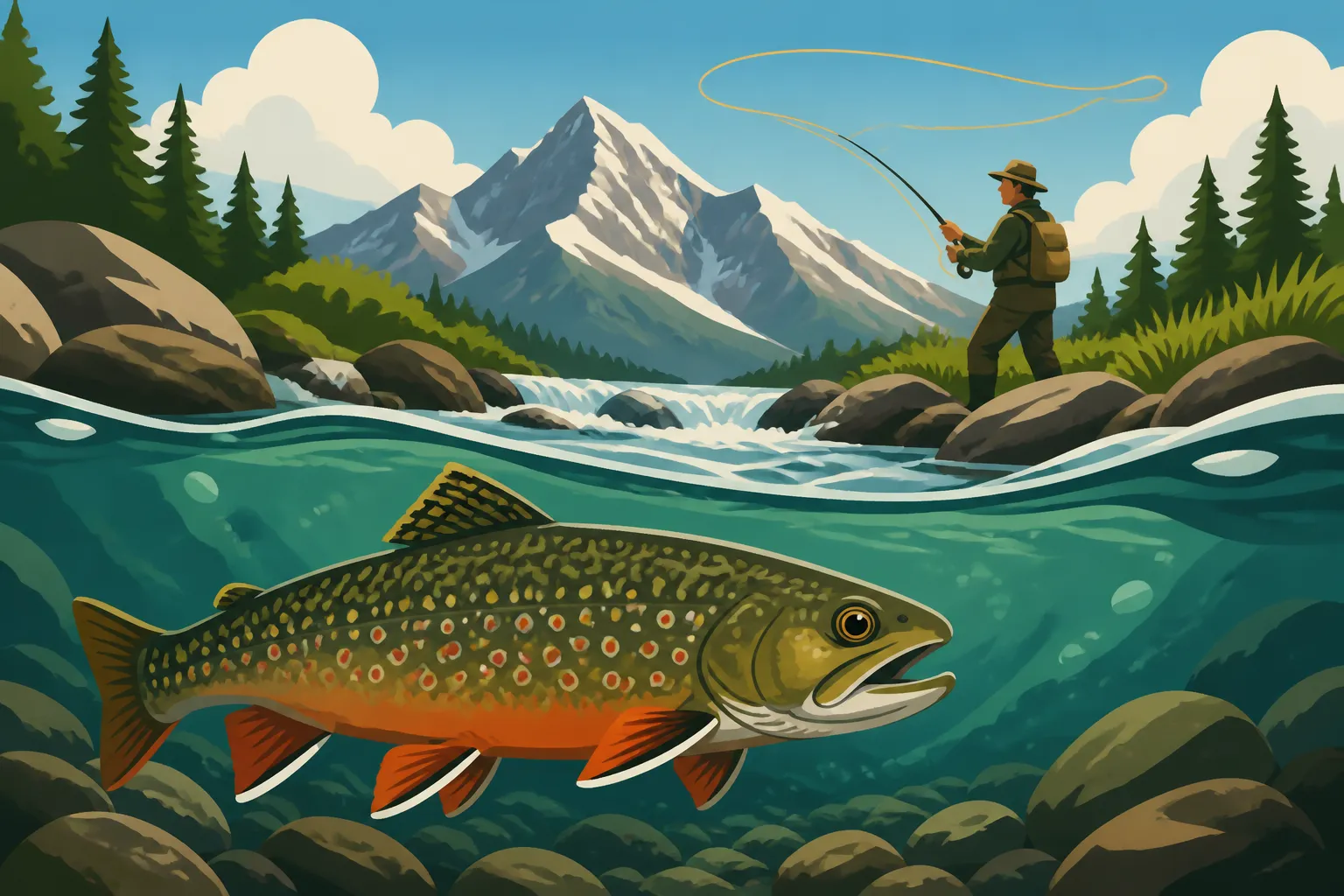
Brook Trout in Wyoming’s Mountain Streams
If you've ever dreamt of escaping the hustle and bustle, wading into a crystal-clear mountain stream, and pulling out a jewel-toned fish, then brook trout fishing in Wyoming is probably on your radar. These feisty, beautiful fish offer an incredible experience, but knowing where to find them and how to entice them can feel like a secret code. This guide will unravel those mysteries, helping you discover the joy of pursuing brook trout in the Cowboy State's stunning high country.
Understanding Wyoming's Brook Trout
Brook trout, with their vibrant colors and distinctive worm-like markings, are truly a sight to behold. Often called "brookies," these fish are a favorite among anglers who appreciate both their beauty and their willingness to bite. While not native to most of Wyoming, they've become well-established in many of our colder, higher-elevation waters, offering a unique fishing opportunity.
A Brief History of Brook Trout in Wyoming
It might surprise you to learn that the brook trout, despite its ubiquitous presence in many of Wyoming's mountain streams and lakes, isn't actually native to the state. These char, which are a close relative of trout, originally hail from the eastern North American continent. They were introduced to Wyoming's waters in the late 19th and early 20th centuries as part of widespread stocking efforts, intended to provide angling opportunities in areas where native fish might have been sparse or less accessible. Their hardiness, prolific breeding, and ability to thrive in cold, clear, nutrient-poor waters made them ideal candidates for these remote, high-altitude environments.
However, this introduction wasn't without its complexities. In many instances, brook trout outcompeted native species like the various subspecies of cutthroat trout, which had evolved over millennia to thrive in Wyoming's unique ecosystems. Their aggressive feeding habits and rapid reproduction rates often led to smaller, stunted populations of both brook trout and the native fish they displaced. This ecological impact is why the Wyoming Game and Fish Department sometimes manages brook trout differently than native species, occasionally even encouraging harvest in certain areas to benefit native populations. Understanding this history gives us a richer appreciation for where they fit in the state's diverse fisheries.
Identifying the Distinctive Brookie
One of the most appealing aspects of brook trout is their striking appearance. Unlike rainbow or brown trout, which often have more subtle markings, brook trout burst with color. Their backs are typically a dark, olive-green color, adorned with distinctive, worm-like patterns known as "vermiculations." These patterns are usually lighter, often cream-colored, and help them camouflage perfectly among shadowed stream bottoms. Along their sides, you'll see scattered red and yellow spots, often surrounded by blue halos, which makes them truly stand out.
Perhaps their most recognizable feature is their lower fins. The leading edges of their pectoral, pelvic, and anal fins are bright white, followed by a bold black stripe and then a reddish-orange hue. This white-black-orange tri-color pattern is almost like a neon sign for "brook trout" and is usually the easiest way to identify them, even at a quick glance. When they're in spawning colors, especially in the fall, these reds and oranges intensify, making them even more spectacular. If you want a deeper dive, check out How to Identify a Brook Trout for more visual cues.
Where to Find Brook Trout in Wyoming
Wyoming is a vast state, but when you're looking for brook trout, you're generally focusing on specific types of water: those cold, clear, and often higher-elevation streams and lakes. These aren't your big, famous rivers, but rather the hidden gems that require a bit more effort to reach. The reward, however, is often solitude and prolific fishing for these beautiful char.
Ideal Stream Characteristics for Brook Trout
Brook trout are creatures of habit and prefer very specific environments. They thrive in small to medium-sized mountain streams that are exceptionally cold and clear, often fed by snowmelt or groundwater springs. These streams typically have gravel bottoms, which are crucial for spawning, and a good mix of riffles, runs, and deeper pools. Look for streams with plenty of overhead cover, like dense riparian vegetation, overhanging banks, or submerged logs and rocks. This cover provides vital protection from predators and offers shaded areas where the water stays cooler during warmer months.
Streams with stable temperatures throughout the year are also prime candidates. Brook trout are highly sensitive to warm water, and prolonged periods above 68°F (20°C) can be fatal. Therefore, many of the best brook trout streams are found at higher elevations, where the air temperature is naturally cooler, and the water flows briskly, remaining oxygenated and refreshing. These aren't the broad, sprawling rivers where you might target larger trout; think more intimate, pocket water fishing, where stealth and presentation are key.
High-Elevation Lakes and Small Stream Habitation
Beyond the charming mountain streams, brook trout also do exceptionally well in high-elevation alpine lakes and their connecting tributaries. These lakes, often glacially carved and surrounded by stunning scenery, offer cold, pristine environments perfectly suited for brookies. Many of these lakes were historically barren of fish or contained only native cutthroat, and brook trout were introduced to create additional recreational opportunities. In these stillwater environments, brook trout can sometimes grow a bit larger than their stream-dwelling counterparts due to a more stable food supply and less energy expended fighting currents.
Accessing these high-elevation lakes often requires a hike, sometimes a significant one, into the wilderness. But the effort is almost always worth it. The solitude, breathtaking views, and the chance to catch brightly colored fish in an unspoiled setting are truly a unique Wyoming experience. Small feeder streams flowing into and out of these lakes are also prime real estate for brook trout, especially during spawning season in the fall. For more on these incredible spots, consider reading Fishing Wyoming's High-Alpine Lakes.
Notable Regions for Brook Trout Fishing
While brook trout are widely distributed across Wyoming's mountainous regions, some areas are particularly well-known for them. The Absaroka Range in northwest Wyoming, stretching from Yellowstone National Park south towards Dubois, is laced with countless high-elevation streams and lakes that hold healthy brook trout populations. Here, you'll find pristine waters nestled among dramatic peaks, offering unparalleled backcountry experiences. The Shoshone National Forest Fishing Lakes in Wyoming are a fantastic example of this.
Further south, the Wind River Range is arguably the crown jewel for high-country fishing, with thousands of alpine lakes and miles of connecting streams. This rugged wilderness is home to some of Wyoming's most remote and productive brook trout waters. Areas around Pinedale, Lander, and Dubois serve as excellent jumping-off points for trips into the "Winds." You might also find good brook trout fishing in the Sierra Madre Range in the state's south-central portion, particularly in the Medicine Bow-Routt National Forest. Even parts of the Bighorn Mountains in north-central Wyoming offer excellent opportunities in their higher reaches. Specific locations can vary year by year, so always check the latest Wyoming Game and Fish Department regulations and fishing reports for up-to-date information on Best Streams for Brook Trout in Wyoming.
Effective Techniques for Catching Brook Trout
Catching brook trout is generally not overly complicated; they're often quite eager to bite, especially in less-pressured waters. However, using the right gear and techniques will significantly increase your success and make the experience more enjoyable. Whether you're a fly fishing purist or prefer the simplicity of spin fishing, there's a method that will work for you.
Spin Fishing Setups for Brookies
For many anglers, especially those just starting out or hiking into remote areas, a lightweight spinning setup is ideal for brook trout. You'll want a light or ultralight spinning rod, typically between 4.5 and 6 feet long, paired with a small spinning reel. Spool it with 2 to 4-pound test monofilament or fluorocarbon line; anything heavier will be overkill for these relatively small fish and can make casting small lures difficult. A simple setup like this can be found easily on Amazon, and it's perfect for flicking tiny lures into tight spots on mountain streams.
The key to spin fishing for brook trout is stealth and accurate casting. These fish are often found in small pools and runs, and a heavy splash from a lure or a clumsy approach can spook them. Cast upstream and allow your lure to drift naturally down through potential holding lies, retrieving just fast enough to impart action. Pay close attention to current seams, undercut banks, and around any submerged structure. Remember, brookies are opportunistic feeders and will often strike aggressively at anything that looks like an easy meal. Spin Fishing Techniques for Beginners might offer a broader overview if you're new to the game.
Fly Fishing for Mountain Stream Brook Trout
Fly fishing for brook trout in Wyoming's mountain streams is a truly classic experience. It often involves delicate presentations and matching the hatch (or at least presenting something appealing). A 2 or 3-weight fly rod, between 6.5 and 7.5 feet, is perfect for the small flies and short casts often required in brushy, tight stream environments. Pair it with a matching reel and a weight-forward floating line. Your leader and tippet should be light, around 4x to 6x, to ensure a natural drift and prevent spooking these often-wary fish.
When it comes to fly patterns, brook trout aren't usually picky eaters. Dry flies like an Elk Hair Caddis, Parachute Adams, Royal Wulff, or small Stimulators in sizes 14-18 are excellent choices, especially during summer hatches. If fish aren't rising, nymphs such as a Pheasant Tail, Hare's Ear, or Prince Nymph in sizes 14-18, fished under a small indicator or even on a dry-dropper rig, can be incredibly effective. Small streamers like a Woolly Bugger in olive or black can also provoke aggressive strikes. The beauty of fly fishing for brookies is the sheer variety of methods you can employ, from delicate dry fly presentations to prospecting with subsurface patterns. Fly Fishing Techniques for Wyoming Trout Streams delves deeper into these methods.
Essential Lures and Baits
For both spin and fly fishing, having a selection of effective lures and baits can make all the difference. When spin fishing, small inline spinners like a Rooster Tail or Panther Martin, in sizes #0 to #2, are perennial brook trout favorites. Their flash and vibration are irresistible. Small spoons, like a Kastmaster or Little Cleo, can also work well, especially in larger pools or high-alpine lakes. When selecting colors, natural tones like silver, gold, and brown are always a safe bet, but bright colors like chartreuse or orange can sometimes trigger strikes, especially in slightly off-color water.
If you prefer bait, simple offerings like small worms (pieces of nightcrawlers or red wigglers) are often deadly effective. PowerBait or similar scented dough baits can also be productive, particularly in heavily stocked waters or smaller ponds. Just be aware of local regulations, as bait restrictions might apply in some designated "artificial lure and fly only" waters to protect native fish populations. Always double-check the Wyoming Game and Fish Department regulations booklet for the specific water you plan to fish to ensure you're in compliance.
Best Seasons and Conditions for Brook Trout
Timing your brook trout adventure to align with the best seasons and water conditions can significantly enhance your success. While these fish can be caught year-round in some areas (even ice fishing for them!), certain periods offer prime opportunities for consistent action and memorable catches.
Spring and Early Summer Opportunities
Spring, especially late spring after snowmelt has begun to subside, offers some fantastic opportunities for brook trout. As water temperatures slowly rise from their winter lows, brook trout become more active and begin feeding aggressively. Early season often finds them in slightly deeper, slower pockets as they shake off the lethargy of winter. As spring transitions into early summer, snowmelt-fed streams will gradually clear and warm just enough to kick-start insect activity, leading to exciting dry fly fishing.
However, keep an eye on runoff. If you're targeting small streams, heavy snowmelt can cause high, cold, and murky water, making fishing challenging. Aim for periods just before or after the peak runoff, or seek out spring-fed streams that are less affected by snowmelt. High-elevation lakes, which often remain ice-covered later into the spring, will also experience an "ice-out" bite when they become accessible. As the ice recedes, fish that have been confined all winter become very active, gorging on newly available food sources. This period can offer some of the best fishing of the entire year for larger brook trout in still waters.
Fall Fishing for Spawning Brook Trout
Autumn is a truly special time to target brook trout in Wyoming. As the days shorten and water temperatures begin to drop, brook trout enter their vibrant spawning phase. Males, in particular, develop incredibly intense coloration, with deep oranges, reds, and blacks, making them even more stunning to catch. During this period, they become much more aggressive and territorial, making them easier to target.
Brook trout will often migrate from larger streams or lakes into smaller, gravel-bottomed tributaries to spawn. Focusing on these smaller feeder streams or the shallow, gravelly shoals of high-alpine lakes can be highly productive. While it's tempting to target these beautiful, aggressively colored fish, responsible angling during the spawn is crucial. Practicing catch-and-release, especially for larger breeding fish, helps ensure healthy populations for future generations. Keep an eye on Wyoming Fishing Seasons Month by Month for broader seasonal insights across the state.
Reading Water Conditions for Success
Success in brook trout fishing, particularly in streams, often hinges on your ability to "read the water." This means understanding where fish are likely to hold based on the current, structure, and depth. Brook trout, like other trout species, seek out areas where they can expend minimal energy while having easy access to food. Look for current seams where fast water meets slow water, as food will drift down the fast water and collect in the slower zone, providing a buffet for waiting fish.
Undercut banks are prime hiding spots, offering both cover and a cool, dark refuge. Large rocks, submerged logs, and even thick vegetation can create eddies and pockets of slower water where brookies will lie in wait. Deeper pools, especially those with some sort of structure, are always worth investigating. Conversely, avoid wide, shallow, featureless stretches of water, as these offer little in the way of food or protection. Wind can also play a role, especially on lakes, where it can push baitfish and insects closer to shore. Knowing How to Read Water When Trout Fishing is an invaluable skill that will benefit all your angling endeavors, not just for brookies.
Conservation and Responsible Angling Practices
While brook trout are often abundant, especially in their preferred habitats, responsible angling practices are paramount. Not only does it ensure healthy fish populations for the future, but it also helps protect the fragile ecosystems many of these beautiful fish call home. Understanding Wyoming's specific regulations and practicing good ethics are key to being a responsible angler.
Wyoming's Regulations for Brook Trout
Wyoming's fishing regulations for brook trout can vary significantly depending on the specific water. Because brook trout are often non-native and can sometimes outcompete native cutthroat species, the Wyoming Game and Fish Department's management strategies are often tailored to promote native fish while still offering angling opportunities for brookies. In some waters, particularly those with strong native cutthroat populations, there might be liberal limits on brook trout, even encouraging anglers to keep all brook trout caught, regardless of size. This management approach aims to reduce brook trout competition with native species. If you're unsure if Are Brook Trout Considered Invasive in Wyoming?, remember their impact on native species.
Conversely, in waters where brook trout are the primary species and are not posing a threat to natives, there might be more standard limits, or even specific length restrictions in place to promote larger fish. It is absolutely critical to consult the most current Wyoming Fishing Regulations booklet (available online or at license vendors) before you head out. Don't rely on old information or hearsay. Regulations can change annually and are often water-specific. For a comprehensive overview of rules, check out Wyoming Fishing Regulations Every Angler Should Know.
The Importance of Catch and Release (Sometimes)
The decision to practice catch and release or to harvest your catch should be guided by local regulations and your personal angling ethics. As mentioned, in some Wyoming waters, the Game and Fish Department actively encourages the harvest of brook trout to help native cutthroat populations thrive. In these situations, keeping a limit of brookies is not only permissible but can also be a valuable part of conservation efforts. These smaller brook trout, when properly cared for, also make for excellent table fare!
However, in other areas where brook trout are managed for quality or are not negatively impacting native species, catch and release can be important, especially for larger, older fish that contribute significantly to the gene pool. If you do choose to release fish, it's vital to practice proper handling techniques to maximize their survival. Wet your hands before handling the fish, minimize air exposure, handle them gently, and use a net to safely land them. Remove hooks quickly with forceps or pliers. Avoid dragging fish on rocks or squeezing them tightly. Following Catch and Release Best Practices for Trout ensures that released fish have the best chance to survive and spawn again.
Minimizing Your Impact on Fragile Ecosystems
Fishing in Wyoming's pristine mountain streams and high-alpine lakes is a privilege, and it comes with the responsibility of minimizing your environmental impact. These ecosystems, especially at higher elevations, are often fragile and can take a long time to recover from disturbance. Always pack out everything you pack in, including all trash, leftover fishing line, and any food scraps. Even biodegradable items can take a long time to break down and can attract wildlife.
Stick to established trails to reduce erosion and avoid trampling sensitive vegetation. If you're wading, do so carefully to avoid disturbing redds (spawning beds) which appear as clean, gravelly depressions in the stream bed. Be mindful of stream bank integrity; avoid creating new paths or eroding existing ones. Lastly, consider checking your gear for aquatic invasive species, especially if you're moving between different drainages or bodies of water. A quick clean and dry of waders and boots can prevent the spread of unwanted organisms. A small, lightweight backpack for your gear, like those available on Amazon, can help you carry out everything you need and bring back everything you started with.
Gear Checklist for Mountain Stream Brook Trout
Preparing for a brook trout trip means thinking about lightweight, effective gear. Here’s a quick overview of what to consider packing.
| Item Type | Recommended Specs | Notes |
|---|---|---|
| Fishing Rod | Ultralight Spin (4.5-6 ft) OR Light Fly (2-3 wt, 6.5-7.5 ft) | A shorter rod is best for brushy, tight streams. Longer rods are better for open high-alpine lakes. Look for travel-friendly options for hiking. Many excellent, packable options are available on Amazon. |
| Reel & Line | Small spinning reel (2-4lb mono/fluoro) OR Fly reel (WF floating, 2-6x tippet) | Lighter line is crucial for casting small lures and flies. Fluorocarbon leaders can be less visible. |
| Lures/Flies | Small inline spinners (#0-#2), spoons, jigs; Dry flies (14-18), Nymphs (14-18), small Streamers | Pack a variety. Brookies aren't always picky, but having options helps. |
| Bait (if allowed) | Small worms, PowerBait | Always check regulations. Use small hooks (size 10-14) for brook trout mouths. |
| Tools | Small forceps/pliers, line clippers, small net (optional) | Forceps are essential for hook removal, especially with small fish. A small, rubberized net minimizes fish damage for catch-and-release. |
| Waders/Boots | Lightweight waders or quick-dry hiking pants and wading boots | In colder waters, waders are a must. For warmer summer days and easy access, quick-dry pants and sturdy boots might suffice. Ensure good ankle support for uneven terrain. |
| Backpack | Small, comfortable hiking backpack | You'll need to carry water, snacks, extra layers, and your tackle. A good quality, waterproof backpack can be a game-changer for backcountry trips and can be purchased on Amazon. |
| Safety Gear | First-aid kit, bear spray (depending on location), map, compass/GPS, headlamp, water filter | Hiking into remote areas demands preparedness. Weather can change quickly in the mountains. |
| Essentials | Sunscreen, insect repellent, polarized sunglasses, hat, water bottle, snacks, camera | Polarized sunglasses are non-negotiable for spotting fish and protecting your eyes. A reliable water bottle or hydration bladder from Amazon is also a good idea. |
| License | Valid Wyoming Fishing License and Conservation Stamp | Absolutely critical. Carry it on your person, either physically or digitally if allowed. See Wyoming Fishing License Guide for Nonresidents or Total Cost of a Wyoming Resident Annual License and Stamp for details. |
Disclaimer
This article is for general informational purposes only and does not constitute professional advice. Laws, prices and regulations vary by location and change over time. Consult a qualified professional for guidance on your specific situation.