How Kokanee Salmon Got Into Wyoming Reservoirs
Many anglers are surprised when they reel in a shimmering, silver Kokanee salmon from a high-desert reservoir in Wyoming. It’s a common moment of "wait, what?" for folks who think of salmon as ocean-dwelling creatures. If you've ever wondered how these landlocked sockeye ended up thriving in places like Flaming Gorge or Pathfinder Reservoir, you're not alone. This guide will take a deep dive into the fascinating history of how Kokanee salmon were introduced to Wyoming's waters, the reasons behind these efforts, and what it means for anglers today.
The Vision of Diversifying Wyoming's Fisheries
Back in the day, the idea of having salmon in Wyoming might have seemed a little far-fetched. Wyoming, after all, is the epitome of the landlocked mountain west, famous for its incredible trout streams and high-alpine lakes. But for wildlife managers and passionate anglers, the thought of diversifying the state's fishing opportunities was always on the table. They wanted to offer something unique, something that would draw in new anglers and provide a different kind of challenge.
Why Introduce a Non-Native Species?
The primary motivation behind introducing Kokanee salmon was to utilize the immense, deep-water resources of Wyoming's large reservoirs. These impoundments, while fantastic for species like lake trout and even some rainbow trout, often had vast areas of open water that weren't fully utilized by existing game fish. Kokanee, being plankton feeders and schooling fish, were seen as a perfect fit to fill this ecological niche. They don't typically compete directly with many of Wyoming's native trout species, which primarily feed on insects and smaller fish, especially in stream environments. Instead, they feast on the abundant zooplankton found in large reservoir systems, converting that energy into a prized sport fish.
Another driving factor was the sheer angling appeal. Kokanee are known for their strong fight, beautiful seasonal color changes, and excellent table fare. Imagine hooking into a fish that feels like a mini-salmon, fighting hard against the drag, and then seeing it transform into a vibrant red during its spawning run. It's an experience that adds another layer of excitement to Wyoming's already diverse fishing scene. This also aligns with efforts to expand Wyoming Fishing Seasons Month by Month and offer unique experiences beyond traditional trout fishing.
Looking to Neighboring States for Inspiration
Wyoming didn't just wake up one day and decide to throw some salmon into a lake. Many of the initial ideas and programs were inspired by the successful introduction of Kokanee in neighboring states like Colorado, Utah, and Montana. These states had seen significant success in establishing robust Kokanee populations in their own large reservoirs, creating popular fisheries that attracted anglers from all over. Observing these successes provided a blueprint and a proof of concept, demonstrating that Kokanee could indeed thrive in similar Rocky Mountain aquatic environments. It wasn't about reinventing the wheel, but rather adapting proven strategies to Wyoming's unique waters.
The Science of Stocking: Bringing Kokanee to Wyoming's Reservoirs
Introducing a new species into any ecosystem is a carefully considered process, and Kokanee salmon were no exception. The Wyoming Game and Fish Department (WGFD) undertook extensive research and planning to ensure these landlocked salmon had the best chance of establishing self-sustaining populations. This wasn't a haphazard endeavor; it was a scientific undertaking.
Sourcing and Raising Kokanee Fingerlings
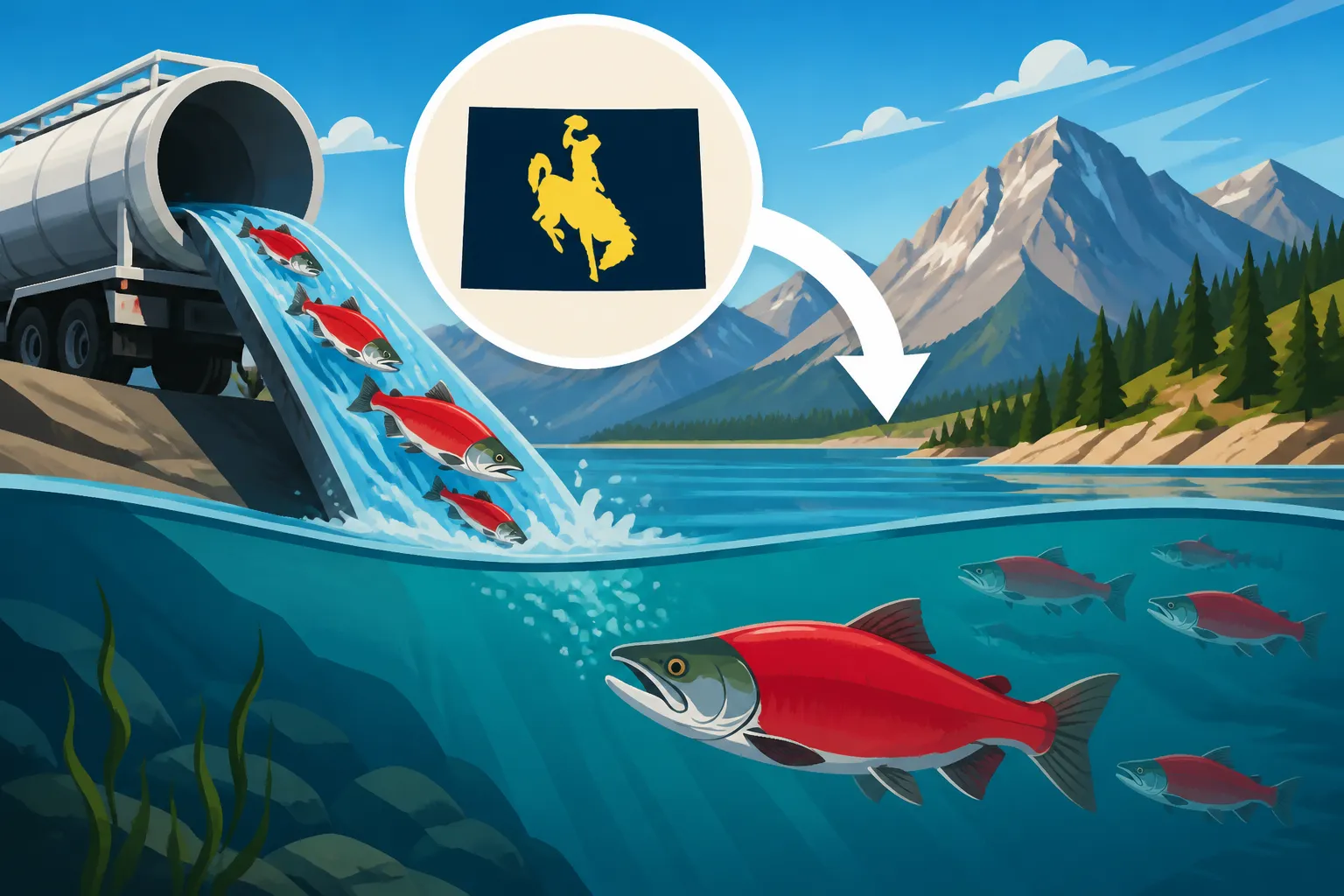
The journey of a Kokanee salmon to a Wyoming reservoir often begins far from the actual fishing grounds, typically in a hatchery. Initially, eggs or young fingerlings were sourced from established Kokanee populations in other states, or from eggs collected from existing spawning runs in Wyoming once a population was established. These tiny fish would then be raised in WGFD hatcheries, meticulously cared for until they reached a size where they had a better chance of survival after release.
The process of raising these fish involves careful control of water temperature, diet, and disease prevention. It's a testament to the dedication of hatchery staff who work tirelessly to ensure a healthy stock. Think of it as a nursery for fish, giving them the best start before they face the wild. For anglers eager to understand the broader context, knowing Wyoming Fishing Regulations Every Angler Should Know is crucial, as stocking efforts are always tied into conservation and management goals.
Key Stocking Locations: Where Kokanee Found a Home
While Kokanee have been stocked in several Wyoming reservoirs over the decades, a few key locations stand out as their most successful strongholds. These are the places where anglers now regularly target these fantastic fish.
Flaming Gorge Reservoir: This massive reservoir, straddling the Wyoming-Utah border, is arguably the crown jewel of Wyoming's Kokanee fishery. Initial stockings here proved incredibly successful, with Kokanee finding the deep, cold, plankton-rich waters ideal. The reservoir now boasts a healthy, self-sustaining population, and the annual spawning run up the Green River is a spectacle. Anglers often flock here, especially in the late summer and fall, to target these vibrant fish. It's a fantastic place to learn about Kokanee Salmon at Flaming Gorge Reservoir.
Pathfinder Reservoir: Located near Casper, Pathfinder is another large, deep reservoir that has seen great success with Kokanee. While perhaps not as widely known for Kokanee as Flaming Gorge, it offers excellent opportunities, particularly for those looking for a diverse angling experience in central Wyoming. Anglers here often use similar trolling techniques as they would at Flaming Gorge, chasing schools of Kokanee in the open water. You can find more specific information on Kokanee Salmon in Pathfinder Reservoir.
Boysen Reservoir: Further north, Boysen Reservoir has also received Kokanee stockings, adding another dimension to its already popular walleye and trout fisheries. The success here has been a bit more variable than at Flaming Gorge, but Boysen still offers periods of good Kokanee fishing, especially for those willing to learn the local patterns.
Here's a quick overview of some of Wyoming's key Kokanee reservoirs:
| Reservoir Name | Primary Location | Stocking Success | Angling Experience | Notable Features |
|---|---|---|---|---|
| Flaming Gorge | Southwestern Wyoming | Excellent | Deepwater trolling, strong fighting fish | Self-sustaining population, stunning fall spawning run |
| Pathfinder Reservoir | Central Wyoming (Casper) | Good | Trolling, jigging | Consistent numbers, diverse fishery |
| Boysen Reservoir | Central Wyoming (Shoshoni) | Variable | Trolling, can be mixed with walleye and trout | Offers a different challenge, adds to existing fishery |
| Viva Naughton Reservoir | Southwestern Wyoming | Emerging / Good | Smaller-scale, but good fighting fish | Known for good ice fishing opportunities sometimes |
Adapting to a Landlocked Life
Kokanee salmon are a unique subspecies of sockeye salmon that complete their entire life cycle in freshwater, never migrating to the ocean. This makes them perfectly suited for reservoir environments once introduced. They typically mature in 3-4 years, then return to their natal stocking areas or tributary streams to spawn. After spawning, like their ocean-going cousins, they die. This "anadromous" (but landlocked) life cycle is fascinating and provides a predictable pattern for anglers to target them, especially during their vibrant fall spawning runs when their flesh turns brilliant red.
The Angler's Pursuit: Fishing for Wyoming's Kokanee
The introduction of Kokanee salmon didn't just diversify the fish species in Wyoming; it also diversified the techniques and gear anglers use. Suddenly, a whole new world of fishing opened up, requiring different strategies than those traditionally used for trout.
Specialized Gear and Techniques
Catching Kokanee often means adopting techniques more commonly associated with offshore salmon fishing, but scaled down for freshwater. Trolling is king for Kokanee. Anglers use downriggers, lead core lines, or specialized planer boards to get small lures and baits down to the depths where Kokanee school. These fish are finicky and often prefer bright, flashy colors like pink, orange, or chartreuse on small dodgers, flashers, or wedding rings. Many anglers will sweeten their lure with a kernel of shoepeg corn, which adds scent and a visual attractant.
Finding the right gear can sometimes be a quest. Platforms like Amazon have made it incredibly easy to find specialized Kokanee gear, from micro-sized dodgers to specific trolling spoons that might be harder to locate in local shops. Having the right setup, often a light-action rod with sensitive tip, is critical for detecting their subtle bites. If you're looking for more general trolling advice, consider our guide on Trolling Techniques for Wyoming Reservoirs.
The Thrill of the Fight and the Feast
Kokanee are known for their spirited fight. Once hooked, they'll make powerful runs, head shakes, and often jump, providing an exhilarating experience on light tackle. When you finally land one, their silver bodies, often adorned with spots, are a beautiful sight. As they approach their spawning season in late summer and fall, their bodies transform, with males developing a hooked jaw (kype) and both sexes turning a brilliant crimson red.
Beyond the fight, Kokanee salmon are highly prized for their delicious, firm, orange-red flesh. They make for excellent table fare, whether smoked, baked, or grilled. For many anglers, the opportunity to harvest a delicious salmon from a Wyoming reservoir is a major draw. Just remember to check the Wyoming Fishing Regulations Every Angler Should Know for specific bag and possession limits, as these can vary by water.
Managing the Resource: Ensuring Future Kokanee Fishing
The success of Kokanee salmon in Wyoming reservoirs isn't a "set it and forget it" situation. The Wyoming Game and Fish Department continuously monitors these populations, adjusting stocking levels, and implementing regulations to ensure a healthy and sustainable fishery for future generations.
Population Dynamics and Environmental Factors
Kokanee populations are sensitive to various environmental factors, including water levels, temperature, and food availability. Reservoirs, being man-made, can have fluctuating water levels due to irrigation demands or drought, which can impact spawning success or the survival of young fish. The WGFD carefully studies these dynamics, often conducting netting surveys to assess population health, growth rates, and reproductive success.
For instance, understanding how much plankton is available can help determine if a reservoir can support more fish, or if stocking needs to be reduced to prevent overpopulation and stunted growth. These factors all play a critical role in how many fish you might find in a particular year. If you're interested in the larger picture of licensing, check out Wyoming's Annual, Daily and Five-Day License Options to support these management efforts.
The Challenge of Spawning Runs
While some Kokanee populations, particularly in Flaming Gorge, have established significant natural spawning runs in tributary streams like the Green River, others still rely heavily on continued stocking. During the fall, thousands of mature Kokanee will migrate upstream to spawn, creating a stunning visual spectacle for wildlife observers. However, natural reproduction can be limited by suitable spawning gravel, water flow, or predation.
The WGFD may collect eggs from these wild spawning fish to raise in hatcheries, providing a sustainable source for future stockings in other reservoirs. This careful balance of natural reproduction and hatchery support is key to maintaining robust Kokanee fisheries across the state. Understanding how to respect these sensitive spawning areas is also part of being a responsible angler.
The Future of Kokanee in Wyoming
The story of Kokanee salmon in Wyoming is a successful chapter in fisheries management. What started as an innovative idea to diversify angling opportunities has blossomed into a beloved fishery that draws anglers from far and wide. The ability to catch a "salmon" in the heart of the Rocky Mountains is a unique experience that many cherish.
As an angler, being informed about the species you target, the regulations that govern them, and the conservation efforts that sustain them, is part of the joy. Whether you're heading to Flaming Gorge specifically for Kokanee Salmon at Flaming Gorge Reservoir or hoping to stumble upon one while fishing another body of water, these vibrant fish are a testament to forward-thinking fisheries management. And who knows, maybe that specialized downrigger you found on Amazon will help you land your next trophy Kokanee in Wyoming's majestic waters.
Disclaimer
This article is for general informational purposes only and does not constitute professional advice. Laws, prices and regulations vary by location and change over time. Consult a qualified professional for guidance on your specific situation.