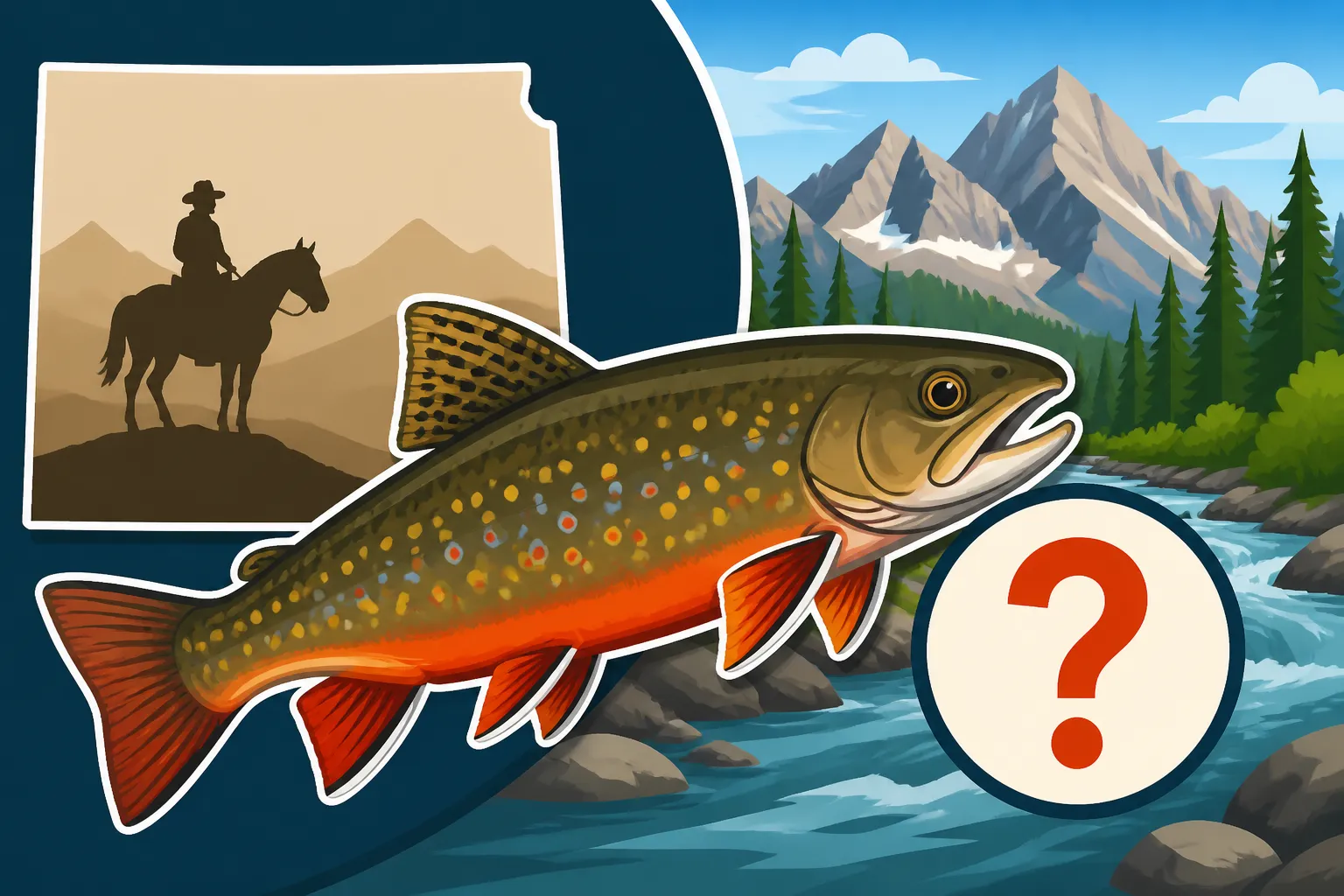
Are Brook Trout Considered Invasive in Wyoming?
There's a lot of confusion out there among anglers about brook trout in Wyoming. Many folks wonder if these beautiful, colorful fish are considered invasive, especially when you hear about efforts to protect native species. It's not a simple "yes" or "no" answer, and that's precisely why we're diving deep into the topic today. This guide will help you understand the ecological status of brook trout in the Cowboy State, where they pose challenges, and how anglers like us fit into the larger conservation picture.
Understanding "Invasive" in the Context of Wyoming Fisheries
The term "invasive species" often conjures images of destructive, non-native plants or animals completely taking over an ecosystem. While brook trout are certainly non-native to most of Wyoming, their status as "invasive" is a bit more nuanced and depends heavily on the specific water and the management goals for that area.
What Defines an Invasive Species?
Generally speaking, an invasive species is an organism that is not indigenous to a particular area (non-native or alien) and whose introduction causes, or is likely to cause, environmental harm, economic harm, or harm to human health. When we talk about environmental harm in a fishing context, we're usually looking at things like direct predation on native species, competition for food and habitat, the introduction of diseases, or hybridization that dilutes the genetic integrity of native fish. Think of the intense efforts to control Wyoming's Lake Trout Removal Efforts in Yellowstone Lake due to their impact on native cutthroat. That's a clear-cut invasive scenario.
However, just being "non-native" doesn't automatically make a species "invasive" in all contexts. For instance, rainbow trout are not native to Wyoming either, but they are widely stocked and cherished in many fisheries where they don't threaten native populations in the same way. The key is the impact they have on the existing ecosystem, especially on native, often sensitive, species.
The Nuance with Brook Trout in Wyoming
Brook trout, or "brookies" as many of us affectionately call them, are actually a char, not a true trout, and they are native to eastern North America. They were introduced to Wyoming in the late 19th and early 20th centuries, primarily for sport fishing. They found many of Wyoming's cold, clear mountain streams and high-elevation lakes to be perfect habitat, and they quickly established self-sustaining populations. They're resilient, reproduce readily, and can thrive in waters that might be too harsh for some other species.
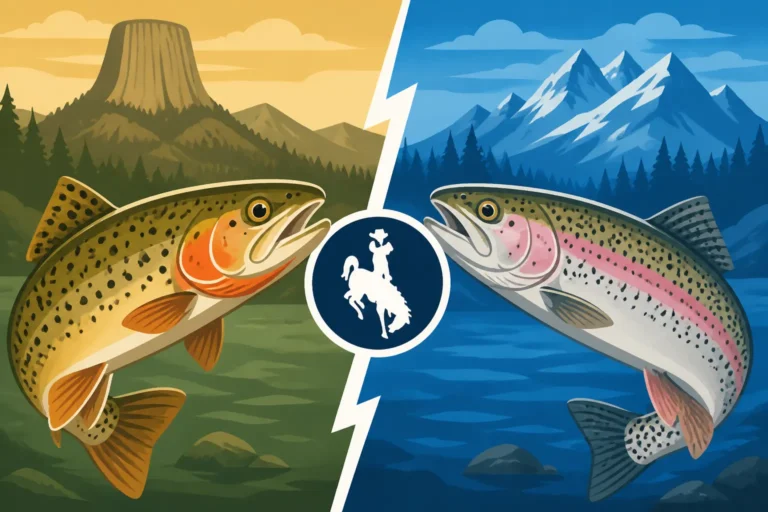
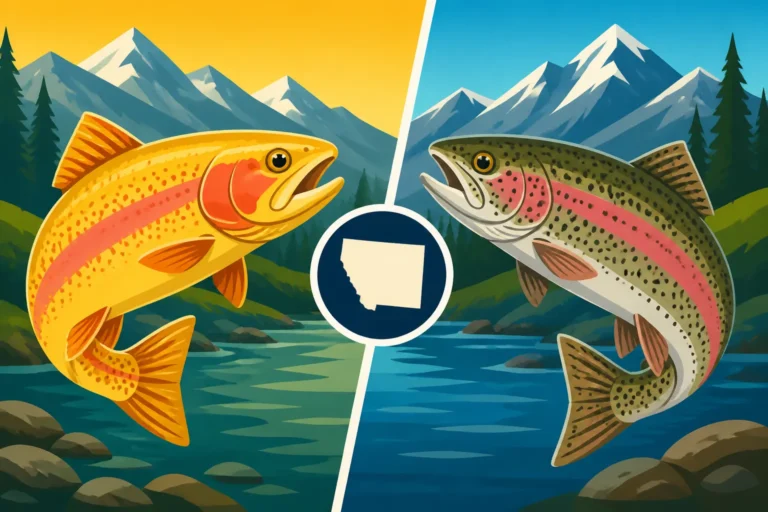
The "invasive" label comes into play because, in certain sensitive ecosystems, brook trout can indeed cause significant environmental harm, particularly to Wyoming's various native cutthroat trout subspecies, such as the Yellowstone cutthroat. In these specific waters, brook trout outcompete cutthroat for food and spawning habitat, and they can even hybridize with them, which dilutes the genetic purity of the native stock. So, while they might not be universally labeled "invasive" across the entire state, they are certainly considered problematic in critical native fish recovery areas. This distinction is crucial for understanding why regulations vary so much from one stream to the next.
Where Brook Trout Pose a Threat in Wyoming
The primary concern with brook trout in Wyoming isn't their presence everywhere, but rather their impact in specific, often pristine, habitats where native trout species are struggling or where their genetic integrity is paramount.
Impact on Native Cutthroat Trout
Wyoming is home to several subspecies of cutthroat trout, including the Yellowstone, Snake River fine-spotted, Colorado River, and Bonneville cutthroat. These native fish are the ecological backbone of many of Wyoming's coldwater fisheries, having adapted over millennia to the unique conditions of their respective drainages. Unfortunately, brook trout can be a real threat to these precious populations.
Firstly, brook trout tend to spawn earlier in the fall than cutthroat trout, often in similar gravel beds. This head start means their eggs hatch sooner, and their fry are larger and more aggressive, giving them a competitive advantage for food and space. Secondly, brook trout are known for their prolific reproduction and can quickly overpopulate a stream, leading to stunted growth (the "brookie bonsai" effect) and intense competition for limited resources. This can significantly impact the growth rates and overall health of native cutthroat. Perhaps most critically, brook trout can hybridize with cutthroat trout, though this is less common than with rainbow trout. The more significant genetic threat is that by outcompeting the native fish and reducing their numbers, they limit the genetic diversity and resilience of the cutthroat populations. Understanding the unique traits of Cutthroat Trout Fishing in Wyoming helps appreciate what's at stake.
Specific Waters and Ecosystems Affected
The Wyoming Game and Fish Department (WGFD) focuses its brook trout management efforts on waters that are critical strongholds for native cutthroat trout, particularly in high-elevation wilderness areas and headwater streams. These are often small, pristine environments where cutthroat populations can be especially vulnerable to competition from non-native species.
For example, in many of the small, clear feeder streams of the Wind River Range or the Absaroka Mountains, where genetically pure populations of Colorado River or Yellowstone cutthroat might still exist, brook trout are actively managed. These areas are vital for conservation, and the WGFD will often have specific regulations encouraging the harvest of brook trout to reduce their numbers and give native species a fighting chance. It's a delicate balance, and these remote, often stunningly beautiful, streams represent the front lines of native trout conservation. While a larger river might have a mixed bag of trout with less concern, these specific, isolated headwater systems are where brook trout can truly be considered ecologically invasive.
Management Strategies and Angler's Role
Given the nuanced status of brook trout, the Wyoming Game and Fish Department employs targeted management strategies, and anglers play a crucial role in supporting these efforts. It’s not about eradicating brook trout entirely, but about managing their populations in specific areas to protect native fish.
Wyoming Game and Fish Department's Stance
The WGFD's approach to brook trout is adaptive and site-specific. In areas where brook trout pose a threat to native cutthroat populations, the department often implements regulations designed to reduce brook trout numbers. This might include:
- Liberal bag limits: Many waters that hold brook trout, especially those with native cutthroat, will have very generous or even unlimited bag and possession limits for brook trout. This is a clear signal that the WGFD encourages anglers to harvest these fish.
- Specific harvest quotas: You might find regulations stating something like "no limit on brook trout, but 2 cutthroat trout over 12 inches." This guides anglers to target brook trout and protect larger, reproducing native fish.
- Active removal programs: In some highly sensitive areas, the WGFD may conduct electrofishing or other methods to physically remove brook trout to restore native populations. This is often a significant undertaking and a sign of serious conservation concern.
It’s important to always consult the latest Wyoming Fishing Regulations Every Angler Should Know before you head out, as these rules can change from year to year and even from one stretch of river to another. The regulations booklet will explicitly outline which waters have special provisions for brook trout harvest.
Catch-and-Keep Ethic for Brook Trout
For anglers, participating in brook trout management often means embracing a "catch-and-keep" ethic when fishing in designated areas. Unlike many trout species where catch-and-release is widely practiced and encouraged for conservation (and often required, as detailed in Catch-and-Release Rules on Wyoming Waters), with brook trout in certain areas, keeping your catch directly contributes to the health of native ecosystems.
This can be a shift in mindset for some, but it’s an incredibly direct way to make a difference. When you keep a limit of brook trout from a stream that also holds native cutthroat, you are actively helping reduce competition and allowing the native fish to thrive. And let’s be honest, brook trout are absolutely delicious! They have delicate, flaky white meat, especially the smaller ones from cold, clean mountain streams. They are fantastic pan-fried whole, a perfect reward after a day of angling. So, if the regulations allow, don't hesitate to bring a stringer or a cooler with ice, and enjoy a fresh meal that also serves a conservation purpose.
| Aspect | Brook Trout in Native Cutthroat Waters | Brook Trout in Other Waters | Lake Trout in Yellowstone Lake |
|---|---|---|---|
| Native Status | Non-native | Non-native | Non-native (introduced) |
| Ecological Impact | Competition, potential hybridization with native cutthroat | Generally minor, often stocked for sport | Predation on native Yellowstone Cutthroat Trout |
| WGFD Stance | Encourage harvest, active removal in sensitive areas | Managed for sport, often liberal limits | Aggressive suppression, mandatory harvest, eradication efforts |
| Angler's Role | Catch-and-keep encouraged for conservation | Catch-and-keep or release, depending on personal preference and general limits | Mandatory harvest, cannot release live fish |
| "Invasive" Label | Yes, in specific native cutthroat habitats | No, generally not | Yes, highly invasive |
Why Brook Trout are Still Popular (and Where They Belong)
Despite their sometimes problematic status, brook trout remain incredibly popular with anglers, and for good reason. They are stunningly beautiful, feisty, and often found in breathtaking locations. It's important to remember that not all brook trout populations are deemed "invasive" or detrimental. In many waters, they provide excellent recreational opportunities without negative ecological impacts.
Recreational Value and Accessibility
For many, brook trout fishing is an introduction to the sport. They're often found in smaller, more accessible streams and ponds, making them a fantastic target for beginners or families. Their aggressive nature means they're usually willing biters, which is incredibly rewarding, especially for kids. Imagine the thrill of a young angler catching their first vibrant brook trout, with its speckled flanks and bright red fins, from a small mountain creek. It’s an unforgettable experience.
Beyond being a good "starter fish," brook trout also offer a unique experience for seasoned anglers. Many remote, high-alpine lakes and streams teem with brookies, offering incredible solitude and a chance to truly connect with nature. Backpacking into these areas for a shot at catching a limit of colorful brook trout is a cherished tradition for many Wyoming outdoors enthusiasts. They don't usually grow to trophy sizes in Wyoming, but their sheer numbers and willingness to bite make them a fun target.
Identifying Brook Trout
Knowing how to properly identify a brook trout is essential, especially when fishing in waters where regulations might differ between species. Brook trout have a distinct appearance that sets them apart from rainbow, brown, or even cutthroat trout.
Here's what to look for:
- Worm-like markings (vermiculations): This is the most distinctive feature. Brook trout have light, wavy, worm-like markings on a darker background on their backs and dorsal fin.
- Red and yellow spots with blue halos: Their sides are typically adorned with small, bright red spots surrounded by blue "halos," along with yellow spots.
- White leading edges on fins: The lower fins (pelvic, anal, and pectoral) often have striking white leading edges, usually bordered by black, which really makes them stand out.
- Square tail: Unlike the forked tail of a lake trout or the more rounded tail of some rainbows, brook trout usually have a square or only slightly forked tail.
These visual cues are generally quite reliable. Knowing Identifying Brook Trout vs Brown Trout can prevent any accidental misidentification, which is crucial if you're in an area with special regulations.
Gear Considerations for Targeted Brook Trout Fishing
Whether you're helping with conservation by harvesting or simply enjoying a recreational outing, having the right gear for brook trout makes all the difference. Their typical habitat and size often call for a lighter, more finesse-oriented approach.
Light Tackle for Small Streams
Brook trout, particularly in their native habitats and many Wyoming streams, rarely grow to massive sizes. A 10-inch brook trout is a respectable catch, and anything over 12 inches is often considered a trophy. Because of this, ultralight or light tackle is your best friend.
- Spin Fishing: For spin fishermen, a 5-foot to 6.5-foot ultralight spinning rod paired with a small reel spooled with 2-4 pound test monofilament or fluorocarbon line is perfect. This setup allows for accurate casts into tight pockets and brush-lined banks, and it makes even a small brook trout feel like a champion fighter. You might even find a great selection of these setups or replacement line on Amazon if you prefer to do your shopping online. A small tackle box with an assortment of tiny spinners (like Panther Martins, Mepps, or Rooster Tails in sizes 0 to 2), micro-spoons, and small jigs (1/32 to 1/16 ounce) will cover most situations. Remember, bright colors like gold, silver, or fluorescent orange often work wonders in clear mountain water.
- Fly Fishing: Fly anglers will appreciate a 2-weight to 4-weight fly rod, about 6 to 7.5 feet long, for brook trout. This lighter outfit provides incredible sensitivity and makes casting smaller dry flies and nymphs a joy. A floating weight-forward line and a 7.5-foot 5X or 6X leader and tippet will be ideal. For flies, think small dries like an Adams, Parachute Adams, or Elk Hair Caddis in sizes 14-18, and small nymphs like a Pheasant Tail, Hare's Ear, or Copper John in sizes 16-20. Don't forget some small ant or beetle patterns, as brook trout love terrestrial insects that fall into the water.
Fly Patterns and Bait
Brook trout aren't generally picky eaters, which is another reason they're so popular. Their opportunistic feeding habits mean you have a wide range of effective options.
- Flies: As mentioned, small dry flies are often irresistible to brook trout, especially on warm summer days when insects are active on the surface. When fish aren't rising, switching to a small nymph fished under an indicator or even a tiny streamer can be incredibly effective. Streamers that imitate small baitfish or leeches can entice larger brookies, though these are rarer.
- Bait Fishing: In waters where bait fishing is allowed (always check regulations!), brook trout readily take a variety of natural baits. Small pieces of worms or mealworms are perennial favorites. PowerBait, especially in bright colors like orange, chartreuse, or rainbow, can also be very effective, especially in stocked ponds or slower-moving stretches of stream. A simple hook, a split shot weight, and a bobber are all you need for a fun and successful outing. If you're looking for bait containers or basic fishing accessories, you'll likely find a good assortment on Amazon for quick delivery. Just be sure to check the Wyoming Fishing Seasons and Water-Specific Closures to ensure bait fishing is permitted in your chosen location.
- Lures: Small spinners, often just cast upstream and reeled back at a steady pace, are deadly for brook trout. The flash and vibration often trigger an aggressive strike. Ultralight spoons, resembling small minnows, are also very effective. When you're fishing for brook trout, remember that these little char often hold in small pockets, behind rocks, or along undercut banks. A precise cast that lands your offering right in their strike zone can lead to immediate action. You can search for specific "Wyoming brook trout lures" on Amazon if you want to see what's trending.
Ultimately, whether you view brook trout as a fun catch, a delicious meal, or a species to manage for conservation, understanding their role in Wyoming's complex aquatic ecosystems enriches the entire fishing experience.
Disclaimer
This article is for general informational purposes only and does not constitute professional advice. Laws, prices and regulations vary by location and change over time. Consult a qualified professional for guidance on your specific situation.