How Big Smallmouth Bass Get at Flaming Gorge
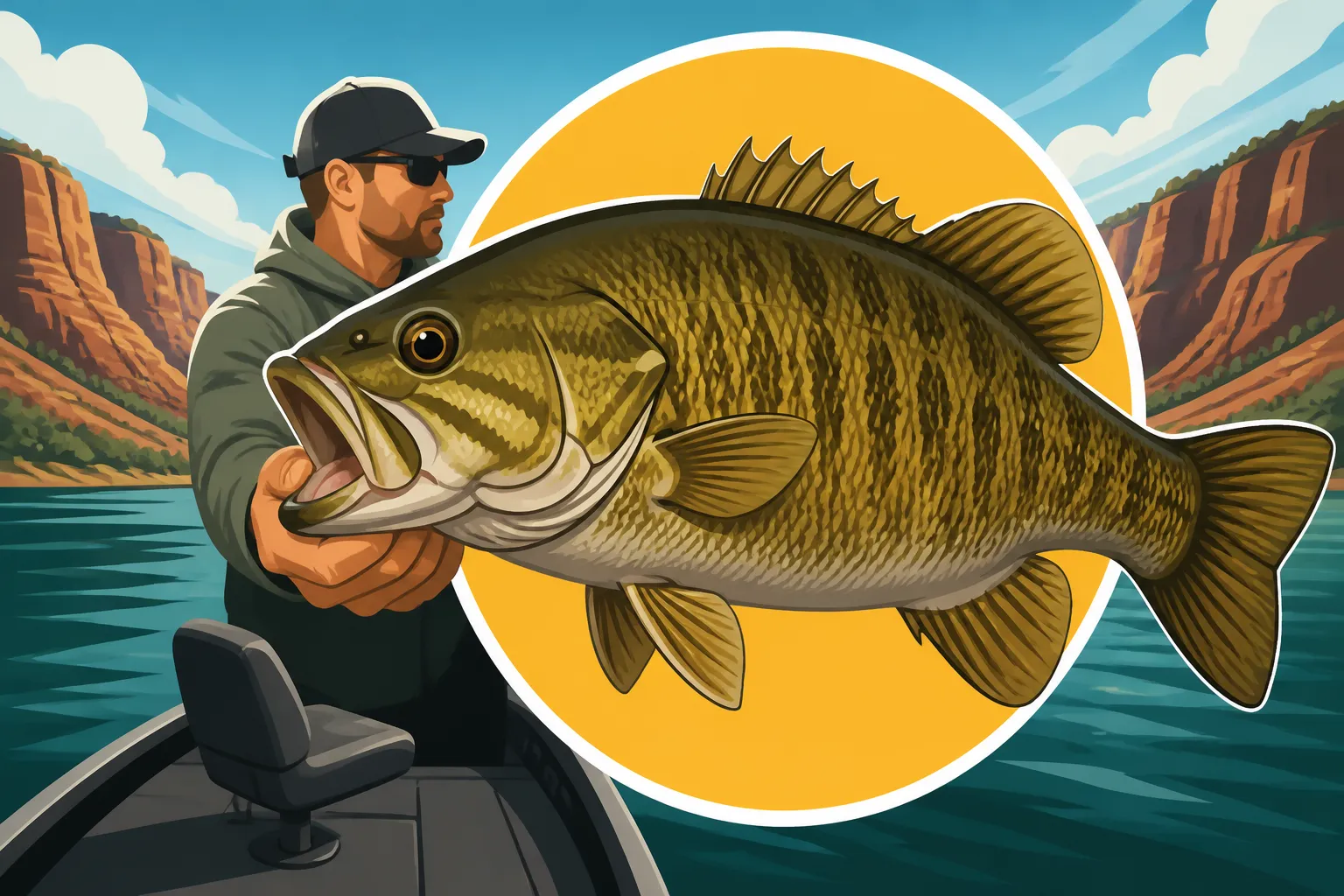
It’s easy to get fixated on the giant lake trout and the abundant walleye that get so much attention at Flaming Gorge Reservoir, but let me tell you, if you're overlooking the smallmouth bass, you're missing out on some incredible action. These feisty fighters offer a thrilling challenge, and you might be genuinely surprised by just how large they can grow in these vast, clear waters. This guide is all about setting the record straight and revealing the true potential of smallmouth bass in Flaming Gorge.
Understanding Flaming Gorge as a Smallmouth Bass Haven
Flaming Gorge, a massive reservoir straddling the Wyoming and Utah border, isn't just a pretty face with its stunning red rock canyons and deep, clear waters. It's a highly productive fishery, and for smallmouth bass, it's pretty much paradise. The unique characteristics of this enormous impoundment create ideal conditions for smallmouth to not just survive, but truly thrive and reach impressive sizes.
Why Smallmouth Love Flaming Gorge
Smallmouth bass are structure-oriented fish, meaning they gravitate towards rocky outcrops, submerged ledges, old creek channels, and any kind of underwater cover. Flaming Gorge is absolutely riddled with these features. Its convoluted shoreline, steep canyon walls, and countless coves provide an endless labyrinth of prime smallmouth habitat. Unlike some of Wyoming's more anoxic, deeper lakes, Flaming Gorge has a well-oxygenated water column throughout much of the year, even at depth, allowing fish to utilize a wider range of habitat.
Beyond the physical structure, the forage base in Flaming Gorge is incredibly rich. Smallmouth bass are opportunistic predators, and the reservoir offers a smorgasbord of food. Crayfish are abundant and a primary diet staple, providing a high-protein, calorie-rich food source that fuels rapid growth. Additionally, juvenile perch, various minnow species, and even young kokanee salmon become targets for hungry smallmouth. This consistent and varied diet is crucial for these fish to pack on weight and grow longer. You can often find a good selection of crayfish imitation lures on Amazon if you're looking to stock up before a trip.
The Role of Water Temperature and Clarity
Water temperature and clarity also play a significant role. Smallmouth bass prefer cooler, cleaner water than their largemouth cousins. Flaming Gorge provides this in spades. The reservoir's deep basin helps maintain cooler water temperatures even during the peak of summer, allowing smallmouth to remain active and feed aggressively. The exceptional clarity of the water, characteristic of many Western reservoirs, also influences their behavior. They are sight feeders, and clear water aids in their hunting efficiency, allowing them to spot prey from a distance. However, this also means they can spot you, so stealth and longer casts are often key.
The sheer size of Flaming Gorge, stretching for miles and miles, means there's less fishing pressure concentrated on any single spot. This allows fish populations to mature and reach larger sizes without being constantly harassed. Anglers often comment on the health and vigor of the fish they catch here, a testament to the robust ecosystem of the reservoir. For more about this amazing fishing destination, check out our Wyoming's Flaming Gorge Reservoir Fishing Guide.
Typical Size Expectations for Smallmouth Bass at Flaming Gorge
Alright, let's get down to brass tacks: how big do these smallmouth actually get? While there are always exceptions, Flaming Gorge is known for producing smallmouth bass that consistently exceed the average size found in many other fisheries. You're not going to be pulling out three-pounders all day every day, but the potential for truly impressive fish is definitely there.
Average vs. Trophy Smallmouth Sizes
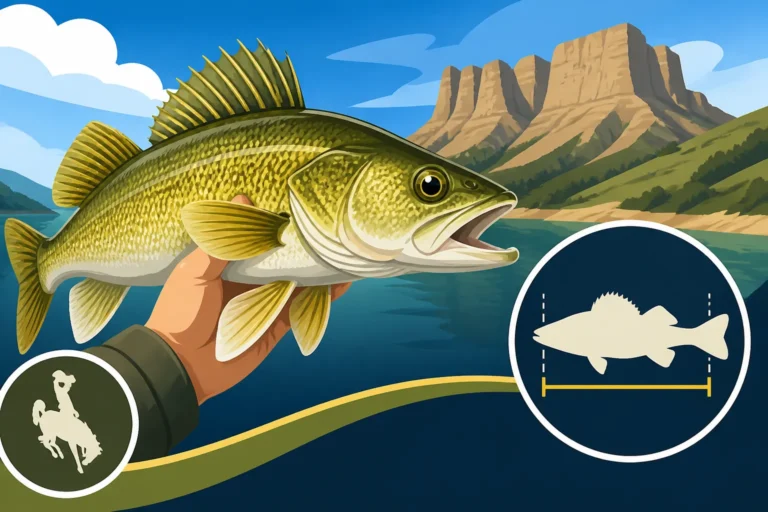
When you're fishing Flaming Gorge, a "good" smallmouth bass typically falls into the 12-to-16-inch range, weighing between one and two pounds. These are healthy, hard-fighting fish that will give you a run for your money. However, what sets Flaming Gorge apart is the frequent encounters with fish in the 18-to-20-inch class, pushing three to four pounds. These are considered trophy smallmouth in most parts of the country, and they are not uncommon here.
The true giants, the five-pound-plus smallmouth, are definitely present and a real possibility for dedicated anglers. These are the fish that dreams are made of, and they demand respect and specialized tactics. While such fish are never "easy" to catch anywhere, Flaming Gorge consistently produces specimens that weigh in well over the five-pound mark.
Here's a quick look at how smallmouth sizes generally stack up at Flaming Gorge:
| Category | Length Range (Inches) | Weight Range (Pounds) | Characteristics |
|---|---|---|---|
| Typical Catch | 12-16 | 1-2 | Healthy, feisty, abundant |
| Above Average | 16-18 | 2-3 | Strong fight, common for experienced anglers |
| Trophy Potential | 18-20+ | 3-5+ | Powerful, less frequent but highly sought after |
| State Record | 21.5 | 7.31 | Rare, requires perfect conditions and luck |
Note: The state record mentioned here is the current record for Wyoming and serves as an example of the maximum potential size. Always check the official Wyoming Game and Fish Department records for the most up-to-date information.
Wyoming's Smallmouth Bass Record
Wyoming actually holds an impressive state record for smallmouth bass. The current record fish, caught right here in Flaming Gorge Reservoir, weighed in at a massive 7.31 pounds and measured 21.5 inches long. This absolute beast of a fish shattered previous records and firmly established Flaming Gorge as one of the premier smallmouth bass fisheries in the Western United States. While most anglers won't ever touch a fish of that caliber, it certainly highlights the immense potential that lies beneath the surface of this remarkable reservoir. It's a testament to the incredible growth rates and longevity these fish can achieve when conditions are just right.
The mere existence of such a record fish is enough to get any smallmouth enthusiast excited about a trip to Flaming Gorge. It’s a fishery where every cast truly could yield the fish of a lifetime. You might want to consider some heavy-duty tackle, easily found on Amazon, if you're specifically targeting these monsters.
Factors Influencing Smallmouth Bass Size and Growth
The impressive size of smallmouth bass in Flaming Gorge isn't just a stroke of luck; it's the result of a complex interplay of environmental factors, genetics, and management practices. Understanding these elements can not only deepen your appreciation for the fishery but also help you strategize your own approach to catching bigger fish.
Habitat and Forage Availability
As mentioned earlier, the abundance of prime habitat—rocky points, ledges, submerged timber, and brush—provides ample hiding and ambush spots for smallmouth. More importantly, this habitat supports a thriving forage base. Crayfish are undoubtedly the cornerstone of the smallmouth diet in Flaming Gorge. When crayfish populations are robust, smallmouth bass grow fat and healthy. The presence of other baitfish, like young perch and kokanee, further diversifies their diet, ensuring consistent nutrition throughout the seasons.
Think about it: a smallmouth that has easy access to a steady supply of high-calorie prey doesn't have to expend as much energy hunting, meaning more energy can be converted into growth. This is a primary reason why Flaming Gorge bass grow so large compared to smallmouth in less productive waters where food might be scarcer.
Water Quality and Temperature Fluctuations
Consistent water quality, especially dissolved oxygen levels, is critical for fish health and growth. Flaming Gorge generally boasts excellent water quality, which minimizes stress on the fish. While smallmouth prefer cooler water, they also need sufficient warmth to stimulate their metabolism and growth. The reservoir's thermal stratification provides a range of temperatures, allowing smallmouth to move to optimal zones throughout the year.
However, extreme temperature fluctuations, such as prolonged heatwaves or sudden cold fronts, can impact feeding behavior and growth rates. Anglers often notice that fish become more lethargic or move deeper during these periods. Knowing how water temperature affects fish behavior is a key skill for any successful angler. We've got more insights on this in How Water Temperature Changes Wyoming Trout Behavior.
Fishing Pressure and Management Practices
Even with a healthy environment, sustained heavy fishing pressure can impact the average size of fish in a system. While Flaming Gorge is popular, its sheer size helps distribute anglers, reducing concentrated pressure on specific populations. Furthermore, the Wyoming Game and Fish Department (WGFD) employs sound management practices to ensure the long-term health of the fishery. This includes studying fish populations, monitoring growth rates, and setting appropriate regulations.
Understanding Wyoming Fishing Regulations Every Angler Should Know is crucial for all anglers, as these rules are designed to protect the resource and ensure its health for future generations. While there aren't typically specific size restrictions on smallmouth in Flaming Gorge (always double-check current regulations), responsible catch-and-release practices, especially for larger breeding fish, contribute significantly to maintaining a quality fishery.
Catching Bigger Smallmouth Bass: Tips and Techniques
If you're heading to Flaming Gorge with your sights set on those bigger smallmouth, you'll need to adjust your approach slightly. It's not just about getting a bite; it's about enticing the larger, wiser fish.
Targeting Structure and Depth
Bigger smallmouth bass are often found holding tighter to significant structure. Look for steep, rocky ledges, submerged humps, deep points that drop off quickly into open water, and even standing timber in certain arms of the reservoir. They'll use these features as ambush points to surprise passing prey. Don't be afraid to fish deeper than you might for smaller smallmouth. While they can be found shallower in spring and fall, the giants often relate to structure in 20-40 feet of water, sometimes even deeper, especially during the summer.
Using your electronics – fish finders and side-imaging – is invaluable here. Scan for changes in bottom contour, submerged rock piles, and even individual fish arches near structure. Marking these spots with a GPS is a game-changer. For advice on what types of gear to use, you might find Best Lures for Smallmouth Bass in Wyoming Reservoirs helpful.
Lure Selection and Presentation
When targeting bigger smallmouth, "matching the hatch" often means "matching the crayfish." Large crayfish imitations, like tubes, jigs with bulky trailers, or soft plastic creature baits, are incredibly effective. Colors that mimic natural crayfish – browns, greens, oranges, and even purples – tend to work best. Swimbaits that imitate perch or kokanee are also excellent choices, especially when smallmouth are feeding on those baitfish.
Larger smallmouth can be more finicky. Presentation matters. Instead of a fast, erratic retrieve, try a slower, more deliberate approach that mimics a vulnerable crayfish scuttling along the bottom or a stunned baitfish. Long pauses, subtle twitches, and letting your bait sit in the strike zone longer can often trigger a response from a hesitant trophy. Remember, a bigger fish has survived longer by being cautious. Always ensure your hooks are sharp; you don't want to lose a giant due to a dull point. You can easily find a hook sharpener or various smallmouth lures on Amazon.
Time of Day and Season
While smallmouth can be caught throughout the day, low light conditions often produce the best results for larger fish. Dawn and dusk are prime times, as the reduced light can make bigger, more wary fish feel safer to move and feed aggressively in shallower water. Overcast days can also extend this prime feeding window.
Seasonally, spring (post-spawn) and fall offer some of the best opportunities for big smallmouth. In spring, they're often shallower, recovering from the spawn and aggressively feeding. In fall, they're bulking up for winter, making them highly receptive to larger baits. Even winter ice fishing can yield impressive smallmouth if you know where to look and use the right Ice Fishing Techniques for Wyoming Lakes.
By focusing on these strategies – understanding their habitat, selecting appropriate lures, and fishing during optimal times – you significantly increase your chances of hooking into one of Flaming Gorge's impressive smallmouth bass. It truly is a world-class fishery for these tenacious fighters, and with a little patience and the right approach, you can experience the thrill of a lifetime.
Disclaimer
This article is for general informational purposes only and does not constitute professional advice. Laws, prices and regulations vary by location and change over time. Consult a qualified professional for guidance on your specific situation.