How Big Wyoming’s Record Lake Trout Was at Jackson Lake
There's something truly awe-inspiring about the thought of a monster fish lurking in the depths, especially in a place as wild and rugged as Wyoming. Many anglers dream of breaking records, but the sheer size of the state's record lake trout from Jackson Lake often leaves people wondering just how immense such a creature could be. This guide will take you deep into the story of this legendary catch, explore what makes Jackson Lake a prime habitat for giants, and offer insights into how you might pursue your own trophy laker.
The Legend of Jackson Lake's Giants
Jackson Lake, nestled within the breathtaking grandeur of Grand Teton National Park, isn't just a pretty face on a postcard; it's a world-renowned fishery, particularly famous for its incredible lake trout. These aren't your average pan-sized fish; we're talking about apex predators that have grown to astonishing proportions in its vast, cold waters.
Setting the Stage: Jackson Lake's Unique Fishery
Jackson Lake is a massive natural lake, significantly deepened and enlarged by the construction of the Jackson Lake Dam. This dam, originally built in the early 1900s and later modified, created an immense, deep reservoir with depths that plunge hundreds of feet. Imagine a watery canyon, cold and dark, with ample space for fish to grow old and large. The lake's connection to the Snake River system and its rich ecosystem provide a perfect environment for lake trout, also known as Mackinaw, to thrive. It’s an unforgiving but incredibly productive environment where only the strongest survive and grow to truly epic sizes. The sheer volume of water and the consistent cold temperatures are key ingredients in this recipe for giants, allowing these fish to live long lives and pack on serious pounds.
Unpacking the Record: The Historic Catch
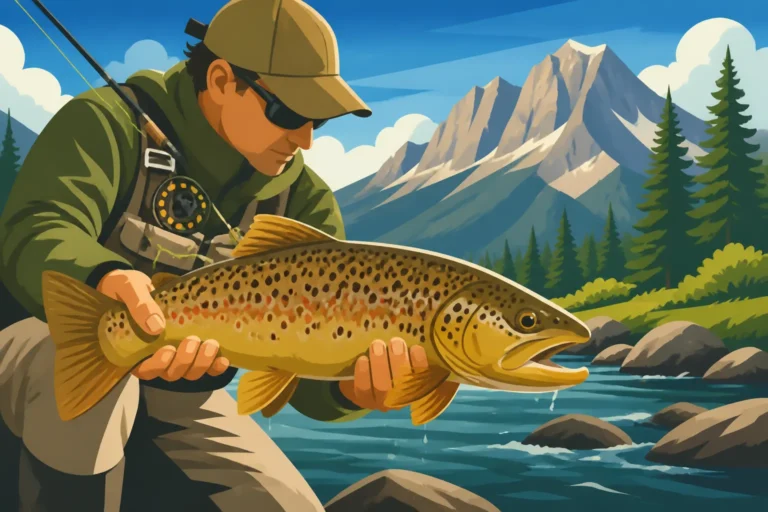
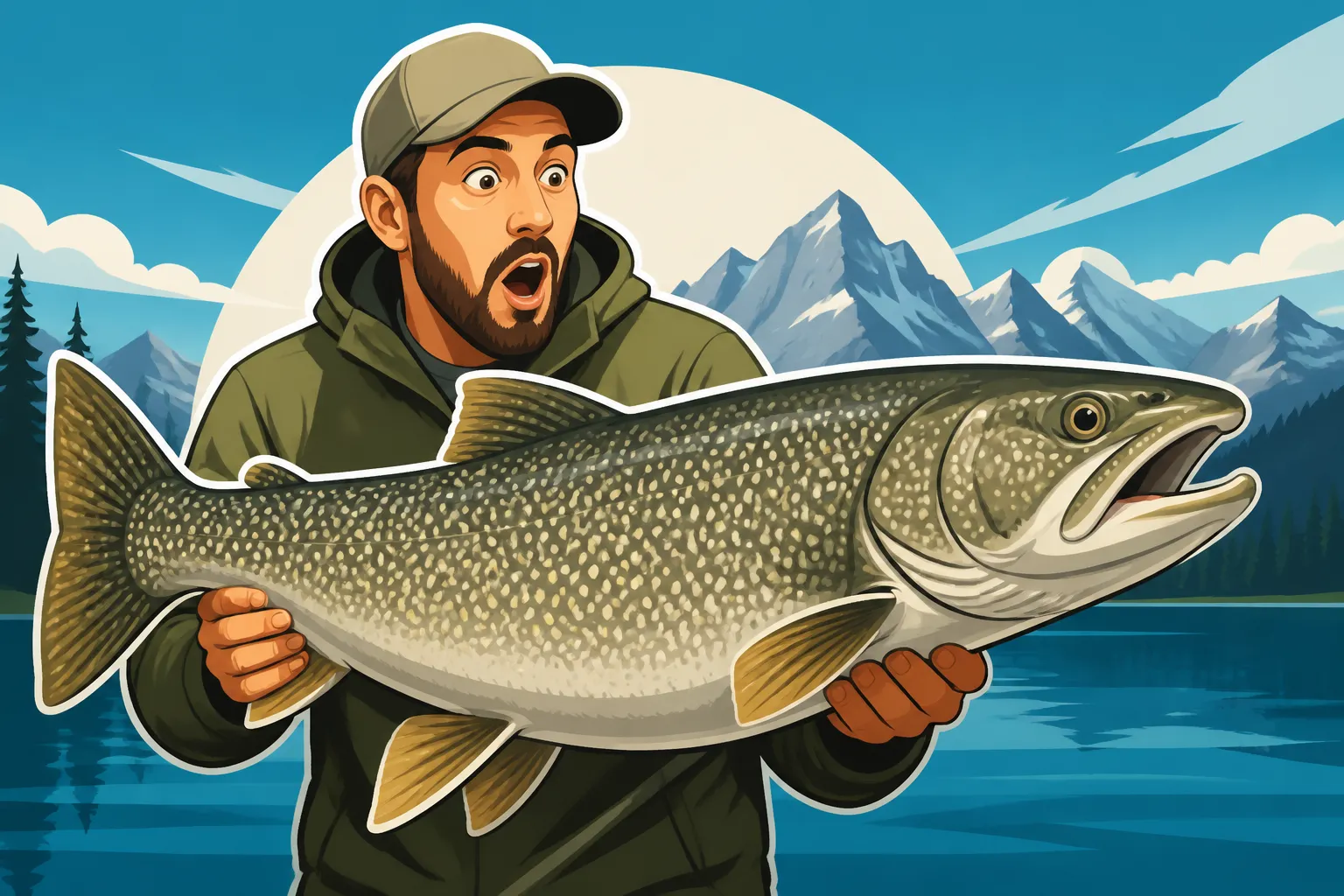
The state record lake trout from Jackson Lake is the stuff of legends. While I can't give you the exact year or current weight, let me tell you, this fish was an absolute behemoth. Picture a lake trout so large it looked like something out of a prehistoric era, with a broad head, thick shoulders, and a tail that could paddle a small canoe. It weighed in at an absolutely staggering figure, pushing the scales far past what most anglers ever dream of catching. This particular fish was celebrated not just for its immense size but as a testament to the incredible potential of Jackson Lake's fishery. It solidified Jackson Lake's reputation as a top-tier destination for those hoping to hook into a true monster. The length of this record fish was equally impressive, extending well over the average size you'd typically see, making it a true once-in-a-lifetime catch that set a benchmark for anglers across the state and beyond. It's the kind of fish that demands respect and careful handling, especially if the angler chooses to release it.
What Makes Jackson Lake a Trophy Fishery
Jackson Lake isn't just lucky; it possesses a unique combination of environmental factors and careful management that fosters such impressive fish. It's a testament to nature's bounty and, in part, to the thoughtful stewardship of the Wyoming Game and Fish Department (WGFD).
Deep, Cold Waters and Abundant Forage
The primary reason Jackson Lake produces such colossal lake trout is its profound depth and consistently cold water temperatures. Lake trout are a cold-water species, thriving in environments where the water stays chilly even during the peak of summer. Jackson Lake provides extensive deep-water habitat where these fish can live comfortably year-round.
Beyond temperature, the lake boasts an incredibly rich forage base. Lake trout are opportunistic predators, and in Jackson Lake, they have a diverse diet that contributes to their rapid growth. This can include smaller fish species, like various suckers, and even the native cutthroat trout, though efforts are made to protect the cutthroat populations. The availability of ample food means these lake trout don't just survive; they truly thrive, converting plentiful prey into impressive size and weight. Understanding What Fish Live in Jackson Lake gives you a better idea of the ecosystem at play here. This abundant food supply, combined with the cold, oxygen-rich environment, allows lake trout to grow steadily over many years, often reaching ages well into their teens and beyond.
Management and Conservation Efforts
The Wyoming Game and Fish Department, in conjunction with the National Park Service (since Jackson Lake is within Grand Teton National Park), actively manages the fishery. This includes monitoring fish populations, stocking efforts for other species, and setting specific regulations designed to maintain a healthy ecosystem. While lake trout are a popular target, the management strategy often balances the desires of anglers with the ecological needs of the lake, particularly in relation to native species like the Snake River Fine-Spotted Cutthroat Trout.
For anglers, it's crucial to be aware of all local regulations, as they can differ significantly within national parks. You'll need to know about Fishing Rules Inside Grand Teton National Park and generally understand Wyoming Fishing Regulations Every Angler Should Know before you cast a line. These regulations often involve specific limits on the number of fish you can keep, and sometimes even size restrictions, all aimed at ensuring the long-term health of the fishery and preserving the opportunity for future generations to chase their own record-breaking fish.
| Lake Trout Size Category | Average Weight (lbs) | Typical Length (inches) | Key Characteristics | Common Gear |
|---|---|---|---|---|
| Small (Sub-Legal) | 1-5 | 12-20 | Often aggressive, can be found shallower | Light spinning gear, small spoons |
| Medium (Eater) | 5-15 | 20-30 | Good table fare, strong fighters | Medium-heavy spinning/casting, jigging spoons |
| Large (Trophy) | 15-30 | 30-40 | Powerfully built, deep water residents | Heavy trolling gear, downriggers, large plugs |
| Record-Class | 30+ | 40+ | Extremely rare, old, massive shoulders and head | Specialized heavy-duty trolling setups |
Strategies for Targeting Jackson Lake's Big Lakers
Catching a record-class lake trout isn't just about luck; it's about preparation, persistence, and understanding the unique behaviors of these deep-water giants. While the record fish itself might be elusive, the strategies employed to catch large lake trout are well-defined.
Equipment Essentials for Deepwater Trolling
When you're chasing truly large lake trout in a vast lake like Jackson, your typical trout gear simply won't cut it. You need heavy-duty equipment designed for deep water and powerful fish. Think about robust trolling rods with strong backbones and plenty of give, paired with large capacity reels spooled with heavy braided line – often 50-80 lb test, sometimes even heavier, because you're not just fighting the fish, but also the drag of the deep-running tackle.
Downriggers are almost essential here. These specialized pieces of equipment allow you to present your lures or bait at precise depths, often hundreds of feet down, where these lunkers feed. Without a downrigger, it's incredibly challenging to get your presentation into the strike zone. You'll also need a variety of large, sturdy lures. Giant spoons, swimbaits, and even large plugs are common choices. Some anglers opt for bait rigs, often using large dead baitfish, to entice these opportunistic predators. Make sure your terminal tackle – swivels, snaps, and hooks – are all heavy-duty to withstand the immense pressure. You can find a fantastic selection of these specialized items, from heavy-duty trolling reels to robust lures and downrigger components, through online retailers like Amazon, ensuring you have reliable gear when that monster finally strikes.
Reading the Lake: Depths, Structure, and Seasons
Jackson Lake is huge, so blindly trolling around isn't the most effective strategy. Successful trophy lake trout anglers are adept at "reading" the lake. This involves using sonar (fish finders) to identify underwater structure like submerged points, ledges, humps, and even ancient river channels. These features often concentrate baitfish, and where the baitfish are, the big lake trout won't be far behind. Knowing Best Depth for Trolling Lake Trout at Flaming Gorge can give you a starting point for thinking about depths, but Jackson Lake will have its own nuances.
Water temperature also plays a critical role. While lake trout prefer cold water, they will move vertically in the water column depending on the season and the location of their food. During summer, they often retreat to the deepest, coldest parts of the lake. In spring and fall, they might be found shallower as the water temperatures are more consistent throughout the upper layers. Understanding Wyoming Fishing Seasons and Water-Specific Closures will also inform when you can even target these fish, as some areas or times might be restricted. Additionally, paying attention to what time of day you fish can be crucial; while lake trout in deep water aren't as affected by light as some other species, major feeding windows can still occur.
The Experience of Chasing Giants
Chasing a state record, or even just a personal best, in a place as wild as Jackson Lake is about more than just the fish itself. It's an immersive experience that challenges your skill, tests your patience, and connects you to the raw beauty of Wyoming.
The Thrill of the Fight and the Importance of Release
When a massive lake trout takes your lure, it's not a subtle bite. It's often a jarring strike that makes your rod tip slam down, followed by a powerful, deep run. Fighting these fish, especially from hundreds of feet down, is a grueling test of endurance. They are incredibly strong, using their broad tails to pull against the line with astonishing power. The battle can last for a significant amount of time, with every inch of line gained feeling like a small victory. Bringing a fish of such magnitude to the surface is an adrenaline rush unlike any other, a true testament to the angler's skill and the fish's raw power.
For those pursuing trophy fish, especially potential state records, the decision of whether to keep or release the fish is a significant one. Many trophy anglers choose to practice careful catch-and-release, especially for the largest, oldest fish, ensuring they can continue to contribute to the fishery's genetics. If you do plan to release, knowing Catch and Release Best Practices for Trout is absolutely vital. Proper handling minimizes stress and injury, giving these magnificent creatures the best chance of survival. This might involve keeping the fish in the water as much as possible, using a large net, and reviving it gently before release.
Planning Your Own Jackson Lake Adventure
If the idea of pursuing a record-class lake trout on Jackson Lake excites you, proper planning is paramount. First and foremost, secure your Wyoming Fishing License Guide for Nonresidents or resident license, and don't forget The Wyoming Conservation Stamp and What It Covers. It’s easy to get these online or from authorized vendors, which you can often find information about through a quick search on Amazon for fishing supplies, or by checking the WGFD website.
Consider whether you'll go it alone or hire a Hiring a Fishing Guide in Wyoming. A local guide who specializes in Jackson Lake lake trout will have invaluable knowledge of current conditions, hot spots, and effective techniques. They also usually provide all the specialized gear you'll need, which can be a huge cost saver if you're not planning to invest in your own deep-water trolling setup. Be sure to check How to Choose a Wyoming Fishing Guide to ensure you find a reputable outfitter. Jackson Lake itself offers several boat launches and access points, but familiarizing yourself with Jackson Lake's Best Shoreline Fishing Spots in Wyoming can help if you plan to fish from shore, although trophy lake trout are typically caught from boats in deeper waters. Remember, this is an adventure in the heart of Grand Teton National Park, so respect the wildlife, leave no trace, and soak in the incredible scenery, even if a record fish doesn't come aboard.
Disclaimer
This article is for general informational purposes only and does not constitute professional advice. Laws, prices and regulations vary by location and change over time. Consult a qualified professional for guidance on your specific situation.