Are Snake River Cutthroat a Different Subspecies?
You've probably heard the term "cutthroat trout" thrown around in Wyoming, but then someone mentions "Snake River Fine-Spotted Cutthroat," and suddenly you're wondering if you're dealing with a totally different fish or just a fancy name for the same old trout. It can get a little confusing, especially with all the different cutthroat subspecies out there! This guide is here to clear up the mystery, helping you understand the unique identity of the Snake River Cutthroat and why it's so important to our waters.
Understanding the Cutthroat Trout Family Tree
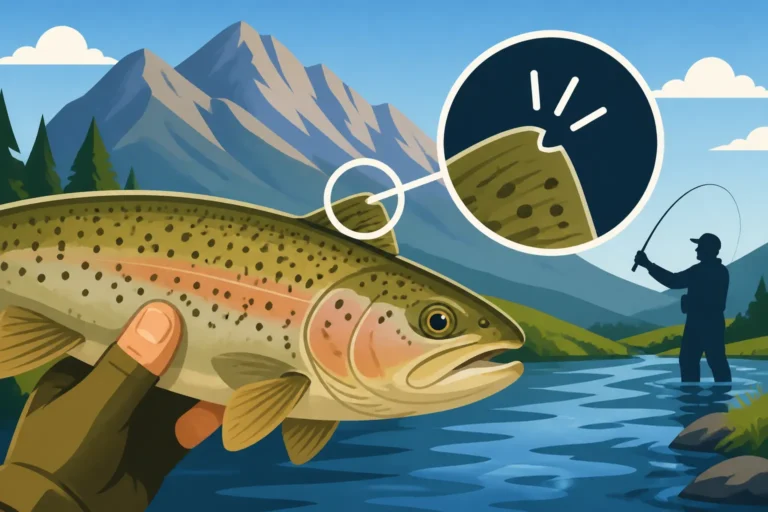
Before we dive specifically into the Snake River variety, let's take a quick, friendly look at the broader cutthroat trout family. Think of it like different branches on a beautiful, sprawling tree. All cutthroat trout, or Oncorhynchus clarkii, share some common traits: those tell-tale red or orange slashes under their lower jaw (hence "cutthroat"), generally smaller scales than rainbow trout, and often a beautiful array of spots. But within this species, there are numerous subspecies, each adapted to its specific native environment.
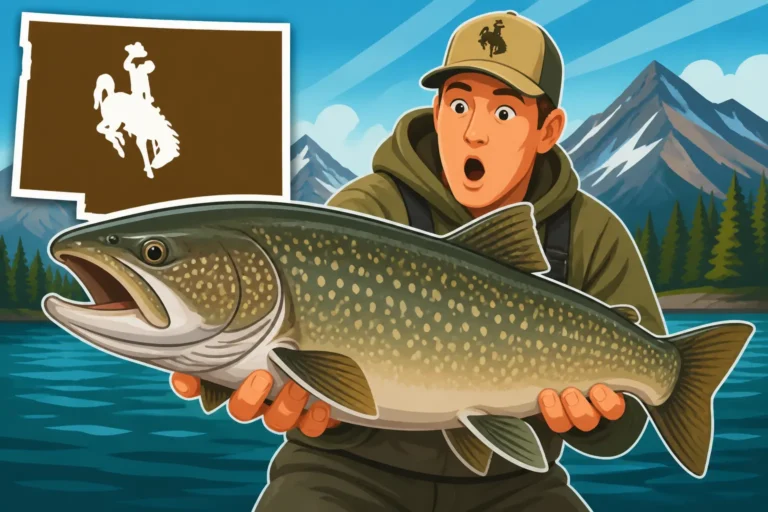
Wyoming, being the incredible fishing paradise it is, is home to several of these distinct populations. The most famous, and our state fish, is the Wyoming's State Fish: The Yellowstone Cutthroat. You'll find these guys predominantly in the Yellowstone River drainage, including the iconic Yellowstone Lake. Then there are Bonneville Cutthroat, Colorado River Cutthroat, Westslope Cutthroat, and of course, the Snake River Fine-Spotted Cutthroat. Each of these has evolved over millennia in relative isolation, leading to subtle yet significant differences in appearance, behavior, and even genetics. It's truly fascinating when you start to appreciate the biodiversity within just one fish species.
The challenge for anglers, and a source of genuine frustration, is often telling these beautiful fish apart, especially when they might share similar waters or even interbreed. Knowing the differences isn't just for bragging rights; it's often crucial for following specific regulations designed to protect these unique populations. How to Identify Every Trout Species Found in Wyoming is a great resource if you want to dig into all the details.
Delving Deeper into the Snake River Fine-Spotted Cutthroat
So, is the Snake River Cutthroat a different subspecies? Yes, absolutely! The Snake River Fine-Spotted Cutthroat is indeed a recognized subspecies, scientifically known as Oncorhynchus clarkii behnkei. It's a distinct branch of that cutthroat family tree we just talked about, primarily native to the Snake River drainage, particularly in western Wyoming and eastern Idaho.
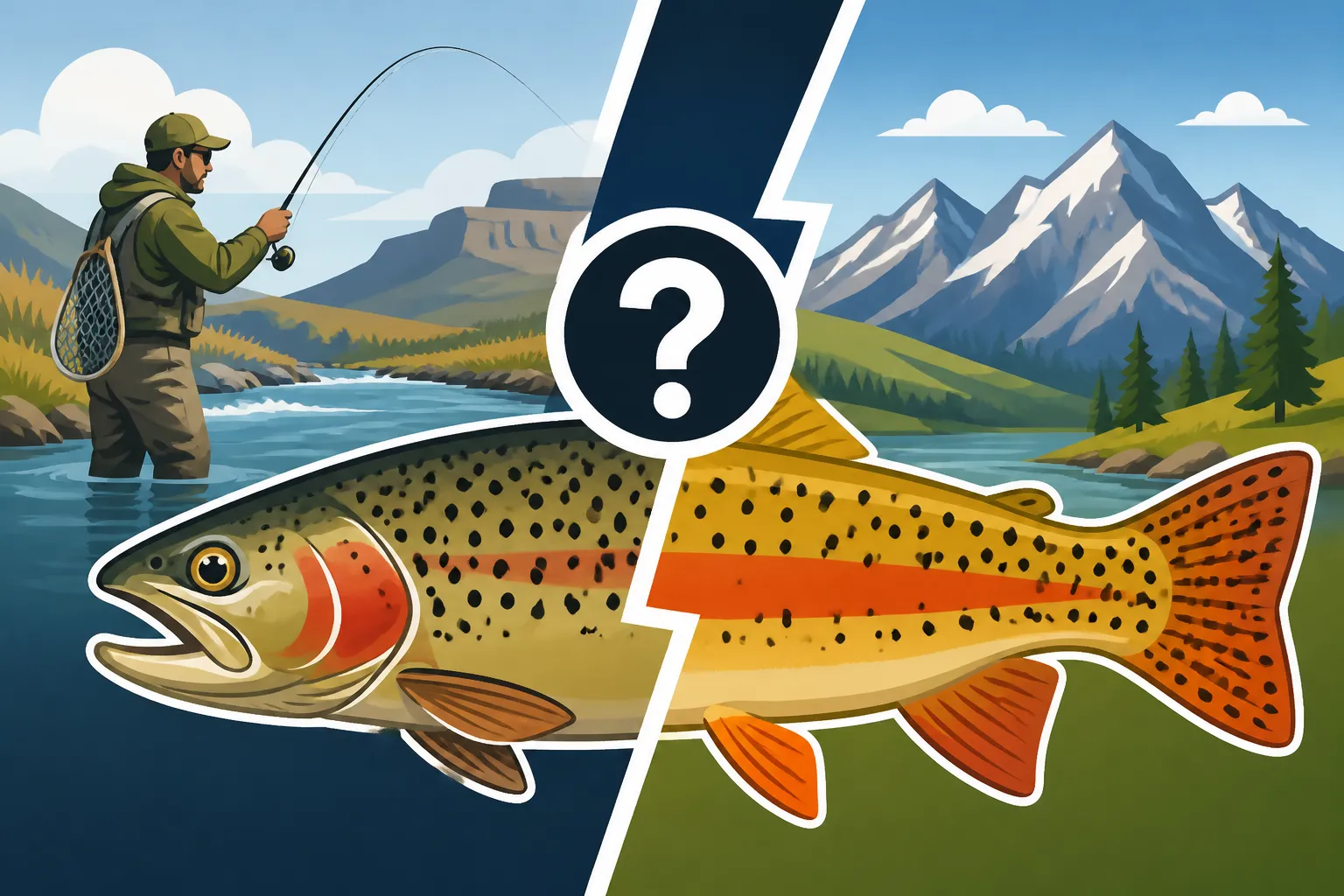
What makes them "fine-spotted"? Well, as the name implies, their most distinctive feature is their spotting pattern. Unlike the Yellowstone Cutthroat, which typically has larger, more widely spaced spots, the Snake River Fine-Spotted Cutthroat usually boasts a dense concentration of very small, almost pepper-like spots. These spots are often evenly distributed across their entire body, including their belly and fins, giving them a unique, almost speckled appearance. This is a key identifier when you're trying to distinguish between a Snake River Cutthroat and other cutthroat varieties in a stream. Many anglers find that a good pair of polarized sunglasses, easily found on Amazon, can really help when trying to spot these subtle patterns underwater.
They're particularly common in the upper Snake River and its tributaries, often inhabiting clearer, colder waters with good current. They're renowned for their fighting spirit and their readiness to rise to a dry fly, making them a favorite among fly anglers. Understanding their specific characteristics is vital, not just for identification but also for appreciating their ecological role in the Snake River ecosystem.
How to Identify a Snake River Fine-Spotted Cutthroat
Distinguishing between various cutthroat subspecies can feel like a daunting task, even for seasoned anglers. But focusing on a few key characteristics can make it much easier. When you're standing on the banks of the Snake River, rod in hand, here's what you should be looking for to confirm you've got a Snake River Fine-Spotted Cutthroat.
Spotting Patterns and Body Shape
The most obvious clue, as we've mentioned, is the spotting. Picture a pepper shaker: the spots on a Snake River Fine-Spotted Cutthroat are typically small, numerous, and often extend all the way down their sides to their belly and fins. They usually have a finer, more uniform distribution of spots compared to, say, a Yellowstone Cutthroat, which might have larger, more irregular spots concentrated towards the tail. While it’s not always a hard-and-fast rule, if you see a trout covered head to tail in tiny, dark specks, you're likely looking at a Snake River Fine-Spotted Cutthroat.
Their body shape is generally streamlined and athletic, reflecting their life in often fast-moving river currents. They might appear slightly more slender than some lake-dwelling cutthroat species. Coloration can vary widely depending on the water they inhabit, their diet, and even their mood. They can range from olive green to bronze on their backs, fading to silvery sides and a white belly, always with those distinctive red-orange slashes under the jaw. Remember, What Is a Fine-Spotted Cutthroat Trout? dives into even more detail about this particular subspecies.
Habitat and Location as Clues
Location, location, location! Where you catch a fish is often one of the biggest clues to its identity. If you're fishing in the main stem of the Snake River or its direct tributaries in Wyoming, especially in the Jackson Hole area, you're highly likely to encounter the Snake River Fine-Spotted Cutthroat. They are the predominant native cutthroat in that specific drainage.
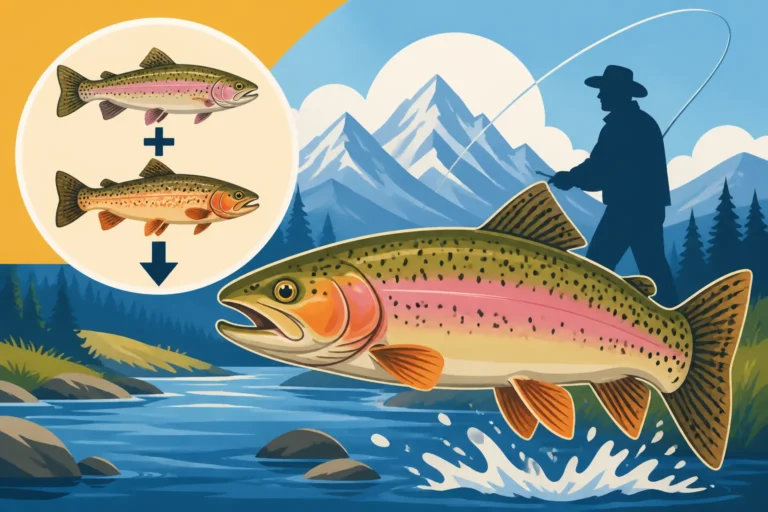
However, it's worth noting that some cutthroat subspecies have been introduced outside their native ranges, and sometimes different subspecies can interbreed, leading to "cutbows" (a rainbow-cutthroat hybrid) or other mixed strains. These hybrids can be incredibly challenging to identify accurately. But generally, if you're in the upper Snake River drainage, your chances of catching a pure Snake River Fine-Spotted Cutthroat are very high. Knowing Best Places to Fish in Wyoming for these specific fish can really narrow down your search.
Here's a quick comparison of the common cutthroat subspecies in Wyoming:
| Feature | Snake River Fine-Spotted Cutthroat | Yellowstone Cutthroat | Colorado River Cutthroat | Westslope Cutthroat |
|---|---|---|---|---|
| Scientific Name | Oncorhynchus clarkii behnkei | Oncorhynchus clarkii bouvieri | Oncorhynchus clarkii pleuriticus | Oncorhynchus clarkii lewisi |
| Spotting Pattern | Numerous, very small, fine spots; often peppered over entire body, including belly and fins. | Larger, more irregular spots; often concentrated towards the tail; fewer spots on anterior body. | Moderately sized spots; fewer spots below lateral line; typically more spots on tail. | Sparse, small spots; often concentrated towards posterior end; generally few if any spots on head. |
| Native Range in Wyoming | Snake River drainage (Western WY) | Yellowstone River drainage (NW & Central WY) | Green River drainage (SW WY) | Occasionally in NW corner, but mostly MT/ID |
| Typical Size | 12-20 inches, can exceed | 12-20 inches, can exceed | 8-16 inches | 10-18 inches |
| Distinguishing Feature | Densely fine-spotted | Large, often asymmetrical spots | Red belly often present | Very few, fine spots overall |
Conservation and Angling Implications
Why does all this subspecies talk matter beyond just identifying your catch? It's deeply important for conservation and for how we manage our precious fisheries. Native fish populations, like the Snake River Fine-Spotted Cutthroat, are often adapted to specific environmental conditions, and their genetic integrity is crucial for the long-term health of our ecosystems.
Protecting Native Populations
The Snake River Fine-Spotted Cutthroat faces challenges, including habitat degradation, competition with and hybridization from introduced non-native trout species (like rainbow trout), and past overfishing. By understanding that these are distinct subspecies, wildlife agencies can implement targeted conservation strategies. For instance, in certain sections of the Snake River, special regulations might be in place to protect these native fish, such as catch-and-release only rules or specific gear restrictions. If you're looking for more information on the distinctions, Cutthroat vs Rainbow Trout: Telling Them Apart and How to Tell a Cutthroat From a Rainbow Trout are essential reading.
The Wyoming Game and Fish Department works tirelessly to protect and restore these native populations, often through habitat restoration projects, managing fish stocking programs to minimize hybridization, and educating anglers. Your participation in responsible angling practices, like proper catch-and-release techniques, directly contributes to these efforts. For example, Catch-and-Release Rules on Wyoming Waters details best practices that help ensure the survival of released fish.
Regulations and Responsible Angling
Because different cutthroat subspecies, or even different waters, can have unique management goals, fishing regulations can vary. You might find a section of the Snake River where bait fishing is prohibited, or where there are specific slot limits or bag limits for cutthroat trout, all designed to safeguard the distinct Snake River population. It’s not uncommon to see specific flies or lures recommended for targeting these fish, and a quick search on Amazon for "Snake River fly patterns" will show you just how specialized some gear can be.
Before heading out, always consult the most current Wyoming fishing regulations booklet for the specific water you plan to fish. Not doing so can lead to an honest mistake, but one that could harm the fish population or even lead to a citation. Wyoming Fishing Regulations Every Angler Should Know is your comprehensive guide to staying compliant and ethical on the water. When you're fishing the Fishing Wyoming's Snake River Below Jackson Lake Dam, for example, you'll notice specific rules apply to protect these special fish. It's all part of being a responsible angler and appreciating the unique natural heritage that Wyoming offers.
Best Practices for Anglers Targeting Snake River Cutthroat
If you're heading to the Snake River drainage with the goal of hooking into some beautiful Fine-Spotted Cutthroat, there are a few things you can do to maximize your enjoyment and ensure you're contributing to their conservation.
Gear and Techniques
These cutthroat are often eager to strike, especially at well-presented flies. Fly fishing is a hugely popular and effective method on the Snake River. Dry flies, nymphs, and streamers all have their moments, depending on the season and prevailing conditions. When choosing flies, think about local insect hatches – your local fly shop or a quick check of online resources, even some specialized forums linked from Amazon product pages for specific fly patterns, can give you current insights. Spin anglers can also have great success with small spinners and spoons, or even bait (where legal and appropriate for conservation goals). Fly Fishing Techniques for Wyoming Trout Streams and Spin Fishing Techniques for Beginners offer fantastic starting points for improving your angling skills.
Regardless of your chosen method, lighter tackle is often preferred. These fish aren't always massive, but they're strong fighters, and light lines offer a sporting challenge while also being less likely to injure the fish if you're practicing catch-and-release.
Catch and Release Considerations
For many anglers, catching a Snake River Fine-Spotted Cutthroat is about the experience, not necessarily about keeping a meal. If you plan to release your catch, adhering to proper catch-and-release guidelines is paramount. Wet your hands before handling the fish, minimize its time out of water, and use barbless hooks to reduce injury. If a fish is bleeding significantly or looks particularly stressed, it's best to keep it if regulations allow. Always give the fish time to recover in the water before letting it go, making sure it can swim away under its own power. These efforts are crucial to the ongoing health of the fishery.
Remember, the goal is to enjoy the incredible fishing Wyoming offers while also being a steward of its natural resources. The Snake River Fine-Spotted Cutthroat is a true gem, and understanding its unique place in Wyoming's aquatic landscape makes every catch that much more special. Wyoming Fishing Seasons and Water-Specific Closures will help you plan your trip for the best success while adhering to seasonal considerations.
Disclaimer
This article is for general informational purposes only and does not constitute professional advice. Laws, prices and regulations vary by location and change over time. Consult a qualified professional for guidance on your specific situation.