Are There Northern Pike in Wyoming?
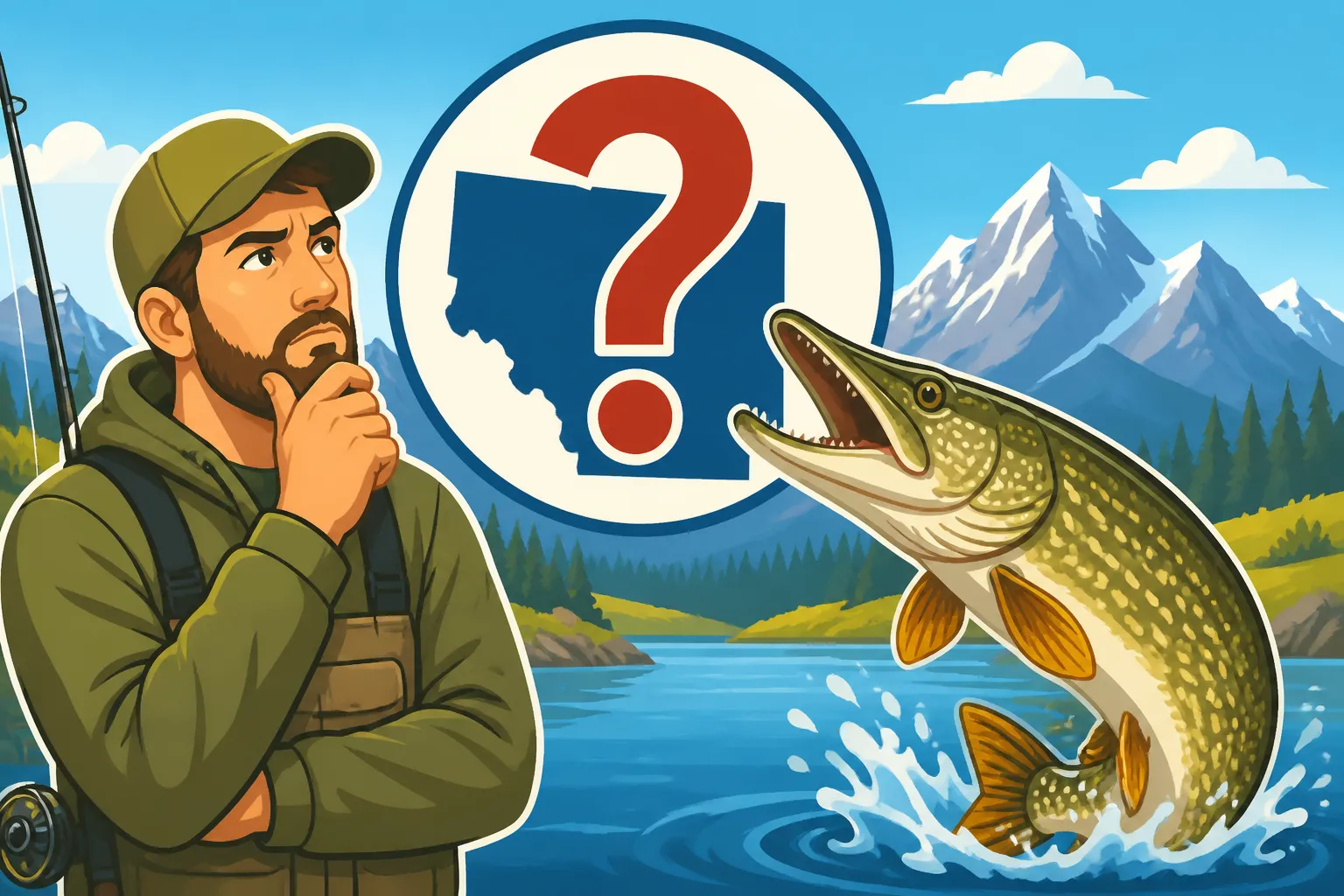
Many anglers, especially those coming from states where northern pike are common, often wonder if they can find these aggressive, toothy predators lurking in Wyoming's waters. It's a natural question, given how widespread pike are across North America. However, the answer for the Cowboy State isn't as straightforward as a simple "yes" or "no," and understanding the nuanced reality is key to knowing what to expect when you drop a line in Wyoming. This guide will dive deep into the presence of northern pike in Wyoming, exploring where they might (or might not) be found, why their presence is limited, and what that means for both anglers and the state's unique aquatic ecosystems.
The Status of Northern Pike in Wyoming: A Rarity, Not a Rule
When most people think of fishing in Wyoming, images of pristine trout streams, high-alpine lakes teeming with cutthroat, or vast reservoirs holding monster lake trout usually come to mind. Northern pike, with their voracious appetites and preference for slower, weedier waters, don't typically fit into this picture, and for good reason. The Wyoming Game and Fish Department has largely focused its management efforts on preserving native trout species and supporting cold-water fisheries, which means pike often aren't a priority, and in many cases, are actively managed against.
Why Northern Pike Aren't a Widespread Feature of Wyoming Fisheries
Wyoming's aquatic landscape is dominated by cold, clear rivers and streams, and deep, often oligotrophic (nutrient-poor) reservoirs. These environments are absolutely perfect for trout, salmon, and other cold-water species, but they're not ideal for northern pike. Pike thrive in waters with extensive aquatic vegetation where they can ambush prey, and they generally prefer warmer, shallower conditions than many of Wyoming's iconic fisheries offer. This natural incompatibility with much of the state's habitat is the primary reason you won't find "pike fishing" listed as a major draw in most Wyoming angling guides.
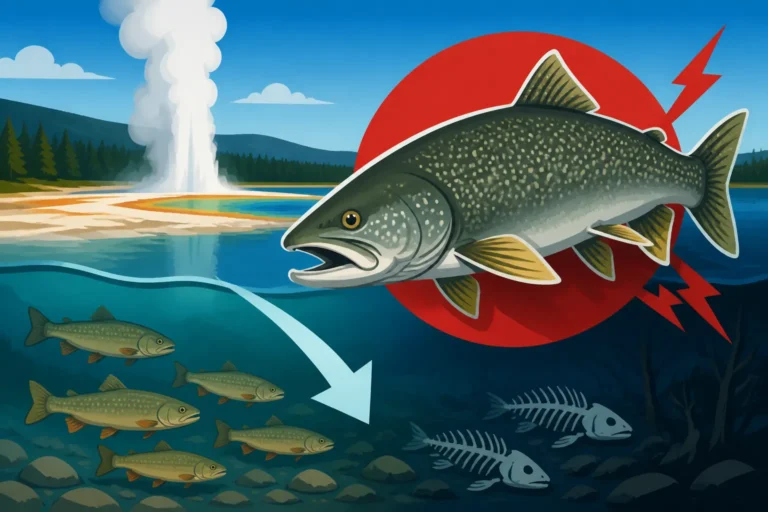
Beyond habitat, there's a significant management philosophy at play. Wyoming Game and Fish works tirelessly to protect and enhance its native fish populations, particularly the various subspecies of cutthroat trout, golden trout, and other unique species. Northern pike are highly predatory and can wreak havoc on these delicate ecosystems by outcompeting or directly preying on smaller native fish. Introducing or allowing pike to proliferate in these waters would contradict the state's conservation goals, leading to complex and costly management problems down the line. It's a careful balancing act, and protecting native species often means keeping aggressive invaders out.
The "Where There's Smoke, There's Fire" Scenarios
Despite the general absence of northern pike, you might occasionally hear a whisper or see an old report about a pike caught in an unexpected spot. It's easy to scratch your head and wonder if you've missed something. These instances, however, are almost always isolated and typically fall into one of two categories: historical stocking programs that didn't take hold, or, more commonly, unauthorized introductions. While the official stance is that pike are not a managed game species in most of Wyoming, the reality of connected waterways and human intervention can sometimes lead to their sporadic appearance.
One of the biggest headaches for fisheries managers across the country, including in Wyoming, is "bucket biology"—the illegal act of moving live fish from one water body and releasing them into another. A well-meaning (but incredibly misguided) angler might think they're doing a favor by introducing a new sport fish, but the ecological consequences can be devastating. These illegal introductions are often the source of unexpected species showing up where they don't belong, and they pose a serious threat to existing fish populations and the overall health of the ecosystem. Wyoming Game and Fish takes these violations very seriously due to the potential harm to its valued fisheries.
Where You Might Encounter Northern Pike (And Why It's Unique)
So, if northern pike aren't widespread, does that mean they're entirely absent? Not quite. There are specific, limited circumstances and locations where you might encounter them, though these are typically not what anglers come to Wyoming for. These areas are usually either on the fringe of the state, influenced by adjacent state fisheries, or have experienced some form of localized, perhaps unofficial, introduction.
The Known (Limited) Habitats for Pike in Wyoming
Historically, there have been a handful of instances where northern pike were introduced to specific Wyoming waters, often many decades ago, with varying degrees of success. Some of these attempts didn't result in self-sustaining populations, while others led to localized, contained populations that are now closely monitored. For instance, some of the smaller, shallower, and weedier reservoirs, particularly in the eastern part of the state, might have had pike at some point, or continue to have very sparse populations. These aren't your typical vast, deep trout reservoirs; they're often warmer and have more suitable habitat. Always consult the most current regulations for any specific water you plan to fish, as rules can vary greatly.
Anglers should be aware that even in waters where pike might exist, they are often considered an undesirable species, and regulations might encourage or even mandate their removal. This is a critical distinction from how pike are managed in states where they are a prized game fish. For example, if you find yourself fishing a small pond or a slough that connects to a larger river system, and it has suitable pike habitat, you might stumble upon one. But these are exceptions, not the rule, and the state's primary focus remains on trout and other native game fish.
Adjacent States and Their Influence on Wyoming's Pike Population
Wyoming shares borders with several states where northern pike are well-established and actively managed as a game fish. Montana, to the north, and Nebraska, to the east, both have healthy pike populations in certain river systems and reservoirs. This proximity means that in shared waterways, there's always a possibility for fish to move across state lines. For instance, river systems that flow from Montana into Wyoming, or reservoirs that straddle the state border, could potentially have northern pike if they've migrated downstream or upstream from an established population in a neighboring state.
Consider the North Platte River system, which flows through Wyoming and eventually into Nebraska. While the famous trout sections of the North Platte in Wyoming are unlikely to hold pike, segments further downstream or in warmer, slower backwaters could potentially see migratory fish from Nebraska. Similarly, some waters along the Montana border could have very localized pike populations due to natural movement. It's not a common occurrence, but it's important to understand the hydrological connections and how fish populations can naturally (or unnaturally) spread. Checking Wyoming Fishing Regulations Every Angler Should Know and water-specific rules is always essential, especially near state lines.
Understanding "Unauthorized Introductions"
The unfortunate reality of "bucket biology" cannot be overstated. Anglers who illegally move fish from one water body to another create massive problems for existing ecosystems. This is often how northern pike, or other non-native species, end up in waters where they were never intended to be. These unauthorized introductions can have devastating effects:
- Predation on Native Species: Pike are ambush predators that will eat almost anything that fits in their mouths, including valuable native trout and other sport fish, drastically reducing their numbers.
- Competition for Food: Even if they don't eat them, pike compete with native fish for food resources, stressing the ecosystem.
- Disease Introduction: Moving fish also risks introducing diseases or parasites that native populations have no immunity to, leading to widespread fish kills.
- Habitat Alteration: In some cases, invasive species can fundamentally alter the food web and physical habitat of a lake or river.
The Wyoming Game and Fish Department has strict regulations against transporting live fish for this very reason. If you ever witness someone illegally moving fish or suspect an unauthorized introduction, it's crucial to report it. These actions threaten the very fisheries we all cherish. Understanding Wyoming's Native Fish vs Introduced Species is key to appreciating the fragility of these ecosystems.
Fishing for Northern Pike in Wyoming (If You Find Them!)
So, let's say you're one of the rare anglers who does stumble upon a northern pike in Wyoming, perhaps in a fringe area or an uncharacteristic pond. What do you do, and how would you approach catching one? The key is to be prepared and, more importantly, to understand the specific regulations surrounding these non-native predators.
Gear and Techniques for Northern Pike
If you intend to target northern pike (in a body of water where their presence is confirmed and legal to fish), you'll need to adjust your gear considerably from typical trout setups. Pike are aggressive, powerful fish with razor-sharp teeth, requiring robust tackle.
Here's a breakdown of essential gear:
| Gear Component | Typical Wyoming Trout Setup | Northern Pike Setup (if targeting) |
|---|---|---|
| Rod | Light to Medium action (5-7 ft) | Medium-Heavy to Heavy action (6-7.5 ft) |
| Reel | Small spinning or fly reel | Medium to Large spinning or baitcasting reel |
| Line | 4-8 lb monofilament or fluorocarbon | 20-50 lb braided line |
| Leader | 4-8 lb fluorocarbon | 20-50 lb wire or heavy fluorocarbon leader |
| Lures/Bait | Small spinners, flies, worms, PowerBait | Large spoons, spinnerbaits, jerkbaits, swimbaits, large minnows (if legal) |
| Pliers/Tools | Small forceps/hemostats | Long-nose pliers, jaw spreaders, hook removers |
The most critical component is a wire or heavy fluorocarbon leader. Pike teeth will make short work of standard monofilament or light fluorocarbon, resulting in lost lures and potentially injured fish. You can find a good selection of these specialized leaders and robust lures on Amazon to add to your tackle box, just in case you find yourself in pike country. Large, flashy spoons, spinnerbaits with big blades, and jerkbaits that mimic wounded baitfish are all excellent choices. When you hook one, be ready for a fight and use those long-nose pliers for safe hook removal. Protecting your fingers from those teeth is paramount.
Regulations and Conservation Concerns
This is where it gets really important. Unlike many other states, in much of Wyoming, if you catch a northern pike, it's often not a catch-and-release situation. Due to their invasive nature and threat to native fish, the Wyoming Game and Fish Department may have regulations in place that require you to kill and remove any northern pike you catch. This "kill-on-sight" policy is implemented to prevent their spread and protect vulnerable native populations. It's a stark contrast to how treasured game fish like trout are managed, where catch-and-release is often encouraged or even mandated in certain areas.
It is absolutely imperative to check the most current Wyoming Fishing Regulations Every Angler Should Know or the specific regulations for the water you are fishing before you go. Do not assume you can release a pike you've caught. Ignorance of the law is not an excuse, and violating these specific rules could lead to fines. If you catch what you suspect is an illegally introduced fish like a northern pike, document it (take a photo), dispatch it humanely, and contact Wyoming Game and Fish to report the catch and location. This data is vital for their management efforts. Understanding What Happens If You Catch an Invasive Species in Wyoming is critical for responsible angling.
The Impact of Northern Pike on Wyoming's Ecosystems
The reason for Wyoming's cautious, and often prohibitive, stance on northern pike goes far beyond just protecting a few fish. Their presence can have profound and lasting negative effects on the entire aquatic ecosystem, making them a significant concern for conservationists and fisheries managers.
Competition with Native Species
Wyoming is home to several unique and often sensitive native fish species, including various subspecies of cutthroat trout like the Yellowstone Cutthroat Trout, Bonneville Cutthroat Trout, and Snake River Fine-Spotted Cutthroat Trout. These species have evolved over millennia to thrive in Wyoming's specific environmental conditions, and they are incredibly important for ecological balance and the state's angling heritage. Northern pike, being aggressive and adaptable predators, pose an immediate and direct threat to these populations. Pike will prey on juvenile and adult trout, significantly impacting their numbers.
Beyond direct predation, pike also compete with native species for food and habitat. Even smaller pike can consume vast quantities of smaller fish, insects, and crustaceans that might otherwise be food for native trout and other cool-water fish. This competition can stress existing populations, reduce their growth rates, and make them more susceptible to disease. The introduction of an apex predator like the pike into an ecosystem where it doesn't naturally belong can throw the entire food web out of whack, leading to a cascade of negative effects that extend far beyond just fish. Protecting Wyoming's State Fish: The Yellowstone Cutthroat is a high priority.
Ecosystem Disruption and Management Efforts
The disruption caused by invasive species like northern pike isn't just limited to direct fish interactions. When a non-native predator becomes established, it can fundamentally alter the biodiversity and overall health of a water body. For example, if pike decimate a population of native forage fish, it can impact other predators that rely on those forage fish, or even affect the aquatic insect populations that the forage fish once controlled. It's a complex web, and every strand is connected.
The Wyoming Game and Fish Department dedicates considerable resources to preventing the establishment and spread of invasive species. This includes public education campaigns about the dangers of illegal stocking, rigorous boat inspections for aquatic invasive species, and, in cases where non-native fish are found, active management strategies to control or eradicate them. These efforts might include netting, electrofishing, or even specific angling regulations designed to encourage harvest. The goal is always to protect and preserve Wyoming's unique and valuable native fisheries for future generations of anglers and for the health of the ecosystem as a whole. Knowing What Fish Are Illegal to Keep in Wyoming and reporting any suspicious catches helps in these efforts.
Disclaimer
This article is for general informational purposes only and does not constitute professional advice. Laws, prices and regulations vary by location and change over time. Consult a qualified professional for guidance on your specific situation.