Kokanee Salmon Fishing in Wyoming
Oh, Kokanee salmon. If you've ever hooked into one of these vibrant, feisty fish, you know the absolute thrill. But for many anglers visiting or even living in Wyoming, the idea of targeting Kokanee can feel a bit shrouded in mystery. They're not your typical trout, and their specific behaviors and preferences can make them tricky to locate and entice. This guide is all about demystifying Kokanee salmon fishing in our beautiful state, helping you understand their world and, more importantly, how to bring them to hand, whether you're a seasoned angler or just starting out.
The Allure of Kokanee Salmon in Wyoming
There's something truly special about Kokanee salmon. They might not be the giants of the sea-run salmon world, but their vivid colors, energetic fights, and delicious table fare make them a prized catch for many Wyoming anglers. Unlike their ocean-going cousins, Kokanee are landlocked sockeye salmon, thriving in the deep, cold waters of our reservoirs.
What Makes Kokanee Unique?
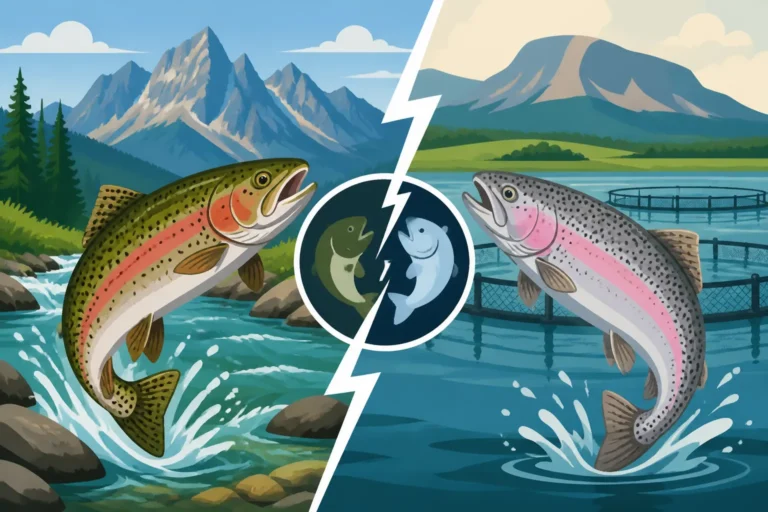
Kokanee are fascinating fish, truly a class apart in Wyoming's diverse fisheries. Genetically, they are sockeye salmon, but they’ve adapted to a freshwater-only existence. This means they never migrate to the ocean, living their entire lives in the lakes and reservoirs where they're either stocked or naturally reproduced. This landlocked lifestyle leads to some distinct characteristics. They typically feed almost exclusively on zooplankton, tiny aquatic organisms, which gives their flesh its characteristic bright orange-red color and rich flavor. This specialized diet also means that traditional trout baits and lures often won't cut it, requiring a more finessed approach to consistently catch them. Their life cycle is also quite predictable; most Kokanee live for about three to four years before making their final, often spectacular, spawning run up tributary streams or along reservoir shores.
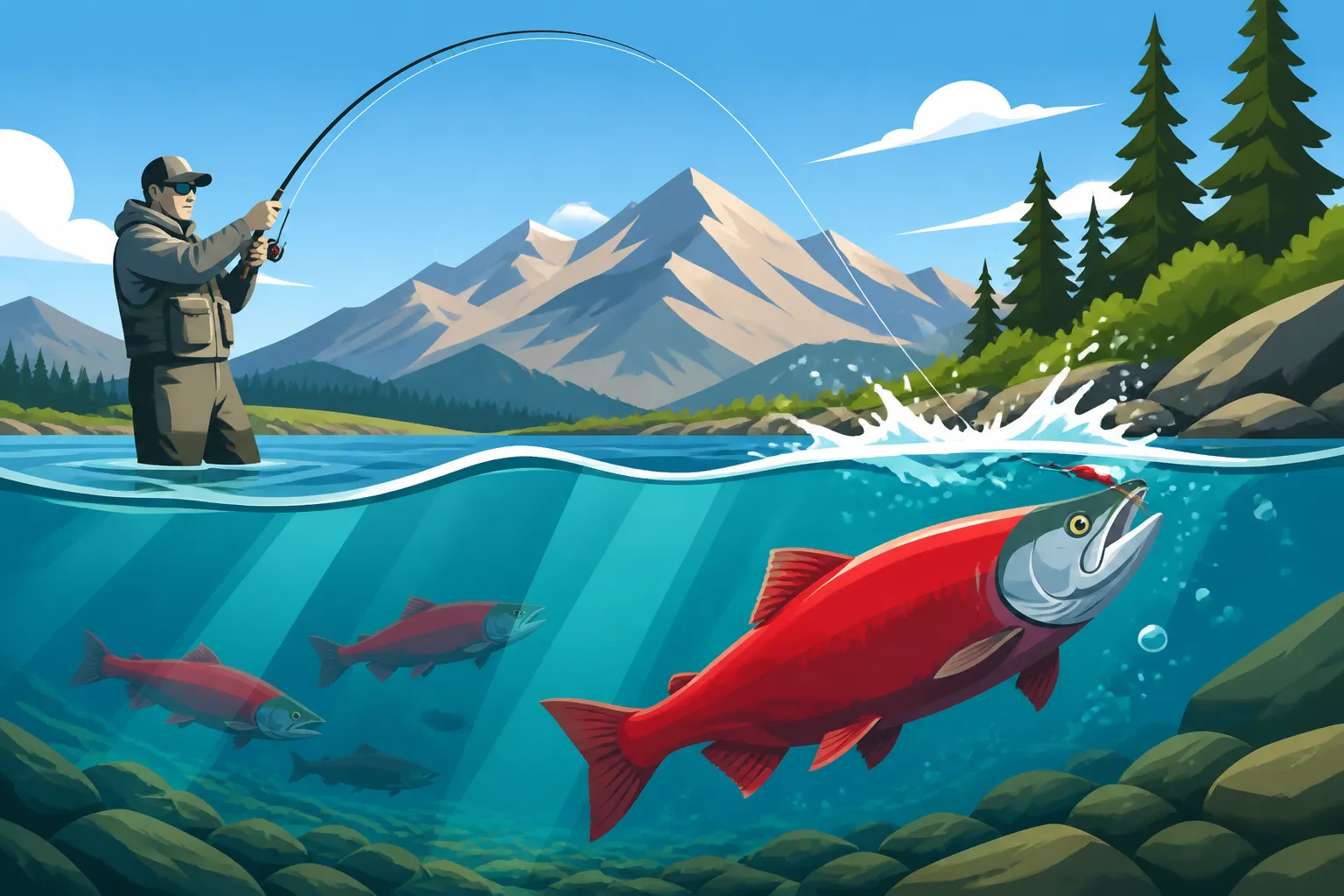
During this spawning period, their transformation is truly remarkable. Males develop a distinctive humped back and a hooked jaw (kype), and both sexes turn a brilliant crimson red with a green head. It’s a sight to behold, a testament to nature's incredible cycles, even though they are nearing the end of their lives. Understanding these life stages is crucial for anglers, as their location and feeding aggression can change dramatically throughout the year.
The Thrill of the Fight
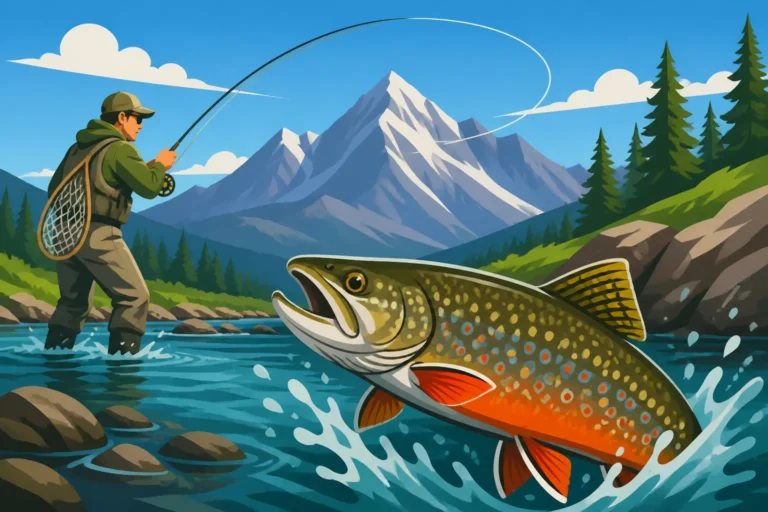
When a Kokanee hits your line, you know it. These fish are renowned for their spirited battles, especially on light tackle. They're not brute force fighters like a trophy lake trout, but they are incredibly acrobatic and relentless. Picture this: you're trolling along, enjoying the peaceful scenery, and suddenly your rod tip doubles over. What follows is often a series of head shakes, quick dives, and sometimes even impressive leaps out of the water. Their soft mouths can make landing them a challenge, adding to the excitement and requiring a delicate hand and proper net technique.
For many, the appeal of Kokanee fishing isn't just about the size of the fish, but the sheer joy of the experience. It's often a fast-paced game, especially when you find a school, leading to multiple hook-ups and exhilarating moments. This makes them a fantastic target for family outings, as the action can keep everyone engaged. The vibrant colors of a fresh-caught Kokanee, especially during their pre-spawn phase when they're at their prime, are simply stunning and make for memorable photos. It’s an engaging, active form of fishing that often leaves you wanting more.
Eating Your Catch
If you're asking about Kokanee, chances are you've heard about their incredible table quality. And let me tell you, the rumors are true! Kokanee salmon are widely considered one of the best-eating freshwater fish available in Wyoming. Their plankton-rich diet contributes to their firm, flaky, and vibrantly colored flesh, which is often a deep orange or red. It’s naturally rich in healthy fats, giving it a melt-in-your-mouth texture and a delicate, savory flavor that isn't overly "fishy."
You can prepare Kokanee in a multitude of ways. They're fantastic baked, grilled, pan-fried, smoked, or even turned into delectable fish tacos. Many anglers swear by smoking them, which really highlights their rich flavor. Because of their relatively smaller size compared to ocean salmon, they cook quickly and are easy to manage whole or as fillets. Just remember to check the local regulations for specific waters regarding keeping fish. Knowing you'll be bringing home such a delicious meal adds another layer of satisfaction to an already enjoyable day on the water.
Identifying and Understanding Kokanee Salmon Behavior
To successfully fish for Kokanee, it helps immensely to understand who they are and how they operate. These fish have distinct life stages and habits that dictate where they'll be and what they'll be willing to bite.
Key Identification Marks
Identifying a Kokanee salmon, especially when they're in their non-spawning "silver" phase, can sometimes be a bit tricky, as they can resemble trout. However, there are some key features to look for. Generally, Kokanee are smaller than most trout species found in the same waters, rarely exceeding 20 inches in Wyoming, with most catches being in the 10-16 inch range. Their bodies are typically more streamlined and torpedo-shaped. When they're not spawning, they have a silvery body with a bluish-green back, similar to a rainbow trout, but often lack the prominent spots that rainbows possess or have only very small, sparse spots on their backs and tails.
The most definitive characteristic, however, is their mouth. Kokanee typically have very small, fine teeth, and their jaws are usually not as pronounced or hooked as a mature trout's. This is particularly noticeable when comparing them to a large brown trout. As they approach their spawning season, which is usually late summer into fall, their appearance undergoes a dramatic transformation. Their bodies turn brilliant crimson, their heads often become green, and the males develop a distinct humped back and an exaggerated, hooked jaw (kype). Observing these changes not only helps you identify them but also gives clues about their behavior and where they might be staging for their final run. Identifying a Yellowstone Cutthroat Trout is a good read if you want to understand how different salmonid species can be distinguished.
Seasonal Migrations and Spawning
Kokanee salmon are creatures of habit, and their movements are largely dictated by water temperature and their instinctual drive to spawn. For most of the year, particularly during late spring and summer, they inhabit the deeper, cooler, and more oxygenated waters of large reservoirs. They'll often school up in specific thermoclines, which are layers of water where the temperature changes rapidly. Finding this optimal depth is often the biggest challenge for anglers. They'll follow these plankton-rich layers, moving vertically throughout the day depending on light conditions and plankton movement.
As late summer and early fall approach, usually from August through October, a powerful change occurs. The Kokanee begin their spectacular spawning migration. They stop feeding aggressively, and their bodies begin to transform into those vibrant red and green hues. They leave the deep waters of the reservoir and move towards the shallower areas, often seeking out tributary streams with gravel bottoms or specific shoreline areas within the reservoir itself. This is when they become most visible, and shore anglers can have some success, though their focus shifts entirely from feeding to reproduction. After spawning, their life cycle concludes, and they die, completing their genetic imperative. Understanding these movements is key to knowing where and when to target them, whether you're looking for aggressive feeders or simply observing nature's cycle. Wyoming Fishing Seasons and Water-Specific Closures will give you an idea of general timelines.
Feeding Habits and Preferences
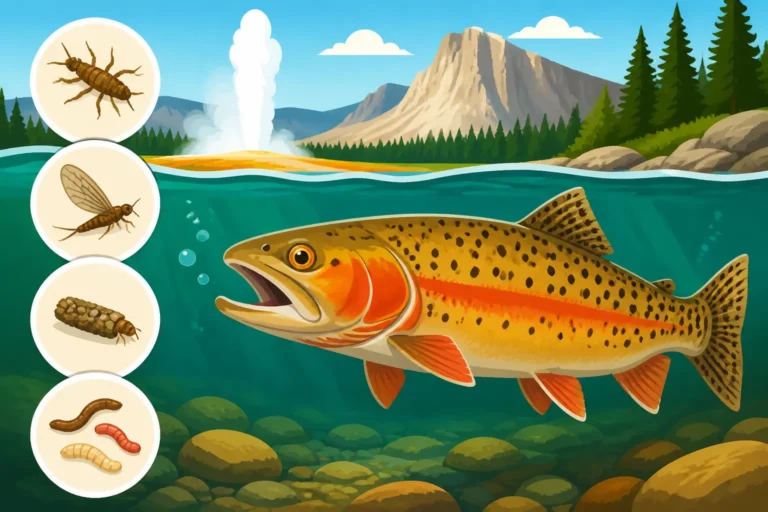
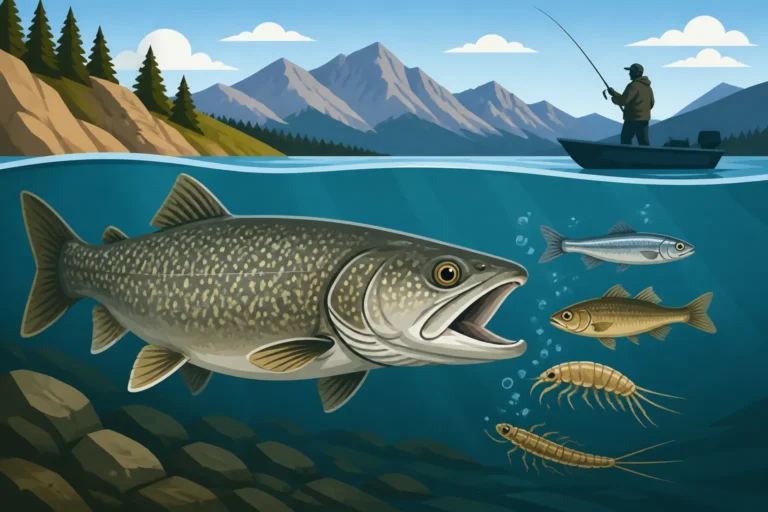
This is where Kokanee truly diverge from many other popular game fish. Unlike opportunistic trout that will gobble up insects, smaller fish, or anything shiny, Kokanee are primarily filter feeders, subsisting almost entirely on zooplankton. This microscopic diet is the reason behind their unique flavor and flesh color. Because of this specialized diet, traditional baits like worms or powerbait are often ineffective. Instead, Kokanee are attracted to visual stimuli that mimic a school of plankton or create vibrations and flash that pique their curiosity.
Their small, upturned mouths are perfectly adapted for siphoning these tiny organisms. When fishing, this means your presentation needs to be subtle but attractive. Small lures, often tipped with a kernel or two of Shoepeg corn, which is thought to mimic their natural food or provide a scent attractant, are incredibly effective. Scent is also a huge factor; many anglers use special Kokanee attractants on their lures. They are often less aggressive than other species, requiring patience and the right setup to convince them to strike. Understanding that you're essentially trying to trick a filter feeder into biting a lure, rather than a predator, changes your whole approach.
Top Wyoming Waters for Kokanee Salmon
Wyoming might be known for its world-class trout fishing, but it also holds some truly fantastic Kokanee salmon opportunities. Knowing where to go is half the battle when targeting these unique fish.
Flaming Gorge Reservoir: A Premier Destination
When you talk Kokanee in Wyoming, Flaming Gorge Reservoir immediately comes to mind. This massive reservoir, straddling the Wyoming-Utah border, is arguably the state's most famous and productive Kokanee fishery. It's renowned for both the sheer numbers of Kokanee and the potential for larger-than-average fish. The deep, cold, and nutrient-rich waters of Flaming Gorge provide an ideal habitat for these plankton-feeders. Anglers flock here, especially during the peak summer months, for the chance at a limit of these delicious salmon.
Key areas to focus on often include the Buckboard Crossing area, the area near the dam, and the vast open waters where large schools congregate. Trolling is the dominant method here, with boats often employing downriggers or lead core line to reach the depths where Kokanee suspend, typically between 30 and 80 feet, depending on the time of day and year. Early mornings and late evenings are often the most productive times. The reservoir's immense size means there's always a new spot to explore, but starting with known Kokanee haunts like those mentioned can significantly increase your success rate. Remember, the fish move, so staying flexible and paying attention to your electronics is crucial. Wyoming's Flaming Gorge Reservoir Fishing Guide offers even more in-depth information.
Pathfinder Reservoir: A Hidden Gem
While Flaming Gorge gets a lot of the spotlight, Pathfinder Reservoir, located southwest of Casper, is a fantastic and often overlooked Kokanee fishery. It's a large, expansive reservoir known for its wild, rugged beauty and strong populations of various fish species, including a healthy number of Kokanee. Pathfinder can be a bit more challenging to navigate due to its vastness and sometimes tricky access, but the rewards are often worth the effort. Anglers here often find less pressure than at Flaming Gorge, which can translate to a more peaceful fishing experience.
Kokanee in Pathfinder tend to follow similar patterns to those in Flaming Gorge, suspending in the cooler, deeper parts of the reservoir during the summer. Trolling with downriggers or lead core is again the go-to method. Target areas like the main channel or larger open bays. During the fall spawning run, some of the tributary streams entering Pathfinder, or even the shorelines, can see a concentration of red fish, though regulations for snagging or targeting spawning fish can be very strict, so always consult the latest Game and Fish regulations. Pathfinder also holds strong populations of other fish like rainbow trout and walleye, so don't be surprised if you hook into something else while targeting Kokanee. Wyoming's Pathfinder Reservoir Fishing Access Points can help you find your way around.
Other Notable Waters
While Flaming Gorge and Pathfinder are the heavy hitters for Kokanee in Wyoming, there are a few other waters where you might find them, though often in smaller numbers or with less consistent action. Some smaller reservoirs or even specific lakes might have remnant populations or receive occasional stockings. These can sometimes offer unique opportunities, especially if you prefer a more secluded fishing experience away from the crowds.
However, it's crucial to always check the most current Wyoming Game and Fish Department regulations for any water you plan to fish. Stocking programs and fish populations can change over time, and what was once a good Kokanee lake might have shifted. Some smaller, high-mountain lakes might have self-sustaining populations, but these are typically harder to access and might require significant hiking. The best bet for consistent Kokanee action remains the two major reservoirs mentioned, where management efforts are specifically geared toward maintaining robust populations.
Essential Gear for Kokanee Salmon Fishing
Fishing for Kokanee isn't quite the same as fishing for stream trout or even most reservoir trout. These plankton-eaters demand a specific setup to maximize your chances of success. Having the right tools makes all the difference.
Rods, Reels, and Line Selection
When it comes to Kokanee, finesse is often more important than brute strength, especially if you’re using downriggers. A good Kokanee rod is typically light to medium-light action, around 7 to 8.5 feet long, with a soft, sensitive tip. This soft tip is crucial because Kokanee have notoriously delicate mouths. A stiff rod can tear the hook out, especially during those characteristic head shakes. The rod should also have enough backbone to handle the fight and absorb the shock of a downrigger release. For reels, a lightweight spinning reel or a small baitcasting reel with a smooth drag system is ideal. You want something that can handle long, continuous trolling, and a line counter reel is an absolute game-changer for setting precise depths and repeating successful patterns.
For line, a good quality monofilament or fluorocarbon in the 6-10 pound test range is generally preferred for your main line. Some anglers use braided line for its sensitivity and lack of stretch, but if you do, it's almost essential to add a fluorocarbon leader of at least 15-20 feet to absorb shock and provide invisibility in the clear water. The low visibility of fluorocarbon is particularly beneficial since Kokanee can be quite wary. Remember, these fish are often suspended in clear water, so stealth in your line choice is a big advantage. You can find a fantastic selection of these specialized rods, reels, and lines on Amazon, often with detailed reviews from other Kokanee anglers.
Lures and Baits That Get Bites
This is where Kokanee fishing gets really specific and fun! Forget big spoons and aggressive jerkbaits. Kokanee lures are typically small, flashy, and designed to either imitate their plankton diet or simply annoy them into striking. The most popular lures are small dodgers or flashers (often called "cowbells") followed by an even smaller hoochie, wedding ring, or mini-spoon. The dodger or flasher creates vibration and flash, attracting the fish, while the trailing lure is what they actually bite. Color is incredibly important, with pink, orange, green, and chartreuse being perennial favorites. Often, a combination of these colors works best.
Another crucial element is bait. Almost universally, anglers tip their lures with a kernel or two of Shoepeg corn. The corn is thought to either mimic plankton, provide a scent, or simply give the fish something to key in on. Many anglers also douse their corn and lures with liquid scents like anises, garlic, or proprietary Kokanee attractants. Experimentation is key; sometimes a slight change in lure color, size, or scent can turn a slow day into a hot bite. Always keep a variety of colors and styles on hand.
Specialized Equipment for Trolling
Successful Kokanee fishing, especially on large reservoirs like Flaming Gorge, heavily relies on precise depth control, which means specialized trolling equipment. Downriggers are the gold standard for reaching specific depths and presenting lures precisely within the thermocline where Kokanee congregate. They allow you to run your main line with a lightweight lure, attached by a release clip to a heavy cannonball weight, which you can then lower to any desired depth. When a fish strikes, the line releases from the clip, and you fight the fish directly without the weight.
For those without downriggers, lead core line is an excellent alternative. This line has a lead core wrapped in a braided sheath, causing it to sink. Different "colors" of lead core (each color change represents a certain length, typically 10 yards) indicate how much line is out, and each color sinks approximately 5 feet at a given trolling speed. This allows you to estimate your depth without expensive electronics. Another indispensable tool is a good fish finder or sonar. This allows you to not only locate schools of fish but also to identify the thermocline and the baitfish (plankton) they're feeding on. Look for "arches" or "clouds" on your screen at specific depths—that's your target! You can find a huge array of these items, from budget-friendly lead core setups to advanced downriggers and fish finders, readily available on Amazon.
Mastering Kokanee Trolling Techniques
Trolling for Kokanee is less about blindly dragging a lure and more about a calculated dance of depth, speed, and presentation. It’s an art form that, once mastered, can yield incredible results.
Depth Control: The Key to Success
If there’s one golden rule in Kokanee fishing, it's "find the depth, find the fish." Kokanee are highly temperature-sensitive and will consistently suspend in the most comfortable water layer, often the thermocline, where their zooplankton food source is also abundant. This depth can vary significantly by reservoir, time of day, and season. A good quality fish finder is your absolute best friend here. Watch for dense schools of baitfish or arches that indicate Kokanee, and pay close attention to the temperature breaks on your sonar.
Once you identify that key depth, you need to be able to consistently present your lures there. Downriggers are the most precise tool for this, allowing you to set your lure within a foot or two of the target depth. If you're using lead core line, you'll need to know its sink rate at your chosen trolling speed (usually around 1.0-1.5 mph) and count your colors carefully. For example, 5 colors of lead core might put you around 25-30 feet deep. Adding clip-on weights to your line can also help, but requires more estimation. The goal is always to keep your lure in the strike zone, consistently. Trolling Techniques for Wyoming Reservoirs provides a great overview of general trolling principles that can be adapted for Kokanee.
Speed and Presentation
Trolling speed for Kokanee is another critical factor. These fish are not typically chasing down fast-moving prey. A slow, consistent troll is usually most effective, generally between 0.8 and 1.5 miles per hour (mph). However, this isn't a hard and fast rule, and experimenting is key. Sometimes a slightly faster speed will trigger strikes, while other times a snail's pace is what they want. Keep a close eye on your fish finder to see how the fish are reacting to your speed.
The presentation of your lure is also paramount. Dodgers and flashers are designed to create an enticing wobble and flash that Kokanee can see from a distance, mimicking schools of plankton or simply acting as an irresistible attractor. The length of the leader between your dodger/flasher and your actual lure (hoochie, wedding ring, mini-spoon) is crucial for the lure's action. Too short, and the lure might not swim properly; too long, and the dodger's action won't be transferred. A general starting point is 8-16 inches for the leader, but again, a slight adjustment can make all the difference. Sometimes, making slight S-turns with your boat can also induce strikes as your lures speed up and slow down on the turns, covering more water and changing the lure's action.
Reading the Water and Adjusting
Successful Kokanee fishing is rarely about setting your gear once and hoping for the best. It's a constant process of observation, adjustment, and interpretation. The most effective Kokanee anglers are those who can "read the water" and quickly adapt. Pay attention to your electronics: are the fish moving up or down in the water column? Are they tightly schooled or more spread out? This tells you whether you need to adjust your depth. Watch other boats in the area – are they catching fish? If so, try to observe their general direction, speed, and if possible, their setup, though good anglers will often keep their secrets!
Weather conditions also play a role. Overcast days might see Kokanee higher in the water column, while bright sunny days push them deeper. Wind can create currents that concentrate plankton, leading to fish congregating in certain areas. Don't be afraid to change your lure colors, swap out a dodger for a flasher, or try a different scent if the bite slows down. Keep track of what works – what depth, what speed, what lure, what time of day. This mental log, or even a literal fishing log, will help you build a database of successful patterns for future trips. Flexibility and a willingness to experiment are your biggest assets in mastering Kokanee trolling.
Bank Fishing and Ice Fishing for Kokanee
While trolling from a boat is the most common and often most effective method for Kokanee, it's not the only way to target these delicious salmon. There are specific times and conditions where bank fishing and ice fishing can yield fantastic results, offering alternatives for those without a boat or during the winter months.
Shoreline Strategies
Bank fishing for Kokanee is most viable during their spawning run, typically from late summer into the fall (August-October), when they move from the deep open water towards shallower areas of the reservoir or into tributary streams. During this time, their vibrant red and green colors make them easier to spot, and they become accessible from shore. However, it's important to remember that during the spawning phase, Kokanee are no longer actively feeding in the same way they were. They are driven by reproduction, not hunger. This means traditional bait fishing can be less effective.
Anglers targeting spawning Kokanee from shore often use different tactics. Casting small spoons, spinners, or even flies that trigger a reaction strike can sometimes work. Some regulations might permit snagging during specific periods on certain waters to manage populations, but always check current Wyoming Fishing Regulations Every Angler Should Know very carefully before attempting this, as snagging is generally illegal and highly regulated. For ethical angling and better eating quality, targeting pre-spawn Kokanee just as they begin to stage in shallower areas but are still actively feeding is a better strategy. Look for drop-offs near shorelines or the mouths of feeder creeks where fish might be congregating before their final push.
Ice Fishing for Kokanee
Yes, you absolutely can ice fish for Kokanee in Wyoming, and it can be incredibly productive and a lot of fun! Once the ice forms thick enough on reservoirs like Flaming Gorge and Pathfinder, Kokanee continue their suspended existence, making them accessible through the ice. The key, as with open-water fishing, is finding their depth. A portable fish finder (flasher or LCD screen) is practically essential for ice fishing Kokanee, allowing you to see their schools and present your lure at the exact right depth.
Kokanee ice fishing typically involves jigging. Small jigs, often tipped with corn or a small piece of mealworm, are lowered to the depth where fish are observed. Popular jigs include small Kastmasters, Swedish Pimples, or even specialized Kokanee ice jigs, usually in those favored pink, orange, and chartreuse colors. A slight jigging motion, often a slow lift and drop, is usually all it takes. Because you're fishing a relatively small hole, sometimes attracting fish to your area with a "chum bomb" (a weighted container of corn or other attractants that you can lower and open at depth) can bring them in. Remember to always prioritize safety on the ice and check ice conditions before venturing out. For a detailed rundown, check out Ice Fishing in Wyoming: A Complete Guide. You can find a huge variety of specialized ice fishing gear, including flashers, jigs, and tip-ups, on Amazon to get you started.
Regulations and Conservation for Wyoming Kokanee
Fishing for Kokanee salmon in Wyoming means you'll need to be well-versed in the local rules and regulations. These aren't just suggestions; they're in place to protect the fishery and ensure everyone can enjoy it for years to come. Staying informed is part of being a responsible angler.
Understanding Bag and Possession Limits
Like all game fish in Wyoming, Kokanee salmon are subject to specific bag and possession limits. These limits are set by the Wyoming Game and Fish Department (WGFD) to manage populations, prevent overfishing, and maintain a healthy ecosystem. Typically, bag limits dictate how many fish you can keep in a single day, while possession limits refer to the total number of fish you can have on hand, including those at your camp or home, usually up to two or three daily bag limits. For Kokanee, these limits can be quite generous at times, especially in productive waters like Flaming Gorge, reflecting efforts to manage their populations.
However, these limits are not static. They can change annually, and sometimes even in-season, based on biological assessments, stocking efforts, and environmental conditions. It is absolutely imperative to consult the most current WGFD fishing regulations booklet or their online resources before you head out. Don't rely on old information or hearsay. Misinterpreting or ignoring these limits can lead to citations and fines. For a more general understanding, our guide on How Bag and Possession Limits Work in Wyoming is a great resource.
Special Regulations and Closures
Beyond general bag and possession limits, certain waters in Wyoming may have special regulations or seasonal closures that specifically impact Kokanee salmon. This is particularly true during their spawning periods. For instance, some tributary streams that Kokanee use for spawning might have closures during the fall to protect the spawning fish. Other areas might have tackle restrictions, such as fly-fishing-only or artificial-lure-only rules, or even barbless hook requirements.
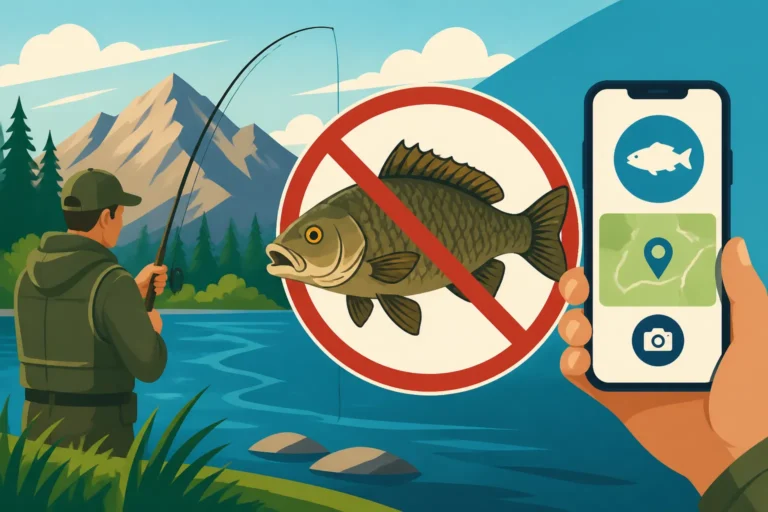
One critical regulation to be aware of, especially during the spawning run, is the legality of "snagging" or "foul hooking." While some states or specific waters might allow snagging for spawning salmon in very limited circumstances as a management tool, it is generally illegal in Wyoming unless explicitly stated. Always assume it's prohibited unless you've confirmed otherwise with the official WGFD regulations for the specific water body and time of year. Special regulations are often posted at access points, but the official WGFD guide is the definitive source. Understanding these nuances ensures you're fishing legally and ethically.
Responsible Angling Practices
Conservation isn't just about following rules; it's about adopting a mindset of respect for the resource. For Kokanee salmon, responsible angling practices are particularly important. If you're practicing catch-and-release, handle the fish as little as possible, keep them in the water, and release them quickly and gently. Use a rubberized net to minimize harm to their protective slime coat. Since Kokanee have delicate mouths, using barbless hooks can make unhooking easier and reduce injury, even if not explicitly required.
Beyond catch and release, preventing the spread of Aquatic Invasive Species (AIS) is paramount. Always "Clean, Drain, Dry" your boat, trailer, and fishing gear after every outing, especially when moving between different bodies of water. This helps prevent the transfer of harmful organisms like zebra mussels or whirling disease. If you observe any unusual fish or signs of disease, report it to the WGFD. Finally, always pack out everything you pack in—leave no trace. Our precious Wyoming waters are a shared resource, and it’s up to all of us to protect them.
Tips for a Successful Kokanee Salmon Trip
Now that you're armed with knowledge about Kokanee and their world, let's talk about putting it all together for a truly successful and enjoyable fishing trip. A little preparation and a few insider tips can go a long way.
Timing Your Trip for Peak Action
Timing is everything when it comes to Kokanee salmon. While you can catch them throughout the warmer months, late spring through late summer (May through August) generally offers the most consistent and aggressive feeding action. This is when they are actively feeding on zooplankton in the deep waters, often concentrated in predictable temperature zones. As mentioned earlier, early mornings and late evenings are typically the prime feeding windows, especially during bright summer days. The low light conditions bring plankton closer to the surface, and Kokanee follow.
As fall approaches and the spawning run begins, the fishing changes. While the fish become more accessible from shore, their feeding drive diminishes significantly. If your goal is to catch actively feeding, prime-eating Kokanee, aim for those summer months. If you're interested in witnessing the spectacular spawning colors and perhaps trying for a reaction strike, the fall can be exciting, but the culinary quality of the fish begins to decline rapidly as they near the end of their life cycle. Keeping an eye on local fishing reports and the WGFD's updates can also give you current insights into when the bite is hot.
Preparing Your Boat and Tackle
A well-prepared boat and organized tackle box can save you a lot of headaches and maximize your fishing time. Before you even leave home, do a thorough check of your boat: ensure your motor is running smoothly, your battery is charged, and all safety equipment (life jackets, fire extinguisher, horn) is on board and accessible. Check your downriggers or lead core setups for any issues. Make sure your fish finder is charged and functioning correctly.
When it comes to tackle, organization is key. Have your favorite Kokanee lures, dodgers, and flashers neatly stored and easily accessible. Pre-tie a variety of leader lengths for your dodgers. Don't forget your corn, scents, and a sharp knife. A good quality net with a rubberized mesh is essential for landing Kokanee without damaging their delicate mouths or scales. Have extra line, leaders, and tools for re-tying quickly. Being able to react to a hot bite or a snag without fumbling through a messy tackle box will make your day much more enjoyable and productive.
Safety on the Water
Wyoming's reservoirs are magnificent, but they can also be challenging environments, especially large ones like Flaming Gorge. Safety should always be your number one priority. Always check the marine weather forecast before heading out. Conditions can change rapidly, and strong winds can whip up dangerous waves on large, open water. Inform someone on shore of your float plan – where you're going, when you expect to return. This "float plan" is a good idea for any extended trip, especially in more remote areas.
Ensure everyone on board knows where the life jackets are and how to use them, and consider wearing them at all times, especially if you're alone or the water is cold. Carry a first-aid kit, a fully charged cell phone (though coverage can be spotty), and an emergency signaling device. If using a boat, be mindful of other anglers, especially when trolling in crowded areas, and always observe proper navigation rules. A safe trip is a successful trip, regardless of how many fish you catch.
| Lure/Bait Type | Description | Best Use | Key Colors/Tips |
|---|---|---|---|
| Dodgers/Flashers | Flat or curved metal plates designed to wobble, flash, and vibrate in the water, attracting Kokanee from a distance. Often made of chrome, brass, or painted metals. | As an attractor, placed 8-24 inches in front of a small lure. | Chrome, gold, pink, green, orange. The "thump" or vibration is as important as the flash. Match size to your lure. |
| Wedding Rings | Small, beaded spinners with a plastic or metal blade, often resembling a wedding band. Highly popular and effective. | Trolled behind a dodger/flasher. | Pink, orange, chartreuse, green, white. Tip with a kernel of Shoepeg corn. Experiment with bead colors and blade sizes. |
| Hoochies (Squids) | Small, soft plastic skirts that mimic squid or other small prey. They have a lifelike action when trolled slowly. | Trolled behind a dodger/flasher. | Pink, orange, green, blue. Can be glow-in-the-dark. Tip with corn and scent for added attraction. |
| Mini Spoons | Small, lightweight metal spoons with a wobbling action. Often brightly colored or with holographic finishes. | Trolled behind a dodger/flasher, or alone on light tackle. | Pink, orange, chartreuse, silver, gold. Look for spoons specifically designed for Kokanee. |
| Jigs (Ice Fishing) | Small metal or plastic lures with a single hook, designed for vertical jigging through the ice. | Ice fishing or vertical jigging from a boat. | Bright colors like pink, orange, chartreuse. Often tipped with corn, mealworms, or wax worms. Use a flasher to see fish reaction. |
| Shoepeg Corn | A firm, white, sweet corn. Used as a bait tip due to its appearance, texture, and scent-absorbing qualities. | Tipped on hooks of wedding rings, hoochies, or small jigs. | Natural white. Can be dyed with lure dye (pink, orange, green). Always add a powerful Kokanee scent. |
| Liquid Scents | Concentrated liquids infused with attractants (e.g., anise, garlic, proprietary blends). | Applied to corn, hoochies, or other lures. | Any "Kokanee specific" scent. Reapply frequently, as scent washes off. |
Disclaimer
This article is for general informational purposes only and does not constitute professional advice. Laws, prices and regulations vary by location and change over time. Consult a qualified professional for guidance on your specific situation.