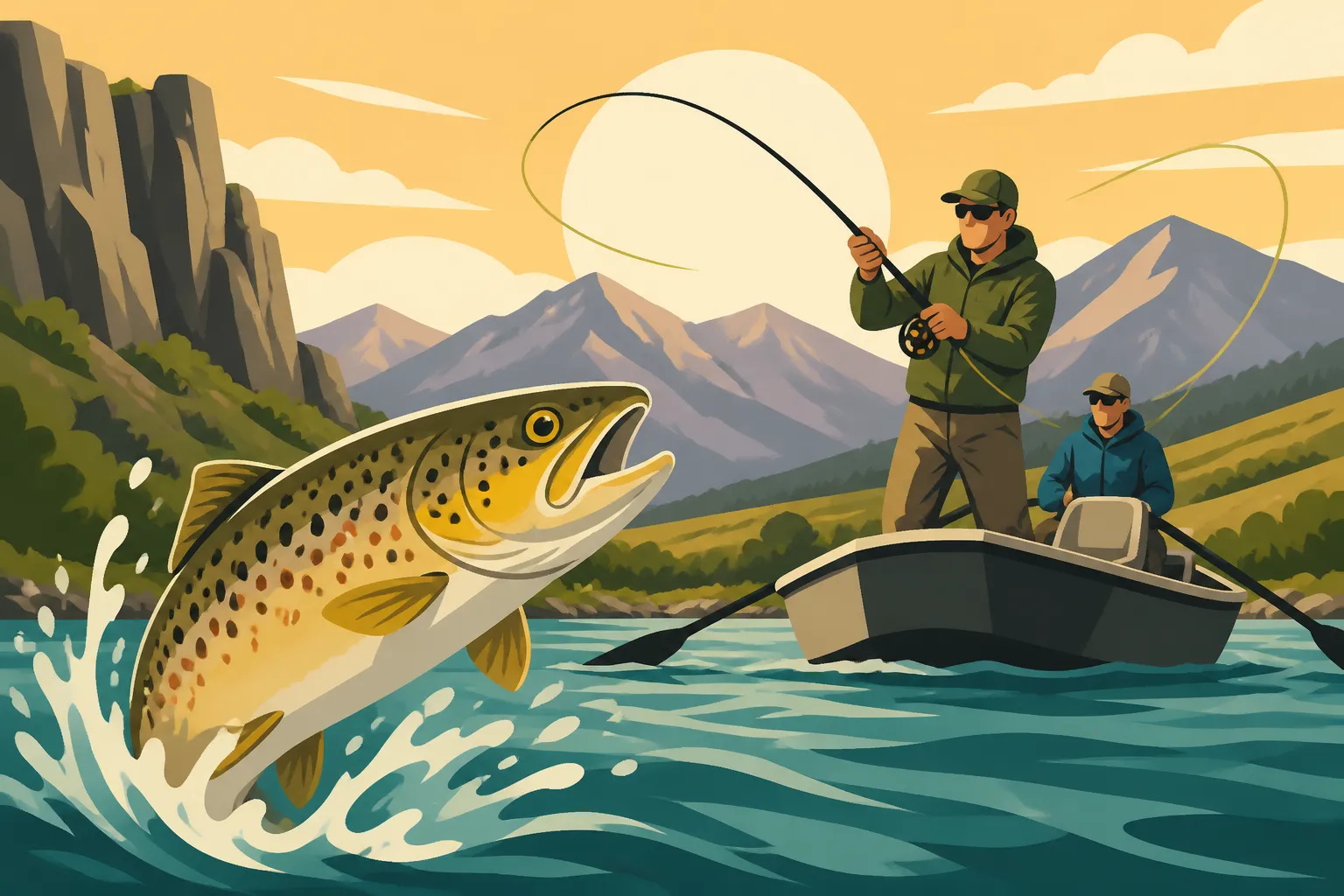
Guided Trips on Gray Reef
Floating the legendary Gray Reef stretch of the North Platte River near Casper, Wyoming, is a dream for many anglers, but let's be honest, those pristine waters can feel incredibly intimidating if you're not a local. Navigating complex currents, understanding the ever-changing hatches, and finding those elusive trophy trout often feels like cracking a secret code. This guide is here to shed light on how a guided trip on Gray Reef can transform a potentially frustrating day into an unforgettable, productive, and truly enriching Wyoming fly fishing experience.
Why Gray Reef Demands a Professional Guide
The Gray Reef section of the North Platte River is famous for a reason: it's a world-class fishery teeming with incredible trout. But its very abundance and unique characteristics are precisely why a guide isn't just a luxury, but often a game-changer, especially if you're not intimately familiar with the river's daily moods. This isn't just any old stream; it's a tailwater fishery, meaning its flows are regulated by a dam, which creates a highly stable, nutrient-rich environment for trout, but also unique challenges for anglers.
The Unpredictable Nature of Tailwater Fishing
Unlike freestone rivers that rise and fall with snowmelt and rain, the North Platte below Gray Reef Dam has managed flows. This stability creates ideal conditions for aquatic insects and large, healthy trout. However, those regulated flows can also mean sudden changes in water levels and speeds, which drastically impact where fish hold and what they're willing to eat. A stretch that was perfect for nymphing in the morning might be too fast or too slow by afternoon. A skilled guide, who is on the water almost daily, lives and breathes these changes. They know the subtle signs of rising or dropping water and how it affects the trout, saving you hours of fruitless casting. They’ve got the pulse of the river down to a science.
Navigating Complex Hatches and River Structure
Gray Reef is renowned for its prolific insect hatches, from tiny midges and baetis to larger caddis and stoneflies. Knowing what is hatching, when it's hatching, and what stage of the hatch the fish are keyed into is paramount. It’s not enough to just see bugs flying; you need to understand their lifecycle and presentation. Guides carry an arsenal of flies, often tied to match the specific, tiny variations in local insects that commercially available patterns might miss. Beyond bugs, the river itself is a labyrinth of seams, riffles, runs, and deep pools, each holding fish differently depending on the conditions. Without a guide, you could spend an entire day casting over barren water, totally unaware of the prime holding lies just yards away. Their expertise is truly invaluable for unlocking the river's secrets and putting you in front of more fish.
What a Guided Gray Reef Trip Includes
When you book a guided trip on Gray Reef, you're not just paying for someone to row a boat. You're investing in an all-encompassing experience designed to maximize your chances of success, enjoyment, and learning. Most reputable outfitters offer a comprehensive package that takes the guesswork out of your day on the water, letting you focus purely on the fishing.
Professional Gear, Flies, and Transportation
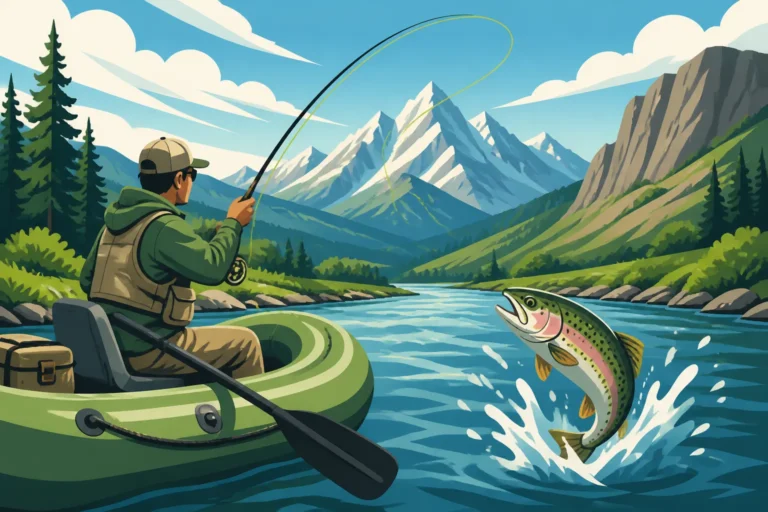
Forget lugging all your own heavy gear, wondering if your fly rod is the right weight, or stressing about whether you have the correct flies. A typical guided trip on Gray Reef will provide high-quality rods and reels suitable for the conditions, often 5- or 6-weight outfits perfect for nymphing or throwing dry flies. More importantly, your guide will have a vast selection of flies, often custom-tied, that are specifically working on that particular day. They know exactly what those Gray Reef trout are eating. Transportation is also usually covered, often involving meeting at a designated point and then being shuttled to the best launch and take-out spots, saving you the hassle of setting up shuttles or navigating unfamiliar access points. It’s all about convenience, so you can truly relax and enjoy your day.
Expert Instruction and Local Knowledge
Beyond the gear, the true value of a Gray Reef guide lies in their deep reservoir of local knowledge and their ability to teach. Whether you're a seasoned angler looking to refine your technique or a complete beginner just learning to cast, a good guide will tailor their instruction to your skill level. They'll teach you how to read the water, spot fish, mend your line, and execute the perfect drift. Fly Fishing Techniques for Wyoming Trout Streams often vary by river, and a guide ensures you're applying the most effective methods for the North Platte. They know the specific regulations for Gray Reef, including any special tackle restrictions or catch-and-release zones, and they can offer insights into the biology and behavior of the local trout, like the prolific brown and rainbow trout populations. This isn't just about catching fish; it's about gaining a deeper understanding of the fishery itself.
Meals, Refreshments, and a Safety Net
Most full-day guided trips include a hearty lunch, snacks, and plenty of non-alcoholic beverages. This means you don't have to pack your own food or worry about staying hydrated. Guides are also trained in first aid and river safety, and they carry appropriate emergency equipment. Floating a river, even a popular one like the North Platte, always carries inherent risks, and having a knowledgeable professional at the helm provides a significant safety net. They know the river's hazards – submerged rocks, tricky currents, and potential log jams – and how to navigate them safely, ensuring your focus remains on the joy of fishing, not on potential dangers.
Choosing Your Gray Reef Fishing Guide
With so many outfitters and independent guides operating on the North Platte, selecting the right one can feel a bit overwhelming. It’s not just about finding someone available, but someone whose personality, expertise, and service style align with your expectations for the trip. A little research goes a long way to ensure you have a fantastic experience.
Reputation and Experience Matter Most
When it comes to Gray Reef, reputation is everything. Look for guides and outfitters with a proven track record of satisfied clients. Online reviews and testimonials are a great starting point, but also consider asking for recommendations from local fly shops or fellow anglers who have fished the area. Experience on the Gray Reef section specifically is crucial. This unique tailwater fishes differently than other rivers, and a guide who spends a significant amount of time on this particular stretch will have an unparalleled understanding of its nuances. Inquire about how long they've been guiding the North Platte, and don't be shy about asking for references. You want someone who knows the river like the back of their hand, through all seasons and flow conditions. You can often find a good selection of reputable Gray Reef guides and read their reviews on platforms like FishingBooker, which can help narrow down your choices.
Licensing, Insurance, and Comfort
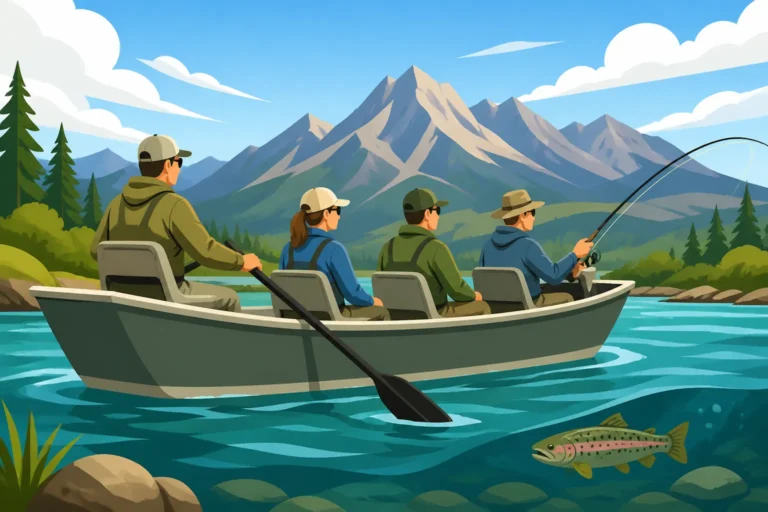
Ensure your chosen guide or outfitter is fully licensed and insured. In Wyoming, guides and outfitters are regulated, and carrying the proper permits isn't just a legal requirement; it's a sign of professionalism and commitment to safety. Don't hesitate to ask to see their credentials. Beyond legality, consider the guide's personality and communication style. You'll be spending an entire day, or even multiple days, with this person in a drift boat. Do they sound patient, enthusiastic, and willing to teach? Do they prioritize your goals for the day (e.g., catching big fish, learning new techniques, or simply enjoying the scenery)? Some guides specialize in specific techniques, like dry fly fishing or streamer fishing for Brown Trout Fishing in Wyoming. Others are exceptional with beginners or families. Think about what kind of experience you're looking for and communicate that clearly. Using a service like FishingBooker allows you to browse guide profiles and often see details about their specialties and boats, which can help you find a perfect match.
Booking Your Gray Reef Adventure
Once you've decided a guided trip is for you and you have a few guides in mind, the next steps involve planning and preparation. Gray Reef is a popular destination, especially during peak seasons, so thinking ahead is always a good idea.
Best Time to Go and When to Book
Gray Reef fishes well year-round, but certain seasons offer distinct advantages. Spring (March-May) can be excellent for large nymphing fish and some early hatches. Summer (June-August) brings consistent dry fly opportunities and warm weather, though can also be busy. Fall (September-November) is legendary for its Fall Fishing for Browns on the Miracle Mile and other large trout, as browns move upriver to spawn. Even winter (December-February) can offer incredible solitude and big fish for the hardy angler. Your guide will have specific recommendations based on current conditions and your target species. Because of this popularity, especially for prime dates in spring and fall, it's wise to book your trip several months in advance. Reputable guides often fill their calendars quickly. For a truly seamless booking experience, consider using a platform like FishingBooker, where you can easily check guide availability and secure your dates well in advance, even comparing options for Guided Trips on Gray Reef side-by-side.
Preparing for Your Trip
Even with a guide providing much of the gear, there are still a few essentials you'll need to bring to make your day comfortable and productive. Layered clothing is key, as Wyoming weather can change rapidly. Think moisture-wicking base layers, a fleece or insulated jacket, and a waterproof outer shell. Wide-brimmed hats, polarized sunglasses, and high-quality sunscreen are non-negotiable for sun protection. Don't forget your Wyoming fishing license and a Conservation Stamp – your guide cannot provide these for you, and you'll need them before you even step into the boat. Wyoming Fishing License Guide for Nonresidents or Wyoming Resident vs Nonresident License Rules can help you get this squared away. If you have a specific camera or personal items you want to bring, ensure they are in waterproof bags or cases. Good communication with your guide beforehand about what to expect and what to pack will prevent any surprises.
Costs and Value of a Guided Gray Reef Trip
Let's address the elephant in the room: the cost of a guided trip. It’s a significant investment, but understanding what you're getting for your money can help you see the immense value it provides. Think of it not just as a fishing trip, but as a comprehensive outdoor experience with a built-in expert.
Understanding Pricing Structures
The cost for a guided fishing trip on Gray Reef typically varies based on whether it's a half-day or full-day excursion, and whether it's a wade trip or a float trip. Float trips in a drift boat are generally more expensive due to the specialized equipment and logistical requirements. Prices are usually quoted per boat, not per person, with a typical boat accommodating one or two anglers comfortably. Some outfitters might offer discounts for larger groups requiring multiple boats, or for booking multiple days. Remember, the price usually covers everything from the guide's expertise, boat, fuel, flies, terminal tackle, and typically lunch and drinks. While I can't provide specific figures, expect the costs to reflect the professional service, gear, and invaluable local knowledge you receive.
Here's a general comparison of what you might consider:
| Feature | Self-Guided Trip | Guided Gray Reef Trip |
|---|---|---|
| Gear | Must own/rent all rods, reels, waders, flies. | Provided by guide; high-quality and specific to conditions. |
| Knowledge | Requires extensive personal research, trial & error. | Instant access to daily river conditions, hatches, and tactics. |
| Logistics | Arranging shuttle, finding access, packing food. | All transportation, meals, and access handled by guide. |
| Safety | Rely on personal experience and preparedness. | Professional guide trained in river safety and first aid. |
| Instruction | Self-taught or rely on online resources. | Personalized coaching on casting, reading water, and technique. |
| Fishability | Hit-or-miss, dependent on personal skill & luck. | Higher probability of finding and catching fish. |
| Investment | Lower upfront monetary cost, higher time/stress. | Higher upfront monetary cost, lower time/stress. |
The Unseen Value: Learning and Experience
While the sticker price might seem steep, consider the intangible benefits. You're buying efficiency – maximizing your time on the water by avoiding unproductive spots. You're buying education – gaining skills and knowledge that will make you a better angler for years to come. You're buying access – getting to prime spots on the river that might be difficult to reach otherwise. And critically, you're buying peace of mind – knowing that an expert is handling all the details, from safety to fly selection, allowing you to fully immerse yourself in the beauty of the Wyoming landscape and the thrill of the catch. Many anglers view a guided trip as an investment in their fishing prowess and a guarantee of a memorable experience, not just another outing. It’s truly an opportunity to level up your angling game while enjoying one of the best fisheries in the country.
Making the Most of Your Guided Day
You've invested in a guided trip on the legendary Gray Reef, and now it's time to make sure you get every bit of value out of it. It’s a partnership, and your actions can greatly enhance the experience for both you and your guide.
Being a Good Client and Communicating Your Goals
First and foremost, communicate clearly with your guide before and during the trip. Do you want to learn new casting techniques? Are you hoping to catch a trophy brown trout? Are you simply looking for a relaxing day floating the river? Let them know. A good guide will tailor the day to your preferences, but they can’t read your mind. Be open to their suggestions and advice; they are the experts on this water. They might suggest a different fly than your favorite, or a different casting approach, because they know what’s working on Gray Reef today. Remember, your guide is working hard to put you on fish and ensure your safety and enjoyment. Be polite, attentive, and engaged. This positive interaction can make all the difference to the overall success and enjoyment of your trip.
Tipping Etiquette and Appreciation
Tipping your fishing guide is standard practice in the industry and is an important part of their income. While the exact amount can vary, a general guideline is to tip around 15-20% of the total trip cost for a good experience. If your guide went above and beyond, or if you had an exceptional day, a higher tip is certainly appreciated. The tip should reflect your satisfaction with their effort, knowledge, professionalism, and service. It’s also a great way to show your appreciation for all the unseen work they do, from scouting conditions and tying flies to cleaning up the boat and maintaining their gear. A cash tip at the end of the day is usually preferred. Don't underestimate the impact of a sincere thank you and a generous tip on someone who has dedicated their day to making your fishing dreams come true. How Much to Tip a Wyoming Fishing Guide offers more specific advice on this important courtesy.
Disclaimer
This article is for general informational purposes only and does not constitute professional advice. Laws, prices and regulations vary by location and change over time. Consult a qualified professional for guidance on your specific situation.