Which Guides Specialize in Trophy Brown Trout
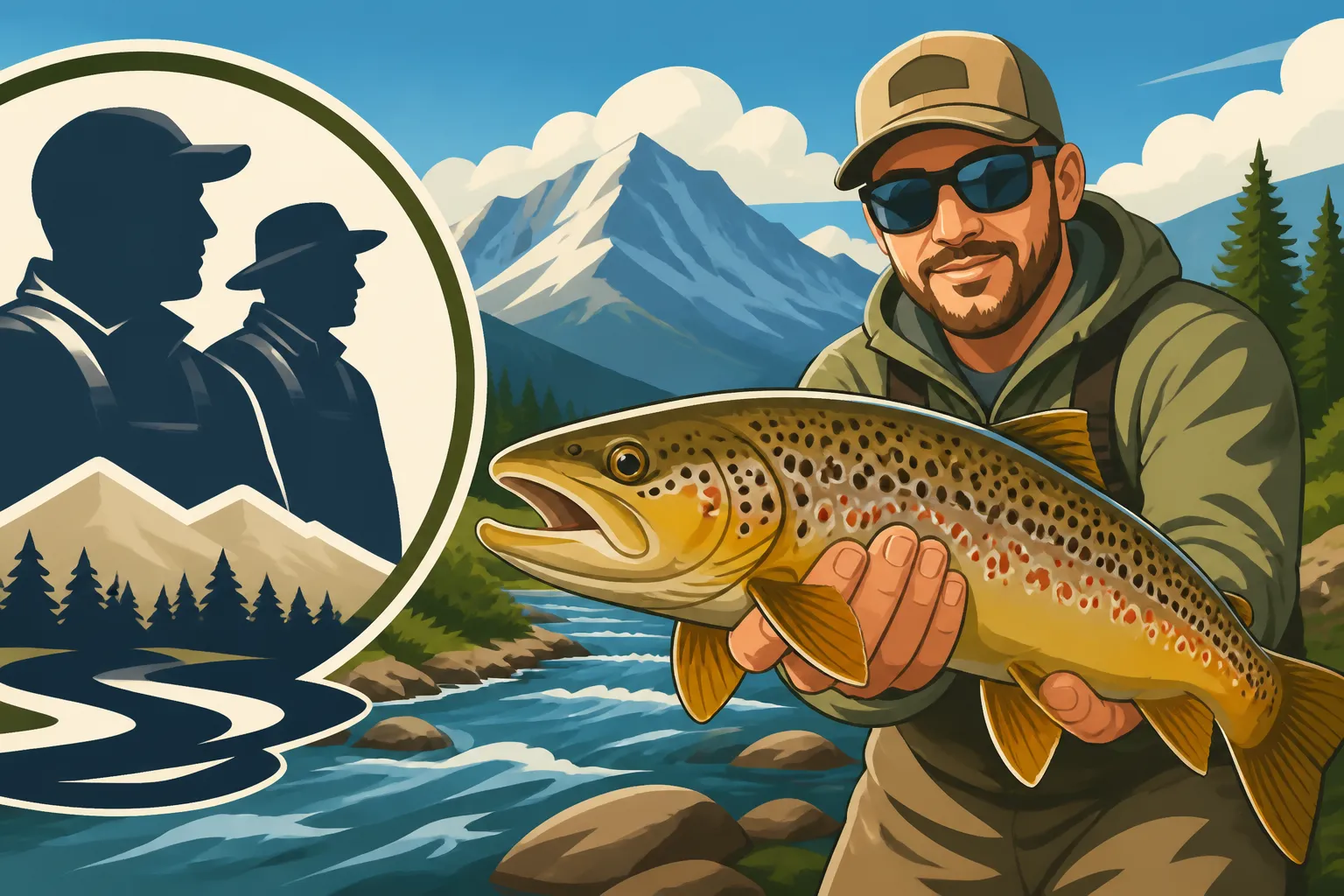
Chasing a trophy brown trout in Wyoming can feel like searching for a mythical beast, especially if you're hitting the water without a clear strategy. Many anglers spend countless hours on beautiful rivers, only to come up short on that truly massive, elusive brown. This guide will help you understand what makes a guide truly specialized in targeting these prized fish and how to find the experts who can put you onto the fish of a lifetime in Wyoming.
Understanding the Trophy Brown Trout Challenge in Wyoming
Wyoming is renowned for its incredible trout fishing, but brown trout, especially the truly monstrous ones, are a different beast entirely. They are wary, often solitary, and demand a unique approach. It's not just about finding water with browns; it's about finding water with big browns and understanding their habits.
Why Brown Trout Are Elusive Trophies
Brown trout are notorious for their cunning and reclusive nature, particularly as they grow larger. Unlike rainbow trout or brook trout which can often be caught with less subtlety, big browns become incredibly wary of human presence and common presentations. They often reside in the deepest, most complex parts of a river or reservoir, under cut banks, log jams, or submerged structure, making them difficult to access and even harder to fool. Their feeding habits also change; instead of continuously rising to small insects, trophy browns often become opportunistic predators, keying in on larger prey like baitfish, crayfish, or even small rodents. This shift in diet means you're not just trying to match a tiny hatch; you're trying to provoke a strike from a seasoned predator. Many anglers mistakenly try to fish for big browns the same way they fish for smaller, more abundant trout, leading to frustrating days without a single tug from a true monster.
Furthermore, the environment plays a huge role. Wyoming's wild rivers and vast reservoirs offer countless hiding spots, and these fish aren't always in the same place. A guide who specializes in trophy browns has spent years, often decades, observing these fish, understanding their seasonal movements, and knowing exactly where they'll be given specific water flows, temperatures, and light conditions. Without this ingrained knowledge, it's akin to searching for a needle in a very large, very beautiful haystack. It's why so many anglers appreciate the specific insights that come from dedicated pursuit of these particular fish.
Key Wyoming Waters for Big Browns
When we talk about trophy brown trout in Wyoming, a few names immediately jump to mind. The North Platte River, particularly the stretches known as the Miracle Mile and Gray Reef, is legendary. These tailwater fisheries offer consistent temperatures and a rich food base, allowing browns to grow to impressive sizes. Anglers often hear tales of true giants being pulled from these famous sections, making them a prime target for those seeking bragging rights. These are not just places where browns live; these are places where they thrive and grow exceptionally large due to abundant scuds, leeches, and baitfish.
Beyond the North Platte, the Green River below Flaming Gorge Dam also holds substantial brown trout, though perhaps less frequently targeted by pure brown trout specialists compared to its more famous sister rivers. Reservoir systems like Flaming Gorge itself, and even some of the larger, less-pressured high-alpine lakes, can harbor massive, unpressured browns that have grown huge on a diet of smaller fish. The key is knowing which specific bays, depths, or feeder creeks within these large bodies of water provide the ideal habitat for these lunkers. It's not just about casting anywhere; it's about knowing the precise structure and depth where a 25-inch brown might be lurking. Knowing Wyoming's Best Reservoirs for Trophy Fish is a great starting point, but a specialist guide takes that knowledge much deeper.
The Importance of Timing and Conditions
Successfully targeting trophy brown trout is often less about luck and more about impeccable timing and understanding environmental conditions. Big browns have distinct behavioral patterns tied to the seasons, water temperatures, and even daily light cycles. For instance, the fall months are prime time for many of Wyoming's brown trout fisheries. This is when Brown Trout in Wyoming's Tailwaters begin their spawning migrations, moving out of lakes or larger river sections into tributaries or shallower riffles, making them more accessible and aggressive. The cooler water also invigorates them, making them more willing to chase larger prey.
However, "fall" isn't a single event. It involves specific windows of water temperature, post-rain clarity changes, and even moon phases that can influence activity. A trophy brown specialist isn't just aware of the general season; they know the exact week or even day when conditions align perfectly on a specific stretch of river. Similarly, understanding the impact of high water during spring runoff, or how low, clear summer flows make fish spookier, is crucial. They know that a cloudy day might be better than a bluebird day for streamer fishing, or that the hour before dusk often produces the most violent takes. These subtle nuances are what separate consistent success from hit-or-miss fishing. They've spent years noting these patterns, ensuring you're fishing when the odds are stacked in your favor.
What Makes a Guide a "Trophy Brown Trout Specialist"?
Anyone can guide a fishing trip, but a true "trophy brown trout specialist" is a rare breed. These are individuals who have dedicated their careers, and often their lives, to understanding the behavior of these specific fish and perfecting the techniques required to catch them consistently.
Deep Knowledge of Specific Waters
A general fishing guide might know a river well, but a trophy brown specialist intimately knows every bend, riffle, pool, and undercut bank of their chosen waters. They’ve spent thousands of hours, in every season and every condition, observing where the biggest browns hold, feed, and spawn. This isn't just theoretical knowledge from a map; it's an ingrained, almost intuitive understanding of the river's pulse. They know the subtle seams where a large brown might ambush baitfish, the precise depth of a winter holding lie, or the specific root ball under a cut bank that offers perfect ambush cover.
This deep knowledge extends beyond physical locations. They understand the seasonal movements of baitfish, the insect hatches that big browns might briefly key into, and the impact of fluctuating water levels or temperatures on fish behavior. They know which pools are productive in the morning light versus late afternoon shadows. If you're on a multi-day trip, they might even know which stretch of river fishes best after a specific weather front. This hyper-local, detailed understanding is honed over years, often decades, and cannot be replicated by someone simply fishing a new area. It's like having a living, breathing encyclopedia of that particular river's trophy brown trout secrets.
Specialized Techniques and Gear
Catching a truly large brown trout often requires techniques and gear that go beyond standard trout fishing. A specialist guide will be an expert in these methods. Think heavy streamer fishing, often with large, articulated flies designed to imitate sizable baitfish or leeches. They'll know how to present these flies with aggressive strips and pauses to trigger an instinctive predatory strike, not just a gentle sip. This might involve Streamer Fishing for Wyoming Brown Trout with heavier fly rods (7-8 weight), stout leaders, and specialized lines to turn over these bulky flies and handle powerful fish.
Spin fishing techniques for big browns might involve throwing large swimbaits, jerkbaits, or oversized spoons that mimic the primary food sources of these larger predators. A guide specializing in this will not only have a vast array of these specialized lures but will also know the retrieve speeds, depths, and presentation angles that are most effective for coaxing a leviathan out of its lair. They'll be prepared for the battle, often carrying larger landing nets and having strong knots and heavy-duty terminal tackle to handle the sheer power of a trophy brown. They’ll also teach you the nuances of playing a big fish to the net quickly and safely for a healthy release, understanding Catch and Release Best Practices for Trout.
Patience and Persistence
Perhaps one of the most undervalued traits of a trophy brown trout specialist is an unwavering patience and persistence. Unlike a numbers-game guide who aims for high catch counts, a trophy hunter understands that these elusive fish don't come easy. There might be long stretches of nothing, requiring repeated casts to the same subtle piece of structure, or hours of trolling without a hit. A specialist guide won't get discouraged; they'll maintain focus, constantly analyzing conditions, making subtle adjustments to drift, depth, or fly patterns, and maintaining a positive attitude.
They understand that a single, violent strike from a 28-inch brown can make up for hours of quiet. They won't rush you or push you to move from a spot they believe holds a big fish, even if it's not producing immediate action. They are mentally prepared for the grind and understand that the reward of a true trophy often requires a significant investment of time and effort. Their dedication to the quest for big fish is infectious and crucial for success.
How to Identify and Vett a Trophy Brown Trout Guide
Finding the right guide is paramount. You wouldn't hire a general contractor to build a custom race car, and you shouldn't hire just any fishing guide for a trophy brown trout hunt. It requires specific diligence.
Asking the Right Questions
When you're looking for a guide specializing in trophy brown trout, don't be shy about asking direct and specific questions. Start by inquiring about their experience with large brown trout. How many years have they been guiding specifically for these fish? Can they provide examples of significant brown trout their clients have caught? Ask about their approach: "Do you primarily target numbers, or are you focused on finding fewer, larger fish?" This helps align expectations. A trophy specialist will likely be honest that big browns are hard to come by, but when they do bite, they're often significant.
Inquire about their "home waters." While guides often cover multiple rivers, a specialist will usually have one or two specific stretches where they've put in an extraordinary amount of time specifically chasing big browns. Ask about their preferred techniques for these fish: "Are you primarily a streamer guide, or do you incorporate other methods like nymphing with larger patterns or even spin fishing?" Understanding their methods ensures they align with your fishing style and goals. Lastly, ask about their typical trip structure when targeting trophy browns – are they fast-paced, covering lots of water, or more focused on patiently working specific high-percentage spots? These questions will quickly reveal their true specialization.
Researching Reputations and Reviews
In today's digital age, research is your best friend. Start by looking at their online presence. Do they have a website or social media showcasing large brown trout catches (with proper catch-and-release handling, of course)? Many reputable guides are listed on booking platforms like FishingBooker, which often include client reviews and photos. Pay close attention to the language used in reviews. Are clients raving about "big fish" or "personal bests"? Does the guide consistently receive praise for their knowledge of specific species like brown trout, rather than just general fishing success?
Beyond structured reviews, look for mentions on fishing forums, local fly shop bulletin boards, or even direct referrals. A guide who consistently puts clients on big browns will have a reputation that precedes them within the angling community. Don't be afraid to ask for references from past clients who specifically booked a "trophy brown" trip. A confident and legitimate guide will gladly provide them. Remember, glowing reviews about catching lots of small trout are great, but they don't necessarily translate to expertise in landing a 30-inch brown. You need to read between the lines to find the true specialists.
Confirming Licenses and Permits
This might seem basic, but it's absolutely crucial for your safety and to ensure you're supporting legitimate operations. Any professional fishing guide operating in Wyoming must be properly licensed by the Wyoming Game and Fish Department as an outfitter or guide. If they are operating on federal lands, such as within a national forest or a Bureau of Land Management (BLM) area, they will also need specific permits from those agencies. What Makes a Guide Legal to Operate in Wyoming is important to understand.
Before booking, verify that your chosen guide or outfitter holds all the necessary, current licenses and permits. You can usually cross-reference this information with the Wyoming Game and Fish Department's online directory or by calling their offices. Do not hesitate to ask the guide directly for their license numbers. A legitimate guide will be proud to share this information and will understand your need for verification. This ensures not only their legality but also often means they carry proper insurance, which can protect you in case of an unforeseen incident on the water. Fishing with an unlicensed guide can lead to legal issues for both parties and often indicates a lack of professionalism and safety standards.
Key Regions and Their Guides for Trophy Browns
Wyoming offers a variety of habitats suitable for large brown trout. While some rivers are famous, others are hidden gems known only to a select few, often the very guides you're seeking.
North Platte River System
The North Platte River, particularly the tailwater sections like the Miracle Mile and Gray Reef, are arguably the most famous destinations for trophy brown trout in Wyoming. These sections are renowned for growing massive brown trout due to abundant forage and consistent water temperatures. Guides here specialize in year-round tactics, but really shine during the fall spawning runs when Brown Trout in Wyoming's Tailwaters become incredibly aggressive. They often use large streamer patterns, imitating the plentiful sculpins and rainbow trout smolt that browns prey upon. Guided Trips on the North Platte Miracle Mile often involve drift boats, allowing guides to cover miles of prime water and position anglers perfectly for ambush points.
You'll find guides who have spent decades perfecting their craft on these specific waters, understanding the subtle movements of fish through various flow regimes and seasons. They'll know exactly when the larger fish migrate from the reservoirs into the river to spawn, and which specific banks and deep runs hold the biggest monsters. Many of these guides are also adept at teaching the specific casting techniques required for heavy streamer setups, ensuring you have the best chance to present your fly effectively in often challenging conditions. Their boats are typically equipped with all the necessary gear, from heavy-duty rods to specialized lines and flies.
Snake River and Tributaries
While the Snake River in Wyoming is often celebrated for its native Snake River Fine-Spotted Cutthroat Trout, certain sections and its tributaries also hold impressive brown trout populations. The browns here tend to be wilder and perhaps even more challenging, requiring a guide who understands their distinct behavior in this diverse ecosystem. Guides focusing on Snake River browns might explore deeper, slower stretches or target specific tributary mouths where browns migrate or reside.
The techniques on the Snake might differ slightly from the North Platte, with guides emphasizing stealth and presentation, especially in clearer, freestone sections. They might employ slightly lighter tackle, given the potential for also hooking a spirited cutthroat, but they'll always have the heavier guns ready for a true brown. Fishing Wyoming's Snake River Below Jackson Lake Dam can be excellent for resident browns, and specific guides have carved out niches focusing on these particular areas, away from the more cutthroat-centric stretches. These guides understand the nuances of the Snake's currents and structure, often using smaller drift boats or focusing on wade-fishing tactics that allow for a more intimate approach to specific brown trout haunts.
Smaller, Underrated Rivers and Reservoirs
Beyond the legendary rivers, Wyoming holds a treasure trove of smaller, less-pressured rivers and often overlooked reservoirs that can surprise with truly gigantic brown trout. These are often the "secret spots" that only a specialist guide, who has spent years exploring off-the-beaten-path waters, will know. Think of remote sections of the Green River, parts of the Wind River system, or specific feeder creeks flowing into larger reservoirs like Fontenelle or even Seminoe. These waters might not produce high numbers of fish, but the browns that live there are often larger and less pressured.
Guides specializing in these areas might run a more adventurous trip, perhaps involving longer drives, hikes, or even multi-day expeditions to reach pristine, rarely fished stretches. They often combine their knowledge of fishing with an expertise in backcountry travel and navigation. These trips are for the angler who values the challenge and solitude as much as the potential for a monster fish. A guide in these areas might use a blend of techniques, adapting to the diverse conditions found in smaller streams versus large, deep reservoir coves. This is where the true detective work of a guide comes into play, utilizing their profound understanding of local topography and fish behavior to unlock these hidden trophy brown trout opportunities.
The Investment in a Trophy Hunt: What to Expect
Hiring a specialist guide for trophy brown trout is an investment, not just in a fishing trip, but in a dedicated pursuit. It's important to understand the typical costs and logistics involved.
Cost Considerations
Let's be realistic: a guided trip for trophy brown trout isn't usually the cheapest option on the menu, and for good reason. You're not just paying for a boat and some flies; you're paying for years, sometimes decades, of specialized knowledge, scouting, and expertise that few possess. While specific prices vary widely depending on the guide's reputation, the length of the trip (half-day vs. full-day, single-day vs. multi-day), and the remoteness of the chosen waters, expect it to be a significant investment.
Factors influencing cost include whether the trip is wade-fishing or a float trip (which requires a boat, shuttle, and more specialized gear), what's included (lunch, drinks, flies, terminal tackle), and if any specialized equipment like heavy streamer rods are provided. You also need to factor in guide gratuity; it’s customary to tip your guide well, especially if they’ve worked hard to put you on fish, or if you've simply had a fantastic experience learning from them. Often, the investment for a trophy brown trout specialist reflects the lower catch rates (because trophy fish are rare!) but higher quality of fish targeted. This is a journey, not just a day of casual fishing. For a general idea of costs, you could look at Snake River Full-Day Float Trip Cost or How Much a Guided Fishing Trip Costs in Jackson Hole, but expect specialized trips to sometimes be on the higher end due to the unique expertise involved.
Trip Logistics and What's Included
When booking a trophy brown trout guide, clarity on logistics is key. Most full-day trips will include lunch, non-alcoholic beverages, and all necessary fishing gear, including specialized rods, reels, lines, and an array of custom-tied flies or lures designed for big browns. Some guides might also provide waders and boots if needed, though many anglers prefer to bring their own. You'll typically meet your guide at a predetermined location, often a local fly shop or boat ramp, at an early hour to maximize fishing time. Transportation to and from the river access points is usually covered once you meet.
It's vital to clarify what you need to bring. This almost always includes a valid Wyoming fishing license with the necessary conservation stamp (check Wyoming Fishing License Guide for Nonresidents or Total Cost of a Wyoming Resident Annual License and Stamp), appropriate clothing for Wyoming's variable weather (layers are always a good idea), sunglasses, sunscreen, a hat, and any personal snacks or medications. Don't forget your camera for that trophy shot! If you have specific dietary restrictions, communicate those well in advance. Remember, this isn't just a guide putting you on fish; it's a partnership to pursue a specific, challenging goal.
The "Trophy" Mindset
Embarking on a trophy brown trout hunt requires a specific mindset. It's crucial to manage your expectations. Unlike a day targeting abundant, smaller trout where you might catch dozens, a trophy brown trip might result in only a few bites, or even none from a true monster. The success isn't always measured in numbers, but in the potential for that one incredible fish, and the experience of pursuing it with an expert.
A trophy brown specialist isn't promising you a record; they're offering you the best possible chance at one. Embrace the process: the patient casting, the meticulous drifts, the long waits between strikes. Learn from your guide; they'll share insights into reading water, understanding fish behavior, and refining your techniques. The experience itself – being on the water in beautiful Wyoming, learning from a master, and the sheer anticipation of a massive brown trout strike – is often the real reward, regardless of the outcome. Enjoy the camaraderie, the stunning scenery, and the dedication to the pursuit. When that massive brown finally takes your fly, every moment of patience will be worth it.
Here's a comparison of typical characteristics for trophy brown trout rivers in Wyoming:
| River System | Primary Habitat | Typical Size Range (Trophy) | Best Time of Year | Key Techniques | Considerations |
|---|---|---|---|---|---|
| North Platte | Tailwater, deep runs, structure | 20-30+ inches | Fall (Spawning) | Streamers, large nymphs | High pressure, varying flows, can get crowded |
| Snake River | Freestone, large pools, tributaries | 18-25+ inches | Fall, Spring | Streamers, big dries, nymphs | Also known for cutthroat, wilder fish |
| Green River | Tailwater, deep structure, canyons | 18-28+ inches | Fall, Winter | Streamers, jigs, nymphs | Can be remote, good for solitude |
| Smaller Rivers/Res | Varied (pools, weed beds, structure) | 16-25+ inches | Fall, Spring | Streamers, large lures, bait | Often less pressured, harder to access, more variable |
Disclaimer
This article is for general informational purposes only and does not constitute professional advice. Laws, prices and regulations vary by location and change over time. Consult a qualified professional for guidance on your specific situation.