Float Trips on Wyoming’s Snake River
The majestic Snake River in Wyoming calls to so many of us, but often, the sheer scope of planning a fishing trip on such a renowned waterway can feel overwhelming. From understanding regulations to figuring out the best way to navigate its waters, it's easy to get lost before you even cast a line. This guide will walk you through everything you need to know about float trips on Wyoming's Snake River, ensuring you're prepared for an unforgettable angling adventure, whether you're hiring a guide or doing it yourself.
Why Float the Snake River for Fishing?
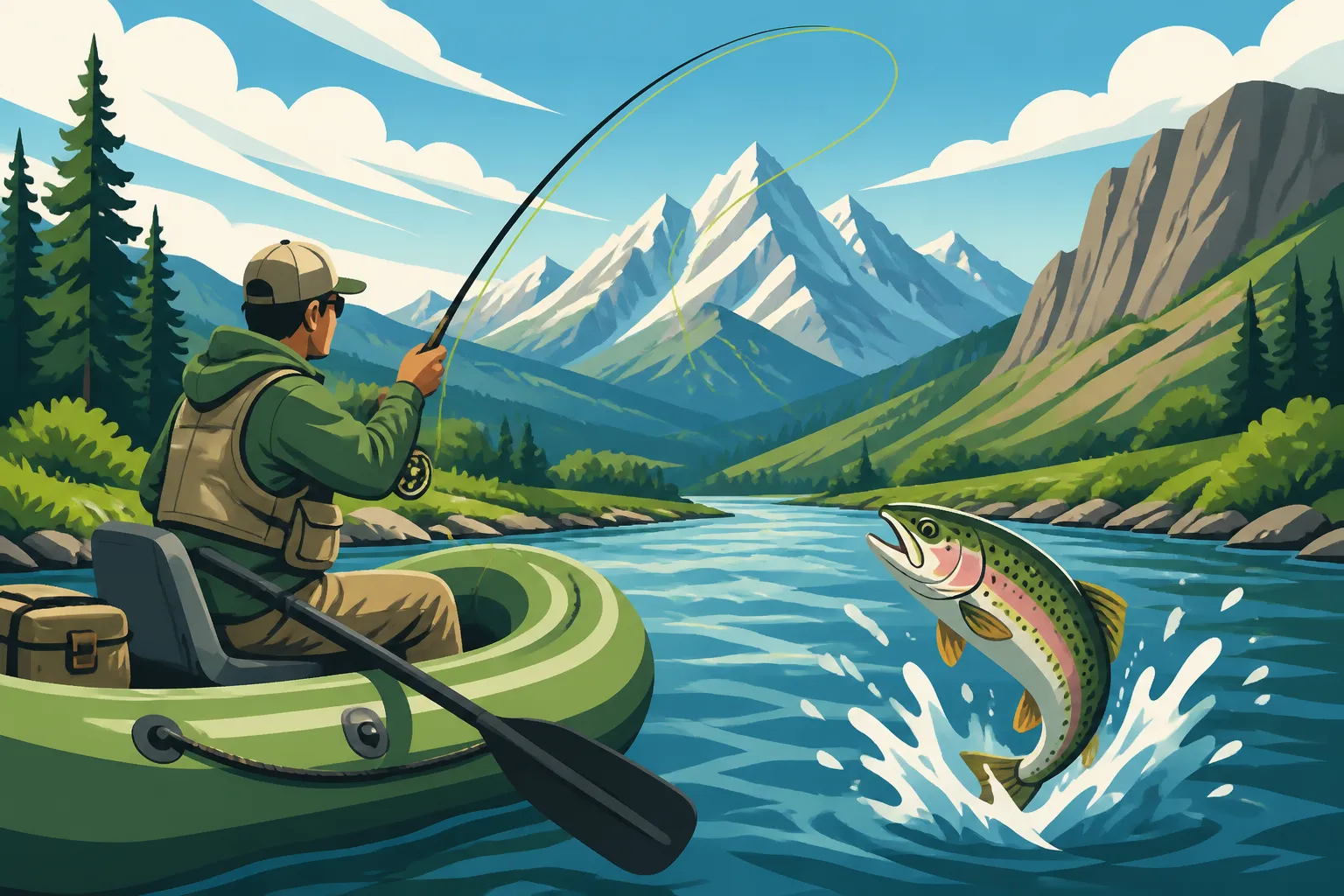
The Snake River isn't just another body of water; it's a living legend in the angling world, particularly within the stunning landscapes of Grand Teton National Park and beyond. For many, a float trip here isn't just about catching fish; it's an immersive experience that combines breathtaking scenery with some of the most rewarding trout fishing in the West. The river's dynamic nature, changing from gentle glides to exhilarating riffles, offers a diverse fishing environment that's best explored from the vantage point of a raft or drift boat. This intimate connection with the river, drifting silently through canyons and past wildlife, is what truly sets a Snake River float trip apart from simply fishing from the bank.
What Makes the Snake River Special
What really elevates the Snake River to its iconic status is its pristine condition and the sheer beauty that surrounds it. Imagine floating through sections where the Teton Range looms majestically in the background, wildlife like moose and eagles are common sights, and the only sounds are the gentle dip of oars and the whisper of the wind through cottonwoods. The river itself is a vibrant ecosystem, fed by snowmelt from high peaks, which keeps its waters cold and oxygenated, perfect for a thriving trout population. Unlike many rivers that see heavy development, large portions of the Snake flow through protected areas, preserving its wild character and offering an unparalleled sense of solitude, even when sharing the water with other anglers. It's a place where the journey itself is as fulfilling as the fishing.
Targeting Native Snake River Fine-Spotted Cutthroat
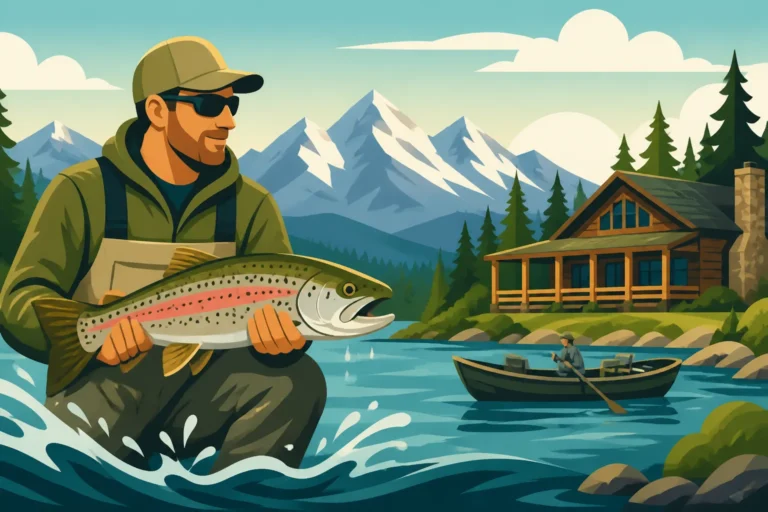
The crown jewel of the Snake River for anglers is undoubtedly the native Snake River Fine-Spotted Cutthroat Trout. These beautiful fish, with their distinctive red "slash" marks under their jaw and delicate spots, are a true testament to the river's health. They are often eager to rise to a well-presented dry fly, making for incredibly exciting and visual fishing. Catching one of these wild, vibrant fish in their natural habitat is a bucket-list item for many fly anglers. The experience of seeing a cutthroat dart out from beneath an undercut bank or rise confidently from a riffle to take your fly is simply unmatched. It's a reminder of the precious natural resources we have in Wyoming and the importance of respecting and protecting them for future generations. For more on these incredible fish, check out Snake River Fine-Spotted Cutthroat Trout.
Beyond Trout: Other Fish You Might Encounter
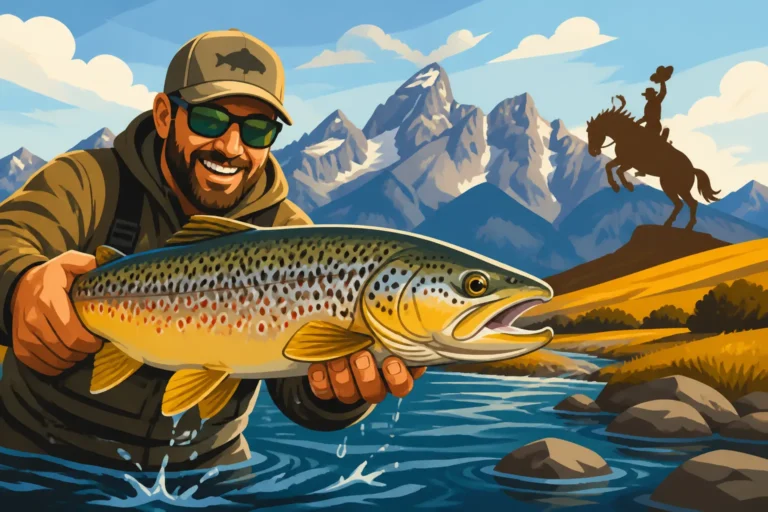
While the cutthroat reigns supreme, the Snake River ecosystem supports a variety of other fish species that can surprise and delight anglers. Depending on the section of river you're floating and the time of year, you might also tie into Mountain Whitefish, a native species that offers a strong fight on light tackle, or even the occasional Brown Trout, especially in the lower reaches. While not as prevalent as in some other Wyoming rivers, these other species add an extra layer of excitement and variety to your day on the water. It's always a good idea to consult the most current regulations, as bag limits and specific rules can vary by species and location. Always be prepared for the unexpected; that's part of the thrill of fishing in Wyoming's wild waters.
Choosing Your Snake River Float Trip: Guided vs. DIY
Once you've decided to experience the magic of a Snake River float trip, the next big question often comes down to logistics: do you hire a professional guide, or do you tackle it yourself? Both options offer unique advantages and challenges, and the best choice really depends on your experience level, budget, and desired fishing experience. There's no single right answer, and many anglers try both approaches over time to truly appreciate the river in different ways.
Benefits of a Guided Float Trip
For many, especially those unfamiliar with the Snake River or new to float fishing, a guided trip is an invaluable investment. A professional guide brings a wealth of local knowledge, understanding the river's ever-changing currents, hidden obstacles, and the best fishing spots that might be invisible to the untrained eye. They also know which flies are "hot" on any given day, how to properly present them, and often provide all the necessary gear, from quality rods and reels to flies. Beyond the fishing, guides are often passionate conservationists and storytellers, enriching your experience with insights into the river's ecology, history, and the surrounding wildlife. This allows you to focus solely on the fishing and the stunning scenery, without worrying about navigating, shuttle logistics, or changing conditions. Services like FishingBooker can connect you with experienced, licensed guides who specialize in Snake River floats, making the booking process much smoother. For a deeper dive into finding the right professional, explore Hiring a Fishing Guide in Wyoming.
The DIY Angler's Approach: Challenges and Rewards
For the adventurous and experienced angler, a do-it-yourself float trip offers a different kind of reward: the satisfaction of navigating the river and finding success entirely on your own terms. However, it comes with significant challenges. You'll need your own drift boat or raft, the expertise to safely row and navigate diverse water conditions, and a solid understanding of the river's access points and shuttle logistics. Planning shuttles for your vehicle can be a complex endeavor, often requiring two vehicles or a hired shuttle service. You'll also need a thorough understanding of Wyoming Fishing Regulations Every Angler Should Know, including any specific rules for the Snake River, and a valid Wyoming Fishing License Guide for Nonresidents or resident license. The gear burden falls entirely on you, from your fishing tackle to safety equipment like PFDs and first-aid kits. Despite these hurdles, the freedom to explore at your own pace, to pull over and wade a promising riffle, and the deep sense of accomplishment from a self-guided successful day can be incredibly fulfilling.
What to Consider When Deciding
When weighing your options, think about what kind of experience you're truly seeking. If you're looking to maximize your fishing success, learn new techniques, and enjoy a stress-free day surrounded by beauty, a guided trip is likely your best bet. If you possess strong rowing skills, extensive river knowledge, and a desire for complete independence, and you're prepared for the logistical challenges, then DIY might be for you. Consider your budget; while a guided trip has an upfront cost, it often includes gear, lunch, and expert instruction, potentially saving you money on equipment rentals or shuttle services. Think about your group as well; guided trips are often ideal for families or mixed-skill groups, while a DIY trip might be better suited for experienced anglers who know each other's river habits well.
| Feature | Guided Float Trip | DIY Float Trip |
|---|---|---|
| Experience Level | Ideal for beginners to advanced | Best for experienced river anglers and rowers |
| Logistics | Handled by guide (shuttle, gear, flies) | All logistics (boat, shuttle, gear) handled by you |
| River Knowledge | Expert local knowledge provided | Requires personal research and experience |
| Gear Provided | Often includes rods, reels, flies, PFDs | Bring all your own equipment |
| Instruction | Personalized fishing and casting tips | Self-directed learning, trial and error |
| Cost | Upfront fee for guide service | Initial investment in boat/gear, ongoing shuttle costs |
| Flexibility | Follows guide's plan, but often adaptable | Complete freedom and control over your day |
| Safety | Professional guide navigates hazards | Relies on your own judgment and skills |
| Permits | Guide typically handles commercial permits | You are responsible for all personal permits and licenses |
Understanding Different Float Trip Types
Floating the Snake River isn't a one-size-fits-all activity. Depending on your time constraints, your budget, and how deep you want to dive into the fishing experience, there are several types of float trips you can choose from. Each offers a distinct rhythm and opportunity, designed to cater to different angling appetites. Thinking about these variations beforehand can really help you tailor your adventure to be exactly what you're dreaming of.
Half-Day vs. Full-Day Adventures
The most common decision for many anglers is whether to opt for a half-day or full-day float trip. A half-day trip, typically lasting 4-5 hours, is perfect if you're on a tighter schedule, or if you're trying float fishing for the first time and want to get a taste without committing to an entire day on the water. It's often a bit less strenuous and can be a great option for families with younger children or those who want to combine fishing with other activities. You'll still get plenty of casting opportunities and incredible scenery.
A full-day trip, usually 8-10 hours, offers a more comprehensive and immersive experience. This allows for longer stretches of fishing, more time to explore different sections of the river, and often includes a riverside lunch, adding to the overall enjoyment. Guides can take you through a greater variety of water, adapting techniques to different conditions, and giving you more chances to dial in your cast and presentation. If you're serious about your fishing and want to maximize your time on the water, a full-day trip is generally preferred, giving you ample time to relax into the rhythm of the river and chase those elusive cutthroat. More information on these options can be found in Half-Day vs Full-Day Float Trips on Wyoming's Snake River.
Multi-Day Expeditions and Backcountry Floats
For the truly adventurous and those seeking a deeper wilderness immersion, multi-day float expeditions are an extraordinary way to experience the Snake River. These trips can range from overnight floats with riverside camping to multi-day journeys covering extensive stretches of the river, particularly in its wilder, less accessible sections. These are often fully outfitted trips, where guides manage all camping gear, meals, and logistics, allowing you to focus completely on fishing and enjoying the backcountry.
Backcountry floats often venture into areas like the Snake River's headwaters or designated wilderness areas, offering unparalleled solitude and a chance to fish pristine waters that see less pressure. These trips require more planning and a greater commitment of time and resources but provide an unforgettable experience of disconnection and deep connection with nature. You'll typically encounter abundant wildlife and a profound sense of peace. Such trips are often arranged through specialized outfitters, and it's wise to book far in advance due to their popularity and logistical demands.
Wade-Fishing from a Float Boat
While the primary focus of a float trip is often fishing from the boat itself, many guides, particularly on sections of the Snake River with public access, will incorporate wade-fishing opportunities. This hybrid approach, often referred to as a "wade-and-float" trip, allows you to cover vast amounts of water from the boat, then strategically pull over in productive areas to get out and wade. Wade-fishing offers a different perspective and can be incredibly effective for targeting specific seams, runs, or pools that are harder to reach or present to accurately from a moving boat.
This method gives you the best of both worlds: the efficiency of floating to cover mileage and the precision and intimate connection of wading. It’s particularly popular during times when fish might be holding in specific, complex structures or when a more subtle, upstream approach is beneficial. Be sure to discuss this preference with your guide when booking, as not all sections of the river or all guides incorporate extensive wade-fishing. Understanding the nuances between these approaches can help you pick the perfect trip; for more, see Wade Trips vs Float Trips in Jackson Hole, Wyoming.
Essential Gear for Your Snake River Float
Preparing for a float trip on the Snake River means more than just grabbing your favorite fishing rod. The diverse conditions, from the fast-moving currents to the varying weather in the Wyoming mountains, demand careful consideration of your gear. Having the right equipment ensures not only a productive day of fishing but also your safety and comfort. Don't let a missing item or an unsuitable piece of gear detract from what should be an incredible experience.
Rods, Reels, and Line for Snake River Trout
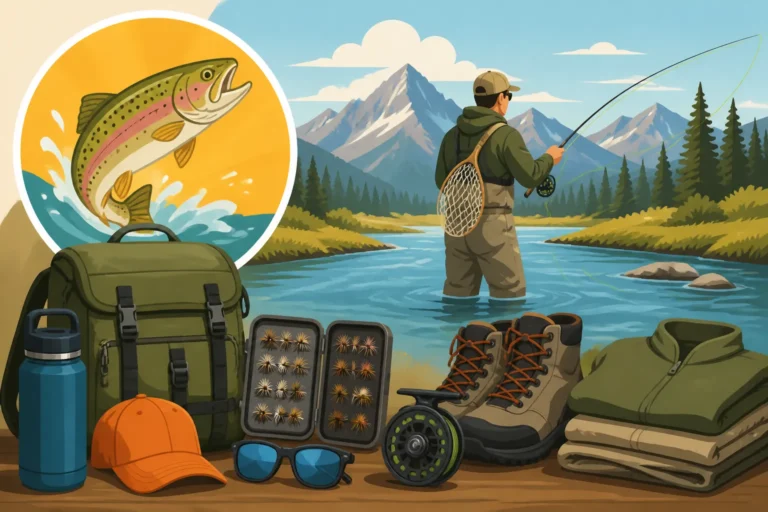
For Snake River cutthroat, a versatile fly rod setup is usually a 5 or 6-weight rod, typically 9 feet long. This size offers a good balance of power for casting larger dry-dropper rigs or streamers, while still being sensitive enough to enjoy fighting a feisty cutthroat. Pair this with a reliable reel that has a smooth drag system and is appropriately weighted to balance your rod. A floating line is essential for most dry fly and nymphing techniques. If you plan to throw larger streamers or target deeper fish, a sink-tip line might be beneficial to have on a spare spool or a second rod.
Spin fishing is also a viable option on many sections of the Snake, particularly for beginners or those who prefer it. A light-action spinning rod, around 6 to 7 feet, paired with a small spinning reel spooled with 6-8 pound test monofilament or fluorocarbon line works well. When bringing your own gear, especially if you're not on a guided trip, consider bringing a backup rod, even a cheap one, as accidents happen on the water, and a broken rod can end your day prematurely.
Flies and Lures: Matching the Hatch and Season
The Snake River is primarily a dry fly fishery, meaning cutthroat often rise to insects on the surface. Therefore, having a good selection of dry flies is crucial. Think about classic patterns like Parachute Adams, Royal Wulff, stimulators, and various caddis and mayfly patterns in sizes 12-18. Don't forget terrestrials like hoppers, ants, and beetles, which can be deadly in late summer and early fall. Often, a dry-dropper rig, with a small nymph (like a Pheasant Tail or Hare's Ear) suspended beneath a larger dry fly, is highly effective. Streamers, such as Woolly Buggers or articulated patterns, can also entice larger fish, especially brown trout, in deeper pockets or during overcast conditions.
For spin anglers, small inline spinners (Mepps, Panther Martin) or spoons in silver, gold, or brass finishes are effective. Small jerkbaits or soft plastic swimbaits mimicking minnows can also work. Always check the current Wyoming Fishing Regulations Every Angler Should Know for any bait restrictions or specific lure requirements on the section of the Snake River you plan to fish, as some areas may have barbless hook rules or restrictions on lead weights. Consider what time of year you're fishing; you can find more specific seasonal advice in Wyoming Fishing Seasons Month by Month.
Safety and Comfort: Waders, PFDs, and Essentials
Beyond your fishing tackle, personal safety and comfort items are non-negotiable. If you plan to wade, breathable chest waders and sturdy wading boots with good ankle support are essential, even in summer, as the water is cold. A personal flotation device (PFD) is mandatory for everyone on a float trip and should be worn at all times while on the boat. Most guides provide PFDs, but if you're going DIY, bring your own.
Other essentials include polarized sunglasses to protect your eyes and help you spot fish, a wide-brimmed hat, sunscreen, insect repellent, and plenty of water. Pack layers of clothing, even on sunny days, as mountain weather can change rapidly. Rain gear (jacket and pants) is a must. A small first-aid kit, a whistle, and a knife are also smart additions. Don't forget your camera for those incredible scenic shots and photos of your catch. If you're using a guide service, confirm What to Bring on a Guided Wyoming Fishing Trip beforehand, as they often have specific recommendations.
Navigating Seasons and Conditions on the Snake River
The Snake River, like all wild waterways in Wyoming, is deeply affected by the rhythm of the seasons. Each time of year presents its own unique challenges and rewards for anglers. Understanding these seasonal shifts and how to adapt your approach can significantly impact your success and enjoyment on a float trip. What works in June might be completely different from what works in September, and being prepared for these changes is part of the adventure.
Spring Fishing: Early Season Opportunities
Spring on the Snake River can be a bit of a gamble, but when it pays off, it can be spectacular. Early spring, before the peak snowmelt, can offer excellent fishing opportunities with hungry trout eager to feed after a long winter. The water levels are often lower and clearer than during full runoff, making for easier wading and more predictable drifts. Subsurface nymphing can be particularly effective, as insects like midges and stoneflies become more active.
However, as spring progresses, runoff from the high country begins. This influx of snowmelt causes the river to rise, become colder, and often turn murky. Fishing during heavy runoff can be challenging, as fish tend to hug the banks and visibility is reduced. While some anglers find success with large streamers or nymphs fished close to the bottom, many guides will advise against floating during the heaviest runoff periods due to safety and limited fishing productivity. Flexibility is key; always check current river conditions before planning a spring trip.
Summer's Peak: Dry Fly Action and Hatches
Summer is arguably the most popular time for float trips on the Snake River, and for good reason. As the runoff subsides (typically by late June or early July), the river clears and settles into its summer flow, ushering in prime dry fly fishing season. This is when the famous salmonfly, golden stonefly, caddis, and various mayfly hatches occur, bringing eager cutthroat to the surface. Floating during a prolific hatch, watching trout rise aggressively to your dry fly, is an experience that keeps anglers coming back year after year.
Warm, sunny days are perfect for floating, but remember that the river is often busier. Early mornings and late evenings can be particularly productive as fish become more active in cooler temperatures and lower light. Focus on foam lines, current seams, and structure where fish might be holding, waiting for an easy meal. This is a fantastic time to hone your dry fly presentation skills, casting with precision to rising fish. For specific strategies, look into Dry Fly Fishing on the North Platte River (many principles apply to the Snake) and Matching the Hatch on Wyoming Rivers.
Fall: Browns, Kokanee, and Cooler Temps
As summer transitions into fall, the Snake River undergoes another transformation, offering some of the most rewarding and visually stunning fishing of the year. The crowds thin out, the cottonwoods turn golden, and the air takes on a crisp, invigorating chill. Water temperatures begin to drop, which can trigger feeding frenzies among trout preparing for winter. This is a prime time for streamer fishing, as larger brown trout become more aggressive and predatory, particularly as they prepare for their spawning run.
Additionally, fall brings the vibrant run of Kokanee Salmon into certain sections of the Snake, particularly those connected to reservoirs like Jackson Lake. While Kokanee aren't typically targeted with traditional fly fishing methods on the river, their presence is a spectacle, and they attract larger predatory fish. Late fall can also see a resurgence of prolific nymphing as hatches become less consistent. Floating the Snake in October, with the Tetons dusted with fresh snow and the river quiet, is a truly magical experience.
Dealing with Runoff and Water Fluctuations
One of the biggest challenges on any Wyoming river, including the Snake, is managing expectations around runoff and water fluctuations. Heavy snowpack in the mountains means a longer, more intense runoff period, often making the river unfishable from late May through most of June. Conversely, a low snowpack year can mean an earlier start to prime fishing but also potentially lower, warmer water later in the summer, which can stress trout.
It’s crucial to monitor real-time flow data from resources like the U.S. Geological Survey (USGS) and local fishing reports. If you've booked a guided trip, your outfitter will keep you informed and may suggest alternative waters if the Snake becomes unfishable. For DIY trips, understanding how to read the water during different flow regimes is critical for both safety and fishing success. High water often means fish move to slower, shallower edges; low water means they seek deeper pools and shade. Reading Riffles and Runs on Wyoming Trout Streams can provide excellent insight into interpreting river conditions.
Key Access Points and Productive Stretches
The Snake River winds its way through diverse landscapes, offering various floatable sections, each with its own character and fishing opportunities. Knowing where to put in and take out, and what to expect from different stretches, is vital for planning a successful float trip. Whether you're aiming for scenic beauty within a national park or seeking trophy fish in less-traveled areas, the Snake has a section for you.
Grand Teton National Park Sections
Floating within Grand Teton National Park is an iconic experience, offering unparalleled views of the Teton Range and abundant wildlife. This section of the Snake River is renowned for its pristine beauty and its strong population of native cutthroat trout. Popular put-in points include Pacific Creek or Deadman's Bar, with take-outs at Moose Landing or the Teton Park Road bridge. These floats are typically calm to moderately challenging, making them suitable for many skill levels, though a guide is highly recommended due to the park's unique regulations and the sensitive environment.
Fishing within the park comes with specific rules, and often a park-specific permit in addition to your Wyoming Fishing License Guide for Nonresidents. It's primarily a fly-fishing-only, catch-and-release area for many stretches, emphasizing conservation of the native cutthroat. The scenery is simply breathtaking, with opportunities to spot moose, elk, eagles, and even bears from the river. While the fish might not always be the largest, the overall experience of fishing in such a majestic setting is truly incomparable. For more detailed information on park fishing, check out Fishing Spots Inside Grand Teton National Park, Wyoming.
Public Access Below Grand Teton
Once the Snake River flows out of Grand Teton National Park, it enters areas with more varied public access and different regulations. Stretches south of Jackson Hole, towards the town of Alpine and the confluence with the Hoback River, offer excellent floating for both fly and spin anglers. Popular put-ins and take-outs include South Park, Wilson, and various Wyoming Game and Fish Department access sites. These sections often feature a mix of public and private lands, so understanding access easements is important.
These lower sections can hold a mix of fish, including strong populations of Snake River Cutthroat, and some brown trout, especially further downstream. The river here often has more braided channels and slightly faster currents than within the park, providing diverse holding water and exciting drifts. It's also where you might find opportunities for wade-fishing from gravel bars or islands, giving you a chance to stretch your legs and target specific runs. These stretches are generally more accessible for DIY floaters, though a guide can still unlock the best fishing secrets.
Upper vs. Lower River Considerations
The "Upper Snake" typically refers to the river sections within or immediately surrounding Grand Teton National Park, often characterized by its stunning mountain backdrop and emphasis on native cutthroat. These waters tend to be clearer and have more consistent flows due to the influence of Jackson Lake. Regulations here are often more restrictive, focusing on catch-and-release and fly-fishing only to protect the native fish. This is the quintessential picturesque float trip, ideal for those prioritizing scenery and the classic dry fly experience.
The "Lower Snake" generally refers to the river south of Jackson, flowing towards Idaho. These sections can be larger, with more complex currents and braided channels. While still beautiful, the landscape gradually shifts from towering peaks to more rolling hills and cottonwood galleries. Here, you might encounter a wider variety of fish species, and regulations might be less restrictive, allowing for spin fishing and bait fishing in certain areas (always check the current regulations!). The fishing pressure can be different, and the experience might feel a bit wilder, less managed than within the national park. Your choice between upper and lower depends on your priorities: pristine views and native cutthroat or varied fishing and potentially more diverse species.
Booking Your Float Trip and What to Expect
Once you've decided on the type of float trip you want, the next crucial step is making it a reality. This involves finding a reputable guide or outfitter, understanding the necessary permits and licenses, and knowing what's typically included in a trip package. A little preparation here can save you a lot of headaches later and ensure you get the most out of your hard-earned fishing adventure.
Finding a Reputable Guide or Outfitter
If you're opting for a guided trip, selecting the right guide or outfitter is paramount. Look for operations with strong reputations, positive reviews, and extensive experience specifically on the Snake River. Ask about their licensing and insurance; all legitimate Wyoming guides and outfitters must be licensed. Platforms like FishingBooker can be an excellent resource for finding and comparing guides in the Jackson Hole area, often including reviews and details about their specialties.
Don't hesitate to call and speak with potential guides. Ask about their approach to fishing, their philosophy on catch and release, and what they expect from their clients. A good guide should be patient, knowledgeable, safety-conscious, and a good teacher, especially if you're a beginner. Ensure their style aligns with what you're looking for, whether it's a hardcore fishing day or a more relaxed scenic float with some angling opportunities. For a broader perspective, you might want to read How to Choose a Wyoming Fishing Guide.
Permits, Licenses, and Conservation Stamps
Regardless of whether you go guided or DIY, you will need a valid Wyoming fishing license. Non-residents have several options, including annual, daily, or five-day consecutive licenses. If you're planning a trip, be sure to check the Wyoming Fishing License Guide for Nonresidents to pick the right one for your duration. Additionally, a Wyoming Conservation Stamp is required for most fishing licenses, though there are specific instances when it's not needed. This stamp helps fund crucial wildlife conservation efforts across the state. Read about The Wyoming Conservation Stamp and What It Covers to understand its importance.
If your float trip takes you into Grand Teton National Park or Yellowstone National Park, you may also need a separate park-specific fishing permit. Guides operating commercially within these parks will have their own special permits, but individual anglers are still responsible for their state license and any required park permits. It's always best to purchase your license and stamp in advance, either online through the Wyoming Game and Fish Department website or from a licensed vendor, to avoid any last-minute stress.
Trip Inclusions and Angler Etiquette
When booking a guided float trip, clarify what is included in the price. Typically, a full-day trip will include lunch, non-alcoholic beverages, and all necessary fishing equipment (rods, reels, flies, leaders, tippet). PFDs are always provided. However, items like waders and wading boots are often not included, so confirm if you need to bring your own or arrange rentals. Gratuities for your guide are generally not included in the upfront cost but are highly appreciated if you had a good experience.
As an angler on a float trip, especially on busy rivers, a good understanding of etiquette is key. Always be mindful of other boats and anglers, giving them space. Practice good casting habits to avoid snagging trees or, worse, your guide. Listen to your guide's instructions; they're there to help you succeed and stay safe. Most importantly, handle fish gently, especially the native cutthroat, and practice Catch-and-Release Rules on Wyoming Waters whenever appropriate, ensuring they have the best chance of survival. Leave no trace behind, packing out everything you pack in, including any trash or discarded fishing line.
Conservation and Responsible Angling on the Snake River
The Snake River is a precious resource, and its health relies heavily on the responsible practices of every angler who casts a line in its waters. Our role as stewards is paramount, especially when it comes to protecting the native fish populations and maintaining the pristine environment that makes this river so special. Adopting a conservation-minded approach ensures that the Snake River will continue to offer incredible fishing experiences for generations to come.
Practicing Responsible Catch and Release
For many sections of the Snake River, particularly within Grand Teton National Park and on guide trips, catch and release is the prevailing ethic, and often a strict regulation. When practicing catch and release, the goal is to minimize stress and injury to the fish, giving them the best chance of survival. This means using barbless hooks (or crimping down barbs on your hooks), handling fish minimally and with wet hands, and keeping them in the water as much as possible.
If you must remove a fish from the water for a quick photograph, do so swiftly, supporting its body horizontally, and return it gently to the water. Revive tired fish by holding them gently in a current until they swim away under their own power. Avoid dragging fish through gravel or squeezing them. These simple practices significantly increase a fish's survival rate and are critical for maintaining healthy fish stocks, especially for vulnerable native species like the Snake River Fine-Spotted Cutthroat.
Protecting the Native Cutthroat Population
The Snake River Fine-Spotted Cutthroat is a true gem, a testament to Wyoming's wild heritage. They are also a species that requires careful management and protection. Habitat degradation, invasive species, and angling pressure can all impact their populations. By adhering strictly to bag limits, practicing careful catch and release, and supporting conservation efforts, anglers play a vital role in ensuring their future.
Learning to properly identify Snake River Fine-Spotted Cutthroat Trout is also important, as it helps in making informed decisions about retention (if allowed) and ensuring you're not mistakenly keeping a protected or smaller-sized fish. Support organizations that work to protect and restore cutthroat habitat. Every thoughtful action on the water contributes to the overall health and resilience of this remarkable native fish.
Minimizing Your Impact: Leave No Trace
The principles of "Leave No Trace" are fundamental to responsible angling on the Snake River. This means packing out everything you pack in, including all trash, food scraps, and even fishing line fragments. Dispose of human waste properly, away from water sources, and pack out any toilet paper. Avoid trampling riparian vegetation, which is critical for bank stability and insect habitat.
If you stop for lunch or to stretch your legs, choose durable surfaces like sand or rock, and avoid making new trails. Respect wildlife by observing them from a distance and never approaching or feeding them. Be considerate of other river users, whether they are other anglers, boaters, or wildlife viewers. Your actions reflect on the entire angling community, and by leaving the Snake River as pristine as you found it (or even better), you help preserve its beauty and fishing quality for everyone who follows.
Disclaimer
This article is for general informational purposes only and does not constitute professional advice. Laws, prices and regulations vary by location and change over time. Consult a qualified professional for guidance on your specific situation.