Does a Guided Trip Include Gear and Waders?
One of the biggest anxieties when planning a guided fishing trip to the majestic waters of Wyoming, especially for first-timers or those traveling from afar, often revolves around gear: "Do I need to haul all my heavy rods, reels, and those bulky waders with me, or does the guide provide everything?" It's a valid concern, impacting your packing list, travel logistics, and even the overall cost. This guide will meticulously break down what you can typically expect your Wyoming fishing guide to provide, what you'll most likely need to bring yourself, and how to get crystal-clear answers before you ever leave home.
The Core Equipment: What Your Guide Almost Always Provides
When you book a guided fishing trip, particularly for species like the various trout found across Wyoming's rivers and lakes, you're not just paying for expertise; you're also often paying for access to high-quality, specialized equipment. Reputable guides invest heavily in their gear to ensure their clients have the best possible chance at a successful and enjoyable day on the water.
Rods, Reels, and Terminal Tackle: Ready for Action
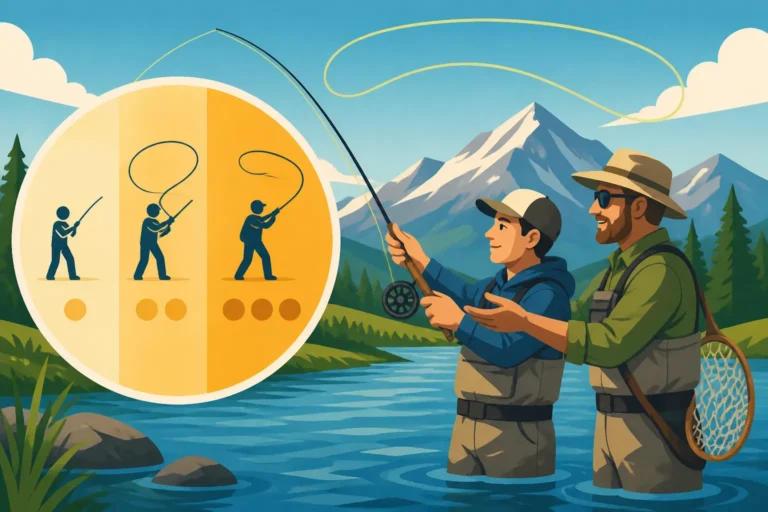
For the vast majority of guided fishing trips in Wyoming, your guide will supply the rods, reels, and all the essential terminal tackle. This is a huge relief for many anglers, especially if you're flying in and don't want to risk damaging expensive gear in transit, or if you simply don't own the specific type of setup needed for, say, nymphing a deep run on the North Platte River or trolling for lake trout in Flaming Gorge. Think about it: a dedicated fly fishing guide on the Snake River will have multiple rod weights (perhaps a 5-weight for dry flies and a 6-weight for streamers) already rigged and ready for different conditions or techniques. Similarly, a spin fishing guide targeting walleye on Boysen Reservoir will have appropriate medium-heavy rods and reels spooled with the right line for jigging or casting crankbaits.
"Terminal tackle" is a broad term, but it generally includes things like leaders, tippets, swivels, weights, bobbers (or strike indicators), and even the specialized tools needed for knot tying or unhooking fish. Guides carry a vast array of these items because conditions can change rapidly in Wyoming, and they need to adapt quickly. They’ll have the right fluorocarbon tippet strength for spooky trout in clear water, or heavy mono leaders for abrasion resistance around rocky structure when chasing walleye. This also saves you money on consumables that can add up quickly. It's often one of the key benefits of booking a professional guide – they have the inventory and knowledge to change tactics on the fly, without you needing to carry a tackle shop on your back.
Flies, Lures, and Local Wisdom
Another significant inclusion on most guided trips is the provision of flies, lures, or bait. This is where your guide's local expertise truly shines. Wyoming waters, from the tiny alpine streams to the vast reservoirs, have constantly changing conditions, and fish can be incredibly finicky. What was working yesterday might not even get a sniff today. Your guide lives and breathes these waters; they know the current hatches on the Green River, the preferred colors for a spinnerbait at Glendo Reservoir, or the specific cut bait that Lake Trout are hitting at Jackson Lake. Best Wyoming Fly Patterns for Cutthroat Trout is something a good guide will have dialed in for the specific time of year and water conditions.
Imagine trying to pack enough fly boxes to cover every possible insect hatch you might encounter over several days, or a lure box with every color and depth for reservoir fishing. It would be a monumental task! Guides typically stock a massive selection of patterns and presentations, often tied or chosen specifically for their local waters. They'll also account for lost flies or lures – a common occurrence when fishing technical water or battling big fish. This takes a huge burden off your shoulders and ensures you're always fishing with the most effective presentations available. This is especially important when fishing specific regulations, like needing barbless hooks on certain stretches of the North Platte, which your guide will certainly have on hand.
Safety First: Boats, PFDs, and Emergency Gear
This might seem obvious, but it's crucial to remember that your guide provides the vessel for your fishing adventure, whether it's a drift boat, a McKenzie-style boat, a raft for river trips, or a powerful motorboat for reservoir excursions. These aren't just any boats; they're often custom-rigged for fishing, equipped with comfortable seating, casting platforms, and storage for gear. Along with the boat, your guide is legally and ethically obligated to provide all necessary safety equipment.
This includes U.S. Coast Guard-approved Personal Flotation Devices (PFDs, or life vests) for every person on board. While they might have different sizes, if you have a very specific fit requirement or prefer your own high-end PFD, it's always wise to inquire. Beyond PFDs, guides will typically carry emergency kits, first aid supplies, throw bags, spare oars, and sometimes even satellite communication devices, especially when heading into more remote areas like the Wind River backcountry. Their primary concern is your safety, and they are trained in what to do should an unforeseen situation arise. Understanding that your guide handles this critical aspect can give you immense peace of mind.
Personal Comfort and Protection: The Waders and Wardrobe Question
While guides are fantastic about providing the essential fishing equipment, there's a distinct line when it comes to personal items, particularly clothing and footwear. This is where the responsibility typically shifts to you, the angler, to ensure you're prepared for Wyoming's often unpredictable weather and water conditions.
Waders and Boots: The Often-Missing Link
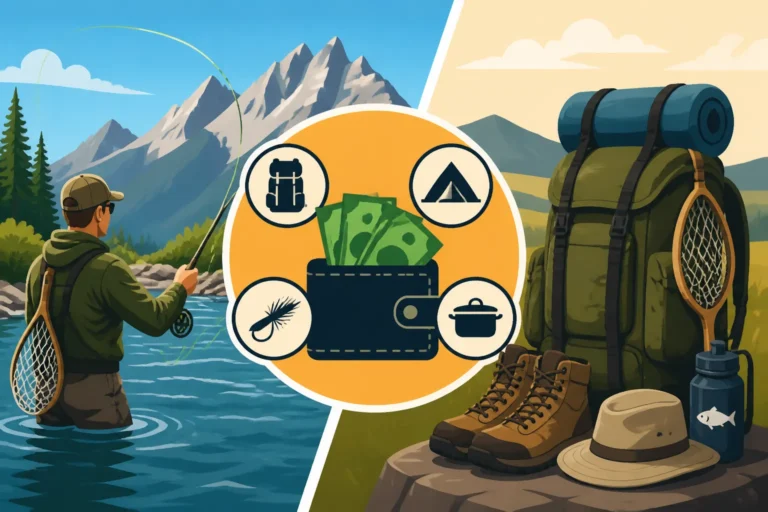
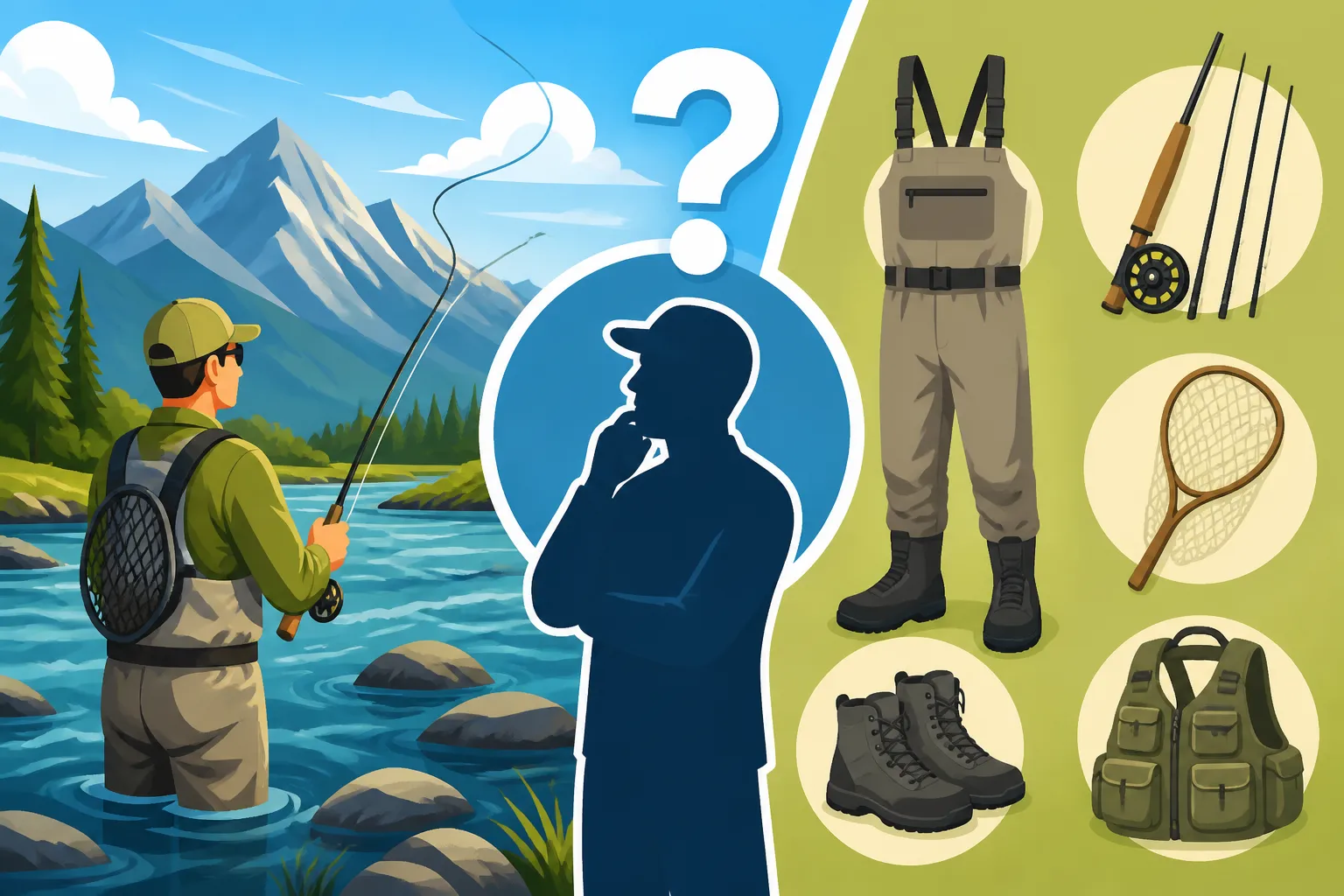
Here’s the deal: more often than not, your guided fishing trip will NOT include waders and wading boots. This is a frequent point of confusion for clients, but there are several very good reasons why guides generally don't provide them. First and foremost is hygiene. Waders are personal items that come into direct contact with skin and can harbor bacteria if not properly cleaned and dried between uses. Sharing them can be unappealing and potentially unsanitary. Second, fit is absolutely critical. Ill-fitting waders can be incredibly uncomfortable, restrict movement, and even be dangerous if they fill with water. Everyone's body is different, and what fits one person won't fit another. Guides would need an enormous inventory of sizes, boot types, and styles to accommodate every client, which simply isn't practical.
However, there can be exceptions. Some guides, particularly those specializing in beginner trips or those who offer Kid-Friendly Fishing Guides in Jackson Hole, might have a limited selection of loaner waders for small children or for clients who genuinely couldn't bring their own and have made prior arrangements. Others may partner with local fly shops that offer wader rentals for a daily fee. Always, always confirm this before your trip. If you're planning a Wade Trips vs Float Trips in Jackson Hole, Wyoming, waders are absolutely essential, and you should plan to bring your own or arrange a rental in advance. Don't assume they'll be there, because most often, they won't be.
Why Personal Attire Matters Most
Wyoming's weather can be notoriously fickle, changing from bright sunshine to hail and back again within an hour, even in summer. This is why having the right personal attire, especially layers, is paramount. Your guide will expect you to arrive dressed appropriately for the day's conditions, which means being prepared for anything. This isn't just about comfort; it's about safety. Hypothermia is a real concern if you get wet in cold weather and aren't properly insulated.
Consider a typical spring day on the Shoshone River: you might start with frost on the ground, need a warm base layer, a fleece, and a waterproof jacket. By midday, the sun could be blazing, requiring you to shed layers down to a light, breathable shirt. A good guide can provide some rain gear in a pinch, but they aren't equipped to outfit you for an entire day's wardrobe fluctuations. Packing items like moisture-wicking base layers, insulating mid-layers (like fleece), and a reliable waterproof and windproof outer shell is critical. Even in summer, evenings can get chilly quickly, especially at higher elevations or on open reservoirs. What to Wear on a Wyoming Guided Fishing Trip is a comprehensive checklist you should review well before your departure.
Specialized Apparel: Beyond the Basics
While general layering is important, some anglers might require or prefer more specialized apparel that guides definitely won't provide. This could include things like fingerless gloves for dexterity in cold weather, sun gloves to prevent burning on bright days, or specific wide-brimmed hats for maximum sun protection. Some anglers prefer specific polarized sunglasses, which are invaluable for spotting fish and reading water, especially on clear trout streams. Your guide might have a spare pair of cheap sunglasses if you forget yours, but they won't have high-end optics tailored to your prescription or preferences.
For those venturing into colder seasons, What to Wear Ice Fishing in Wyoming involves even more specialized cold-weather gear, from insulated overalls to thermal boots. While a guided ice fishing trip might include a heated shelter and an auger, it's still entirely on you to ensure your personal warmth and safety gear are up to par for extreme cold. These choices are deeply personal and impact your comfort and effectiveness, so investing in your own specialized apparel is always a good idea.
Your Checklist: What to Pack for a Seamless Experience
So, with the understanding that the guide provides the fishing tools, and you handle the personal comfort and legal necessities, let's create a clear picture of what you should always plan to bring on your guided Wyoming fishing adventure.
Essential Personal Items: Don't Leave Home Without Them
These are the non-negotiables, the items that will ensure your personal well-being and enjoyment throughout the day. Forgetting any of these can significantly detract from your experience:
- Sunscreen and Lip Balm: Wyoming's high altitude means intense UV exposure, even on cloudy days. Protect your skin!
- Hat: A brimmed hat offers protection from the sun, rain, and stray hooks.
- Polarized Sunglasses: Crucial for eye protection, reducing glare, and spotting fish.
- Water Bottle/Hydration: Staying hydrated is incredibly important, especially when exerting yourself at altitude. While your guide might have some water, bringing your own refillable bottle is smart.
- Snacks/Lunch: Most full-day guided trips will include lunch, but always confirm. Even so, bringing extra snacks for energy is a great idea. If your trip is a half-day, definitely plan your own sustenance.
- Rain Gear: Even if the forecast is clear, a lightweight, packable rain jacket and pants are a must. Pop-up storms are common.
- Layers of Clothing: As discussed, prepare for rapid temperature changes. Think base layers, a fleece or insulated jacket, and a waterproof outer shell.
- Camera/Phone: To capture those memorable moments (just be mindful of keeping it dry and secure).
Documents and Permits: The Legal Must-Haves
This section cannot be stressed enough: your fishing license is your responsibility. Guides are legally prohibited from allowing you to fish without one, and they cannot typically sell you one on the spot. Do You Need Your Own Fishing License for a Guided Trip? The short answer is unequivocally YES. Here's what you need:
- Wyoming Fishing License: Purchase this before your trip. You can often buy it online through the Wyoming Game and Fish Department website or from authorized vendors like sporting goods stores and some convenience stores. Make sure it's valid for the dates you'll be fishing and covers all the species you intend to target. Whether you need a Wyoming Resident Fishing License Cost or a Wyoming Nonresident Fishing License Cost, buy it in advance.
- Wyoming Conservation Stamp: Many types of fishing licenses require an accompanying Conservation Stamp. Check if your license option mandates this. Who Needs Wyoming's Conservation Stamp explains the specifics.
- Photo ID: Always carry a valid photo ID, as it may be required to verify your license.
- National Park Passes (if applicable): If your guided trip takes place within Grand Teton or Yellowstone National Park, you'll need the appropriate park entrance pass, as your guide typically won't cover this. This is separate from your fishing license. Do You Need a Wyoming License to Fish in Grand Teton National Park? provides specific details for that area.
Your guide will usually confirm your license status at the start of the trip, but it's your job to arrive with the proper documentation. Fishing without a valid license can result in significant fines and an abrupt end to your day on the water.
Optional Gear for the Keen Angler
For those who are particular about their gear or want to bring a little something extra, here are some items that are generally fine to bring, provided you clear them with your guide beforehand:
- Your Favorite Rod/Reel: If you have a specific setup you love to fish with, or perhaps a lucky rod, most guides are happy for you to bring it along, assuming it's appropriate for the target species and conditions. However, be prepared to use the guide's gear if yours doesn't match the technique they know will be most effective.
- Personal Fly Box/Lure Kit: While your guide provides flies and lures, you might have a few "confidence patterns" or custom ties you want to try. Again, discuss this with your guide. They might even be interested in seeing what you've got!
- Personal Fishing Tools: Items like forceps, nippers, or a line cleaner that you're accustomed to using.
- Waterproof Bag/Dry Bag: For personal items like your phone, camera, and extra layers that absolutely must stay dry. While guides usually have some dry storage, dedicated personal dry bags are a good idea.
| Item Category | Typically Included by Guide | Typically Provided by Angler | Notes |
|---|---|---|---|
| Rods & Reels | Yes | No (unless preferred) | Guide provides appropriate gear for target species/techniques. |
| Flies, Lures, Bait | Yes | No (unless preferred) | Guide provides current, effective patterns/presentations. |
| Terminal Tackle | Yes | No | Leaders, tippet, weights, indicators, etc. |
| Boat/Raft | Yes | N/A | Vessel, motor, oars. |
| Life Vests (PFDs) | Yes | No (unless preferred) | USCG-approved, various sizes. |
| Waders & Boots | Rarely | Yes | Crucially, confirm if any rentals are available beforehand. |
| Fishing License | No | Yes | Must be purchased by the angler in advance. |
| Conservation Stamp | No | Yes | Required with many licenses; purchase with license. |
| Photo ID | No | Yes | For license verification. |
| Layers of Clothing | No | Yes | Be prepared for varying weather (base, mid, outer shells). |
| Rain Gear | No (some guides may have limited spares) | Yes | Essential for unexpected Wyoming weather. |
| Hat & Sunglasses | No | Yes | Sun protection and eye safety. |
| Sunscreen/Lip Balm | No | Yes | High altitude UV protection. |
| Water & Snacks | Yes (lunch often on full-day trips) | Yes (extra personal items) | Always bring extra personal hydration and snacks. |
| Camera/Phone | No | Yes | Keep dry and secure. |
Confirming Details: Avoiding Surprises Before Your Trip
The absolute best way to ensure you're perfectly prepared for your guided fishing trip and avoid any last-minute stress is to communicate clearly with your guide or outfitter before your departure. Don't leave it to chance!
Direct Communication is Key
Once you've booked your trip, most guides or outfitters will send a confirmation email or provide a direct contact number. This is your opportunity to ask any and all questions you have about what's included. Don't be shy! A professional guide wants you to have a great time, and that means being well-prepared and comfortable. You might ask:
- "Do you provide waders and boots, or should I bring/rent my own?"
- "What type of rods and reels will we be using, and can I bring my own 6-weight if I prefer?"
- "Is lunch included, or should I pack a meal?"
- "What kind of weather should I prepare for, and is there any specific clothing you recommend?"
- "Where exactly do we meet, and what time?"
Getting these answers directly from your guide will eliminate any guesswork and allow you to pack appropriately. They can offer invaluable insights into current conditions and what specific gear will be most beneficial. Often, they'll have a pre-trip checklist they can send you, or they'll be happy to walk you through everything over the phone.
Leveraging Online Platforms for Information
Many reputable outfitters and individual guides list their services on online booking platforms. A great example is FishingBooker, where guides often have detailed profiles outlining exactly what is included in their trip packages. When browsing for a trip, pay close attention to the "Inclusions" or "What's Provided" sections. These descriptions will typically specify if rods, reels, tackle, and flies are covered, and crucially, if waders are available for rent or are expected to be brought by the client.
Using platforms like FishingBooker allows you to compare guides not just on price and location, but also on the level of provision they offer. If you see a guide explicitly stating they have "all fishing gear provided" but no mention of waders, it's a strong indicator you'll need your own. Conversely, if a specific trip is aimed at beginners and mentions "wader rental available," then you know you have that option. Always cross-reference the information on FishingBooker or similar sites with a direct email or phone call to the guide for absolute clarity, especially on potentially ambiguous points. This ensures you're on the same page and can focus on the excitement of fishing the legendary waters of Wyoming! How to Choose a Wyoming Fishing Guide involves paying close attention to these kinds of details.
Ultimately, while guided fishing trips in Wyoming are designed to make your angling experience as seamless and productive as possible, they operate on a shared responsibility model. Your guide will arm you with their expertise, boat, and the core fishing equipment, but it's up to you to arrive prepared with your personal layers, sun protection, and most importantly, your valid fishing license. A little preparation and clear communication go a long way in ensuring your Wyoming fishing adventure is everything you dreamed of and more.
Disclaimer
This article is for general informational purposes only and does not constitute professional advice. Laws, prices and regulations vary by location and change over time. Consult a qualified professional for guidance on your specific situation.