Maximum Group Size for a Wyoming Guided Float
Planning a group fishing trip to Wyoming, especially for a guided float, can sometimes feel like trying to herd wild horses into a corral – you know you want everyone to have a great time, but figuring out the logistics of how many people can actually fit in a boat with a guide can be surprisingly tricky. You don't want to get to the boat ramp only to find out your party of five needs two boats when you only booked one! This guide is here to clear up the confusion surrounding maximum group sizes for guided float trips across Wyoming's incredible rivers and reservoirs, ensuring your outing is smooth sailing from start to finish.
Understanding Wyoming's Guiding Regulations for Group Size
When you're dreaming of floating down a pristine Wyoming river, casting flies or lures, it's easy to just picture your whole crew in one big boat. However, the reality of guided float trips is rooted in specific regulations designed to ensure safety, preserve the environment, and provide a quality experience for everyone. These aren't just arbitrary rules; they're thoughtfully put in place by the Wyoming Game and Fish Department and other land management agencies.
Why Group Sizes Matter to the Regulators
From a regulatory standpoint, limiting group sizes on guided floats is critical for several reasons. First and foremost is safety. Overloading a drift boat or raft, especially on dynamic river systems like the Snake River or the North Platte, isn't just uncomfortable—it can be downright dangerous. Currents, submerged obstacles, and even just the act of standing and casting require stability, and too many people can compromise that. Beyond safety, there's the environmental impact. Concentrating too many anglers in one spot, or having too many boats in a specific river section, can stress fish populations and sensitive riparian habitats. Regulators are always trying to strike a balance between allowing access and protecting these invaluable natural resources. Lastly, and perhaps most importantly for your experience, is the quality of the trip itself. A guide's primary role is to help you find fish, provide instruction, and ensure a memorable day. This becomes nearly impossible if they're constantly navigating a crowded boat, untangling lines, and trying to manage too many different skill levels at once. These limits, therefore, ultimately benefit you by preserving the angling experience.
The Role of the Outfitter and Guide License
In Wyoming, anyone who guides for a fee needs to be properly licensed as an outfitter and guide. This isn't just a piece of paper; it comes with responsibilities and, yes, limitations. These licenses, often issued by the Wyoming Board of Outfitters and Professional Guides, frequently specify the scope of operations, including the number of clients a guide can take out. Furthermore, if your guided float trip takes place on federal lands, like those managed by the Bureau of Land Management (BLM) or the U.S. Forest Service, the outfitter will also need specific permits for those areas. These federal permits can often have even more stringent rules regarding client-to-guide ratios and overall group sizes to protect sensitive ecosystems or reduce congestion. For example, a guide operating on a designated wild and scenic river might have stricter limits than one on a larger, more accessible reservoir. So, when you're looking into Hiring a Fishing Guide in Wyoming, remember that their licensing and permits are a big part of why certain group sizes are enforced.
Typical Group Size Restrictions for Drift Boats and Rafts
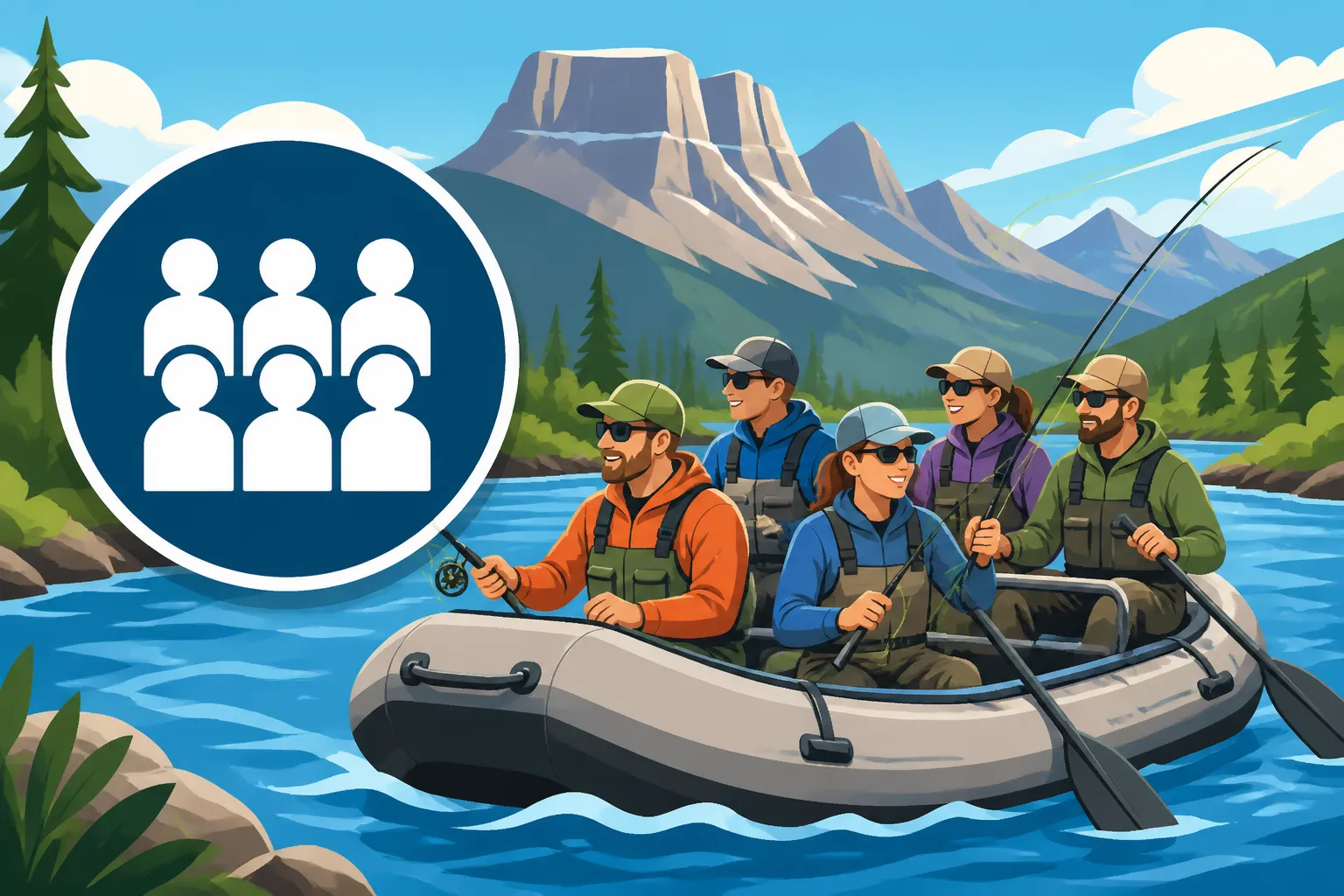
For most guided float trips in Wyoming, whether you're in a classic drift boat or a more robust raft, you'll generally find that the sweet spot for anglers is two, sometimes three, per boat, plus the guide. This isn't a hard and fast rule for every single outfitter or water body, but it's an industry standard that prioritizes both safety and fishing effectiveness.
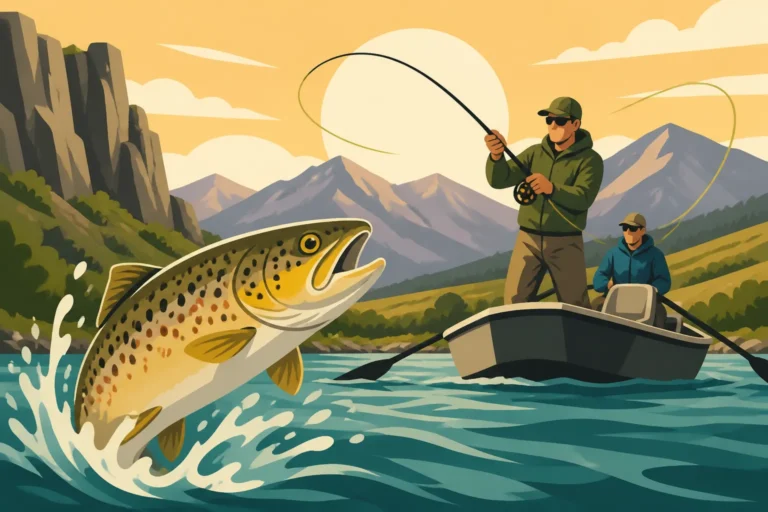
Think about it: in a typical 16-foot drift boat, designed for navigating rivers, there's usually a front and back casting position. Two anglers can comfortably fish from these spots, with the guide operating oars or a motor from the center. Adding a third angler, while sometimes legally permissible, often means one person is sitting in a less advantageous position, or everyone feels a bit cramped. For more relaxed trips, perhaps on a larger, slower river stretch or a small lake where active casting isn't constant, some outfitters might accommodate three anglers. However, for serious fishing, especially fly fishing where long casts and quick hook sets are key, two anglers per boat is almost universally preferred for a truly optimal experience.
Factors Influencing Your Group's Guided Float Experience
While regulations set the baseline, there are other practical considerations that come into play when deciding on the "right" group size for your guided float trip. It's not just about what's allowed, but what makes for the best day on the water for everyone involved.
The Practicalities of Boat Capacity vs. Comfort
Even if a boat could technically hold four anglers plus a guide, the difference between capacity and comfort is monumental, especially when you're trying to fish actively. Picture this: four eager anglers, four sets of rods, four sets of lines, and four sets of elbows, all trying to occupy a relatively small space. Tangled lines become a constant battle, casting becomes an exercise in careful acrobatics, and the sheer joy of the experience can diminish rapidly.
A drift boat, typically open with elevated seats for casting, is designed for movement and space. With only two anglers, you have ample room to cast freely, move around to get a better angle, and even just stretch your legs. A third angler often means one person is sitting on a cooler or a more restricted bench, making active fishing less comfortable and efficient. This is particularly true for fly fishing, where a smooth, unimpeded backcast is crucial. For spin fishing, it might be slightly less critical, but still, nobody wants to be constantly ducking other people's lines. The guide's ability to maneuver the boat effectively and position you perfectly for a cast also becomes more challenging with a crowded deck.
Here's a quick look at the typical considerations:
| Boat Type | Legal Capacity (Anglers + Guide) | Optimal Comfort/Fishing (Anglers + Guide) | Common Activities |
|---|---|---|---|
| Standard Drift Boat | 3-4 + Guide | 2 + Guide | Fly Fishing, Spin Fishing on Rivers |
| Larger Fishing Raft | 4-5 + Guide | 2-3 + Guide | Spin Fishing, Scenic Floats, Less Technical Rivers |
| Smaller Power Boat | 2-3 + Guide | 2 + Guide | Trolling on Reservoirs, Fast River Access |
Different Water Types, Different Needs
The type of water you'll be floating also plays a significant role in what group size feels right. A narrow, technical trout stream, like some sections of the Encampment River, demands precise boat handling and tight casting. On such waters, even three anglers can feel like too many, as the guide needs maximum room to maneuver the oars and anglers need clear casting lanes to hit small pockets. The focus is on stealth and accuracy, which are harder to achieve with more commotion.
Contrast that with a wider, slower-moving stretch of a river like the Green River below Fontenelle Dam, or even a large reservoir. Here, there might be more room for multiple anglers to spread out, or the fishing technique might involve less active casting, such as trolling. On these larger bodies of water, a slightly larger group might be more manageable without sacrificing too much of the fishing experience. However, even on expansive waters, the guide's attention is a finite resource, and dividing it among too many people can still impact the learning and success of individual anglers. This is a good point to discuss with your outfitter when planning your Float Trips on Wyoming's Snake River or other destination.
The Guide-to-Angler Ratio for Quality Instruction
If you're heading out on a guided trip, chances are you're looking for more than just a boat ride; you're seeking expertise, local knowledge, and possibly some solid instruction. This is where the guide-to-angler ratio truly shines. For beginners, or anyone looking to hone their skills, having fewer anglers in the boat means more one-on-one time with your guide. They can offer personalized casting tips, help with fly selection, or patiently teach you how to read the water. When the guide is focused on just one or two individuals, the learning curve accelerates dramatically.
Imagine trying to learn a complex casting technique while the guide is also helping another angler untangle a bird's nest and shouting instructions to a third. It's simply not conducive to effective teaching. A lower ratio ensures that everyone gets the attention they need to improve their fishing and feel more engaged with the experience. This emphasis on individual attention is a hallmark of quality guiding in Wyoming, and it’s a major factor in what makes a guided trip worthwhile. When you're thinking about How to Choose a Wyoming Fishing Guide, consider what level of instruction you're hoping for.
Planning Your Group Float Trip in Wyoming
So, you've got your group together, and you're ready to hit Wyoming's incredible waters. Now it's time to translate those numbers into a successful booking. The key here is clear communication and understanding how outfitters typically handle different group sizes.
Communicating Your Group Size and Needs with Outfitters
The most important step is to be completely transparent with your chosen outfitter from the very first contact. Tell them your exact group size, including anyone who might just be riding along and not actively fishing. Also, share your group's experience level. Are you all seasoned anglers, or is this a trip for beginners who will need a lot of guidance? This information allows the outfitter to properly plan and staff your trip. If you have a party of four serious fly fishers, they'll know immediately that you'll need two boats and two guides for an optimal experience. Trying to squeeze everyone into one boat might seem like a cost-saving measure, but it often leads to a compromised experience.
Platforms like FishingBooker are excellent for this, as they allow you to specify your group size and even communicate directly with potential guides about your preferences before booking. This upfront conversation can prevent misunderstandings and ensure the outfitter is fully prepared to give your group the best possible day on the water. Many outfitters also ask about specific needs, like if anyone in your group has mobility issues or if you have any dietary restrictions for lunch, so be sure to share all relevant details.
Booking Multiple Boats for Larger Parties
If you have a larger group—say, four, five, or six anglers—the solution for a quality float trip is almost always to book multiple boats and guides. This might sound like more hassle or more expense, but it's genuinely the best way to ensure everyone gets a fantastic fishing experience. Imagine two drift boats floating down the North Platte's Miracle Mile, each with two anglers, a guide, and plenty of space. The guides can communicate with each other, sharing information about where the fish are biting or what flies are working.
Outfitters are well-versed in coordinating multi-boat trips. They'll arrange meeting points, launch times, and even lunches to keep the group cohesive while still providing that essential one-on-one guide attention within each boat. Booking this way ensures that each pair of anglers gets the full benefit of a dedicated guide, ample casting room, and a much more personal day on the water. When researching options, keep an eye on what's What's Included in a Wyoming Snake River Guided Float Trip or other waters, as lunch and gear are often part of the package. FishingBooker can help you explore availability and options for booking multiple guides for your preferred dates.
Cost Implications of Group Size
It’s important to understand the typical pricing structure for guided float trips. Most outfitters charge per boat, not per person. This means that whether you have one or two anglers in a drift boat, the price for that boat and guide generally remains the same. If you have three anglers, some guides might charge a small "third angler fee" to cover the extra gear, lunch, and perhaps a slight reduction in fishing efficiency.
Therefore, if you have a group of four and book two boats, you’ll effectively be paying for two separate guided trips. While this might seem like double the cost compared to trying to cram everyone into one boat, it’s a direct reflection of the personalized service, space, and safety you're receiving. Dividing the cost of two boats among four anglers often results in a very reasonable per-person price for a truly top-tier experience. Always confirm pricing when you're looking into What a Guided Wyoming Fishing Trip Costs to avoid any surprises.
Special Considerations and Exceptions
While the general rule of 2-3 anglers per boat holds true, there are a few scenarios where different considerations might apply. It's always best to discuss these specifics directly with your outfitter.
Youth and Family Trips
Bringing the whole family, including children, on a guided float trip is an amazing way to introduce them to the outdoors and the joy of fishing. However, how young children are factored into the "group size" can vary. Some guides might be more flexible with very young children who aren't actively casting, viewing them more as passengers. Other outfitters, especially those focusing on more intensive fishing, might still count every person toward capacity due to safety concerns or the need for each person to wear a life vest.
For family trips, especially with younger kids, communicate their ages and whether they'll be actively fishing or mostly observing. Many guides specialize in Kid-Friendly Fishing Guides in Jackson Hole or family-friendly trips, and they'll be able to advise you on the best setup, whether that means multiple boats or a larger, more stable raft. Also, remember to check Do Kids Need a Fishing License in Wyoming? and Youth Fishing License Rules in Wyoming well in advance, as even non-fishing passengers might need certain permits in some areas.
Non-Fishing Participants on a Float
Sometimes, you might have a member of your group who just wants to enjoy the scenery and the company without actually fishing. They're along for the ride, perhaps to take photos or simply relax. In these instances, whether they count towards the maximum group size is entirely up to the individual outfitter and the regulations for that specific body of water.
From a safety and capacity standpoint, any additional person in the boat typically takes up space and adds weight, so they will likely be counted. However, some guides might be more amenable to a non-fishing passenger, especially if it's a Scenic Float Trips vs Fishing Float Trips on Wyoming's Snake River type of arrangement. Always clarify this when booking, as it can directly impact the number of boats you'll need. Don't assume a non-angler doesn't count, as that could lead to an awkward situation at the launch.
National Park Regulations
Wyoming is home to parts of two incredible national parks: Yellowstone and Grand Teton. Fishing within these parks is an experience like no other, but it comes with its own unique set of rules and regulations, which can sometimes differ from statewide Wyoming Game and Fish Department rules. National Park Service (NPS) permits for fishing guides are often very specific about client-to-guide ratios and group sizes to protect sensitive park resources and manage visitor impact.
It's highly probable that guide services operating within Yellowstone National Park or Grand Teton National Park will have stricter or slightly different group size limits than those operating on state or BLM lands outside the parks. For instance, some park regulations might strictly limit the number of boats that can be on a particular lake or river section at any given time. Always ensure your guide is properly licensed for the specific park you intend to fish. If you're planning a trip, be sure to consult Fishing Rules Inside Yellowstone National Park and Fishing Rules Inside Grand Teton National Park for detailed information specific to those pristine waters. The permits they carry are a major factor in what they can offer.
Disclaimer
This article is for general informational purposes only and does not constitute professional advice. Laws, prices and regulations vary by location and change over time. Consult a qualified professional for guidance on your specific situation.