Best Guides Near Yellowstone’s South Entrance
Planning a fishing trip to the iconic waters near Yellowstone National Park's South Entrance can feel a bit overwhelming, especially if you're unfamiliar with the local regulations, the best spots, or simply how to make the most of your limited time. Many anglers dream of casting a line in these breathtaking landscapes but worry about wasting precious hours trying to figure it all out. This guide will help you understand why hiring a local fishing guide for this spectacular region is a game-changer and what to look for to ensure an unforgettable experience, making your Wyoming fishing adventure truly memorable.
Why a Fishing Guide Near Yellowstone's South Entrance is Essential
The area immediately surrounding Yellowstone National Park's South Entrance, particularly the Teton County and Jackson Hole region, is a complex web of unique fisheries, varied regulations, and ever-changing conditions. Trying to navigate this on your own, especially if you're visiting for the first time, can quickly turn a dream trip into a frustrating one. A seasoned local guide isn't just someone who knows where the fish are; they're an invaluable resource for everything from understanding the intricacies of the Snake River to identifying the best patterns for the day.
Navigating Complex Regulations and Special Permits
One of the biggest hurdles for any angler in this region is the sheer number of overlapping jurisdictions and specific rules. You're often dealing with waters managed by the Wyoming Game and Fish Department, the National Park Service (within Grand Teton National Park, which the South Entrance accesses), and even potentially tribal lands if you venture further south. Each entity has its own set of licenses, stamps, and specific regulations regarding bait, tackle, and catch limits. Trying to keep track of it all can be a headache, leading to accidental violations that could incur hefty fines.
A good guide, on the other hand, lives and breathes these rules. They'll ensure you have the correct Wyoming Fishing License Guide for Nonresidents or resident license, know whether you need a Wyoming Conservation Stamp Cost or if you're exempt, and will understand the nuances of specific waters, such as barbless hook requirements on certain sections of the Snake River. They handle the permit paperwork for operating within National Park boundaries if your trip includes those areas, saving you the hassle and ensuring you're fishing legally and responsibly. This peace of mind allows you to focus solely on the fishing experience itself, rather than worrying about compliance.
Unlocking Local Knowledge and Prime Fishing Spots
Beyond the regulations, the actual fishing itself in this area is highly nuanced. The rivers and lakes around the South Entrance, such as the Snake River, Jackson Lake, and the countless smaller streams and high-alpine lakes, all fish differently depending on the season, weather, water levels, and even time of day. What works one day might not the next. This is where a guide's local knowledge becomes truly invaluable. They spend countless hours on these waters, monitoring conditions, tracking fish movements, and experimenting with different techniques.
They know the hidden seams where trout hold, the deep pockets where trophy browns lurk, and the subtle currents that carry the best dry fly drifts. A guide can take you to spots you'd never find on your own, often away from the crowds, giving you a more intimate and productive fishing experience. Whether you're targeting native Cutthroat Trout Fishing in Wyoming in the Snake River or seeking out large Lake Trout Mackinaw Fishing in Wyoming in Jackson Lake, their insights into fish behavior and habitat will significantly increase your chances of success. They understand the hatches, the best lures, and when to switch tactics, turning a potentially slow day into a memorable one.
Maximizing Your Fishing Success and Experience
Ultimately, hiring a guide is about maximizing your time and enjoyment on the water. Instead of spending your first few days scouting access points or trying to decipher cryptic maps, you step onto the boat or into the waders with someone who has a plan and a proven track record. They provide top-notch gear, often including rods, reels, and flies or lures specifically tailored to the local conditions, saving you the expense and hassle of bringing or buying specialized equipment.
Furthermore, a guide acts as a patient instructor, offering tips on casting, reading the water, and proper fish handling techniques. This is particularly beneficial for beginners or those looking to refine their skills. They'll teach you about the local ecosystem, the history of the area, and even share stories that add another layer of richness to your adventure. You're not just fishing; you're gaining an education and making memories that will last a lifetime. Many reputable guides can be found through platforms like FishingBooker, which often include reviews and detailed profiles, helping you choose the perfect match for your trip.
What to Look for in a Fishing Guide Near Yellowstone's South Entrance
Choosing the right guide can make all the difference for your fishing trip near Yellowstone's South Entrance. This isn't just about finding someone with a boat; it's about selecting a professional who can provide a safe, enjoyable, and productive experience tailored to your preferences and skill level.
Experience and Local Expertise
The most crucial factor is a guide's experience, especially their knowledge of the specific waters you want to fish. Look for guides who have spent years working in the Jackson Hole and Grand Teton area. These guides will have an intimate understanding of the Snake River, its tributaries, and the various lakes like Jackson Lake. They'll know the seasonal patterns, the best times of day, and how to adapt to changing conditions. You want someone who can tell you not just where to cast, but why you're casting there and what you're trying to imitate.
Ask about their specialties. Do they focus on fly fishing for trout? Are they skilled at trolling for lake trout? Do they offer both wade and Float Trips on Wyoming's Snake River? A guide specializing in fly fishing for trout on rivers like the Snake will have different expertise than one who primarily runs powerboat trips for lake trout on large reservoirs. Platforms like FishingBooker allow you to filter guides by their specialties and the species they target, which can be incredibly helpful in narrowing down your options.
Necessary Licenses and Permits
Any legitimate guide operating in this region must possess the appropriate licenses and permits. This includes a Wyoming Game and Fish Outfitter license and, if they plan to take you into Grand Teton National Park, a special use permit from the National Park Service. Without these, they are operating illegally, which could jeopardize your trip and even lead to legal issues for you as the client. Don't be afraid to ask for proof of their licensing. Reputable guides will be proud to show you they operate legally and safely.
The National Park Service has strict regulations on commercial operations within park boundaries, so a guide with the necessary Grand Teton National Park permits ensures you're accessing those exclusive waters properly. This is particularly important for trips that might venture into areas like the Snake River within Grand Teton, or even Yellowstone Lake if your trip expands north of the south entrance. Knowing your guide is fully compliant means you're supporting ethical tourism and fishing practices.
Safety, Equipment, and Professionalism
Safety should always be a top priority. A professional guide will have up-to-date first aid and CPR certifications, carry a well-stocked first-aid kit, and ensure their boat and all equipment are in excellent working order. They should provide life jackets and give a thorough safety briefing. The quality of their fishing equipment – rods, reels, lines, flies, and lures – should also be high, as this directly impacts your fishing experience.
Beyond the tangibles, look for professionalism. This includes clear communication before, during, and after the trip, punctuality, and a positive, patient demeanor. A good guide isn't just a fishing expert; they're also a great host, making you feel comfortable and excited, regardless of your skill level. Reviews on sites like FishingBooker often highlight these aspects, giving you insights into other clients' experiences with a particular guide. Remember to inquire about What to Bring on a Guided Wyoming Fishing Trip beforehand, as many guides also provide essential items like snacks, drinks, and even lunch on full-day trips.
Types of Guided Fishing Trips Available Near Yellowstone's South Entrance
The diverse waters around Yellowstone's South Entrance and Jackson Hole offer a variety of guided fishing experiences, each with its own unique charm and target species. Understanding these options will help you choose the adventure that best suits your fishing style and goals.
Guided Float Trips on the Snake River
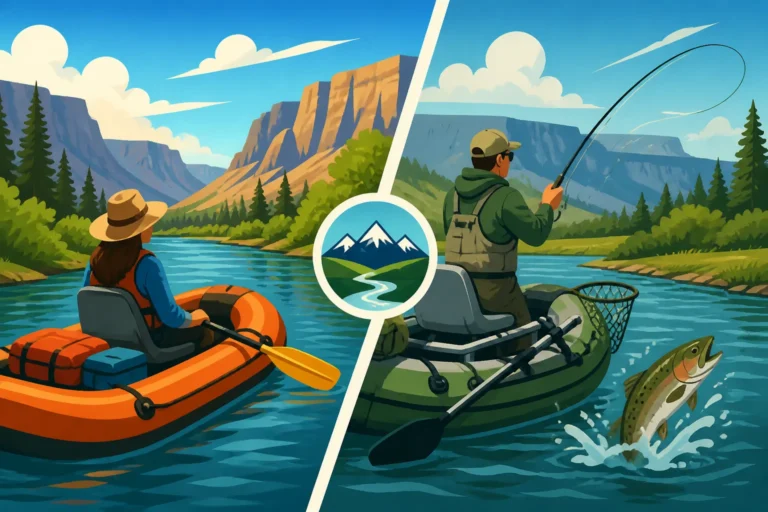
The Snake River, flowing through Jackson Hole and Grand Teton National Park, is perhaps the most iconic fishery in this region and offers incredible float trip opportunities. Guides typically use drift boats or rafts designed for navigating the river's currents, allowing anglers to cast to prime spots from a stable platform. These trips are fantastic for fly fishing and spin fishing alike, targeting native Snake River Fine-Spotted Cutthroat Trout. A typical day on the river can range from a half-day outing to a full-day excursion, sometimes including lunch provided by the guide.
Float trips are ideal for those who want to cover a lot of water, experience the stunning Teton scenery from a unique perspective, and enjoy a comfortable day of fishing without extensive wading. Many guides offer a blend of fishing and scenic viewing, making it perfect for families or groups with varying interests. You'll learn about reading the water, presenting flies or lures, and navigating river currents, all while soaking in the majestic views of the Teton Range. Guides on FishingBooker often specify if they offer half-day vs. full-day trips, and what's included in terms of gear and meals.
Guided Wade Trips
While float trips dominate much of the Snake River, wade trips are also a popular option, especially on smaller tributaries or specific sections of larger rivers where foot access is excellent. Wade fishing allows for a more intimate experience, letting you explore specific runs, riffles, and pools in detail. This technique is often preferred by fly anglers who enjoy the challenge of stealthily approaching fish and carefully presenting their flies.
Guides on wade trips will typically take you to public access points or private easements that offer fantastic bank fishing opportunities. They'll teach you how to move quietly, cast accurately in tight spots, and read subtle changes in water flow that indicate where fish might be holding. Wade trips can be less expensive than float trips, as they don't involve boat launch fees or the same level of equipment. They're also great for those who prefer to be physically immersed in the water and appreciate the quiet solitude of a mountain stream.
Guided Lake Fishing on Jackson Lake and Other Reservoirs
For those interested in targeting larger species or experiencing a different kind of fishing, guided lake trips on Jackson Lake within Grand Teton National Park, or even nearby reservoirs outside the park, are an excellent choice. Jackson Lake is renowned for its large Lake Trout Mackinaw Fishing in Wyoming, some of which can reach trophy sizes. Guides use specialized boats equipped with downriggers and sonar to locate deep-dwelling fish, often trolling with large lures or bait.
These trips are great for anglers looking for a big fight and the chance to land a truly massive fish. Lake trips can also target other species, such as kokanee salmon or even rainbow trout depending on the specific lake. A guide's expertise here is crucial for understanding the lake's vast depths, fish movements, and effective trolling patterns. They know where Jackson Lake's Record Lake Trout Was Caught and how to emulate those successful conditions. Booking a guide for lake fishing is highly recommended due to the specialized gear and knowledge required to fish these large bodies of water effectively.
Preparing for Your Guided Fishing Trip Near Yellowstone's South Entrance
Once you've booked your guide, a little preparation goes a long way in ensuring your trip is as smooth and enjoyable as possible. Knowing what to expect and what to bring will help you relax and focus on the fishing.
Essential Gear and Clothing
Your guide will likely provide the main fishing equipment, such as rods, reels, and tackle. However, there are some personal items you'll definitely want to bring:
- Layered Clothing: Wyoming weather can change rapidly, even in summer. Dress in layers that you can easily add or remove. Quick-drying fabrics are best.
- Rain Gear: Always pack a good quality waterproof jacket and pants, regardless of the forecast. A sudden mountain shower can pop up out of nowhere.
- Sun Protection: The high altitude means intense UV exposure. Bring a wide-brimmed hat, sunglasses (polarized are a huge plus for spotting fish), and high-SPF sunscreen.
- Footwear: For float trips, comfortable shoes that can get wet are good. For wade trips, wading boots and waders (if not provided by the guide) are essential. Even if you're not wading, waterproof shoes are a good idea.
- Camera: To capture the stunning scenery and your trophy catches. Just make sure it's waterproof or in a dry bag.
- Snacks and Water: While some guides provide lunch, it's always good to have extra snacks and plenty of water to stay hydrated throughout the day.
- Small Backpack or Dry Bag: To keep your personal items organized and dry.
Understanding License Requirements and What to Expect
Before your trip, confirm with your guide exactly what licenses and stamps you'll need. Typically, you'll need a Wyoming fishing license and a Wyoming Conservation Stamp. You can usually purchase these online through the Wyoming Game and Fish Department website before your trip, or sometimes at local tackle shops or even directly from your guide if they are an authorized vendor. It's always best to have this sorted out in advance to avoid any delays on the morning of your trip. Reviewing Wyoming Fishing Regulations Every Angler Should Know can also give you a good baseline understanding.
On the day of the trip, be punctual. Your guide will likely have a specific meeting point and time. Listen carefully to their safety briefing and any instructions they provide throughout the day. Remember that fishing is called fishing, not catching! While guides work incredibly hard to put you on fish, there are no guarantees. Be patient, enjoy the process, and appreciate the beautiful surroundings. Even on slower days, the experience of being on the water in such an incredible location is reward enough.
Tipping and Gratitude
Tipping your guide is standard practice and a significant part of their income. While there's no fixed rule, a common guideline is 15-20% of the trip cost for a good experience. If your guide went above and beyond, provided excellent instruction, or braved tough conditions to put you on fish, consider tipping at the higher end. This gesture shows your appreciation for their hard work, knowledge, and dedication. Guides on platforms like FishingBooker often receive public reviews, and a generous tip can certainly be accompanied by a glowing online review to help future anglers find a great guide.
Remember, a guided trip is not just about catching fish; it's about the entire experience. From the camaraderie and shared stories to the quiet moments of solitude surrounded by nature, a good guide facilitates all of it. Taking care of these small details ensures you have a fantastic time and build a great relationship with your guide.
| Type of Trip | Primary Focus | Ideal For | Potential Target Species | Key Advantages |
|---|---|---|---|---|
| Float Trip (River) | Covering water, casting from boat | All skill levels, scenic views, comfortable fishing | Cutthroat Trout, Brown Trout, Rainbow Trout | Access to remote water, less physical exertion, varied scenery, guide often rows |
| Wade Trip (River) | Detailed fishing of specific spots | Fly anglers, hands-on experience, quieter solitude | Cutthroat Trout, Brook Trout, Rainbow Trout | Intimate experience, focus on technique, often more affordable |
| Lake Trip (Boat) | Targeting deep-dwelling or trophy fish | Anglers seeking large game fish, specialized methods | Lake Trout (Mackinaw), Kokanee Salmon | Access to vast lake expanses, use of advanced electronics, potential for trophy catches |
Disclaimer
This article is for general informational purposes only and does not constitute professional advice. Laws, prices and regulations vary by location and change over time. Consult a qualified professional for guidance on your specific situation.