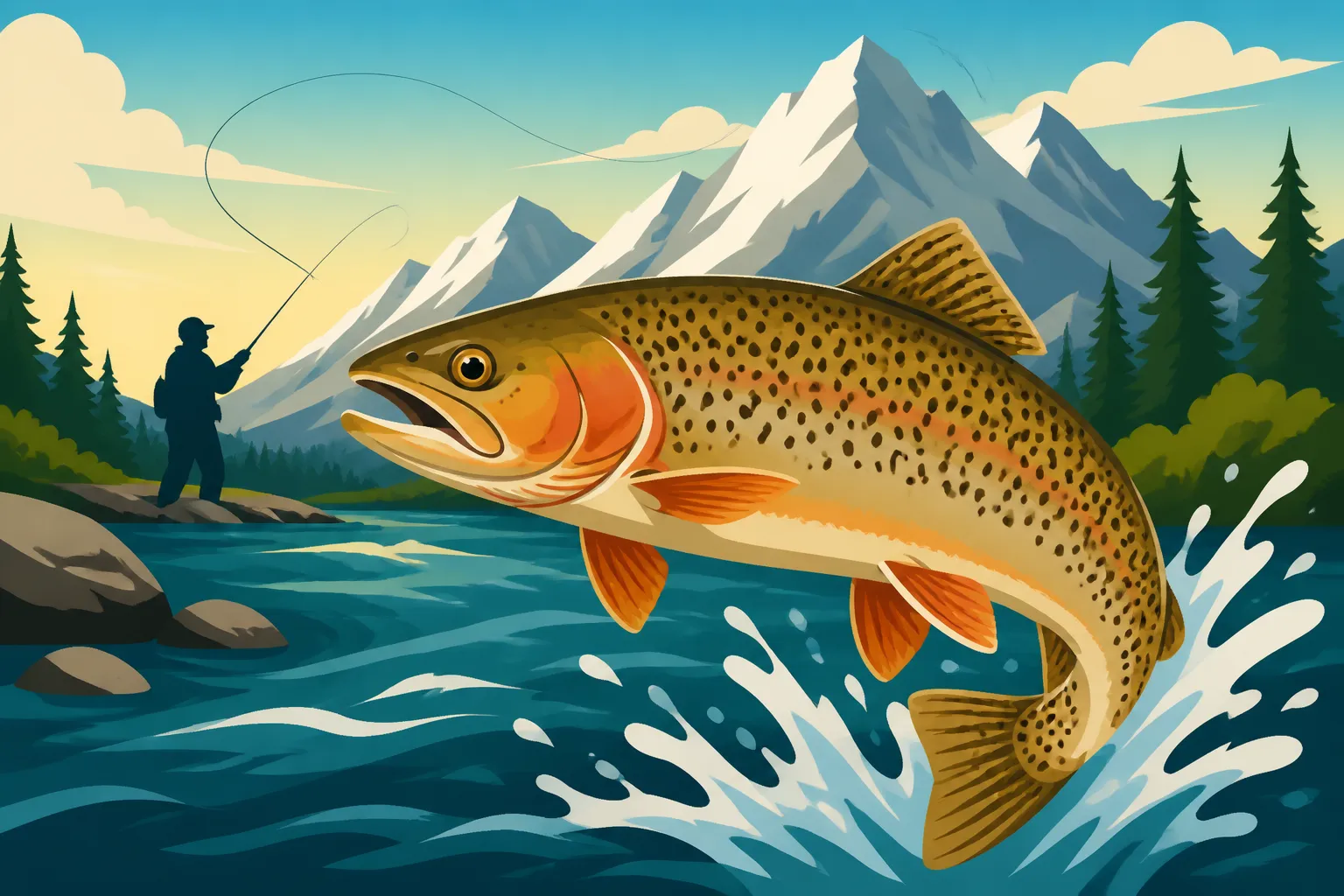
Snake River Fine-Spotted Cutthroat Trout
Oh, the Snake River Fine-Spotted Cutthroat Trout! If you've ever cast a line in the clear, rushing waters of Wyoming's Snake River drainage, you know there's something truly special about these fish. Many anglers find themselves wondering exactly what sets this particular cutthroat subspecies apart from its cousins or even the rainbow trout that sometimes share its waters, leading to confusion about identification and best fishing practices. This comprehensive guide is here to unravel the mystery, helping you understand, appreciate, and responsibly fish for this magnificent native trout in the Cowboy State.
The Distinct Identity of the Snake River Fine-Spotted Cutthroat Trout
When we talk about the Snake River Fine-Spotted Cutthroat Trout ( Oncorhynchus clarkii behnkei), we're not just discussing any trout; we're delving into a unique piece of Wyoming's natural heritage. This isn't just a catchy name; it refers to a specific genetic lineage and a set of physical characteristics that distinguish it from the wider cutthroat family. Understanding its identity is the first step to truly appreciating its place in our waters.
What Makes Them "Fine-Spotted"?
The most defining characteristic, as the name suggests, is their spotting pattern. While all cutthroat trout have spots, the Snake River variety is known for its profusion of smaller, more numerous spots, particularly concentrated towards the tail. Imagine a dusting of pepper rather than a few scattered, larger flecks. These spots are often dark and very distinct, appearing on their sides, back, and even fins. Their coloration typically ranges from olive green to brassy gold on the back, fading to lighter flanks and a pale, sometimes yellowish belly. And, of course, they possess the signature "cutthroat" mark – a vibrant red or orange slash under the jaw, which can vary in intensity but is almost always present, distinguishing them immediately from rainbow trout.
Beyond the spots, their overall body shape tends to be more slender and torpedo-like, perfectly adapted for the swift currents of the Snake River. Their fins can sometimes have a subtle orange or reddish tint, especially the caudal (tail) fin and the paired fins. This combination of fine, abundant spotting and the distinct red slash is the angler's primary key to identifying a true Snake River Fine-Spotted Cutthroat. It's a subtle beauty, but once you learn to see it, it's unmistakable.
A Subspecies Apart: Genetic Heritage and Origins
The "subspecies" designation is crucial here. The Snake River Fine-Spotted Cutthroat Trout is not just a regional variant; it's a genetically distinct population that evolved over millennia within the Snake River basin. Their ancestors navigated the shifting landscapes and waterways of what would become western Wyoming, Idaho, and parts of Utah and Montana, adapting to the specific environmental pressures of this unique drainage. This long history has led to genetic differences that separate them from other cutthroat subspecies, such as the Yellowstone Cutthroat (which shares some adjacent habitats) or the Colorado River Cutthroat.
This genetic isolation, driven by geological and hydrological factors over thousands of years, means they have developed unique adaptations to their specific environment. They are robust, resilient, and perfectly suited to the cold, oxygen-rich waters and diverse aquatic insect life of their home rivers. This deep heritage is why conservation efforts are so vital – losing these fish means losing a piece of the evolutionary puzzle that can never be replicated.
Official Recognition and Scientific Classification
Scientifically, the Snake River Fine-Spotted Cutthroat Trout is formally recognized as Oncorhynchus clarkii behnkei. The Oncorhynchus clarkii refers to the overarching cutthroat trout species, while behnkei is the subspecies epithet. This classification confirms its distinct place within the trout family tree. The Wyoming Game and Fish Department, along with other state and federal agencies, recognizes and manages this subspecies as a native fish, specifically prioritizing its health and genetic integrity within its historical range.
This official recognition also informs regulatory decisions. Special rules, bag limits, and even catch-and-release guidelines are often put in place to protect these particular fish in their native waters. It’s not just about protecting "trout" in general; it’s about safeguarding this specific, irreplaceable lineage. When you read the Wyoming fishing regulations booklet, you'll often see specific mentions of cutthroat trout in the Snake River drainage, reflecting this focused management approach. Understanding this classification helps anglers grasp the importance of adhering to localized rules to ensure the species thrives for future generations.
Prime Habitats: Where to Find Snake River Fine-Spotted Cutthroats in Wyoming
The name "Snake River Fine-Spotted Cutthroat" really gives it away, doesn't it? Their primary home is indeed the vast and iconic Snake River drainage, primarily in western Wyoming. But this isn't just one big river; it's a complex network of main stems, tributaries, and even high-country lakes where these beautiful fish thrive. Knowing their preferred haunts is key to a successful and responsible fishing adventure.
The Iconic Snake River Drainage
The heart of the Snake River Fine-Spotted Cutthroat's domain lies within the Snake River system, particularly the stretches within Grand Teton National Park and south through the Bridger-Teton National Forest towards Jackson, Wyoming. The main stem of the Snake River itself, with its braided channels, deep pools, and gravel bars, provides prime habitat. These waters offer a perfect balance of fast-moving, oxygenated currents and slower, deeper sections where fish can hold, feed, and spawn. Many anglers consider Wyoming's Snake River Fishing Guide essential reading for exploring these storied waters.
You'll often find these cutthroats in the riffles and runs, actively feeding on aquatic insects. During certain times of the year, particularly after spring runoff, they can be spread throughout the system, taking advantage of new food sources and spawning opportunities. Even though the main Snake River is popular, its extensive length means there's always a new bend to explore. This river is truly the stronghold for this unique cutthroat.
Tributaries and High-Country Lakes
While the main Snake River is paramount, don't overlook its countless tributaries. Smaller streams like the Gros Ventre River, Hoback River, and their feeder creeks often hold healthy populations of fine-spotted cutthroats. These smaller waters can sometimes offer a more intimate fishing experience, away from the crowds found on the main river, especially if you're willing to hike a bit. The fish in these streams might be a bit smaller on average, but they are often vibrant and aggressive.
Beyond the rivers and streams, many high-alpine lakes within the Wind River Range and Teton Wilderness, which drain into the Snake River system, are also home to populations of these cutthroats. Fishing these pristine mountain lakes often involves a considerable hike, but the reward of catching a wild, brilliantly colored cutthroat in such a breathtaking setting is unparalleled. These secluded waters offer a glimpse into the untouched wilderness where these fish have evolved for centuries, showcasing their adaptability to different environments within the drainage.
Factors Influencing Their Distribution
Several environmental factors dictate where you'll find Snake River Fine-Spotted Cutthroats. First and foremost is water quality. These trout demand cold, clean, well-oxygenated water, which is why they thrive in the snowmelt-fed rivers and high-elevation lakes of western Wyoming. They are very sensitive to pollution and sedimentation, which can degrade their spawning beds and food sources.
Secondly, the presence of suitable spawning habitat is crucial. Cutthroats are stream spawners, requiring clean gravel beds in riffles or smaller tributary streams to lay their eggs. Intact riparian vegetation that provides shade, stabilizes banks, and contributes to insect life is also vital. Food sources, primarily aquatic insects like mayflies, caddisflies, and stoneflies, along with terrestrial insects and smaller fish, influence where they congregate. Lastly, the absence of competing or invasive species, particularly rainbow trout (which can hybridize with cutthroats), is a significant factor in maintaining pure genetic strains. Understanding these factors helps you predict where to find them and also reinforces the importance of habitat preservation.
The Art and Ethics of Angling for Fine-Spotted Cutthroats
Fishing for Snake River Fine-Spotted Cutthroat Trout is an experience many anglers dream of, combining the thrill of the catch with the stunning backdrop of western Wyoming. But it's not just about landing a fish; it's about approaching these native beauties with respect, skill, and an understanding of the local regulations and ethical practices.
Recommended Fishing Techniques and Gear
Fly fishing is arguably the most popular and often most effective method for targeting Snake River Fine-Spotted Cutthroats, especially on the main river and its larger tributaries. These fish are typically eager dry-fly takers, especially during prolific hatches in the summer and fall. Carrying a diverse selection of attractor patterns like Royal Wulffs, Stimulators, and various parachute Adams in sizes 12-18 is a good strategy. Nymphing with patterns like Prince Nymphs, Hare's Ears, and Pheasant Tails, often weighted, can be deadly when fish are feeding subsurface. For those seeking bigger fish or when conditions are right, streamer patterns can also be very effective. You can find excellent selections of flies and fly fishing accessories on Amazon, often with convenient kits tailored for Western trout. Fly Fishing Techniques for Wyoming Trout Streams delves deeper into these methods.
For spin fishing, small spinners and spoons (like Panther Martins, Mepps, or Kastmasters) in silver or gold, often with red or orange accents, work well. Small soft plastics or artificial worms can also entice a bite. It’s generally best to use lighter tackle – a 4-6 weight fly rod or a light-action spinning rod with 4-6 lb test line – to match the size of these fish and make the experience more sporting. Remember, regardless of your technique, focus on presenting your lure or fly naturally, mimicking the local insect life or baitfish.
Navigating Specific Regulations and Limits
Wyoming Game and Fish Department (WGFD) places specific regulations on cutthroat trout, particularly in their native waters like the Snake River drainage, to ensure their long-term health. It's absolutely crucial to consult the most current official WGFD regulations booklet before heading out. These regulations can specify bag and possession limits, size restrictions (like "slot limits" where only fish within a certain size range can be kept), and even gear restrictions (such as artificial flies and lures only, or barbless hooks). Wyoming Fishing Regulations Every Angler Should Know and How Bag and Possession Limits Work in Wyoming are excellent resources to familiarize yourself with the general rules, but always check the specific section for the Snake River drainage.
For example, many sections of the Snake River and its tributaries may have special regulations, often requiring catch-and-release for certain sizes or species of trout, especially for native cutthroats. In some areas, there might be reduced limits for cutthroats compared to other trout species. These rules are designed to protect the breeding stock and allow fish to reach maturity. Ignoring these specific regulations isn't just unethical; it can lead to significant fines and penalties, as detailed in What Happens If You Fish Without a License in Wyoming (though a license is assumed here, the penalties for any violation are serious). Always carry your valid Wyoming fishing license and be prepared to show it to a game warden.
Practicing Responsible Catch-and-Release
Given the conservation importance of the Snake River Fine-Spotted Cutthroat, practicing responsible catch-and-release is not just good etiquette, it's often a legal requirement and always the best practice for protecting this species. The goal is to minimize stress and injury to the fish, giving it the best chance of survival after being released.
Here are key tips:
- Barbless Hooks: Many areas require barbless hooks for cutthroat conservation, and even where not required, they are highly recommended. You can easily pinch down barbs on your hooks with pliers or simply buy barbless hooks on Amazon or from your local fly shop. This makes hook removal quicker and less damaging.
- Minimize Handling: Try to keep the fish in the water as much as possible. If you must handle it for a quick photo, wet your hands thoroughly first to protect its slime coat, which is vital for disease resistance.
- Quick Release: Don't play the fish to exhaustion. Bring it in quickly and remove the hook swiftly. Use forceps or a hemostat for easy, clean hook removal.
- Revive the Fish: If the fish seems sluggish, hold it gently upright in the current, facing upstream, until it can swim away strongly on its own. Never throw a fish back into the water.
- Observe Closures: Be aware of any spawning closures or special seasons. Catch-and-Release Rules on Wyoming Waters provides a great overview of these important practices. By following these guidelines, you become a steward of these incredible fish and their habitat.
Conservation Challenges and Future of the Fine-Spotted Cutthroat
The Snake River Fine-Spotted Cutthroat Trout, while resilient, faces several significant threats that challenge its long-term survival. Understanding these challenges is paramount for anglers and conservationists alike, as it helps us focus our efforts on protecting this irreplaceable native species. The future of this unique cutthroat depends heavily on ongoing management and public support.
Threats to Their Survival: Hybridization and Habitat Loss
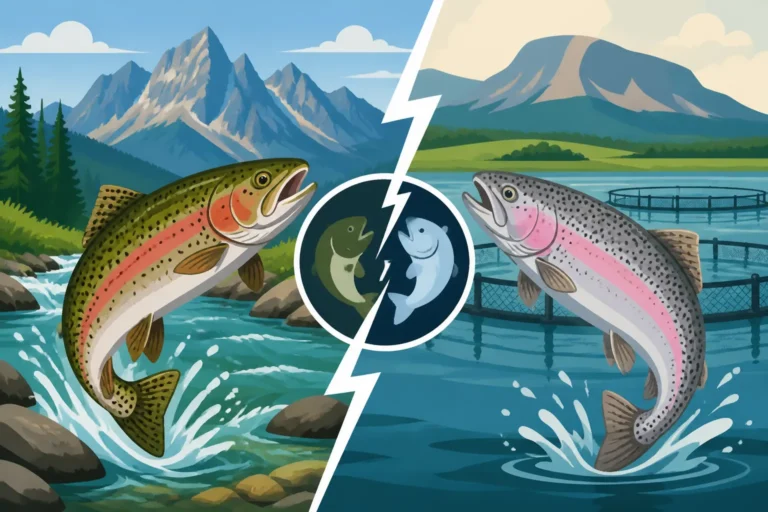
One of the most insidious threats to the genetic purity of the Snake River Fine-Spotted Cutthroat is hybridization with non-native rainbow trout. Rainbow trout, introduced to many Western waters over the last century, can interbreed with cutthroats, producing "cutbows" that dilute the native genetic strain. These hybrids often lack the specific adaptations that pure cutthroats have developed for their native environment, and their proliferation can effectively erase the distinct genetic identity of the fine-spotted cutthroat. This issue is particularly prevalent in areas where rainbow trout have been heavily stocked or have naturally expanded their range. Understanding the differences between these two species, as discussed in Cutthroat vs Rainbow Trout: Telling Them Apart, is crucial.
Habitat loss and degradation also pose a serious, ongoing threat. Development along river corridors, agricultural diversions that reduce water flow, increased sedimentation from land use practices, and changes in water temperature due to climate shifts can all negatively impact the cutthroat's ability to survive and reproduce. Spawning grounds are particularly vulnerable to sedimentation, which can smother eggs. Maintaining healthy riparian zones and ensuring adequate water flows are critical for the fish's survival.
Ongoing Conservation Efforts and Management
Thankfully, the Wyoming Game and Fish Department (WGFD) and other conservation organizations are actively working to protect and restore Snake River Fine-Spotted Cutthroat Trout populations. A primary focus is on maintaining genetic purity. This involves identifying and protecting strongholds of pure cutthroat populations, often through barrier construction to prevent upstream movement of non-native trout, or even by removing non-native species from certain drainages. The WGFD also actively monitors populations through electrofishing and other scientific methods to assess health and genetic integrity.
Habitat restoration projects are another cornerstone of conservation. These efforts include stream bank stabilization, restoring natural flow regimes, improving fish passage by removing culverts or installing fish ladders, and enhancing riparian vegetation. Partnerships with landowners and other agencies are often key to the success of these large-scale projects. Furthermore, stocking of genetically pure Snake River Fine-Spotted Cutthroats into suitable, protected waters helps bolster populations and expand their range. Endangered and Protected Fish in Wyoming offers a broader context on why these efforts are so important for various species.
The Angler's Role in Protecting This Iconic Fish
As anglers, we play an incredibly important role in the conservation of the Snake River Fine-Spotted Cutthroat Trout. Our actions on and off the water directly impact their future. The first step is education: truly understanding the species, its habitat, and the regulations designed to protect it. Always obtain and meticulously read the most current fishing regulations for the specific waters you intend to fish. These regulations are not arbitrary; they are scientifically determined to protect vulnerable fish populations.
Beyond regulations, practicing vigilant catch-and-release, especially for native cutthroats, is paramount. Using barbless hooks, minimizing handling, and ensuring a quick, healthy release contributes directly to the survival of individual fish and the overall population. Reporting any suspected violations or observations of invasive species (like unauthorized stocking or the presence of non-native fish where they shouldn't be) to the WGFD can also make a significant difference. Finally, supporting organizations dedicated to conservation through volunteering or donations helps fund critical research and habitat restoration projects. By being responsible stewards, we ensure these beautiful fish continue to grace Wyoming's waters for generations to come.
Distinguishing the Fine-Spotted Cutthroat from Other Trout Species
One of the common challenges for anglers in Wyoming is correctly identifying the fish they've caught. With several trout species sharing similar habitats, it's easy to get confused. However, for conservation and regulatory reasons, knowing how to tell a Snake River Fine-Spotted Cutthroat from other trout, especially rainbows and other cutthroat subspecies, is incredibly important. Let's break down the key features.
Cutthroat vs. Rainbow Trout: The Red Slash and Spotting
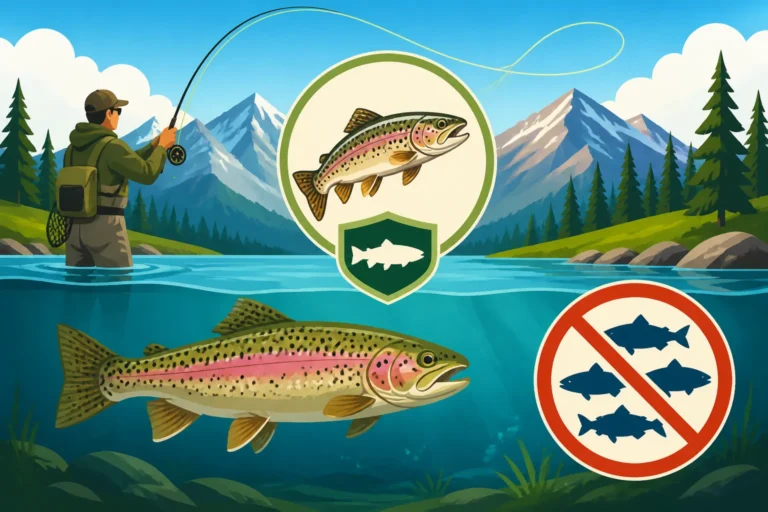
The most immediate and obvious differentiator between any cutthroat subspecies and a rainbow trout is the "cutthroat slash" – those distinct red or orange markings on the underside of the jaw in the fold between the gill plates. Rainbow trout ( Oncorhynchus mykiss) lack this slash entirely. If you see a prominent red mark there, it's a cutthroat. If not, it's likely a rainbow, or potentially a hybrid.
Beyond the slash, examine the spotting. Rainbow trout typically have more uniform, somewhat scattered spots over their entire body, including the tail fin, which often has radiating rows of spots. Their spots are usually rounder and more evenly distributed. While some rainbows can be very heavily spotted, the spots are rarely as fine and dense as those found on the Snake River Fine-Spotted Cutthroat, particularly towards the tail. Rainbows also often have a pink or reddish band along their lateral line, which is usually absent or very faint on cutthroats. Unfortunately, where the two species coexist, hybridization can occur, leading to "cutbows" which possess characteristics of both, making identification tricky. For a deeper dive, check out Cutthroat vs Rainbow Trout: Telling Them Apart.
Comparing to Other Cutthroat Subspecies
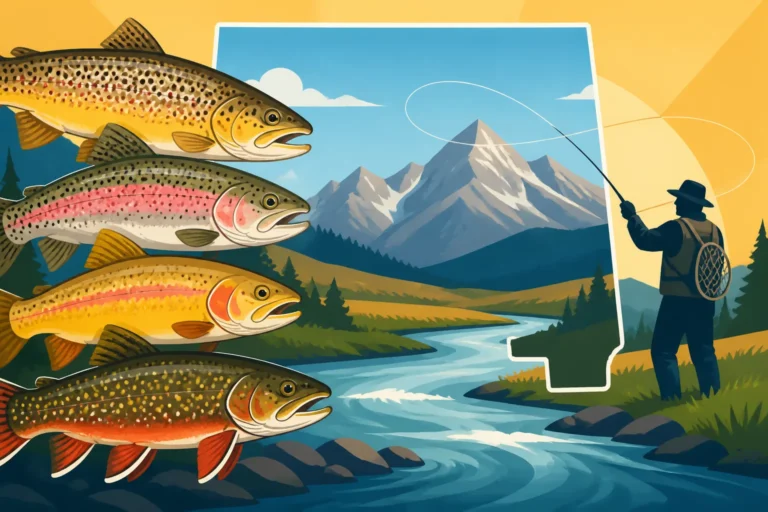
Wyoming is home to several native cutthroat subspecies, and telling them apart can be even more challenging than distinguishing them from rainbows, as they all share the common "cutthroat" features.
- Yellowstone Cutthroat Trout (Oncorhynchus clarkii bouvieri): These are found primarily in the Yellowstone River drainage, including Yellowstone Lake. While they also have a red slash and spots, their spots tend to be larger and more concentrated towards the tail, often with fewer spots forward of the dorsal fin compared to the fine-spotted cutthroat. Their coloration can also be a bit more brassy or golden. Identifying a Yellowstone Cutthroat Trout provides more detail.
- Colorado River Cutthroat Trout (Oncorhynchus clarkii pleuriticus): Found in the Green River drainage, these cutthroats typically have spots concentrated more towards the tail, similar to Yellowstone cutthroats, but often fewer and smaller spots than the Snake River variety. Their base coloration can lean towards olive or bronze.
- Bonneville Cutthroat Trout (Oncorhynchus clarkii utah): Historically found in the Bear River drainage in southwest Wyoming. These can be similar in appearance to Snake River Cutthroats, but often have fewer, larger spots and can have a more silvery appearance.
The key takeaway is that while all cutthroats share the jaw slash, the size, number, and distribution of the spots, along with the overall body coloration, are the subtle clues needed to identify the specific subspecies.
Field Identification Tips for Anglers
When you're out on the water, the moment of truth often comes quickly. Here are some practical tips to help you identify that fish you've just brought to hand:
- The Jaw Slash First: Always look for the red/orange slash under the jaw. If it's there, it's a cutthroat. If not, it's likely a rainbow or a hybrid.
- Examine Spotting Pattern:
- Quantity: Are there many, many small spots, especially concentrated towards the tail? This points strongly to Snake River Fine-Spotted.
- Size: Are the spots relatively small, like pepper flakes?
- Distribution: Do the spots extend well forward of the dorsal fin and onto the head?
- Overall Coloration: While variable with habitat, a generally olive to brassy back with lighter sides and a pale belly is typical for fine-spotted cutthroats. Look for any faint pink lateral band – if it's prominent, it's probably a rainbow.
- Fin Characteristics: Check the tail for spots. Cutthroats usually have some spots on the tail fin, often more prominent on the upper lobe. Radiating rows of spots on the tail are more characteristic of rainbows.
- Use a Reference: Keep a laminated identification card or a fishing regulations booklet handy in your vest or tackle box. Many guidebooks or even Amazon offer compact, waterproof fish ID charts. A quick comparison in the field can clarify any doubts.
- Catch and Release: If you are unsure, and the regulations for the water you are fishing require catch-and-release for native cutthroats or have different limits for different species, it's always best to assume it's a native cutthroat and release it quickly and carefully.
Here's a quick comparison table for common trout species in Wyoming:
| Feature | Snake River Fine-Spotted Cutthroat Trout | Rainbow Trout | Yellowstone Cutthroat Trout | Brown Trout |
|---|---|---|---|---|
| Jaw Slash | Present (red/orange) | Absent | Present (red/orange) | Absent |
| Spotting Pattern | Numerous, fine, dense spots, esp. tail | More uniform, scattered | Larger spots, concentrated tail | Large, dark spots; red/orange halos |
| Tail Fin Spots | Present, often dense | Radiating rows of spots | Present, often larger | Fewer, larger, irregular spots |
| Lateral Line Stripe | Absent or very faint | Often prominent pink/red band | Absent or very faint | Absent |
| Body Coloration | Olive to brassy back, pale belly | Silvery to olive, lighter belly | Golden/brassy back, pale belly | Golden/brown, creamy belly |
| Head Shape | Relatively slender | More blunt | Slender | Large jaw, often hooked nose |
| Native to Wyoming | Yes | No (introduced) | Yes (native to Yellowstone drainage) | No (introduced) |
This table should help clarify the most visible differences when you're making a quick assessment streamside.
Disclaimer
This article is for general informational purposes only and does not constitute professional advice. Laws, prices and regulations vary by location and change over time. Consult a qualified professional for guidance on your specific situation.