Do Guides Reschedule for Bad Weather?
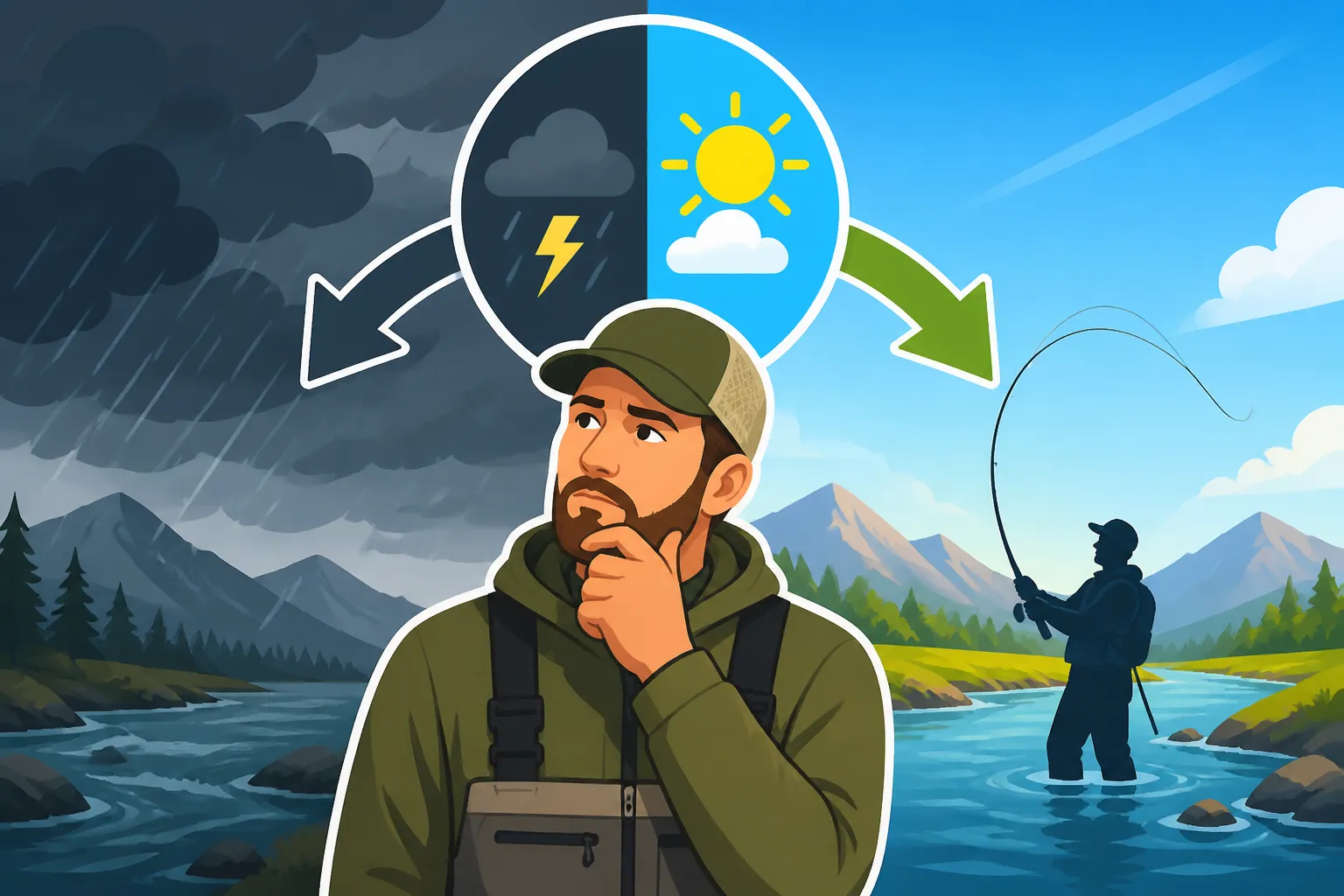
One of the biggest anxieties when you're planning that long-anticipated Wyoming fishing trip, especially if you're traveling from afar or investing in a guide, is the weather. You've booked your guide, paid your deposit, and then you see that ominous forecast creeping into your plans. It's enough to make anyone wonder: do guides reschedule for bad weather, or are you just out of luck? This guide is here to shed some light on how Wyoming fishing guides typically handle the unpredictable elements, helping you understand what to expect and how to prepare.
The Unpredictable Wyoming Weather Reality
Wyoming is famous for its stunning landscapes and incredible fishing, but it's equally notorious for its utterly unpredictable weather. You can wake up to clear blue skies, experience a torrential downpour by lunchtime, and be bundled up against snow flurries by evening, even in the middle of summer, especially in the high country. This ever-changing environment is a core part of the Wyoming experience, but it also presents a unique challenge for anglers and guides alike. The frustration of planning a perfect day only to have Mother Nature throw a wrench in your plans is very real, and guides understand this intimately.
Common Weather Concerns for Anglers
When you're dreaming of casting a line on the North Platte or trolling for lake trout on Flaming Gorge, you're usually picturing sunshine and calm waters. But the reality can be very different, and certain weather conditions naturally spark worry among anglers.
- Rain and Thunderstorms: A light drizzle can sometimes even improve fishing, but a full-blown thunderstorm with lightning is a serious safety hazard that no responsible guide would ever ignore. Heavy, sustained rain can also blow out rivers, turning clear, fishable water into a muddy torrent.
- Wind: Wind is arguably one of the biggest challenges for fishing, especially on large reservoirs or even open stretches of river. It makes casting incredibly difficult, creates choppy water conditions that can be uncomfortable or even dangerous in a drift boat, and can drastically affect fish behavior. Try casting a fly rod in a 30 mph gust – it's an exercise in futility and frustration!
- Snow and Extreme Cold: While less common in peak summer, snow can surprise you in the mountains during any month. Extreme cold, especially combined with wind, can turn a pleasant fishing trip into a miserable and even dangerous ordeal, particularly for those not accustomed to it. What to Wear on a Wyoming Guided Fishing Trip gives you a good idea of how to prepare for temperature swings.
- High Water/Runoff: Early season fishing, especially in spring, often contends with spring runoff. While not strictly "bad weather," the resulting high, fast, and often muddy water can make fishing nearly impossible or significantly alter techniques.
These conditions aren't just an inconvenience; they directly impact both the safety of everyone on the water and the likelihood of a successful, enjoyable fishing experience.
Why Fishing Guides Take Weather Seriously
For a professional fishing guide, their reputation, client safety, and the overall experience they provide are paramount. They aren't just trying to catch fish; they're managing an outing that often represents a significant investment of time and money for their clients.
- Safety is Non-Negotiable: This is the absolute top priority. No fish is worth risking lives. Guides are intimately familiar with their local waters and understand how different weather conditions, like a sudden squall on a large lake or lightning strikes near a canyon river, can quickly become dangerous. They're trained to make difficult calls based on safety protocols.
- Ensuring a Quality Experience: A guide's job is to put you on fish and ensure you have a memorable time. If the weather makes casting impossible, visibility poor, or the fish completely shut down, the experience suffers dramatically. They want you to come back, and they know a miserable, unproductive day won't achieve that.
- Protecting Equipment: Their boats, rods, reels, and other gear are their livelihood. Extreme weather can damage expensive equipment, creating additional financial burdens and downtime for their business.
- Professional Ethics: Good guides operate with integrity. They won't take you out if they genuinely believe it's unsafe or if the conditions offer virtually no chance of a decent fishing experience. Their honesty in these situations speaks volumes about their professionalism. If you're looking for reputable guides, platforms like FishingBooker often list guides with clear operational policies.
Guide Policies: When a Reschedule Happens
When it comes to weather, fishing guides typically have clear, though sometimes flexible, policies regarding rescheduling or cancellation. It's rarely a black-and-white decision; instead, it's often a judgment call based on safety, fishability, and common sense. Understanding these general guidelines can save you a lot of stress. For specific examples, checking a guide's Cancellation Policy for Jackson Hole Guides or similar local areas is always a good idea.
Safety First: Non-Negotiable Conditions
There are certain weather conditions that will almost always result in a guide initiating a reschedule or cancellation, no questions asked. These are typically related to immediate threats to personal safety.
- Lightning and Thunderstorms: This is the big one. Being on the open water or even near tall trees during an electrical storm is incredibly dangerous. Guides will monitor radar closely, and if lightning is predicted or observed in the area, they will either delay the trip, cut it short, or reschedule entirely. There's simply no arguing with this.
- High Winds Making Boating Unsafe: On large bodies of water like Flaming Gorge Reservoir or Jackson Lake, or even certain wide river sections, very high winds can make maneuvering a boat incredibly difficult, uncomfortable, and potentially hazardous. It can create white caps, make it impossible to hold a fishing position, and increase the risk of capsizing smaller craft. Many guides have wind speed thresholds beyond which they will not launch.
- Blizzards, Heavy Snow, or Extreme Cold: While less common during prime fishing season, unexpected blizzards or severe winter conditions, especially during ice fishing trips, present significant safety concerns. Road closures, hypothermia risk, and unsafe ice conditions are all factors that will lead to a guide postponing a trip. Always consult Wyoming Fishing Seasons and Water-Specific Closures for the time of year you plan to go.
In these situations, the guide will almost always be the one to make the call, and it’s usually for your protection. They have far more experience assessing these risks than the average angler.
Impact on Fishing Success: When It's Just Not Worth It
Beyond immediate safety, guides also consider conditions that severely diminish the quality and success of the fishing experience. While not necessarily dangerous, these situations mean you're unlikely to have a good time or catch many fish, which defeats the purpose of hiring a guide.
- High and Muddy Water: A sudden heavy rain or rapid snowmelt can cause rivers to swell and become heavily laden with sediment. This makes the water murky and often pushes fish into hiding or makes them less willing to bite. Casting a fly in chocolate milk water is rarely productive. Guides specializing in Best Guides for High-Water Season Float Trips might have specific techniques, but even they have limits.
- Rapid Cold Fronts: A drastic drop in temperature, especially after a period of warm weather, can shock fish and make them incredibly lethargic and unwilling to feed. While not unsafe, it often leads to a very slow day on the water, frustrating for both angler and guide. How Barometric Pressure Affects Trout Bites plays a huge role here.
- Extreme Heat: Just as cold fronts can shut down fish, extreme heat can make fishing unproductive, especially for cold-water species like trout. Fish become stressed, seek deep, cool refuges, and are less active. It can also make for a very uncomfortable day for the anglers.
- Unworkable Conditions for Specific Techniques: If you've booked a dedicated fly-fishing trip on a small stream, but a massive windstorm rolls in, fly casting becomes nearly impossible. Similarly, if a guide planned to troll for lake trout but heavy waves make boat control too difficult, the primary technique might be out the window. In these cases, a guide might offer an alternative (like bank fishing if safe) or suggest a reschedule if the core experience can't be delivered.
In these "unfishable" scenarios, guides will often discuss options with you. They might offer to wait out a brief rain shower, suggest an alternative location, or ultimately recommend rescheduling for a better day.
Your Role as the Angler: Understanding and Communication
As an angler, you also have a crucial role to play in navigating weather-related changes to your guided trip. It's about being informed, prepared, and maintaining open communication with your guide.
Before You Book: Asking the Right Questions
Don't wait until the day before your trip to understand a guide's weather policy. This is information you should proactively seek out during the booking process. Think of it as part of your due diligence when you're Hiring a Fishing Guide in Wyoming.
- "What is your weather policy?" This is your primary question. Ask about specific conditions: "What happens if there's lightning?" or "What's your threshold for wind?"
- "Who makes the final decision on weather-related cancellations or reschedules?" Understand that it's almost always the guide's call, as they are responsible for your safety and have the most expertise in local conditions.
- "What are my options if the trip is canceled due to weather?" Will you get a full refund, or is rescheduling the primary option? This is especially important if you're traveling a long distance and rescheduling isn't feasible.
- "Is there a timeframe for weather decisions?" Do they make the call 24 hours in advance, or the morning of the trip? This helps you manage your expectations and travel plans.
- "Do I lose my deposit if I cancel due to weather I deem 'bad' but the guide is willing to go?" This is a tricky one. Generally, if the guide is willing and able to conduct the trip safely, and you decide not to go, you may forfeit your deposit. That's why understanding their specific policy is key.
- "Are there any alternative fishing locations if one spot is unfishable due to weather?" Sometimes, a guide might have a backup plan, like moving from a wide-open lake to a more sheltered river, or vice versa, to salvage the day.
When you're searching for guides on platforms like FishingBooker, you can often find their cancellation and weather policies clearly stated in their listings. If not, don't hesitate to reach out directly before committing.
During the Trip: Communication is Key
Once your trip is booked, staying in touch with your guide, especially as the date approaches, is essential.
- Monitor the Forecast: Keep an eye on the weather forecast for your fishing location. While guides typically do this, being informed yourself helps you understand their decisions. Remember that mountain weather can be very localized, so what your phone app says for a nearby town might not be what's happening on the exact stretch of river or lake you'll be fishing.
- Respond to Your Guide: If your guide reaches out about a questionable forecast, respond promptly. They might be trying to make arrangements or provide options.
- Trust Their Judgment: Ultimately, your guide is the expert on the water and the local conditions. If they make the call to reschedule or cancel, trust that it's for good reason, whether it's safety, fishability, or both. Challenging their decision can strain the relationship and create an uncomfortable situation. It's often best to defer to their expertise, as outlined in guides like How to Choose a Wyoming Fishing Guide.
- Prepare for Changing Conditions: Wyoming weather can shift rapidly. Even if the forecast is clear, pack layers, rain gear, and sun protection. What to Bring on a Guided Wyoming Fishing Trip provides a comprehensive checklist.
Navigating Reschedules and Refunds
So, the weather's turned, and your guide has called to say the trip needs to change. Now what? Understanding the practicalities of rescheduling and potential refunds will help you manage the situation smoothly. Remember that each guide or outfitter might have slightly different terms.
Rescheduling vs. Canceling: The Financial Nuances
The distinction between rescheduling and canceling is often where the financial implications become most clear.
- Rescheduling: This is generally the preferred option for both guides and clients when weather intervenes. If you can agree on a new date, your deposit typically rolls over to the new booking. This means the guide doesn't lose income, and you don't lose your investment. Many guides are quite flexible with rescheduling due to weather, recognizing it's an act of nature beyond anyone's control. However, finding an agreeable date can sometimes be challenging, especially during peak season or if you have limited availability.
- Canceling and Refund: If rescheduling isn't possible (e.g., you're leaving the area, or the guide has no open dates that work for you), then the discussion moves to cancellation and refunds.
- Guide-Initiated Cancellation: If the guide cancels due to unsafe or unfishable conditions, you should generally expect a full refund of any deposits or payments you've made. This is standard practice for reputable guides.
- Client-Initiated Cancellation: If you decide to cancel because you're uncomfortable with the weather (but the guide believes the trip is still safe and viable), the refund policy might be different. Many guides have a strict cancellation policy for client-initiated cancellations within a certain timeframe (e.g., 30 days prior). If you cancel outside of the guide's specific terms, you might forfeit your deposit or a portion of the fee. Always refer back to the Can You Cancel a Guided Trip for a Refund? details you discussed during booking.
It's a delicate balance. Guides need to protect their livelihood, as a canceled day means lost income. Clients need protection from unsafe or unproductive trips. Open communication and a clear understanding of the guide's policy from the outset are crucial. Platforms like FishingBooker often mediate these situations by ensuring guides adhere to their stated policies.
What to Do If Your Trip Gets Weathered Out
If your guided fishing trip in Wyoming gets rained, hailed, or snowed out, here's a practical checklist to help you navigate the situation:
- Confirm the Decision: Ensure you understand your guide's decision – is it a reschedule, a delay, or a full cancellation?
- Discuss Options Promptly: If it's a reschedule, work with your guide immediately to find an alternative date. Have a few potential dates in mind if you can. If you're using a booking service like FishingBooker, they might assist in coordinating this.
- Understand Refund Logistics: If it's a cancellation resulting in a refund, ask about the timeline for processing. How and when will the money be returned?
- Explore Local Alternatives: If your guided trip is canceled and rescheduling isn't an option, don't let it ruin your entire vacation! Wyoming has a vast array of fishing opportunities. Maybe you can explore some public access points for bank fishing, visit a local lake that's less affected by the weather, or even try a different activity altogether. Where to Check Current Wyoming Water Closures can help you find areas that might still be fishable.
- Review Your Paperwork: Dig out any booking confirmations or contracts you received from your guide or outfitter. These documents should clearly state the terms and conditions regarding weather cancellations.
Remember, responsible guides will prioritize your safety and experience. While it's disappointing when plans change, knowing their policies and communicating effectively ensures the best possible outcome for everyone involved. What Happens on a Guided Trip If It Rains goes into even more detail on specific scenarios.
Guide Action in Various Weather Scenarios
Here's a quick overview of how a guide might react to common weather conditions in Wyoming:
| Weather Condition | Safety Risk | Impact on Fishing | Typical Guide Action | Your Responsibility |
|---|---|---|---|---|
| Lightning/Thunderstorms | High | High | Cancel or Reschedule Immediately | Acknowledge, reschedule/accept refund. |
| Heavy Winds (>20-25 mph) | Medium-High | High | Cancel/Reschedule, or move to a more sheltered location if possible | Communicate comfort level, be flexible with location change. |
| Heavy, Sustained Rain | Low | Medium-High | May proceed with proper gear, but could cancel if water blows out | Dress appropriately (rain gear!), communicate discomfort. |
| Extreme Cold/Blizzard | High | High | Cancel or Reschedule | Acknowledge, reschedule/accept refund. |
| Rapid Cold Front (No Precip) | Low | Medium-High | May proceed but manage expectations, suggest alternative spots. | Understand potential for slow fishing, remain patient. |
| High/Muddy Water (Runoff) | Medium | High | Cancel/Reschedule, or find clear feeder streams/lakes. | Be flexible with location, understand limited techniques. |
| Light Rain/Drizzle | Low | Low | Proceed as planned; can sometimes improve fishing. | Dress appropriately, be prepared to fish. |
| Clear, Sunny, but Very Windy | Low | High | May proceed but warn of difficult casting; could try different spots. | Work on casting technique, manage expectations. |
This table provides a general idea, but every situation is unique, and your guide's judgment is key.
Disclaimer
This article is for general informational purposes only and does not constitute professional advice. Laws, prices and regulations vary by location and change over time. Consult a qualified professional for guidance on your specific situation.