Guided Trip Cost on the Miracle Mile
Planning a fishing trip to Wyoming's legendary Miracle Mile section of the North Platte River often comes with a bit of sticker shock or at least a lot of questions about what a guided experience truly costs. It's not just about the numbers you see advertised; there are so many factors that go into the final price tag, and it's easy to feel overwhelmed trying to budget for your dream angling adventure. This guide aims to demystify the costs associated with booking a guided fishing trip on the Miracle Mile, helping you understand what influences pricing and how to plan effectively so you can focus on the fishing, not the financial guesswork.
Understanding What Influences Guided Trip Costs on the Miracle Mile
The Miracle Mile is a phenomenal stretch of river, renowned for its trophy trout, and it draws anglers from all over the world. Because of its popularity and the specialized knowledge required to navigate its unique characteristics, guided trips here come with a specific set of pricing considerations. It's not a one-size-fits-all situation, and several key factors will influence the overall cost you can expect to pay for your day on the water.
Trip Duration and Type Full Day vs. Half Day
One of the most immediate differentiators in pricing for any guided fishing trip, including those on the Miracle Mile, is the length of your outing. Guides typically offer both full-day and half-day options, each catering to different preferences and budgets. A half-day trip, as the name suggests, will be a shorter excursion, usually lasting around four to five hours. These are generally more affordable and can be a fantastic option for beginners, families with younger children, or those simply looking for a taste of the Miracle Mile experience without committing to a full day.
However, a full-day trip on the Miracle Mile is often considered the quintessential experience, offering approximately eight hours or more on the water. This extended time allows for deeper exploration of the river, more diverse fishing opportunities, and a more relaxed pace. Guides can take you to multiple sections, adapt to changing conditions, and provide more in-depth instruction. Naturally, this comes at a higher price point, reflecting the guide's extended time, resources, and the comprehensive nature of the trip. The extra hours can make a huge difference in finding those elusive big browns or landing a personal best rainbow.
It's also worth noting that some guides might offer slightly longer "¾ day" trips, which fall somewhere in the middle, providing a good balance of time and cost. When you're browsing for guides, perhaps on a platform like FishingBooker, you'll see these options clearly laid out, allowing you to compare what each duration entails and how it impacts the quoted price. Always consider your stamina, your goals for the day, and your budget when deciding between these durations.
Inclusions and Exclusions Gear, Meals, Licenses
The advertised price for a guided trip isn't always the total price you'll pay, and understanding what is, and isn't, included is crucial for budgeting. Most reputable guides operating on the Miracle Mile will include a certain amount of gear. This often means high-quality rods, reels, lines, and an ample supply of flies or lures suited for the specific conditions of the North Platte. This is a huge benefit, especially if you're traveling from afar or are new to the sport and don't own all the specialized equipment yourself. Waders and boots might also be provided, though it's always wise to confirm if you need specific sizes or preferences. Does a Guided Trip Include Gear and Waders? can help you understand this more deeply.
Meals and beverages are another common inclusion for full-day trips. This usually means a hearty streamside lunch, snacks, and plenty of water or soft drinks to keep you fueled throughout your adventure. For half-day trips, snacks and drinks are more common, with a full meal less likely. These inclusions can add significant value, saving you the hassle and cost of packing your own food. Always clarify these details before booking to avoid unexpected hunger pangs or extra expenses.
What's almost universally excluded from the base price are fishing licenses and the Wyoming Conservation Stamp. You are personally responsible for purchasing these before your trip. Your guide cannot purchase them for you on the water. Do You Need Your Own Fishing License for a Guided Trip? is a great resource to understand these requirements. Gratuity for your guide is also not included in the upfront fee and is an important part of the overall cost, which we'll discuss further down.
Guide Experience and Reputation
Just like any specialized service, the experience and reputation of your fishing guide play a significant role in their pricing structure. A highly sought-after guide with decades of experience on the Miracle Mile, a deep understanding of its ever-changing currents and fish behavior, and a proven track record of successful trips will command a higher fee. These are the guides who often have repeat clients, consistently get excellent reviews, and might even be booked solid months in advance. Their expertise can truly make the difference between a good day and an unforgettable one.
Conversely, newer guides or those still building their client base might offer slightly more competitive rates. This doesn't necessarily mean they're less capable, but they might not yet have the same level of established reputation. When looking for a guide on platforms like FishingBooker, pay close attention to reviews, their listed years of experience, and any specializations they highlight, such as Nymphing Techniques for Wyoming Tailwaters or streamer fishing.
Ultimately, you're paying not just for a boat and equipment, but for the guide's knowledge, their ability to "read the water" (which is an art in itself!), their patience as an instructor, and their dedication to making your trip successful and enjoyable. For a truly premier experience on a challenging river like the Miracle Mile, investing in a highly experienced guide can be well worth the additional cost. Understanding How to Choose a Wyoming Fishing Guide can help you make an informed decision.
Peak Season vs. Off-Season Rates
The fishing world has its seasons, and the Miracle Mile is no exception. Demand for guides fluctuates throughout the year, directly impacting pricing. Peak season on the Miracle Mile generally aligns with the most favorable weather conditions and active fish, often from late spring through early fall. During these months, particularly in summer and prime fall brown trout runs, guides are in high demand, and their rates will naturally be at their highest. Booking well in advance is essential during these times, and you'll find less flexibility for negotiation.
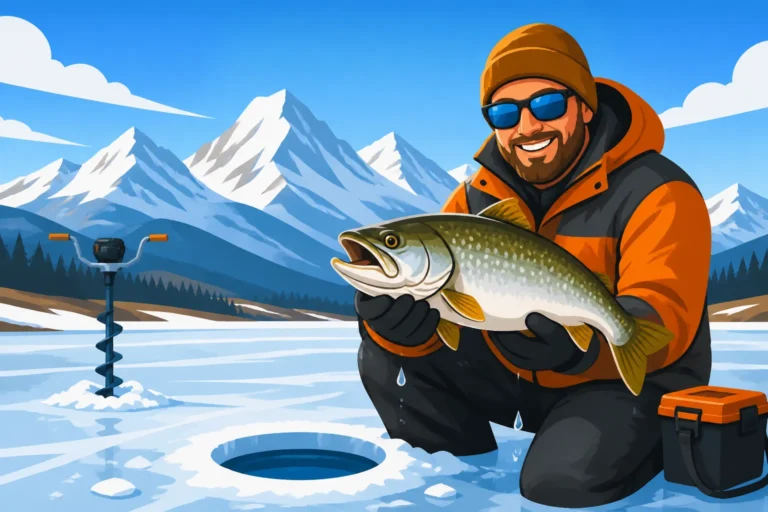
The shoulder seasons—early spring after ice-out, or late fall as winter approaches—might offer slightly reduced rates. While the weather can be more unpredictable, these times can also offer fantastic fishing with fewer crowds. Winter ice fishing or late-season float trips are typically the most budget-friendly options, as guide availability is higher and demand is lower. However, you'll need to be prepared for colder temperatures and different fishing techniques.
It's a balance between cost, comfort, and potential fishing success. If your budget is tight, exploring shoulder or off-season trips could be a smart move, but be prepared for the conditions that come with those times. If your primary goal is the most comfortable weather and highest chance for specific hatches or runs, be prepared to pay peak season prices. Best Season to Book a North Platte Guide offers more specific details about timing your trip.
What to Expect When Budgeting for a Miracle Mile Guided Trip
Now that we've explored the factors influencing cost, let's get down to the practicalities of budgeting for your Miracle Mile adventure. It's not just about the guide's fee; there are a few other expenses to keep in mind to ensure you have a clear picture of your total outlay.
Typical Price Ranges for Different Trip Formats
While specific figures aren't part of this discussion, we can certainly describe the general cost structure. Full-day guided trips on the Miracle Mile will always fall into a higher price category compared to half-day trips. This reflects the extended duration, the inclusion of a full meal, and the comprehensive nature of the experience. Think of it as investing in a deeper dive into the river, allowing for more ground to be covered and more opportunities to connect with fish.
Half-day trips, on the other hand, represent a more accessible entry point. They offer a taste of the Miracle Mile's world-class fishing at a more moderate price. These are excellent for those with limited time, beginners, or families. The cost difference between the two can be quite significant, often with half-day trips being roughly 60-70% of a full-day's rate. When you're doing your initial research, use these general proportions to gauge what different trip formats might entail.
The table below provides a general overview of typical inclusions and the cost shape for these trip formats:
| Feature/Trip Type | Half-Day Trip (Approx. 4-5 hours) | Full-Day Trip (Approx. 8+ hours) |
|---|---|---|
| Duration | Shorter, focused outing | Longer, comprehensive experience |
| Guide Time | Less intensive | More intensive, extended |
| Gear Provided | Rods, reels, flies/lures | Rods, reels, flies/lures |
| Waders/Boots | Often available (check ahead) | Often available (check ahead) |
| Meals | Snacks, beverages | Full streamside lunch, snacks, beverages |
| Instruction Level | Basic to intermediate | Comprehensive, advanced tactics |
| Cost Shape | Moderate | Higher |
| Exploration | Specific stretches, targeted areas | Broader river sections, diverse spots |
Hidden Costs and How to Avoid Surprises
Beyond the guide's base fee, there are several "hidden" or often overlooked costs that can add up if you're not prepared. The most important of these are your fishing license and the mandatory Wyoming Conservation Stamp. These must be purchased before your trip and are your responsibility. A Wyoming Fishing License Guide for Nonresidents can walk you through the process, and you'll want to check the Wyoming Conservation Stamp Cost specifically. These fees are regulated by the state and are non-negotiable, so factor them in.
Another significant cost, and one that is often misunderstood, is gratuity for your guide. Tipping is a customary practice in the guiding industry and is a direct reflection of your satisfaction with their service. A good rule of thumb is to budget a certain percentage of the trip's cost, similar to how you would tip in a restaurant or for other service industries. While it's discretionary, guides work incredibly hard, often starting before dawn and ending after dark, to ensure you have a great experience. Tipping Etiquette for Wyoming Fishing Guides is a helpful resource to understand this better.
Lastly, consider personal incidentals. Do you need any last-minute gear, sunscreen, bug spray, or specific snacks? Will you want to purchase any flies or souvenirs from a local fly shop? Do you need to buy a cooler to transport your catch if regulations allow keeping fish? While small, these items can accumulate. Always check with your guide beforehand if there's anything you should bring or buy. This proactive approach ensures your focus remains on the joy of fishing, not on unexpected expenses.
Maximizing Value: Tips for Booking Your Guided Trip on a Budget
A guided trip on the Miracle Mile is an investment, but that doesn't mean you can't be strategic about getting the most bang for your buck. Whether you're trying to pinch pennies or simply want to ensure every dollar contributes to an unforgettable experience, there are ways to maximize the value of your booking.
Group Rates and Solo Angler Considerations
One of the most effective ways to reduce the per-person cost of a guided trip is to share the experience with a friend or family member. Most guides price their trips based on the boat, not per individual, with a maximum capacity (often two anglers, sometimes three depending on the vessel and guide's preference). This means that if you go solo, you're paying the full boat rate yourself. If you can split that cost with one or two others, the price per person drops significantly.
For example, if a full-day trip costs a certain amount for two anglers, and you're the only one, you still pay that entire amount. Bringing along another angler immediately halves your individual cost, making a full-day trip much more affordable. When contacting guides, always inquire about their maximum capacity and how their pricing structure works for different group sizes. This information is usually available on their websites or platforms like FishingBooker. If you're a solo angler, consider if it's worth the full rate for the personalized experience, or if finding a fishing buddy might make the trip more feasible.
Keep in mind that while some guides can accommodate three anglers, the fishing experience might be a bit more crowded, especially when casting. Two anglers usually provide the most comfortable and productive setup in a drift boat or raft, allowing the guide ample room to maneuver and instruct.
Booking Strategies and Research
Being smart about when and how you book can also save you money and ensure you get the best possible guide for your needs. As mentioned earlier, booking during the shoulder seasons or even the true off-season can sometimes yield more favorable rates, or at least more availability with highly sought-after guides. If your schedule is flexible, targeting these less-popular times could be beneficial.
Beyond timing, thorough research is key. Don't just pick the first guide service you find. Spend time looking at multiple outfitters and individual guides who operate on the Miracle Mile. Compare their advertised inclusions, read client testimonials, and don't hesitate to reach out with questions. Many guides are happy to chat about their approach, what they offer, and what kind of experience you can expect. This helps you find a guide whose style and offerings align with your expectations and budget. Platforms like FishingBooker are fantastic resources for comparing different guides side-by-side, checking their availability, and reading unfiltered reviews from previous clients. You might find a guide with slightly less experience but glowing reviews who offers a more budget-friendly rate without compromising on quality.
Sometimes, bundling services can also offer savings. If you're staying at a fishing lodge or a resort that partners with local guides, they might offer package deals that include accommodations and guided trips. This isn't always cheaper than booking separately, but it's worth inquiring about, as it can simplify your planning and sometimes lead to a better overall value.
Preparing for Your Trip to Get the Most Out of It
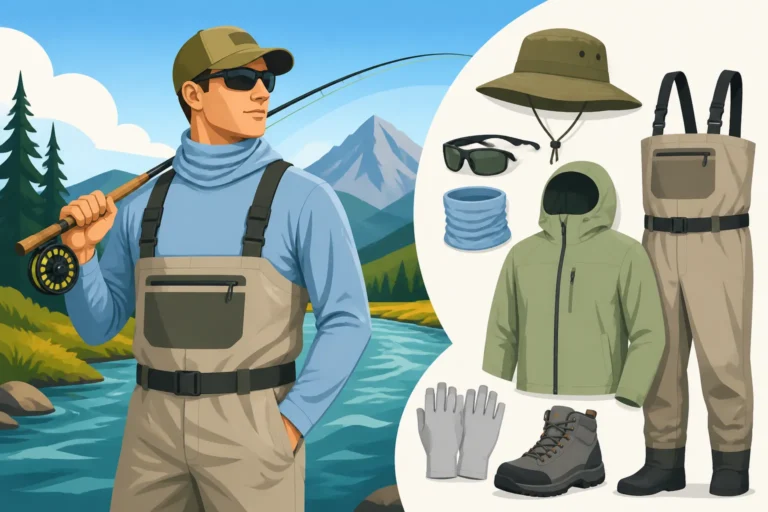
Finally, maximizing value isn't just about saving money upfront; it's about ensuring your investment translates into the best possible fishing experience. Being prepared helps your guide deliver on their promise and ensures you get the most out of every minute on the water. This means having the right clothing layers for Wyoming's famously variable weather, packing any personal items you might need (like sunglasses, hat, and sunscreen), and familiarizing yourself with basic casting techniques if you're a beginner. What to Bring on a Guided Wyoming Fishing Trip provides a comprehensive checklist.
Listen to your guide's advice. They are the experts on the Miracle Mile and know exactly where the fish are holding, what they're eating, and the best techniques for the day. Whether it's about Fly Fishing Techniques for Wyoming Trout Streams or simply how to approach a particular bend in the river, their guidance is invaluable. The more receptive you are to their instruction, the more successful and enjoyable your trip will likely be.
Consider discussing your goals with your guide beforehand. Do you want to learn a specific technique like Reading Riffles and Runs on Wyoming Trout Streams? Are you hoping to catch a specific species or size of trout? Communicating your expectations helps your guide tailor the day to your preferences, making your investment truly worthwhile. A guided trip on the Miracle Mile is a phenomenal experience, and with a little preparation and understanding of the cost factors, you can make it an affordable and unforgettable part of your Wyoming adventure.
Disclaimer
This article is for general informational purposes only and does not constitute professional advice. Laws, prices and regulations vary by location and change over time. Consult a qualified professional for guidance on your specific situation.