New Snake River Trout Limit Near Jackson Lake Dam
It can be incredibly frustrating to plan a highly anticipated fishing trip to an iconic spot like Wyoming's Snake River, only to realize the regulations you learned last year have changed. Staying on top of current fishing limits is not just about compliance; it's about responsible angling and protecting the very resources we cherish. This comprehensive guide is here to walk you through the new trout limits recently implemented near Jackson Lake Dam on the Snake River, ensuring your next adventure is both rewarding and fully within the bounds of the law.
The Big Change: New Trout Limits on the Snake River Near Jackson Lake Dam
For years, many of us have grown accustomed to certain limits on Wyoming's famous Snake River, especially as it flows out of Jackson Lake. It's a truly spectacular fishery, known for its healthy populations of native Snake River Fine-Spotted Cutthroat Trout, and rightfully so, the regulations have always been pretty protective. But the Wyoming Game and Fish Department (WGFD) is always studying fish populations, and sometimes, those studies lead to adjustments that might surprise you. This year brings one of those changes right to the forefront for the stretch of the Snake River near Jackson Lake Dam.
The specific regulation we're focusing on here pertains to the daily creel and possession limits for trout. While the general state-wide regulations provide a baseline, specific waters like sections of the Snake River often have unique rules tailored to their ecosystem. Historically, many parts of the Snake have had stricter limits, sometimes as low as three trout per day. However, looking ahead to 2026, the WGFD has adjusted the daily creel limit for trout on a particular segment of the Snake River.
Understanding the New Numbers
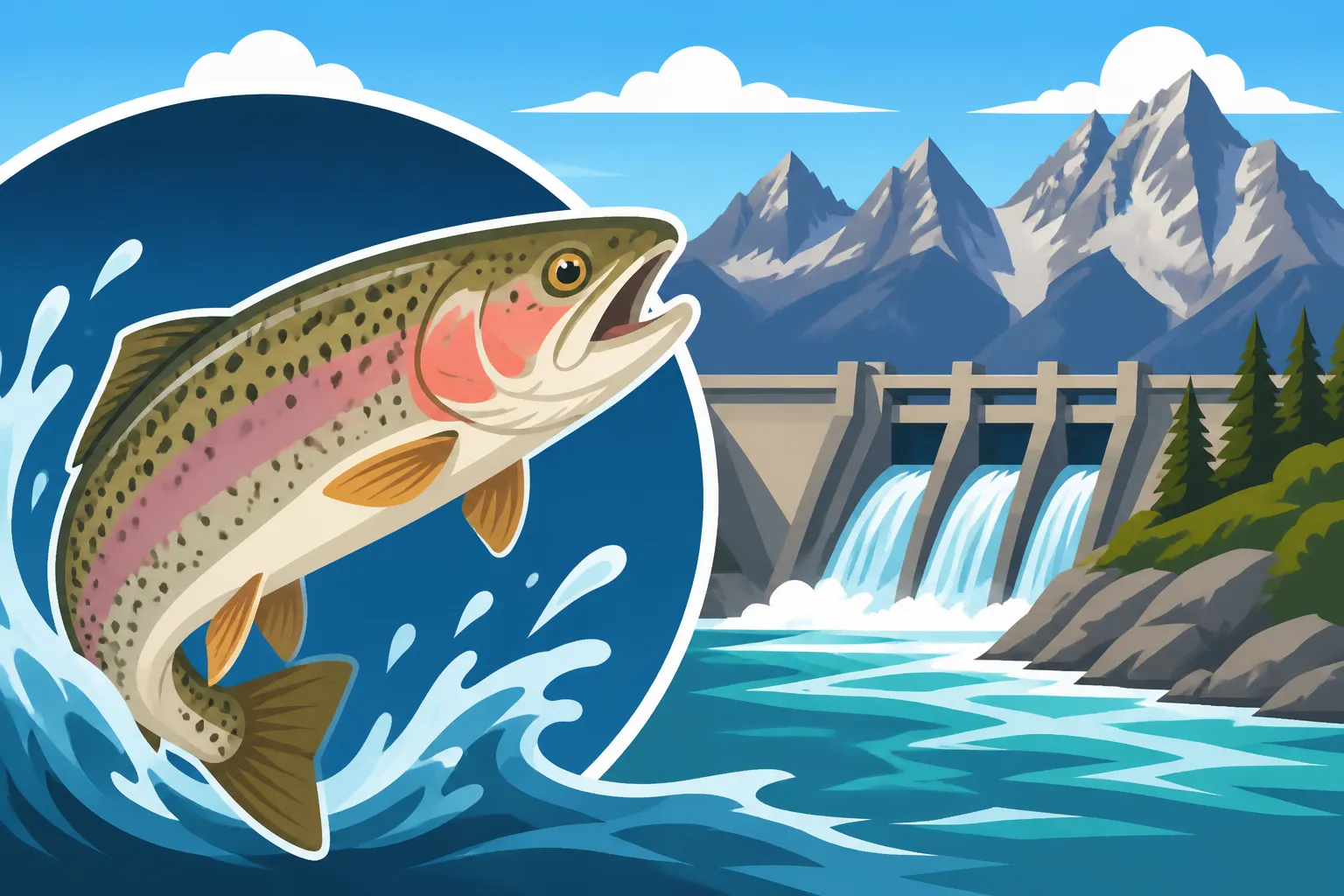
Effective for the 2026 fishing season, the daily creel limit for trout on the mainstem of the Snake River, specifically from the immediate outflow of Jackson Lake Dam downstream to the Highway 22 bridge near Wilson, has been increased. Previously, anglers in this famed stretch were typically limited to keeping three trout per day. This new regulation effectively doubles that allowance, permitting anglers to harvest up to six trout daily. This is a significant shift that reflects evolving management strategies for this vibrant ecosystem.
It’s crucial to understand that while the daily creel limit has changed, other general regulations regarding trout size, species, and overall possession limits still apply. For instance, the general statewide rule about keeping only one trout over 16 inches on certain waters often remains in effect, unless superseded by a very specific water-specific rule. Always consult the official Wyoming Fishing Regulations Every Angler Should Know booklet or the WGFD website for the most up-to-date and precise details, as exceptions can always exist. Don't assume the increase applies everywhere, it's very specific to this section.
Which Trout Species Are Affected?
When we talk about "trout" on the Snake River, it's important to clarify which species are included in this new limit. The Snake River is predominantly known for its robust population of Snake River Fine-Spotted Cutthroat Trout. These beautiful, native fish are often the primary target for anglers in this area. Rainbow trout, brown trout, and brook trout can also be found in various parts of the Snake River system, though often less frequently in the specific stretch below Jackson Lake Dam compared to the cutthroat.
The new limit of six trout per day applies collectively to all trout species caught within the designated section. This means you can't keep six cutthroat and then another six rainbow; your total daily take for all trout combined must not exceed six. This comprehensive approach simplifies enforcement and helps manage the overall trout population effectively. However, it's vital to correctly identify your catch. While most anglers will primarily be targeting cutthroat here, being able to differentiate between trout species is a fundamental skill, as other regulations might differ in other parts of the state or on different river systems.
Here's a quick look at the old vs. new limits for clarity in this specific section:
| Location | Old Daily Limit (Trout) | New Daily Limit (Trout – Effective 2026) | Notes | |
|---|---|---|---|---|
| Snake River | From Jackson Lake Dam to Highway 22 bridge (near Wilson) | 3 | 6 | Applies to all trout species combined. Always check for specific size restrictions or slot limits. |
Unpacking the "Why": Fishery Management and Ecosystem Health
When a fishing regulation changes, especially one as significant as doubling the daily limit, it naturally raises questions. Anglers, being deeply connected to the resource, often wonder about the reasoning behind such decisions. It can feel a bit jarring, like the rules of a game you love are suddenly shifting. But rest assured, these changes are not arbitrary; they are the result of extensive scientific study, population assessments, and a long-term vision for the health and sustainability of Wyoming's fisheries. The WGFD's goal is always to balance angler opportunity with conservation.
One of the primary drivers behind changes in regulations, particularly an increase in limits, is often related to population dynamics. Fish populations are constantly fluctuating due to a myriad of factors, including spawning success, habitat conditions, predation, disease, and angler harvest pressure. When studies indicate that a fish population is robust, healthy, and perhaps even exceeding its optimal carrying capacity for a specific body of water, managers may consider increasing harvest limits to benefit both the fishery and the anglers.
Managing Native Species and Invasive Pressures
The Snake River, flowing out of Jackson Lake, is a critical habitat for the native Snake River Fine-Spotted Cutthroat Trout. Conservation of these native species is a top priority for the WGFD. Sometimes, increasing harvest on a specific native species can be a management tool if biologists determine that the population is overly abundant and could benefit from some level of reduction. This can help prevent overpopulation leading to stunted growth, or it might be a response to competitive pressures from other species.
A significant factor influencing trout populations in the Jackson Hole area is the presence of non-native Lake Trout (also known as Mackinaw), particularly in Jackson Lake itself. Lake Trout are highly predatory and can have a detrimental impact on native cutthroat populations. While the new Snake River limit is on the river, not the lake, decisions made upstream often impact downstream fisheries. Efforts to manage Lake Trout populations in Jackson Lake, including the ability for anglers to keep any Lake Trout caught, are ongoing and part of a larger ecosystem management strategy that influences adjacent waters like the Snake River. For more details on this, you might explore topics like Why Lake Trout Are Considered a Problem in Yellowstone Lake or Wyoming's Lake Trout Removal Efforts in Yellowstone Lake, as similar dynamics play out in Jackson Lake.
Data-Driven Decisions and Long-Term Health
The decision to increase the trout limit on this section of the Snake River is rooted in data. WGFD fisheries biologists conduct regular surveys, electrofishing, creel censuses, and other studies to assess fish health, growth rates, age structures, and overall population numbers. If these studies indicate that the Snake River's trout population can sustain a higher level of harvest without negatively impacting its long-term health, then increasing the limit becomes a viable management option. It offers more recreational opportunity for anglers while still maintaining a balanced ecosystem. This is part of the ongoing process of How Wyoming Sets In-Season Emergency Closures and other regulation adjustments are made.
These changes don't just happen overnight; they are often proposed, subjected to public review and comment, and then adopted. This process allows stakeholders, including local anglers, guides, and conservation groups, to provide input, ensuring that the regulations reflect both scientific understanding and community values. Understanding this process can help bridge the gap between initial surprise and acceptance when new rules are announced. It's all part of the continuous effort to ensure that Wyoming remains a premier fishing destination for generations to come.
Angler's Guide to the New Rules: What You Need to Know Before You Go
Alright, so the limits have changed. Now what? Knowing about the change is one thing, but truly integrating it into your fishing plan is another. It's easy to get caught up in the excitement of a new fishing trip, but forgetting to check the latest regulations can quickly turn a fantastic day on the water into a costly mistake. The new Snake River trout limit near Jackson Lake Dam offers a bit more flexibility, but with that comes the renewed responsibility to understand exactly what you can and cannot do.
One of the biggest frustrations for anglers is the sheer volume of information to keep straight. You've got statewide rules, water-specific rules, seasonal closures, and even rules that vary by the time of year or even hour. It's a lot! But taking a few proactive steps can make all the difference, ensuring you're compliant and confident in your angling decisions.
Double-Checking the Specifics Before You Cast
Before heading out to the Snake River, your absolute first step should be to consult the most current WGFD fishing regulations. You can find these online on the WGFD website, or pick up a physical copy at any WGFD office, licensed vendor, or even major outdoor retailers. It's often helpful to keep a digital copy on your phone, or if you prefer the tactile feel and aren't afraid of a little water damage, a printed copy in your tackle box. For those who like to be extra prepared, laminated regulation cards can sometimes be found from third-party sellers on Amazon, perfect for quick reference on the water.
Pay close attention to the specific section of the Snake River mentioned: from Jackson Lake Dam downstream to the Highway 22 bridge. Regulations can change just above or below these boundaries, or on tributaries flowing into the mainstem. For example, understanding Stream Limits vs Lake Limits for Wyoming Trout is essential, as the rules for Jackson Lake itself will differ from the river flowing out of it, even though they're connected.
Understanding Daily vs. Possession Limits
With the daily creel limit for trout increasing to six, it’s also a good time to refresh your memory on the difference between daily and possession limits. A daily creel limit is the maximum number of fish you can take from a particular water in one calendar day. A possession limit is the maximum number of fish you can have in your possession at any given time, whether on the water, in your cooler, or at your camp or home.
In Wyoming, the general possession limit is typically twice the daily creel limit, unless otherwise specified. So, if the daily limit is six trout, your possession limit would likely be twelve. This is especially important for multi-day trips where you might accumulate fish over several days. You can learn more about this by reading How Bag and Possession Limits Work in Wyoming. Always be mindful of both limits to avoid any issues. For instance, if you're planning a week-long stay and catching your limit each day, you'll need to either consume your catch or ensure you don't exceed that possession limit by the end of your trip. Don't forget, if you're taking fish across state lines, there are additional rules about packaging and documentation!
Essential Gear for Compliance
With the option to keep more fish, you might want to review your gear. A reliable cooler is a must, especially if you're planning to take home some of those delicious cutthroat. A sturdy fish stringer or a large livewell can also be helpful for keeping your catch fresh throughout the day. Need a new cooler or stringer? Amazon has a wide selection that can be delivered right to your door before your trip.
It's also a good practice to carry a measuring tape or a fish ruler, especially if there are any size restrictions in place, even if the primary change is about quantity. While the focus of this particular rule change isn't on size, other nearby waters or even different species in the same water might have such restrictions, such as the famous The One-Over-16-Inch Rule on Wyoming Trout Streams. Staying informed and equipped means you can enjoy your time on the beautiful Wyoming's Snake River Fishing Guide without any worries. Knowing the rules and having the right equipment not only keeps you compliant but enhances your overall fishing experience.
Navigating Future Regulation Changes and Resources
Just like the weather, fishing regulations can change. What's true for 2026 might be adjusted again for 2027 or later, as fishery management is an ongoing, dynamic process. This can be a headache for anglers, but it's essential for the long-term health of our beloved fish populations. Staying informed isn't just about avoiding a ticket; it's about being an active participant in conservation. The WGFD continuously monitors populations and revises rules to ensure sustainable fishing for everyone.
It's helpful to remember that every regulation, no matter how minor or frustrating it may seem, is designed with a specific purpose. Whether it's to protect spawning fish, manage invasive species, or enhance opportunities for native trout, these rules are backed by science and public input. For example, understanding What Changed in Wyoming's 2026 Fishing Regulations provides a broader context for why certain decisions are made across the state.
Where to Find the Latest Information
Your go-to resource for current regulations will always be the official Wyoming Game and Fish Department website. They publish the complete fishing regulation booklet annually, usually updated for the new year around December or January. This booklet is your bible for Wyoming fishing. You can download a PDF version, which is great for keeping on your phone or tablet. Physical copies are also distributed widely throughout the state.
Beyond the annual booklet, it's a good habit to periodically check the WGFD's "News" or "Regulation Updates" sections on their website, especially if you're planning a trip to a specific area like the Snake River. This is where they announce any emergency closures, in-season adjustments, or other critical information that might not make it into the printed booklet until the next year. Often, local tackle shops and guide services are also excellent sources of up-to-the-minute information, as they deal with these regulations daily. Just make sure you're getting information from a reputable source!
The Role of Conservation Stamps and Licenses
While you're checking regulations, don't forget the other essentials: your fishing license and conservation stamp. In Wyoming, most anglers, resident and nonresident alike, need a valid license to fish, and an associated conservation stamp is often required alongside it. These funds directly support the WGFD's efforts, including the very fisheries management and research that lead to informed regulation changes like the one on the Snake River. Even if you're only planning a short trip, make sure you understand Wyoming's Annual, Daily and Five-Consecutive-Day Nonresident Licenses to pick the right option for you.
You can purchase your license and stamp conveniently online through the WGFD website or in person at various vendors across the state, including many sporting goods stores, some gas stations, and even some Walmart locations. It's always best to secure these before you head to the water. Getting caught without a valid license or stamp can lead to significant Fines and Penalties for Common Fishing Violations, which can quickly ruin any fishing trip, no matter how many fish you catch within the legal limits.
Disclaimer
Please note that fishing regulations are subject to change at any time. While this guide provides information based on the most current understanding, it is the angler's responsibility to verify all regulations with the official Wyoming Game and Fish Department before fishing. This article is for informational purposes only and should not be considered legal advice.