Are There Slot Limits on Any Wyoming Lakes?
It's incredibly frustrating when you're trying to do the right thing and follow fishing regulations, only to encounter confusing terms like "slot limits." You hear about them in other states, and then you wonder if Wyoming has them too, adding another layer of complexity to an already extensive rulebook. This guide is here to clarify exactly what slot limits are, how Wyoming approaches size restrictions, and whether you'll encounter true slot limits on any of our beautiful lakes.
Understanding Fishing Slot Limits
Before we dive into Wyoming's specific rules, let's get a clear understanding of what a "slot limit" actually is. It’s a conservation tool, but it's often confused with other length restrictions, leading to a lot of head-scratching on the water.
The Core Concept of a Slot Limit
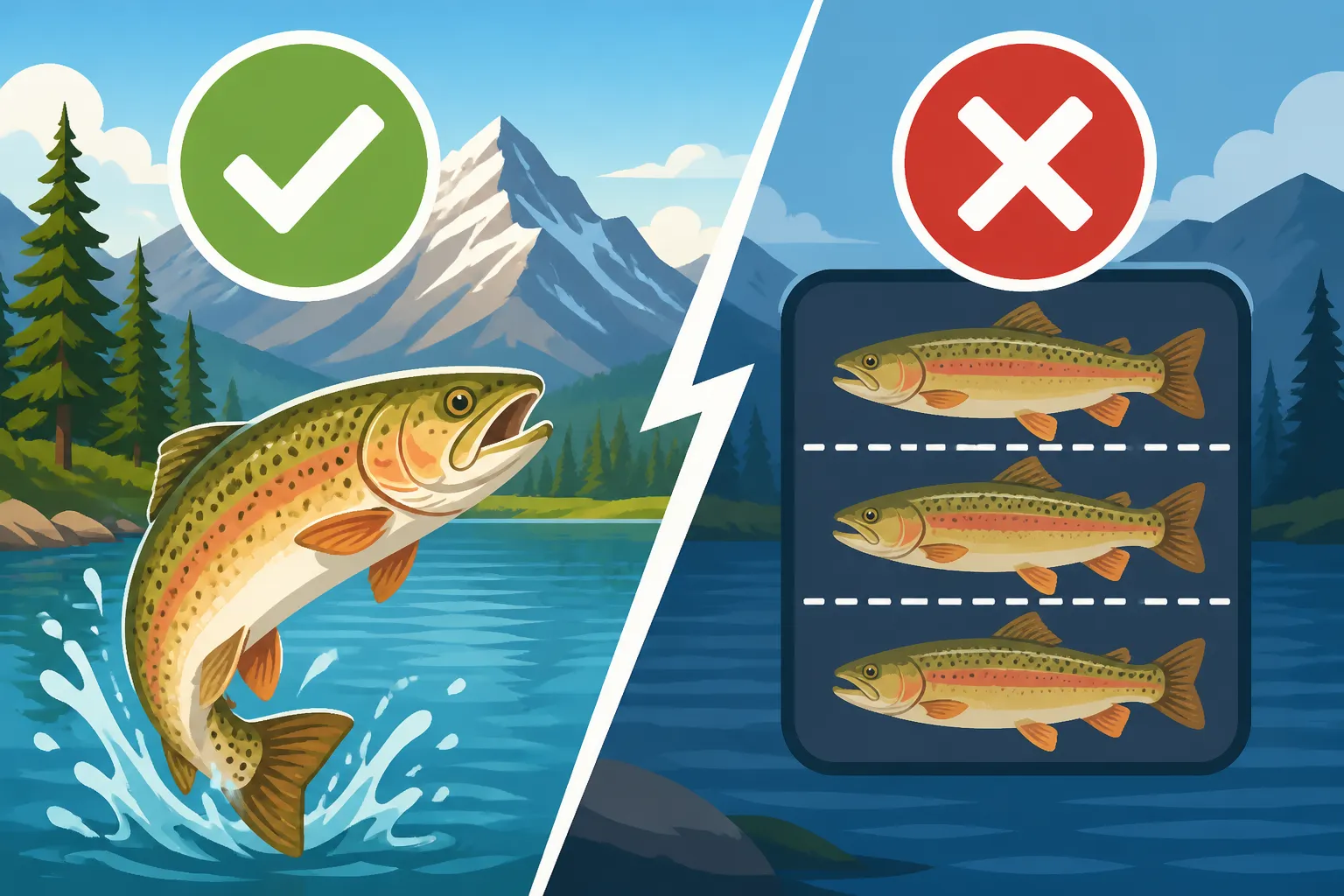
At its heart, a slot limit is a regulation designed to manage fish populations by protecting a certain size range of fish. Unlike a minimum length limit (where you can only keep fish above a certain size) or a maximum length limit (where you can only keep fish below a certain size), a slot limit protects fish within a specified range. This means you might be allowed to keep fish smaller than the slot, and sometimes fish larger than the slot, but any fish that falls into that middle "slot" must be immediately released.
Imagine a slot limit of 12-18 inches. If you catch a trout that is 11 inches, you could potentially keep it (depending on bag limits). If you catch a trout that is 14 inches, you must release it because it falls within the protected slot. If you catch a trout that is 19 inches, you might also be allowed to keep it (again, depending on bag limits and any additional maximum size restrictions). It's this "keep under, release in the middle, keep over" structure that defines a true slot limit and makes it distinct from other common length regulations.
Why Wildlife Agencies Implement Slot Limits
Wildlife agencies, like the Wyoming Game and Fish Department (WGFD), use various regulations to achieve specific management goals for different fisheries. Slot limits are often implemented with several key objectives in mind. One primary goal is to protect the spawning population. By releasing medium-sized, reproductively active fish, the agency ensures a healthy number of fish can continue to reproduce, maintaining the fishery for future generations. This is especially crucial for species that take several years to reach sexual maturity or for those facing heavy fishing pressure.
Another reason for slot limits is to promote trophy potential. By protecting a middle range of fish, these regulations allow them to grow larger, increasing the chance of anglers catching truly big fish. It can also help to thin out overpopulated smaller fish (by allowing their harvest), which in turn reduces competition for food and allows the protected middle-sized fish to grow more quickly. Conversely, sometimes larger, older fish are encouraged to be harvested if they are no longer reproducing effectively or if their predation on younger fish is impacting the population structure. It's a nuanced tool, and its application depends heavily on the specific biological dynamics of the fish species and the goals for that particular body of water.
Wyoming's Approach to Fish Length and Size Regulations
Wyoming has a well-thought-out system for managing its diverse fisheries, but it generally leans on more straightforward length and bag limits rather than complex slot limits across its vast network of lakes and rivers. This isn't to say size restrictions don't exist; they just tend to be structured differently.
Length Limits vs. Slot Limits in Wyoming
When you dive into the official Wyoming Fishing Regulations Every Angler Should Know, you'll quickly notice that the WGFD primarily uses minimum and maximum length limits, along with daily bag and possession limits, to manage fish populations. A minimum length limit, for example, might state that "all trout under 10 inches must be released." This ensures that younger fish have a chance to grow larger and contribute to the spawning population before being harvested. Conversely, a maximum length limit might state something like "only one fish over 20 inches may be kept," which aims to protect the largest, most valuable breeding stock or trophy-sized fish.
These regulations are simpler to understand and enforce than true slot limits for many anglers. While they achieve similar conservation goals in some respects, the distinction is important. A minimum limit encourages harvest of larger fish, while a maximum limit encourages harvest of smaller fish. A true slot limit, as discussed, often targets the release of the middle, most productive breeders. For a comprehensive overview, you'll want to review the official Wyoming's Annual, Daily and Five-Day License Options to ensure you understand all the components of a legal fishing trip.
Common Wyoming Size Restrictions
Instead of a broad slot limit, Wyoming often employs very specific size restrictions on certain waters that aim to protect specific segments of the fish population. Perhaps the most well-known example that functions somewhat like a partial slot, though it isn't labeled as such, is "The One-Over-16-Inch Rule on Wyoming Trout Streams." While this specific rule applies to streams and not typically lakes in the same way, it illustrates Wyoming's approach to managing size. This rule usually means that within your daily limit of four trout, only one can be over 16 inches. This protects a significant portion of larger, breeding-sized trout while still allowing anglers to keep some smaller fish.
For lakes, you'll often see specific daily bag limits with an accompanying length restriction, such as "four trout, no more than one over 20 inches." This effectively creates a protected range above a certain size for most of your limit, similar to a maximum length limit. You'll find these nuances detailed in sections like Wyoming Trout Lake Daily Limit or specific water-specific rules by checking the official WGFD regulations. These rules are designed to balance angler opportunity with the health of the fishery, ensuring that popular lakes remain vibrant for years to come. Remember that these regulations can vary significantly from one body of water to another, so always check the specific rules for your chosen fishing spot.
Are There Any True Slot Limits on Wyoming Lakes?
This is the burning question, and the short answer is: true, classic slot limits are exceptionally rare, if they exist at all, on Wyoming lakes. The WGFD generally opts for more direct length and bag limits.
Specific Examples or Lack Thereof
As of my most up-to-date information, a traditional "slot limit" where you must release fish within a specific middle size range (e.g., "release all trout 12-18 inches") is not a common regulation structure applied to Wyoming lakes. Instead, what you will find are:
- Minimum Size Limits: Common for species like Yellowstone Cutthroat Trout in some areas to allow them to reach maturity. For example, some regulations might state "no trout less than 12 inches may be harvested."
- Maximum Size Limits (or "Trophy Limits"): This is far more prevalent. Many lakes and reservoirs will have a rule like "of the daily limit, only one fish may be over 20 inches." This protects the larger, often older, and genetically superior fish. You can see this reflected in details like How Many Trout Over 16 Inches You Can Keep in Wyoming.
- Reduced Limits for Specific Species or Waters: Some lakes might have reduced daily bag limits for certain species to protect a struggling population, rather than focusing on a size slot.
These types of regulations serve similar conservation purposes without the added complexity of a true slot limit. For instance, in places like Jackson Lake, while there isn't a slot limit, specific rules around trout harvest exist, often influenced by the ongoing management of non-native species. Similarly, you'll find unique rules on waters like Boysen Reservoir, known for its walleye, which will focus on bag limits and sometimes maximum sizes rather than a release slot. The overall goal is to manage the specific fish populations effectively, and in Wyoming, simpler length and bag restrictions are generally favored.
How to Find Water-Specific Regulations
The single most important tool an angler can possess in Wyoming is the current year's fishing regulation booklet. This isn't just a suggestion; it's essential. The regulations are updated annually, and sometimes even in-season emergency closures or changes can occur. You can pick up a physical copy at any WGFD office, most sporting goods stores, and even many gas stations and grocery stores across the state. They're also readily available online, which is often the most convenient way to check the latest rules right before you head out. You can even find helpful accessories like waterproof regulation holders on Amazon that keep your booklet pristine.
The WGFD website is a fantastic resource for checking current regulations. They have an interactive map and a searchable database where you can input the name of the lake or river you plan to fish and pull up all the specific rules for that particular water. This is crucial because, as mentioned, rules can vary wildly. For instance, the rules for Flaming Gorge Reservoir might be completely different from those for a high mountain lake in the Wind River Range. Don't rely on old information or hearsay; always verify the current regulations for Where to Find Current Wyoming Fishing Regulations before you cast your line.
The Impact of Size Restrictions on Wyoming Fisheries
While true slot limits might be rare on Wyoming lakes, the existing length and bag limits play a crucial role in maintaining the health and vitality of our state's diverse aquatic ecosystems. These regulations are far more than just arbitrary rules; they are scientifically determined strategies.
Protecting Brood Stock and Trophy Potential
One of the primary benefits of Wyoming's length restrictions, particularly maximum length limits and "one over X inches" rules, is the protection of mature brood stock. These are the larger, older fish that are vital for successful reproduction. Allowing these fish to continue spawning ensures a consistent supply of new generations, preventing population crashes and promoting genetic diversity. Without such protections, overharvest of large, reproductively active fish could severely diminish a fishery's long-term health.
Furthermore, these regulations directly contribute to the potential for trophy fishing. By limiting the harvest of the largest fish, the WGFD encourages them to continue growing, reaching truly impressive sizes. This is a huge draw for anglers who dream of catching a massive brown trout from the North Platte River or a giant lake trout from Flaming Gorge. It’s a delicate balance: allow enough harvest to provide opportunity, but protect enough to ensure future trophies. This strategic approach is also why you'll see rules like Wyoming's Combined Possession Limit Explained, which considers all species in an angler's possession, not just a single daily catch.
Balancing Harvest and Conservation
The WGFD's regulations, including length and bag limits, are a constant balancing act between allowing anglers to enjoy their sport and ensuring the long-term sustainability of the fish populations. Anglers contribute significantly to conservation efforts through their license purchases, like the Wyoming Conservation Stamp and What It Covers, and their desire to harvest fish is a natural part of the outdoor experience. However, unchecked harvest can quickly deplete a fishery, especially in waters with limited productivity or high fishing pressure.
The WGFD continuously monitors fish populations, habitat conditions, and angler harvest rates. They use this data to adjust regulations, making them more restrictive if a population is declining or, occasionally, more liberal if a population is robust and can sustain increased harvest. For instance, understanding Why Stream and Lake Trout Limits Differ in Wyoming comes down to the different ecological dynamics of those environments. Lakes often have different growth rates and carrying capacities compared to rivers. By adapting regulations to these specific conditions, Wyoming ensures that anglers can continue to enjoy the bounty of its waters for generations to come, while also fostering a healthy and resilient fish population.
Wyoming Fishing Size Regulations Overview
Here’s a simplified table comparing a hypothetical "true slot limit" with the types of length restrictions you're more likely to encounter in Wyoming. This helps to illustrate why the term "slot limit" isn't commonly applied to Wyoming's specific rules for lakes.
| Regulation Type | Description | Typical Wyoming Application (Lakes) | Angler Action | Conservation Goal |
|---|---|---|---|---|
| True Slot Limit | Fish within a certain size range must be released. Fish outside can be kept. | Rare/Not commonly used on lakes. Wyoming prefers other methods. | Release fish between X and Y inches. Keep under X or over Y (if allowed). | Protect prime breeding stock, enhance trophy potential by thinning smaller fish. |
| Minimum Length Limit | All fish under a certain size must be released. | Common for specific species/waters. | Release all fish shorter than X inches. Keep fish X inches and larger. | Allow fish to reach reproductive maturity and/or larger size before harvest. |
| Maximum Length Limit | All fish over a certain size must be released (or only one can be kept). | Very common on trophy waters. | Release all fish longer than Y inches (or only keep one). Keep fish shorter than Y. | Protect largest, oldest, most valuable brood stock, enhance trophy experience. |
| "One Over X Inches" | Of the daily limit, only one fish can exceed a specific length. | Common on many trout waters (streams and some lakes). | Keep smaller fish, but only one large fish. | Protect most large fish for breeding, allow some trophy harvest. |
Always Check the Latest Regulations
It's clear that while the term "slot limit" might not be commonly used for Wyoming lakes, the spirit of managing fish populations through size restrictions is very much alive and well. The Wyoming Game and Fish Department is diligent in its efforts to maintain healthy fisheries, and understanding their regulations is your part in that conservation effort.
Remember, fishing regulations are not static. They can change annually, and sometimes even mid-season, based on biological assessments, environmental conditions, and management goals. Always consult the most current version of the WGFD Fishing Regulations before you head out. You can find these online, at local license vendors, and by speaking directly with WGFD personnel. Being informed ensures you have a legal and enjoyable day on the water, contributing to the health of Wyoming's incredible fishing resources.
Disclaimer
The information provided in this guide is for general informational purposes only and is subject to change. Always consult the official Wyoming Game and Fish Department regulations for the most current and accurate fishing rules and laws before engaging in any fishing activities.