Can a Nonresident Landowner Get Resident Rates in Wyoming?
It's a really common question, and one I hear a lot from folks who have fallen in love with Wyoming's wide-open spaces and decided to buy some land here: "Now that I own property, surely I qualify for resident fishing rates, right?" The dream of living that Wyoming lifestyle, even part-time, often comes with the hope of accessing all the perks, but when it comes to fishing licenses, the reality can be a bit more complicated and, frankly, a little frustrating. This guide is here to unravel the truth about Wyoming's residency rules for fishing licenses, especially for nonresident landowners.
Understanding Wyoming Residency for Fishing Licenses
When you're looking to cast a line in Wyoming's pristine waters, whether it's for the majestic cutthroat in a high-mountain lake or a monster lake trout in Flaming Gorge, having the right license is paramount. And for many, the cost difference between a resident and nonresident license can be quite significant, leading to the natural question of how to qualify for those resident rates. Unfortunately, simply owning land in Wyoming doesn't automatically grant you this privilege.
The Core Definition of a Wyoming Resident
The Wyoming Game and Fish Department (WGFD) has a very specific and strict definition of what constitutes a "resident" for the purpose of hunting and fishing licenses. It's not just about owning a piece of the Cowboy State. To be considered a resident, you must be a domiciled resident of Wyoming for at least one full year immediately preceding the date of application for a license. Domicile is the key word here, and it means Wyoming is your true, fixed, and permanent home and principal establishment, and to which, whenever you are absent, you intend to return.
This goes beyond just having a mailing address. It usually involves a combination of factors that demonstrate your intent to make Wyoming your primary home. Think about things like where you file your state income taxes (if any), where your vehicle is registered, where you hold your driver's license, where you vote, and even where your children attend school. These are all indicators that the WGFD might consider when evaluating a residency claim. It's a comprehensive look at your life, not just your property portfolio. If you want to dive deeper into these rules, check out our guide on What Counts as a Wyoming Resident for Licensing.
Why Nonresident Landownership Doesn't Automatically Qualify
This is where the rubber meets the road and often causes the most confusion and disappointment. While owning property in Wyoming certainly makes you a valued contributor to the state's economy and a part of its community, it doesn't, on its own, fulfill the WGFD's residency requirements for a fishing license. The legal standard for residency focuses on where you primarily live, not where you own land. Many people own vacation homes, cabins, or investment properties in Wyoming, but their primary residence, their domicile, remains in another state.
Imagine a scenario: you live in Denver, Colorado, have your primary job there, your kids go to school there, and your main vehicle is registered there. However, you've invested in a beautiful ranch outside Dubois, Wyoming, where you spend your summers. While you might consider that ranch your second home, and you contribute to Wyoming's property taxes, for fishing license purposes, you are still considered a nonresident because your primary domicile remains in Colorado. The intent of the law is to provide benefits to those who are truly making Wyoming their permanent home and contributing to the state year-round, not just seasonally. It’s a common point of contention, but the WGFD's stance on this is pretty firm, as outlined in the Wyoming Resident vs Nonresident License Rules.
Special Considerations for Nonresident Landowners
Even though land ownership alone doesn't grant resident rates, it's worth understanding the depth of the "domicile" requirement and exploring any nuances. While specific exceptions for nonresident landowners regarding fishing licenses are extremely rare, understanding the full scope of residency is crucial.
The "Domicile" Requirement: More Than Just an Address
The concept of domicile isn't unique to Wyoming, but its strict application for state-issued licenses is something many out-of-state landowners find challenging. Domicile really boils down to your intent to make Wyoming your permanent home. It's about severing ties with your former state of residence and establishing deep roots here. This means:
- Physical Presence: You must actually reside in Wyoming for the required 365 consecutive days. This isn't just about having a house; it's about living in it as your primary home.
- Intent to Remain: This is the trickiest part to prove. It's not enough to say you plan to live in Wyoming someday. You need to demonstrate active steps, like obtaining a Wyoming driver's license, registering all your vehicles here, changing your voter registration, transferring professional licenses, establishing local banking, and enrolling children in Wyoming schools. Even things like terminating a lease or selling a home in another state can be important evidence.
- Absence vs. Abandonment: If you leave Wyoming temporarily (say, for work or a long vacation), that doesn't necessarily break your residency, as long as your intent is clearly to return to Wyoming as your permanent home. However, if you move out and establish a new domicile elsewhere, you lose your Wyoming resident status.
The WGFD isn't trying to make it hard for people to enjoy Wyoming; they're simply protecting the resources and ensuring that resident benefits are reserved for true residents. This consistent application of the domicile rule is a cornerstone of Wyoming Fishing Regulations Every Angler Should Know.
Potential Exceptions and Specific Scenarios: A Narrow Path
For fishing licenses, genuine "exceptions" that would grant resident rates solely to a nonresident landowner without meeting the full domicile requirement are virtually non-existent. The WGFD's regulations are quite clear. However, there are some scenarios that, while not specific to landownership, might create opportunities for people with ties to Wyoming:
- Active Duty Military: Service members stationed in Wyoming (and their dependents) can often qualify for resident licenses, regardless of their official state of domicile. This is a federal allowance, not an exception based on land ownership.
- Full-Time Students: Students attending an accredited institution in Wyoming on a full-time basis, who meet certain criteria, might also qualify. Again, this isn't about property ownership but about a temporary residency for educational purposes that is recognized under specific regulations.
- Individuals Moving with Intent: The most common path for a nonresident landowner to eventually gain resident status is to genuinely move to Wyoming, establish domicile, and fulfill the 365-day continuous physical presence requirement. Your Wyoming property would then become your actual, permanent residence. This is a choice, not an automatic benefit of ownership.
It's important to differentiate between merely owning land and genuinely moving your life to Wyoming. While having a property here is a great start, the WGFD needs evidence that your primary life, taxes, and daily existence are now centered in Wyoming.
Navigating the System as a Nonresident Landowner
So, if you own land in Wyoming but don't yet meet the strict residency requirements, what are your options for fishing? The good news is that Wyoming welcomes nonresident anglers with open arms; you'll just need to purchase the appropriate nonresident license.
What Licenses Are Available for Nonresidents
Wyoming offers a variety of nonresident fishing licenses designed to accommodate different lengths of stay and preferences. These include:
- Annual Nonresident Fishing License: This license is valid for the entire calendar year (January 1st to December 31st). It's a great option if you plan to visit and fish multiple times throughout the year. The Wyoming Nonresident Fishing License Cost is higher than resident rates, but it offers unlimited fishing opportunities within the regulatory framework.
- Five-Consecutive-Day Nonresident Fishing License: Perfect for a longer vacation or a dedicated fishing trip. You pick your start date, and the license is valid for five consecutive days. This often provides a cost saving compared to buying multiple daily licenses for an extended stay.
- Daily Nonresident Fishing License: If you're just passing through or only have one or two days to fish, the daily license is your most flexible option. You can purchase these as needed for each day you plan to fish.
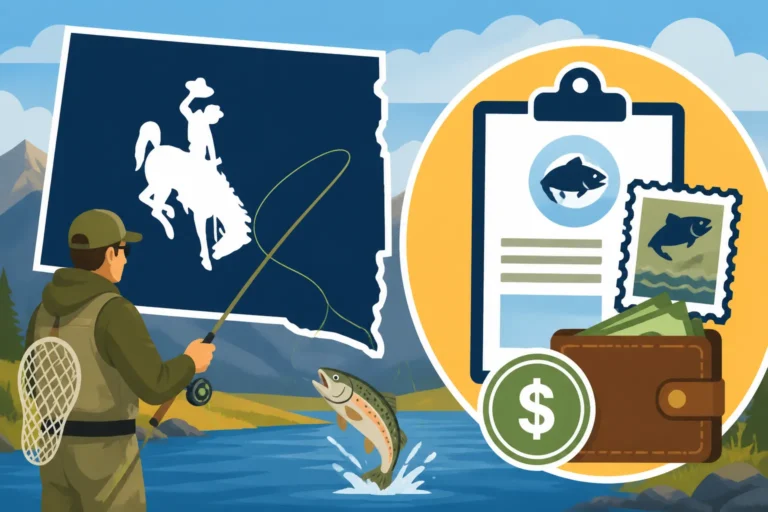
You can learn more about these choices in Wyoming's Annual, Daily and Five-Day License Options. Remember, regardless of which license type you choose, if you are 14 years or older, you will also need to purchase a Wyoming Conservation Stamp. This stamp is vital for funding crucial conservation efforts throughout the state. While available at most license vendors, you can often add it directly to your cart if you're purchasing your license online.
How to Legally Qualify for Residency If You Really Want To
For those nonresident landowners who genuinely aspire to make Wyoming their full-time home and thus qualify for resident fishing rates, the path is clear but requires commitment. Here’s a general outline of the steps you would need to take:
- Establish Domicile in Wyoming: This means physically moving to your Wyoming property and making it your primary residence.
- Sever Ties with Your Former State:
- Change your driver's license to Wyoming.
- Register all your vehicles in Wyoming.
- Register to vote in Wyoming.
- Change your mailing address for all official correspondence.
- File state income taxes (if applicable) in Wyoming.
- If you have a home in another state, either sell it or rent it out, demonstrating that it's no longer your primary residence.
- Move utility bills, banking, and professional licenses to Wyoming.
- Maintain Continuous Physical Presence: You must reside in Wyoming for a full 365 consecutive days. Brief absences for vacation or work are usually acceptable, but your primary home and intent must remain firmly in Wyoming.
- Gather Documentation: Keep records of all these changes. The WGFD might require proof of your domicile and continuous residency if you apply for a resident license after establishing your new home.
- Apply for a Resident License: After meeting all the criteria for 365 days, you can then apply for a resident fishing license.
This process isn't to be taken lightly, as the WGFD does audit residency claims to prevent misuse. Falsifying residency information can lead to significant penalties, including fines and loss of future hunting and fishing privileges. It's always best to be truthful and ensure you genuinely meet the criteria.
Practical Advice and Next Steps
Whether you decide to embrace nonresident licensing or embark on the journey to establish full residency, enjoying Wyoming's incredible fisheries is the ultimate goal. Planning ahead and staying informed are your best tools.
The Importance of Accurate Information
The single most crucial piece of advice for any angler in Wyoming, especially those navigating residency questions, is to rely on official sources. The Wyoming Game and Fish Department website (wgfd.wyo.gov) is your authoritative guide. You can find detailed regulations, definitions, and application information there.
It's also a great idea to download and Reading the Wyoming Fishing Regulations Booklet each year. These booklets are incredibly detailed and cover everything from general rules to water-specific regulations. You can often find a physical copy at local WGFD offices, sporting goods stores, or even order one online from places like Amazon if you prefer a tangible reference to keep in your tackle box. Don't rely on hearsay or outdated information you might find on various forums. The rules can change, and being caught unaware is not a fun experience. For instance, knowing when you need a Carrying Your Wyoming Fishing License in the Field is really important to avoid any trouble.
Planning Your Fishing Trip with Nonresident Licenses
Even with nonresident rates, a fishing trip to Wyoming is an unforgettable experience. Here’s how to make the most of it:
- Budgeting for Licenses: Factor in the cost of your chosen nonresident license. If you're coming for a specific amount of time, weigh the benefits of a 5-day license versus multiple daily licenses to see which is more economical. For example, How Much a Nonresident Saves With a 5-Day License Over Daily Rates can be significant if you're fishing most of the week.
- Purchasing Your License: You can buy your Wyoming fishing license online directly from the WGFD website. This is often the most convenient option, allowing you to print it at home or save it to your phone. Alternatively, you can purchase licenses in person at WGFD offices or authorized license vendors throughout the state, including many sporting goods stores, some general stores, and even a few gas stations. Our guide on Where and How to Buy a Wyoming Fishing License has all the details.
- Know Before You Go: Research your desired fishing spots and the specific regulations for those waters. Wyoming has many unique rules for different rivers and lakes, including special bait restrictions, catch-and-release only sections, or varying bag limits. The more prepared you are, the less likely you are to encounter issues. Remember, violations can lead to Fines and Penalties for Common Fishing Violations, so being informed is crucial.
- Gear Up: While you're browsing for your license, you might consider checking out some essential gear. Reputable online retailers like Amazon offer a vast selection of fishing rods, reels, lures, and tackle that can be shipped directly to your door before your trip. Having the right equipment for Wyoming's diverse fisheries, from fly fishing on a pristine river to trolling for lake trout, will greatly enhance your experience. Consider packing a good pair of waders if you plan on stream fishing!
- Consider a Guide: If you're new to Wyoming's waters or want to maximize your time, consider hiring a local fishing guide. They can navigate the regulations, put you on fish, and provide an invaluable experience.
Becoming a part of the Wyoming landscape as a landowner is special, and enjoying its fisheries is a natural extension of that connection. While the residency rules for fishing licenses are clear, they don't diminish the incredible opportunities available to all anglers in this magnificent state. For a complete overview of what nonresidents need to know, take a look at our Wyoming Fishing License Guide for Nonresidents.
Wyoming Fishing License Comparison Table
Here's a quick overview of the general differences between resident and nonresident annual fishing licenses in Wyoming. Keep in mind that prices are subject to change, and additional stamps or permits (like the Conservation Stamp) may be required. This table is for general comparison and does not include special license types or specific short-term options.
| Feature | Wyoming Resident Annual Fishing License | Wyoming Nonresident Annual Fishing License |
|---|---|---|
| Primary Requirement | Domiciled resident for 1+ year | Not a domiciled resident of Wyoming |
| Cost (Approximate) | Generally lower (e.g., ~$27) | Generally higher (e.g., ~$100) |
| Validity | Calendar year (Jan 1 – Dec 31) | Calendar year (Jan 1 – Dec 31) |
| Conservation Stamp | Required (additional cost) | Required (additional cost) |
| Eligibility by Land Ownership | No automatic eligibility; must meet domicile criteria | No automatic eligibility; still nonresident |
| Required Documentation | Proof of domicile, valid ID | Valid ID |
| Primary Benefit | Reduced cost, supports local residents | Access to all state waters |
Note: The prices listed are approximate and subject to change by the Wyoming Game and Fish Department. Always check the official WGFD website for current pricing and regulations.
Disclaimer
The information provided in this guide is for general informational purposes only and does not constitute legal advice. Fishing regulations and residency requirements in Wyoming are complex and subject to change. Always consult the official Wyoming Game and Fish Department website (wgfd.wyo.gov) or contact them directly for the most current and accurate information before purchasing a license or planning your fishing trip. Failure to comply with regulations can result in fines and penalties.