Is Bowfishing for Carp Legal in Wyoming Lakes?
It's incredibly frustrating when you're keen to explore a different fishing method like bowfishing, only to be met with a confusing maze of regulations. Many anglers wonder if this unique and active way to target certain fish is even allowed in Wyoming, especially for common species like carp that sometimes get a bad rap. This guide will cut through the confusion and walk you through everything you need to know about bowfishing for carp in Wyoming's beautiful lakes and reservoirs.
The Legality of Bowfishing for Carp in Wyoming Lakes
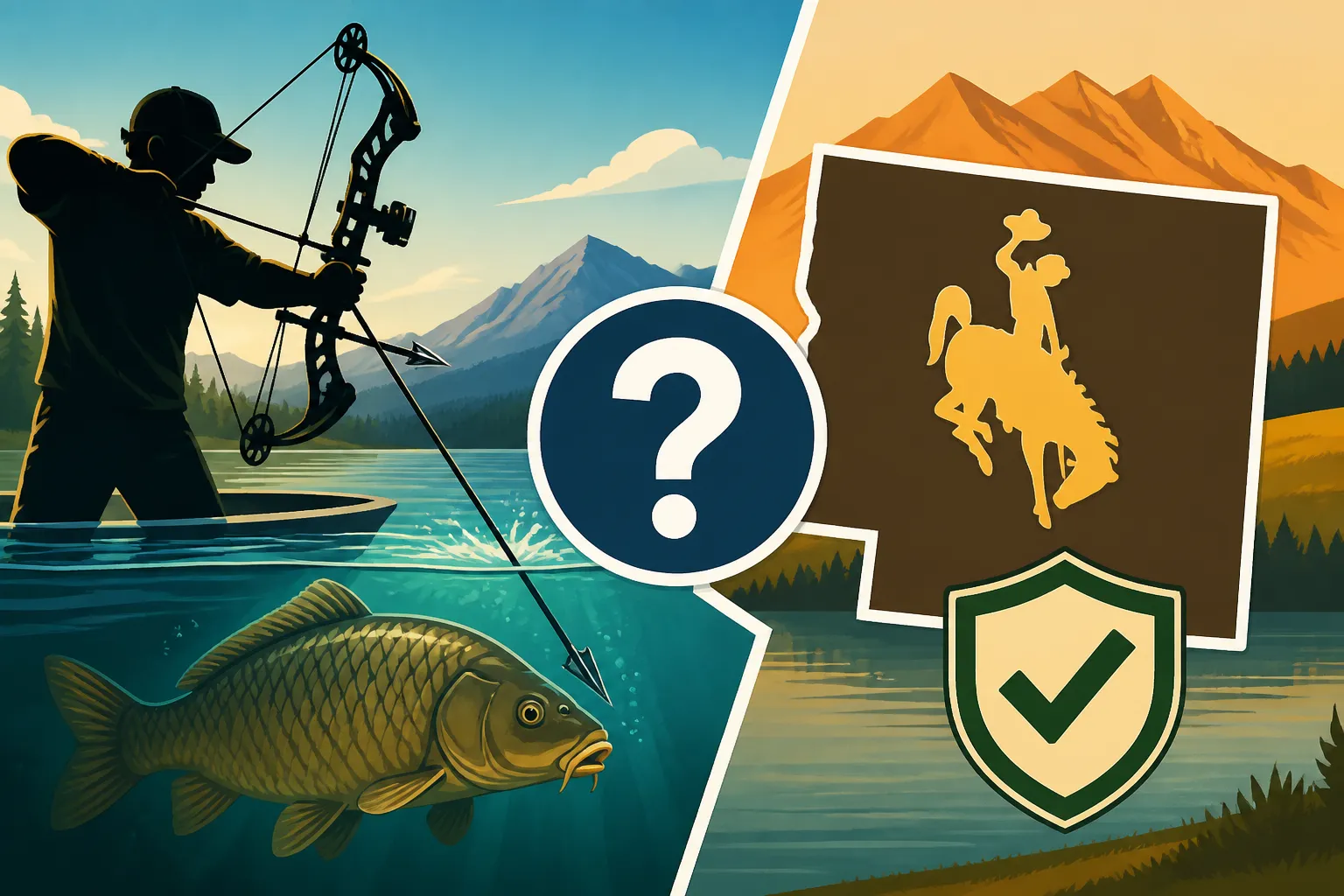
Let's get right to it: Yes, bowfishing for carp is indeed legal in Wyoming lakes and most waters. The Wyoming Game and Fish Department (WGFD) actually encourages the harvest of certain non-game fish species like carp, as they can sometimes become overpopulated and negatively impact native fish habitats and water quality. Unlike many game fish, carp often don't have strict bag or possession limits, making them an excellent target for bowfishing enthusiasts. This open approach is a welcome relief for those who love the thrill of an active hunt combined with the joy of fishing.
The key distinction here lies in how the WGFD classifies fish. Game fish, like trout and salmon, have very specific rules about seasons, size, and how many you can keep, as detailed in guides like the annual Wyoming Fishing Regulations Every Angler Should Know. Non-game fish, which include various suckers, chub, and crucially, carp, are typically managed with much fewer restrictions. Because carp are often considered an invasive species in many Wyoming waters, particularly in some reservoirs, their removal is generally seen as beneficial to the ecosystem. This makes them a prime candidate for alternative harvest methods like bowfishing, which might be prohibited for protected or native game species.
Understanding Non-Game Fish Status
Carp, specifically common carp, are not native to Wyoming's waters. They were introduced many years ago and have since thrived, often to the detriment of native fish populations and aquatic vegetation. They are bottom-feeders, stirring up sediment and sometimes contributing to increased turbidity, which can affect light penetration and the growth of beneficial plants that other fish rely on. This is why the WGFD has a fairly liberal stance on harvesting them.
When you're out there, it's important to know your target. While carp are fair game, ensure you can accurately identify them to avoid accidentally targeting any protected or native fish. The rules are clear: bowfishing is generally reserved for non-game fish species. Misidentifying your target could lead to fines, so it's worth brushing up on your fish identification skills before you head out. This classification as a non-game fish also means that many of the specific "bag and possession limits" you'd find for trout or walleye, as outlined in articles like How Bag and Possession Limits Work in Wyoming, simply don't apply to carp. You're typically free to harvest as many as you can.
Licensing Requirements for Bowfishing
Even though you're targeting non-game fish with a bow, you still need a valid Wyoming fishing license. Think of it this way: you're still "fishing," even if your tackle looks a bit different. The same licensing rules that apply to traditional rod-and-reel anglers also apply to bowfishers. This means if you're a nonresident, you'll need to obtain a nonresident fishing license. If you're a Wyoming resident, your resident license is all you need.
It's crucial to always carry your license with you when you're in the field. Game Wardens patrol lakes and reservoirs, and they expect to see a valid license, regardless of your fishing method. Not having one can result in significant penalties, as discussed in Fines and Penalties for Common Fishing Violations. This requirement ensures that all anglers contribute to the conservation efforts supported by license fees, which go towards habitat improvement, stocking programs, and enforcement. So, before you even string your bow, make sure that license is tucked securely in your tackle box or wallet.
Equipment and Safety Considerations for Wyoming Bowfishing
Bowfishing isn't just about grabbing your deer hunting bow and heading to the lake. It requires specialized equipment designed to handle the unique challenges of shooting into water and retrieving your catch. The setup is quite different from traditional archery, and understanding the gear is key to a safe and successful outing. It's also vital to prioritize safety, not just for yourself but for other water users and wildlife.
Your primary tool will be a bow, but typically, bowfishing bows are simpler and lighter than hunting bows, often recurves or older compound bows. You'll need a specialized bowfishing reel, which can be a simple hand-wrap reel or a more advanced spincast-style reel, mounted to your bow. These reels are designed to hold heavy, braided line that can withstand the pull of a large carp. Crucially, bowfishing arrows are much heavier than target arrows, lack fletching (feathers), and feature a barbed point that expands to hold the fish once it's penetrated. A safety slide on the arrow prevents the line from tangling in the bowstring, a potentially dangerous situation. Many aspiring bowfishers find it easy to get started by picking up a complete bowfishing kit from online retailers like Amazon, which often include a basic bow, reel, and arrows.
Essential Bowfishing Gear
Having the right gear makes all the difference for a safe and enjoyable bowfishing experience. While you can adapt an existing bow, dedicated bowfishing setups are designed for the rigors of underwater shooting.
| Gear Item | Description | Why It's Essential |
|---|---|---|
| Bow | Recurve or compound bow, often with lower draw weight (30-50 lbs) | Provides power for arrows, often simpler than hunting bows for quick shots. |
| Bowfishing Reel | Spincast reel or hand-wrap reel, spooled with heavy, braided line (80-200 lb test) | Manages line, allows for quick retrieval of fish and arrows. |
| Bowfishing Arrows | Solid fiberglass or carbon arrows, no fletching, with barbed points and a safety slide | Designed to penetrate water, hold fish, and prevent dangerous line tangles. |
| Line | Heavy-duty braided fishing line, specifically for bowfishing | Strong enough to retrieve fish and withstand abrasion from underwater obstacles. |
| Arrow Rest | Specialized rest, often full-containment, to hold the heavy arrow securely | Prevents the arrow from falling off the rest during frantic shooting. |
| Polarized Sunglasses | Reduces glare on the water, allowing you to spot fish more easily | Improves visibility into the water, crucial for targeting carp. |
| Gloves | Protects hands from sharp fins, scales, and bowstring friction | Safety and comfort, especially when handling rough fish or continuously shooting. |
| Sunscreen & Hat | Protection from prolonged sun exposure, especially on open water | Essential for comfort and preventing sunburn during long hours on the water. |
| First Aid Kit | For minor cuts, scrapes, or other small injuries | Always a good idea when engaging in outdoor activities. |
| Wading Boots/Shoes | Provides grip and protection when wading in shallow waters | Prevents slips and protects feet from sharp objects or rough bottom. |
| Stringer/Cooler | For keeping your harvested carp fresh | Essential for managing your catch, especially since carp can be quite large. |
Before you head out, inspect all your gear. Ensure your line is free of frays, your arrow points are sharp, and your safety slide is correctly installed. It's a good practice to perform a few test shots in a safe backstop (not into open water unless you're retrieving immediately) to ensure everything is functioning correctly. Don't forget, if you're planning on shooting from a boat, you'll need all the appropriate boat safety equipment as well.
Safe Bowfishing Practices
Safety is paramount when bowfishing. Unlike traditional rod-and-reel fishing, you're discharging an arrow, which is a powerful projectile. Always be aware of your surroundings:
- Know your background: Never shoot an arrow if you don't know what's beyond your target. While shooting into water, remember that arrows can ricochet or pass through shallower water, potentially hitting objects or people on the other side.
- Identify your target: Only shoot at fish you can clearly identify as carp or other legal non-game species. Shooting at a game fish by accident could lead to legal trouble, even if you weren't intentionally violating Wyoming's Combined Possession Limit Explained or other game fish regulations.
- Handle your bow properly: Treat your bow like a loaded firearm. Keep your arrow pointed in a safe direction. Always use a safety slide on your arrow to prevent the line from snapping back at you. This is a critical safety feature that prevents entanglement and potential injury.
- Mind other recreationists: Wyoming lakes and rivers are used by many people – boaters, swimmers, paddleboarders, and other anglers. Maintain a safe distance and never shoot in areas where there's a risk of injuring others. If a spot is crowded, find another.
- Wade with caution: When wading, be mindful of uneven footing, submerged obstacles, and swift currents. Rivers in particular can have very strong currents, and a misstep could be dangerous.
The WGFD's regulations booklet, which you can typically find at their offices or on their website, is your ultimate resource. While bowfishing for carp is allowed, always double-check for any water-specific closures or regulations. For instance, some waters might have different rules for specific sections or might be temporarily closed due to spawning or other conservation efforts. You can always check Where to Check Current Wyoming Water Closures before you head out.
Where to Find Carp and Best Bowfishing Opportunities
Wyoming is home to countless lakes and reservoirs, and many of them offer fantastic opportunities for bowfishing carp. These fish tend to prefer warmer, shallower waters with muddy or silty bottoms, often found in the bays and inlets of larger reservoirs or slower moving sections of rivers. Targeting these areas where they feed and congregate will significantly increase your chances of success.
When you're looking for carp, think "weedy and shallow." They love to root around in the soft bottom, disturbing sediment, which can often give away their presence. Look for murky water, small schools of fish cruising near the surface in bays, or even fins breaking the surface, especially during warmer months. Early morning and late evening often provide the best visibility and carp activity, as they move into shallower areas to feed. On bright, sunny days, polarized sunglasses are absolutely essential to cut the glare and see into the water.
Prime Carp Bowfishing Locations
Many of Wyoming's larger reservoirs are excellent places to find carp. While specific hot spots can change year to year based on water levels and conditions, certain areas are generally reliable.
- Boysen Reservoir: Located near Shoshoni, Boysen is a massive body of water known for its diverse fishery, including a healthy population of carp. Look for them in the shallower bays and warmer coves, especially around the cattails and submerged vegetation.
- Keyhole Reservoir: In northeastern Wyoming, Keyhole is another great spot. The reservoir's often turbid waters and numerous shallow coves create ideal carp habitat. You'll find plenty of areas to wade or use a boat for bowfishing.
- Glendo Reservoir: Near the town of Glendo, this reservoir offers extensive shallow areas and backwaters where carp congregate. The North Platte River arm flowing into Glendo can also hold significant numbers of carp, particularly in slower sections.
- Ocean Lake: Located near Riverton, Ocean Lake is well-known for its large carp population. Its shallow, fertile waters make it a carp haven, and bowfishing here is a popular activity.
- Private Ponds and Irrigation Canals: With landowner permission, many private ponds and irrigation canals can offer exceptional bowfishing for carp. These smaller, often warmer waters can concentrate carp, providing excellent opportunities. Always ensure you have explicit permission before accessing private property.
Remember, fish can move, so what was a hot spot last year might be different this year. Local knowledge, talking to other anglers, or even visiting local tackle shops (like Rocky Mountain Discount Sports if you're near Casper, though many places carry gear you might find on Amazon) can give you the most up-to-date information on carp movements and concentrations.
Seasonal Considerations and Tactics
While carp can be found year-round, bowfishing is generally most productive from late spring through early fall, when the water is warmer and carp are more active in the shallower areas.
- Spring: As water temperatures rise, carp move into shallower spawning areas. This can offer excellent opportunities, but be mindful of game fish spawning areas if you're in a mixed-species lake, and ensure you're only targeting carp.
- Summer: Peak season for bowfishing. Carp are very active, often found near the surface in warm, weedy bays. This is when sight-fishing is at its best, especially on calm days. Early morning and late evening will typically give you the clearest shots and less boat traffic.
- Fall: As temperatures drop, carp might move to slightly deeper waters but can still be found in shallower areas during warmer parts of the day. The activity might slow down, but larger fish can still be targeted.
- Winter: Bowfishing for carp usually isn't feasible in winter due to ice cover. However, ice fishing for other species like perch and walleye remains popular in many Wyoming lakes during this time.
When it comes to tactics, patience and stealth are your best friends. Carp are wary fish, and sudden movements or loud noises can spook them. Whether you're wading, using a small jon boat, or a kayak, move slowly and deliberately. Look for areas where carp are actively feeding, indicated by muddy trails in the water, or even the slight ripple of their backs breaking the surface. Aim slightly low of where you see the fish due to water refraction – the fish is actually lower than it appears. This takes practice, but once you get the hang of it, bowfishing for carp can be an incredibly rewarding experience, offering a unique blend of hunting and fishing skill.
Environmental Impact and Responsible Bowfishing
Part of the reason bowfishing for carp is so openly accepted, and even encouraged, in Wyoming is due to the ecological impact these non-native fish can have on local ecosystems. Common carp are not just another fish in the lake; they can be a significant environmental challenge, and responsible bowfishing plays a small but positive role in mitigating their effects.
Carp's feeding habits, which involve rooting around in the bottom sediments, can release nutrients and increase turbidity in the water. This can smother aquatic vegetation that provides critical habitat and food for native fish, waterfowl, and invertebrates. Increased turbidity also makes it harder for sight-feeding fish to hunt. By removing carp, bowfishers are contributing to the health of the aquatic environment, potentially helping to restore balance to waters where native species might be struggling. This contribution aligns with the broader conservation goals of the WGFD, which actively manages waters to support healthy populations of native and desirable game fish. In some cases, the WGFD even promotes organized carp removal events.
The Role of Bowfishing in Carp Management
While bowfishing alone isn't going to eliminate carp from an entire reservoir, it is a valuable tool in local management efforts. Every carp removed is one less fish disturbing habitat, competing with native species for food, or reproducing to add to an already abundant population. For anglers, it's also an exciting and active way to engage with conservation. It's a method of fishing where high harvest numbers are not just allowed but often applauded, offering a clear distinction from the catch-and-release ethos often associated with game species like trout.
It’s important to understand the concept of invasive species in Wyoming waters. As discussed in What Invasive Fish Species Wyoming Anglers Should Report, the state takes the threat of non-native species very seriously. While carp are well-established, vigilance against new invaders is constant. For bowfishers, this means understanding the positive impact of targeting carp and ensuring that any fish harvested are properly disposed of.
Proper Disposal of Harvested Carp
With no bag limits, you might end up with a substantial harvest of carp. While some people do eat carp – they can be quite tasty, especially when prepared properly (many recipes involve smoking or grinding for patties) – many bowfishers do not consume their catch. However you choose to manage your harvest, proper disposal is critical to prevent further ecological problems.
Never, ever release live carp back into the water once they've been shot. This is not only inhumane but also counterproductive to the goal of removal. Don't dump dead carp on shorelines or in ditches where they can attract scavengers or create unpleasant odors. The best practice for disposal is to bury them far from the water's edge, deep enough so that scavengers won't dig them up, or utilize appropriate landfill or waste disposal services. Some anglers also process their carp for use as garden fertilizer, which is an environmentally friendly option. This responsible approach ensures that your efforts to help the environment through bowfishing are complete and beneficial, not just a temporary fix.
Disclaimer
Please note that fishing regulations can change. While this guide provides current information, it is always your responsibility to consult the most recent Wyoming Game and Fish Department regulations booklet or website before heading out. State and local laws concerning bowfishing and land access can vary, and it's crucial to understand and adhere to all applicable rules.