Where to Fish on Yellowstone Lake’s West Thumb in Wyoming
Yellowstone Lake in Wyoming offers an iconic angling experience, but knowing where to cast your line, especially within the vast and diverse West Thumb area, can feel like trying to find a specific needle in a very scenic haystack. Many anglers arrive eager, only to be overwhelmed by the sheer size and the unique regulations of fishing inside a national park. This guide is designed to cut through that confusion, helping you pinpoint the prime fishing spots in West Thumb and understand the nuances of a successful trip to this truly special corner of the world.
Understanding Yellowstone Lake's West Thumb Fishery
The West Thumb of Yellowstone Lake isn't just a picturesque part of Yellowstone National Park; it's a dynamic fishery with its own distinct characteristics. Formed within a collapsed volcanic caldera, its unique geothermal features, varying depths, and specific regulations make it a fascinating, albeit challenging, place to fish. For newcomers, it's easy to get lost in the grandeur and forget the practicalities of a productive fishing day. Understanding the lay of the land, or rather, the lay of the water, is your first step to success.
Regulations Specific to West Thumb
Fishing within Yellowstone National Park comes with a different rulebook than fishing the rest of Wyoming, and the West Thumb is no exception. It's not just about having a license; it's about adhering to specific park guidelines designed to protect the fragile ecosystem and native species. You'll need a Yellowstone National Park fishing permit, which is separate from a standard Wyoming fishing license, and you'll want to carefully read the park's specific regulations, which can change year to year. For example, some areas might have specific bait restrictions, or even be closed to fishing entirely to protect spawning fish or sensitive thermal features. It’s absolutely crucial to consult the official park fishing regulations before you even think about wetting a line.
A major point of emphasis in Yellowstone Lake, including West Thumb, revolves around the non-native Lake Trout. These predatory fish have wreaked havoc on the native Yellowstone Cutthroat Trout populations, which are the cornerstone of the park's aquatic ecosystem. As a result, there are strict rules for any Lake Trout you catch: they must be immediately killed and cannot be returned to the water. This isn't a suggestion; it's a mandatory regulation to support the park's ongoing efforts to preserve the native species. Anglers often find themselves participating directly in the park's conservation efforts by removing these invasives. For a broader look at the state's angling guidelines, check out our guide on Wyoming Fishing Regulations Every Angler Should Know.
Furthermore, the park has a firm stance on lead tackle and felt-soled waders due to their potential environmental impact. Lead can poison wildlife, and felt soles can easily transport invasive species from one water body to another. So, make sure your gear is compliant before you head out. These seemingly minor details are actually major components of respecting and preserving the unique environment you're fishing in. Getting familiar with these rules is essential, and guides found on platforms like FishingBooker are usually well-versed in the latest park regulations, offering peace of mind.
Target Species and Their Behavior
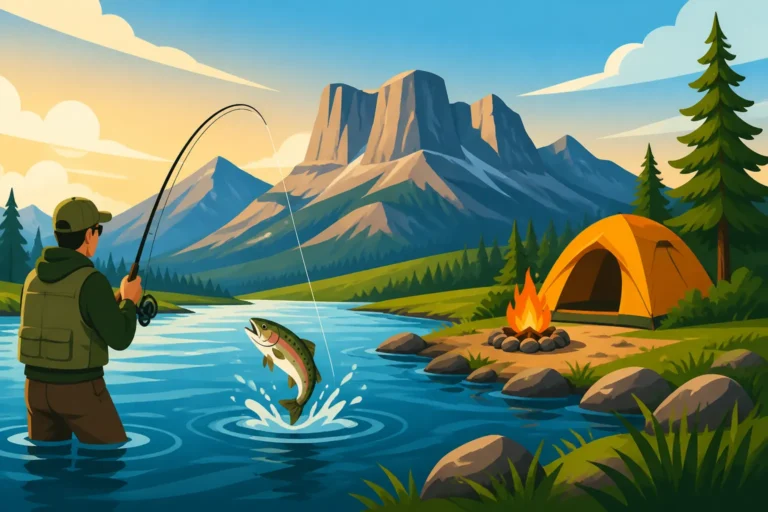
The primary target species in West Thumb, and indeed most of Yellowstone Lake, is the iconic Yellowstone Cutthroat Trout. These beautiful fish are native to the area and are a vital food source for many of the park's wildlife, including grizzly bears, ospreys, and bald eagles. In West Thumb, they tend to frequent shallower areas, especially near submerged structure, weed beds, and along the shoreline where insects and smaller baitfish are abundant. They are particularly active during cooler parts of the day or when water temperatures are favorable, often feeding on aquatic insects like midges, caddis, and mayflies, as well as terrestrial insects that fall into the water.
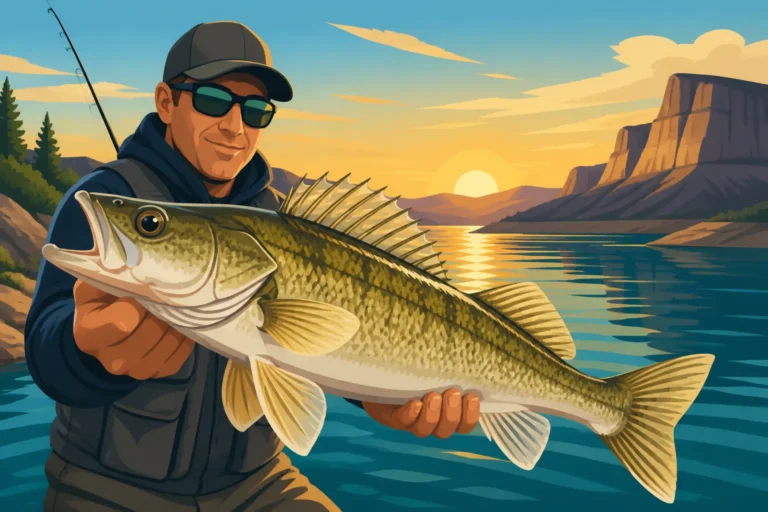
However, as mentioned, the non-native Lake Trout (also known as Mackinaw) are also present, especially in the deeper sections of West Thumb. These fish can grow to impressive sizes and put up a formidable fight. While not native, targeting Lake Trout is a conservation-friendly activity encouraged by the park. They prefer colder, deeper water, often holding near underwater humps, drop-offs, and rocky structures where they can ambush prey. Understanding their preferred habitat and feeding patterns is key to successful angling. If you're wondering What Fish Are in Yellowstone Lake, our detailed guide covers all the species you might encounter.
Beyond these two main players, you might occasionally encounter other species, though less frequently. Knowing the behavior of each target species, from their preferred diet to their usual haunts and activity levels throughout the day and year, will significantly increase your chances of a successful and rewarding fishing trip in West Thumb. The lake's unique thermal features can also influence fish behavior, creating warmer pockets that attract fish in cooler weather or providing areas of rich oxygenation.
Prime Fishing Spots within West Thumb
The West Thumb of Yellowstone Lake offers a variety of fishing opportunities, from the geothermal features near the shore to the open, deeper waters. Each spot presents its own set of challenges and rewards, catering to different fishing styles and preferences. Whether you’re casting from the bank or cruising in a boat, knowing where to focus your efforts can make all the difference.
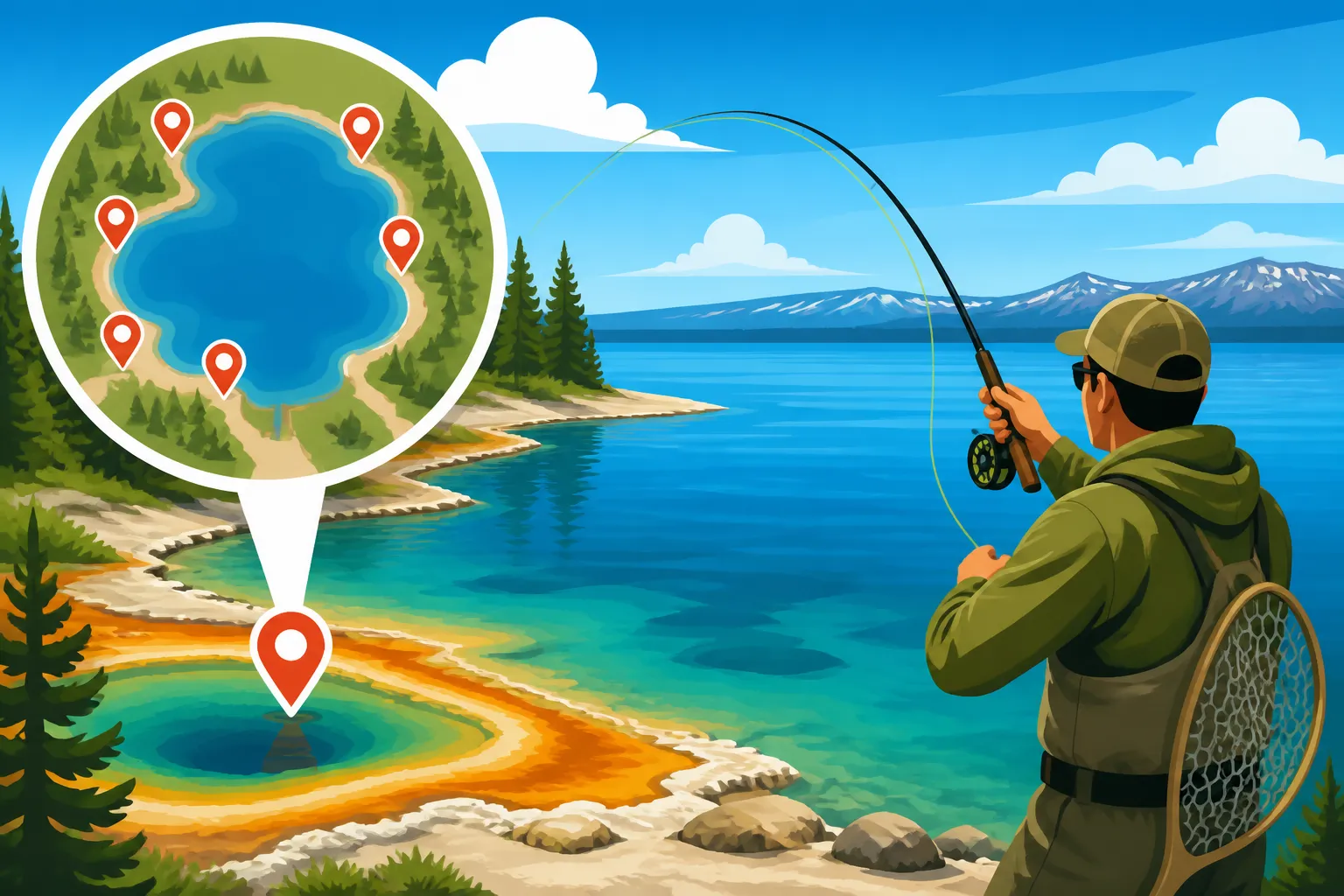
West Thumb Geyser Basin Shoreline
While the geothermal features of the West Thumb Geyser Basin are a sight to behold, fishing directly within these sensitive thermal areas is strictly prohibited due to both safety concerns and ecological protection. However, the periphery of the geyser basin shoreline can offer some excellent opportunities for Yellowstone Cutthroat Trout. These areas often feature rocky bottoms and submerged logs, providing ideal cover and feeding lanes for cruising trout. The slightly warmer water near the thermal runoff (but not directly in it) can also attract insect activity, drawing in hungry cutthroats.
Anglers often find success casting small spinners, spoons, or even fly patterns that imitate local insect life from accessible points along the shoreline. It's crucial to practice stealth, as these fish can be easily spooked in shallower water. Wade carefully, if permitted, and keep an eye out for rising fish, which can indicate an active feeding period. The West Thumb area near the Lake Village offers some of the most accessible shore fishing opportunities, but remember to maintain a respectful distance from any thermal features and obey all posted signs. You'll find that some of the best fishing is often just a short walk from designated parking areas, away from the immediate tourist crowds.
The key here is observation and patience. Look for areas where the shoreline drops off slightly, or where submerged vegetation provides cover. Cast parallel to the shore or fan your casts outwards, retrieving at a steady pace. During the cooler mornings and evenings, these shoreline areas often come alive with feeding activity. Always check the park's current regulations for any temporary closures or specific restrictions on where you can and cannot fish along the West Thumb shoreline, as these can change to protect wildlife or visitors.
Deep Water Structures and Drop-offs
For those targeting the larger Lake Trout, the deeper waters of West Thumb hold the key. The lakebed in this area is characterized by dramatic drop-offs, underwater humps, and submerged volcanic structures that provide ideal habitat for these cold-water predators. Identifying these contours on a sonar unit is crucial for successful Lake Trout fishing. Many maps, both paper and digital, show the general topography, but a good fish finder will reveal the intricate details that make certain spots productive. These deep structures act as ambush points and resting areas for Mackinaw.
Popular deep water spots might include areas where the bottom quickly plunges from 50 feet to over 100 feet, or around underwater pinnacles that rise up from the lakebed. Trolling with downriggers or weighted lines is a common and effective technique here, allowing anglers to present lures at precise depths where Lake Trout are suspended. Large spoons, tube jigs, and stickbaits are often productive. Some local guides specialize in targeting these deep-water fish, and consulting with one or booking a trip through platforms like FishingBooker can significantly shorten your learning curve.
It's also important to consider the thermocline – the layer of water where the temperature changes rapidly. Lake Trout will often congregate just above or within this layer during warmer months, seeking cooler, oxygen-rich water. Experimenting with different depths until you find where the fish are holding is often necessary. Remember that any Lake Trout caught must be kept, so be prepared with a cooler or stringer. For more specific advice on targeting these fish, our guide on How Deep Lake Trout Live in Flaming Gorge (though a different lake, the principles of deep water fishing remain similar) might offer valuable insights.
Bay Areas and Inlets
While the open lake holds its deep secrets, the numerous bays and inlets within West Thumb offer calmer waters and different opportunities, particularly for the native Yellowstone Cutthroat. Areas like Little Thumb Creek Bay, or other unnamed smaller indentations along the shoreline, often feature shallower depths, more protected waters, and a greater abundance of aquatic vegetation. These conditions create a rich ecosystem for insects and smaller baitfish, making them attractive to foraging cutthroat.
These bays are excellent for both fly fishing and spin casting, especially during the morning and evening hours when fish are actively feeding on hatches or cruising the shallows. Look for areas with reeds, submerged grasses, or overhanging trees that provide shade and cover. Drifting slowly through these bays in a small boat or kayak, or wading where permitted, can be very effective. Presenting dry flies that mimic emerging insects, small nymphs, or terrestrial patterns like grasshoppers and ants can yield excellent results for fly anglers. Spin casters can find success with small inline spinners, spoons, or soft plastics rigged to imitate small minnows.
The calmer waters of the bays also make them more approachable when winds pick up on the main lake, providing a welcome refuge. They can also be fantastic spots for family fishing, as the protected environment often means easier casting and a higher chance of hooking into a spirited cutthroat. Always be mindful of any boat speed limits or restricted zones within these bays, as they are often put in place to protect wildlife or fragile habitats. These sheltered spots are typically the first to become active in the spring once the ice is out, offering some of the earliest opportunities of the season.
Accessing West Thumb's Best Fishing Grounds
Getting to the fish in West Thumb involves understanding the various access points and the rules associated with them. Yellowstone Lake is vast, and navigating it requires preparation, whether you're bringing your own boat, renting one, or simply walking the shoreline. The park has specific regulations regarding watercraft and access, so it’s not as simple as launching a boat anywhere you please.
Boat Launch Options and Restrictions
For serious anglers looking to explore the deeper waters and more remote bays of West Thumb, a boat is almost essential. The main boat launch for Yellowstone Lake is located at Bridge Bay, a short drive from West Thumb. This is the only authorized location to launch private motorized vessels on Yellowstone Lake. From Bridge Bay, you can motor south into the West Thumb area. Before launching, however, all boats must undergo a mandatory aquatic invasive species inspection. This is a critical step in protecting Yellowstone's pristine waters from harmful non-native organisms.
Bringing your own boat offers the most flexibility, allowing you to cover significant ground and access areas unreachable by shore anglers. However, you must adhere to all park regulations regarding boat operation, including speed limits, no-wake zones, and proper safety equipment. Kayaks, canoes, and other non-motorized watercraft can also be launched at Bridge Bay and other designated hand-launch sites, providing a quieter, more intimate experience of West Thumb. These smaller craft are excellent for exploring the shallower bays and shorelines, especially if you enjoy paddling. Our guide on Where to Launch a Boat on Yellowstone Lake provides more detailed information on specific access points.
Remember, fishing from boats within 100 yards of any thermal feature is prohibited for safety and conservation reasons. Always keep a safe and respectful distance. Furthermore, gas-powered outboards might be restricted in certain areas or require specific permits beyond the general park fishing permit, so always check the most current park regulations. Electric trolling motors are a popular and environmentally friendly option for maneuvering quietly in fishing spots without disturbing the serene park environment.
Shore Fishing Accessibility
While boat access opens up a world of possibilities, many excellent fishing opportunities in West Thumb are accessible directly from the shore. This is particularly appealing for anglers without a boat or those looking for a more relaxed experience. The West Thumb Geyser Basin area itself offers some designated spots, but remember to stay on marked trails and maintain distance from the thermal features. Beyond the immediate geyser basin, there are numerous pull-offs and short hiking trails that lead to productive shoreline fishing.
The key to successful shore fishing here is often stealth and mobility. You want to cover ground, casting to different types of structure – submerged rocks, weed lines, or small points. Early mornings and late evenings are generally the most productive times for shore anglers, as the fish move into shallower water to feed. While you won't be able to reach the deep Lake Trout haunts from the shore, the active Yellowstone Cutthroat can provide plenty of action. Small spoons, inline spinners, and flies (for fly anglers) are all effective presentations.
Some popular shore fishing spots are often found near the various campgrounds and picnic areas around West Thumb, providing convenient access. However, these areas can also see more human activity, potentially spooking fish. Seek out slightly more secluded spots by walking a bit further down the shoreline, away from the immediate crowds. Always be aware of your surroundings, especially for wildlife. Yellowstone is grizzly country, so carrying bear spray and knowing how to use it is always a wise precaution. For those who prefer a less strenuous approach, fishing from a pier or designated platform, if available, can also be an option, though these are rare in the more natural settings of West Thumb.
Considering a Guided Trip for West Thumb
For anglers looking to maximize their time and increase their chances of success, especially those new to Yellowstone Lake or targeting specific species like large Lake Trout, hiring a licensed fishing guide is an invaluable option. A reputable guide possesses intimate knowledge of West Thumb's complex waters, including where the fish are holding, what they're biting on, and how to navigate the park's unique regulations. They provide all the necessary gear, expertise, and often, a comfortable boat equipped with sonar and other tools.
Guides can take you directly to the productive deep water structures for Lake Trout or position you in prime areas for targeting Cutthroat along the shorelines and bays. Their experience saves you valuable time that would otherwise be spent searching and experimenting. Plus, many guides offer insights into the park's ecology and history, enhancing the overall experience. When choosing a guide, make sure they are licensed to operate within Yellowstone National Park – this is a critical detail, as not all Wyoming guides have the necessary permits for the park. Websites like FishingBooker can be an excellent resource for finding licensed guides who specialize in Yellowstone Lake and its West Thumb area, offering a range of options from half-day trips to full-day excursions.
A guided trip is particularly beneficial for learning specific techniques, such as proper trolling depths for Lake Trout or effective fly presentations for Cutthroat in the clear mountain waters. It's an investment that often pays dividends in terms of catch rates and overall enjoyment, turning a potentially frustrating day into a memorable adventure. They also take care of understanding all the intricate details of Fishing Rules Inside Yellowstone National Park, so you can focus entirely on the angling experience.
Effective Techniques for West Thumb
Successfully fishing the West Thumb requires a blend of traditional angling methods and an understanding of the specific conditions present in Yellowstone Lake. The diverse habitats, from shallow, thermally influenced zones to deep, cold abysses, mean that a one-size-fits-all approach won't cut it. Adapting your techniques to the target species and the particular area you're fishing is key.
Trolling Strategies for Lake Trout
When it comes to pursuing the larger Lake Trout in West Thumb, trolling is arguably the most effective method. These fish prefer colder, deeper water, often suspending over significant depths or congregating around underwater features. The goal of trolling is to present a lure at the exact depth where these fish are actively feeding or resting, covering a lot of water in the process. This usually involves specialized gear like downriggers, lead core line, or heavy weights to get your lure to depths of 50 to 150 feet or more.
Popular lures for trolling Lake Trout in West Thumb include large spoons (like Krocodile, Daredevil, or Northern King spoons), diving crankbaits, and tube jigs rigged with a trailer. The color and size of your lure can vary based on light conditions and what the fish are keying on, but natural baitfish patterns often work well. Pay close attention to your boat speed; slow trolling (1.5-2.5 mph) is typically most effective, allowing your lure to have a natural, enticing action. Varying your speed occasionally can also trigger strikes. Your sonar unit will be your best friend, helping you identify baitfish schools, underwater structure, and the exact depth where Lake Trout are suspended.
Many anglers also "stack" their lines when trolling, meaning they run multiple lines at different depths using downriggers, increasing their chances of intercepting fish. It’s a bit of a science, and understanding how depth, speed, and lure type interact is crucial. Experimentation is often necessary to find the most productive combination on any given day. Remember, the park encourages the harvest of Lake Trout, so be prepared to keep any you catch, which directly contributes to the Wyoming's Lake Trout Removal Efforts in Yellowstone Lake.
Fly Fishing and Spin Casting Near Shore
For the native Yellowstone Cutthroat Trout, especially in the shallower bays and along the accessible shorelines of West Thumb, both fly fishing and spin casting can be incredibly productive. These methods allow for precise presentations in areas where fish are actively feeding on insects or smaller prey.
Fly Fishing:
Fly fishing for Cutthroat in West Thumb often involves matching the hatch. During spring and early summer, various aquatic insect hatches occur, prompting trout to feed on the surface. Dry flies mimicking caddis, mayflies, or midges can be deadly during these times. Later in the season, or when fish are not rising, nymphing with patterns like Prince Nymphs, Hare's Ears, or Copper Johns can be very effective, especially when fished under a strike indicator. Streamer patterns, such as Woolly Buggers or sculpin imitations, are excellent for imitating baitfish and can tempt larger, more aggressive cutthroat, particularly near drop-offs or submerged structure.
Casting accuracy and a subtle presentation are key, as the waters of Yellowstone Lake can be incredibly clear. A 4-weight or 5-weight fly rod is generally suitable for these trout, paired with a floating line for dry flies and nymphs, and possibly a sinking tip for streamers. Pay attention to seams, eddies, and areas of current, even subtle ones, as these are where trout often hold, waiting for food to drift by. Many anglers enjoy the challenge and artistry of fly fishing in such a pristine environment.
Spin Casting:
Spin casting offers a simpler and often very effective approach for Yellowstone Cutthroat from shore or a boat in shallower water. Small inline spinners (like Mepps, Rooster Tail, or Panther Martin) in silver, gold, or brass finishes, or with natural patterns, are perennial favorites. The flash and vibration of these lures are highly attractive to trout. Small spoons (Kastmasters, Little Cleos) are also excellent choices, especially when you need to cast further or fish a bit deeper.
Soft plastics rigged on a jig head, mimicking small minnows or aquatic worms, can also be very productive, especially when worked slowly along the bottom or near submerged structure. Light tackle – a spinning rod and reel combo spooled with 4-6 lb test line – is generally appropriate, allowing for delicate presentations and an exciting fight with a spirited cutthroat. Whether fly fishing or spin casting, the most important aspect is often observation: look for signs of feeding fish, study the water for potential holding lies, and adapt your approach accordingly.
Seasonal Considerations and Best Times to Fish
Yellowstone Lake, including West Thumb, presents different fishing opportunities throughout its open season. The "best time" to fish really depends on what you're targeting and what kind of experience you're after. Understanding the seasonal changes in water temperature, insect activity, and fish behavior is crucial for planning a successful trip. The park typically opens for fishing in late May or early June, depending on ice-out conditions, and usually closes on October 31st.
Spring and Early Summer Opportunities
Spring, immediately after the ice-out, and early summer (June through early July) can be fantastic times to fish West Thumb. As the lake sheds its winter coat, water temperatures begin to rise, and the Yellowstone Cutthroat Trout become much more active, moving into shallower areas to feed heavily after the long winter. This is often when you'll find some of the most consistent shore fishing action. Insect hatches, particularly midges and caddis, begin in earnest, offering excellent opportunities for fly anglers using dry flies.
During this period, the deeper waters are still quite cold, meaning Lake Trout might be slightly more dispersed but also actively feeding. They may be found at shallower depths than in mid-summer, making them a bit more accessible for trolling without needing extreme depths. The weather can be variable, ranging from warm, sunny days to unexpected snow showers, so always be prepared for changing conditions. Runoff from melting snow will also be in full swing, which can affect water clarity in some areas, but West Thumb's larger volume often keeps it relatively clear. Many anglers consider this the peak season for an all-around Yellowstone Lake fishing experience.
This season also coincides with the park's early opening, meaning fewer crowds than in the peak summer months. If you're looking for a quieter experience combined with active fishing, planning your trip for early June can be a great strategy. For insights into when the lake becomes fully accessible, check out our piece on When Yellowstone Lake Ice Out Usually Happens.
Mid-Summer Challenges and Tactics
Mid-summer (late July through August) in West Thumb brings warmer weather and typically more crowded conditions in the park. The warmer surface water temperatures push the Yellowstone Cutthroat Trout into deeper, cooler water, or force them to become more nocturnal or active during the cooler parts of the day (early morning, late evening). Shore fishing for cutthroat can become more challenging, often requiring longer casts or focusing on areas with deeper immediate drop-offs or consistent shade.
For Lake Trout, mid-summer means they will be holding in their deepest, coldest haunts, often requiring substantial effort with downriggers or heavy weighted lines to reach them. However, they are still actively feeding, and those with the right gear and knowledge can find great success. Trolling becomes even more critical during this time, often needing to hit depths of 80-150 feet or more. Concentrating your efforts on the deepest structures and known humps in West Thumb will yield the best results.
Despite the challenges, mid-summer still offers rewarding fishing, especially if you adapt your tactics. Focus on fishing during the low light hours of dawn and dusk for cutthroat, or concentrate on the deeper trolling for Lake Trout during the brightest parts of the day. The beautiful weather and longer daylight hours also allow for extended fishing sessions. For tips on managing the heat, our article on How Water Temperature Affects Trout Feeding can provide valuable context.
Fall Fishing for Aggressive Trout
As autumn descends on Yellowstone Lake (September through October), the fishing can heat up once again. As air and water temperatures cool, the Yellowstone Cutthroat Trout become incredibly active, preparing for winter. They move back into shallower waters, often feeding aggressively on baitfish and terrestrial insects that are becoming scarce. This is an excellent time for both fly fishing and spin casting from shore and in the bays, as the fish are less spooky and more willing to strike.
Fall also brings the spawning season for many species, and while specific areas might be closed to protect spawning fish, the general aggressive behavior of trout makes for exciting angling elsewhere. Lake Trout also tend to be very active and can be found at slightly shallower depths than in mid-summer as the entire water column begins to cool. They will be feeding heavily, making them eager to strike trolled lures. The cooler, crisp air, vibrant fall foliage, and fewer crowds make autumn a highly desirable time to fish West Thumb.
This shoulder season provides some of the best opportunities for trophy-sized fish for both species, as they pack on calories before winter. Be prepared for rapidly changing weather, including potential snowstorms, especially in October. But for those willing to brave the elements, the rewards can be substantial. Remember to check the official park closing dates, as fishing season on Yellowstone Lake always concludes by October 31st.
West Thumb Fishing Hotspots and Techniques at a Glance
To help you visualize your fishing strategy for West Thumb, here's a quick reference table summarizing key spots, target species, and recommended techniques.
| Fishing Area | Target Species | Key Features | Recommended Techniques | Best Season | Notes |
|---|---|---|---|---|---|
| West Thumb Geyser Basin (Periphery) | Yellowstone Cutthroat Trout | Rocky shorelines, thermal run-off (stay clear) | Small spinners, spoons, dry flies, nymphs | Spring, Fall | Highly accessible, but respect thermal features; practice stealth. |
| Deep Water Drop-offs & Humps | Lake Trout (Mackinaw) | Sudden depth changes, submerged structures | Trolling with downriggers, heavy jigs | All season | Requires boat, sonar; mandatory keep all Lake Trout caught. |
| Little Thumb Creek Bay | Yellowstone Cutthroat Trout | Shallower, protected waters, aquatic vegetation | Fly fishing (dry flies, nymphs), small spinners | Spring, Fall, Early Summer | Great for wading or small non-motorized boats; look for rising fish. |
| Mary Bay Inlet (North of West Thumb) | Yellowstone Cutthroat Trout | Shallow, protected, potential weed beds | Fly fishing, light spin casting | Spring, Fall | Can hold good numbers of Cutthroat; less pressure than main West Thumb. |
| Yellowstone Lake Outlet | Yellowstone Cutthroat Trout | Moving water (near bridge), current seams | Nymphs, streamers, small spoons | Spring, Fall | Offers different dynamics with moving water; check specific regulations. |
Essential Gear and Best Practices for West Thumb
Having the right gear is fundamental for a successful and enjoyable fishing trip to West Thumb. Beyond just your rod and reel, there are several other items and practices that will enhance your experience and ensure you're compliant with park regulations. Fishing in a national park carries extra responsibilities, and being prepared means respecting the environment and its wildlife.
Recommended Rods, Reels, and Line
For targeting Yellowstone Cutthroat Trout in the shallower areas and bays of West Thumb, a lightweight to medium-light spinning setup or a 4 to 6-weight fly rod is ideal. A 6-7 foot spinning rod with a fast action, paired with a reel spooled with 4-6 lb monofilament or fluorocarbon line, offers sensitivity and the ability to cast light lures effectively. For fly fishing, a floating line is standard, with a tapered leader of 7.5-9 feet ending in a 4x-5x tippet for delicate presentations. The clear water demands fine leaders and careful approaches.
When you're serious about Lake Trout in the deeper sections, a heavier setup is necessary. A medium-heavy to heavy conventional or baitcasting rod, typically 7-8 feet long, is often used for trolling. Pair this with a robust reel capable of holding substantial amounts of line, often 20-30 lb braided line, with a fluorocarbon leader. Downriggers and lead core line setups demand specific rods designed to handle the heavy weights and provide good flex when a fish strikes. A stout leader is also crucial when dealing with potentially large, toothy Lake Trout.
Always ensure your line is fresh and your knots are strong. Yellowstone Lake can produce some powerful fish, and losing one due to old line or a faulty knot is always a letdown. Consider bringing spare spools of line, especially if you're targeting both species with different setups.
Safety and Wildlife Awareness
Fishing in Yellowstone National Park means being in prime wildlife country. Safety should always be your top priority. Bear spray is highly recommended and should be carried in an easily accessible holster, not buried in your pack. Knowing how to use it is just as important as having it. Be aware of your surroundings, make noise while hiking to avoid surprising animals, and never approach wildlife. Disturbance of any animal is prohibited.
If you're boating, ensure you have all mandatory safety equipment, including life jackets for everyone on board, a sound-producing device, navigation lights if fishing at dawn or dusk, and a first-aid kit. The weather on Yellowstone Lake can change rapidly, and storms can whip up dangerous waves quickly. Always check the forecast before heading out, and be prepared to get off the water if conditions deteriorate. Understanding the Best Time of Day to Fish Yellowstone Lake can also help in planning around adverse weather.
Hypothermia is a real risk, even in summer, if you get wet in cold water or if the weather turns. Dress in layers, preferably with synthetic or wool materials that retain warmth when wet. Always let someone know your fishing plans, including where you're going and when you expect to return. Mobile phone service is extremely limited or nonexistent in many parts of the park, so don't rely on it for communication or emergencies.
Catch and Release Best Practices
For Yellowstone Cutthroat Trout, the park encourages catch-and-release to help bolster native populations. Practicing proper catch-and-release techniques is vital for the survival of the fish. Handle fish as little as possible, and always with wet hands to protect their delicate slime coat. Use barbless hooks, or pinch down the barbs on your hooks, as this makes for easier and less damaging hook removal. If a fish is deeply hooked, it’s often best to cut the line as close to the hook as possible rather than trying to remove it, as this minimizes trauma.
Minimize the time the fish is out of the water; a quick photo is fine, but get them back into the water as soon as possible. Gently revive the fish by holding it in the current or moving it back and forth until it swims away under its own power. Avoid dragging fish onto rocks or dry ground. By following these guidelines, you're doing your part to ensure healthy fish populations for future generations of anglers and wildlife. Our guide on Catch-and-Release Best Practices for Trout offers even more detailed advice.
Remember, for Lake Trout, the rule is the opposite: they must be killed and cannot be released. Be prepared to humanely dispatch any Lake Trout you catch. This is part of being a responsible angler in Yellowstone National Park and contributing to the conservation goals for the native cutthroat.
Disclaimer
Please note that fishing regulations and conditions in Yellowstone National Park, including the West Thumb area, can change without notice. Always consult the official Yellowstone National Park fishing regulations booklet for the most current rules and closures before your trip. Safety is paramount, and fishing in bear country requires constant vigilance. The information provided here is for general guidance only.