Where to Fish the Yellowstone River Near Gardiner
Trying to figure out where to cast a line on the sprawling Yellowstone River, especially around the iconic Gardiner area, can feel a bit overwhelming, right? It's not just another river; it’s a legendary waterway that carves its way through stunning landscapes, presenting a unique blend of accessible spots and wild, remote stretches. This guide is here to untangle that complexity, pointing you directly to the best spots and giving you the lowdown on what to expect for a truly rewarding angling experience.
Understanding the Yellowstone River's Unique Character Near Gardiner
The Yellowstone River, as it flows near Gardiner, Montana, is a truly special place for anglers. This section of the river marks the northern boundary of Yellowstone National Park, offering an incredible mix of wild beauty and some fantastic fishing opportunities. It’s a dynamic river, constantly changing with the seasons and water levels, which means understanding its character is key to finding success.
The Dynamic Nature of the Upper Yellowstone
Unlike some of the more mellow, meandering rivers you might encounter, the Yellowstone River near Gardiner is a powerful, freestone river, meaning its flow is largely dictated by snowmelt and rainfall. In late spring and early summer, typically from May through June, the river experiences what locals call "runoff season." During this time, the water levels surge, becoming high and often murky, which can make fishing incredibly challenging, if not impossible. Many anglers actually focus on other waters or take advantage of the park's later season openings during this period. You can learn more about fishing during this challenging period in our guide on Fishing Wyoming's Runoff Season.
However, once runoff subsides, usually by early July, the river begins to drop and clear, transforming into a magnificent fishery. The water takes on that classic gin-clear appearance, revealing a mosaic of deep pools, swift riffles, and long, inviting runs. This is when the river truly shines, offering opportunities for both wading and drift boat fishing. The habitat here is robust, providing ample cover and food for the resident trout, making it a prime location for those seeking a genuine wild trout experience.
Primary Fish Species Targeted
When you're fishing the Yellowstone River near Gardiner, you're primarily targeting wild trout, and let me tell you, they are beautiful fish that fight hard.
- Yellowstone Cutthroat Trout: These are the native stars of the show in this section, easily identifiable by the distinctive red-orange slash marks under their jaws. They are incredibly important to the ecosystem, and catching one is a true privilege. They tend to be more opportunistic feeders, often rising to dry flies, especially during prolific hatches. Understanding Cutthroat Trout Fishing in Wyoming can greatly enhance your success.
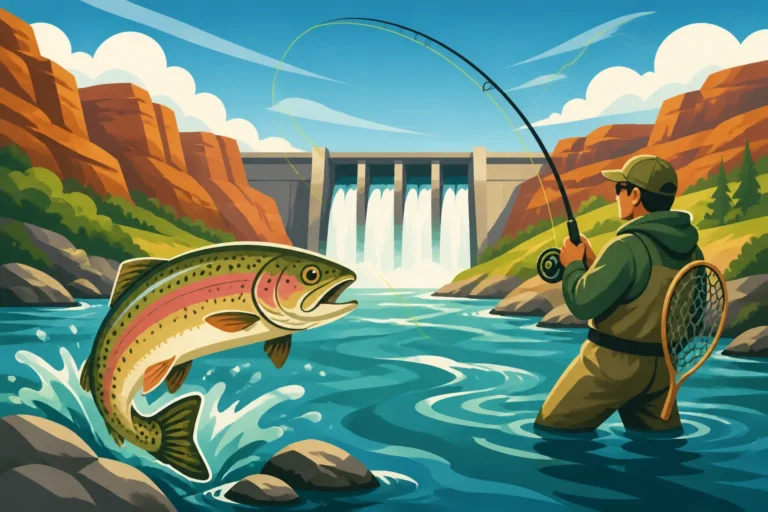
- Rainbow Trout: While not native to this specific section of the Yellowstone, rainbow trout are present and thrive in its cold, oxygenated waters. Known for their acrobatic jumps and strong runs, they offer an exciting challenge. You'll often find them mixed in with cutthroat, especially in the faster-moving sections. For more on these vibrant fish, check out our article on Rainbow Trout Fishing in Wyoming.
- Brown Trout: Less common in the immediate Gardiner stretch compared to downstream sections or other rivers, brown trout can still be found, particularly in deeper, slower pools or around structure. They are often larger and more elusive, prized for their strong fight and often stunning colors.
- Mountain Whitefish: These native fish are very common and provide consistent action, especially when trout are less active. While not always the primary target, they can be a lot of fun on a light rod and are an important part of the river's ecosystem.
Anglers often enjoy the challenge of catching a "Grand Slam" of the river's trout species in a single day, a testament to the diverse and healthy fishery found here.
Key Access Points and Prime Fishing Locations
The beauty of fishing the Yellowstone River near Gardiner is the variety of access. You've got options whether you prefer to stay close to the road or venture a bit further into the wilderness. However, it's crucial to distinguish between fishing inside Yellowstone National Park and outside the park boundaries, as regulations differ significantly.
Public Access and National Forest Lands
Outside of Yellowstone National Park, the river flows through a mix of private and public lands. Many public access points are available via National Forest System lands (Custer Gallatin National Forest) and Montana Fish, Wildlife & Parks access sites. These areas typically allow for bank access and sometimes even wade-fishing, provided you respect private property boundaries.
One of the most popular and easily accessible areas just outside the park is McLeod Creek, which enters the Yellowstone south of Emigrant, Montana. This area offers some great runs and riffles. Further downstream, but still relatively close, you'll find numerous pull-offs along US-89 and designated fishing access sites like Mallard's Rest and Carbella Fishing Access Site. These spots are well-known and can get busy, especially during peak season, but for good reason – they offer consistent fishing. For those looking to plan a trip with guided options, platforms like FishingBooker can help you find local guides who know these access points intimately.
Remember that while fishing outside the park, you'll need a Montana fishing license.
Popular Wading and Bank Fishing Spots
For those who love the intimacy of wade fishing, the Yellowstone River near Gardiner offers several excellent opportunities once water levels drop.
- Inside Yellowstone National Park (North Entrance Area): Immediately inside the park's North Entrance at Gardiner, the river offers several accessible spots. The stretch from the park boundary upstream towards Blacktail Deer Creek and Crevice Lake areas are popular. Here, you'll find ample gravel bars and slower runs perfect for wading. The landscape here is stunning, with opportunities to see wildlife like bison, elk, and even bears (always carry bear spray!). However, fishing here is strictly catch-and-release for cutthroat trout and specific regulations apply. Make sure you're up-to-date on Fishing Rules Inside Yellowstone National Park.
- Corwin Springs/Bear Creek Access (Outside Park): Just north of Gardiner, the Corwin Springs area offers good bank access, often less crowded than spots closer to Livingston. The confluence of Bear Creek with the Yellowstone can be particularly productive, as cooler tributary waters often attract trout during warmer months.
- Point of Rocks (Outside Park): Another popular spot north of Gardiner, Point of Rocks provides good access to a variety of water, including deep pools and swift currents. It’s a classic Yellowstone riffle-and-run environment, great for nymphing or throwing streamers.
When wading, always exercise caution. The Yellowstone River can be powerful, with a rocky, uneven bottom that can be treacherous. A good wading staff is essential, and always be aware of changing conditions.
Designated Fly Fishing Sections
While the entire Yellowstone River in this area is prime for fly fishing, some stretches are particularly renowned and often guided.
- The Park's Catch-and-Release Only Waters: Within Yellowstone National Park, the entire Yellowstone River system is designated as a fly-fishing-only, catch-and-release fishery for cutthroat trout. This means no bait, no spinning gear, and all native trout must be immediately released unharmed. This commitment to conservation ensures a healthy population for future generations. If you're looking for a guided experience within the park, guides listed on services like FishingBooker are well-versed in these specific regulations and techniques, ensuring a legal and productive trip.
- The Paradise Valley (North of Gardiner): As the Yellowstone flows north out of the park and through the Paradise Valley towards Livingston, it becomes a world-class trout stream. While this is slightly downstream from the immediate Gardiner focus, it's worth mentioning as a prime fly fishing destination easily accessible from Gardiner. This section allows both wade and float fishing and is famous for its prolific hatches and large wild trout. Many outfitters operate in this valley, offering drift boat trips that allow anglers to cover vast stretches of water. Our guide on Fly Fishing Techniques for Wyoming Trout Streams offers great insights for this river.
Understanding the water and its currents is crucial for fly fishing success. Check out our detailed article on How to Read Water When Trout Fishing to hone your skills.
Best Practices and Regulations for the Gardiner Section
Fishing the Yellowstone River, especially around the national park boundary, requires a mindful approach. Regulations are in place to protect this incredible resource, and respecting them, along with the environment, is paramount.
Navigating Yellowstone National Park Regulations
This is probably the most crucial distinction you need to make. The rules for fishing inside Yellowstone National Park are different from those outside the park in Montana state waters.
Inside Yellowstone National Park:
- Permit Required: You need a special Yellowstone National Park fishing permit, which is separate from any state fishing license. These are affordable and can be purchased at visitor centers, general stores, and fly shops both inside and outside the park.
- Catch and Release: For native species like the Yellowstone Cutthroat Trout, fishing is strictly catch-and-release. This means careful handling and immediate release.
- Artificial Lures Only: Only artificial lures with single barbless hooks are permitted. This means no bait, no worms, no PowerBait, and no treble hooks. Flattening your barbs is not just good practice; it's often required.
- Species-Specific Rules: While cutthroat are catch-and-release, there are regulations regarding invasive species like Lake Trout in Yellowstone Lake. Always consult the current year's park regulations booklet.
- Seasonality: Fishing seasons within the park are specific and often vary by water body. The Yellowstone River generally opens mid-July (after runoff) and closes on October 31st. Always verify dates, as they can shift.
- Accessibility: While some spots are roadside, others require hiking. Backcountry fishing means being prepared for wildlife encounters and remote conditions.
For a comprehensive overview, definitely read Wyoming Fishing Regulations Every Angler Should Know and the park's official guide.
Outside Yellowstone National Park (Montana State Waters):
- Montana Fishing License: You will need a valid Montana fishing license, available from vendors or online through Montana Fish, Wildlife & Parks.
- Regulations Vary: State regulations differ by river section and species. Always check the current Montana fishing regulations booklet for daily limits, possession limits, and any special restrictions on gear or bait.
- Conservation Stamp: In Montana, a Conservation Stamp is often required in addition to your fishing license. This is similar to Wyoming's requirement, which you can read about in The Wyoming Conservation Stamp and What It Covers.
Essential Gear and Techniques for Success
Being prepared with the right gear and knowledge of techniques will greatly improve your experience on the Yellowstone.
- Rods and Reels: A 5 or 6-weight fly rod is generally ideal for the Yellowstone, offering versatility for various fly sizes and fighting strong trout. Pair it with a reliable reel and a floating line. If you prefer spin fishing outside the park, a light to medium-light spinning rod with 4-8 lb test line is suitable.
- Waders and Boots: Sturdy waders (chest waders are best for crossing deeper sections) and felt-soled or studded wading boots are a must for safe wading in the powerful currents.
- Flies and Lures:
- Dry Flies: During summer and fall, prolific hatches make dry fly fishing incredibly exciting. Think caddis, PMDs, Green Drakes, Golden Stones, and terrestrial patterns like hoppers, ants, and beetles. Check out Best Wyoming Fly Patterns for Cutthroat Trout for ideas.
- Nymphs: When fish aren't rising, nymphs are your go-to. Pat's Rubber Legs, Pheasant Tails, Hare's Ears, and Prince Nymphs are perennial producers.
- Streamers: Larger brown trout and aggressive cutthroat will often hit streamers, especially articulated patterns or Woolly Buggers fished in deeper runs and pools.
- Spinning Lures (Outside Park): Small spinners (Mepps, Panther Martin) or spoons (Kastmaster, Daredevle) in natural colors are effective. Small jerkbaits can also work.
- Other Essentials: Bear spray (this is serious, you're in bear country!), polarized sunglasses, hat, sunscreen, water, first-aid kit, and a net with a rubber bag (less harmful to fish).
For techniques, adapting to the conditions is key. During runoff, fishing is tough. Once the river clears, nymphing through runs and pools, especially with a two-nymph rig, is often productive. As hatches begin, look for rising fish and try to "match the hatch" – our guide on Matching the Hatch on Wyoming Rivers can help. Terrestrial fishing shines in late summer. For those seeking guidance on the Yellowstone River, many local outfitters in Livingston and Gardiner offer guided trips, which can be easily arranged through services like FishingBooker.
Respecting the Ecosystem and Wildlife
Fishing the Yellowstone River near Gardiner isn't just about catching fish; it's about immersing yourself in an iconic wilderness. This comes with a responsibility to protect it.
- Practice Leave No Trace: Pack out everything you pack in. Do not leave any trash, fishing line, or discarded bait/lures.
- Wildlife Etiquette: You are in prime wildlife habitat. Give animals, especially bison, elk, and bears, a wide berth. Never approach them, feed them, or harass them. Carry bear spray and know how to use it.
- Wade Wisely: Avoid disturbing spawning beds (redds) during the fall and spring. Walk carefully to minimize disturbing stream bottom habitat and aquatic insects.
- Fish Handling: If you're practicing catch-and-release, handle fish gently with wet hands, keep them in the water as much as possible, and release them quickly. Avoid holding them by the jaw or squeezing them.
- Invasive Species Prevention: If you're moving between different bodies of water, "Clean, Drain, Dry" your boat, waders, and gear to prevent the spread of aquatic invasive species.
By adhering to these practices, you're not just ensuring a great trip for yourself, but helping to preserve the pristine character of the Yellowstone River for everyone who follows. Consider booking a guided trip, especially if it's your first time. Guides often provide valuable insights into conservation efforts and local nuances, and many can be found on platforms like FishingBooker, offering expert knowledge and ensuring responsible angling.
| Feature / Location | Inside Yellowstone Park | Outside Yellowstone Park (Montana) |
|---|---|---|
| Fishing License/Permit | Yellowstone Park Permit Only | Montana State License |
| Primary Fish | Yellowstone Cutthroat Trout | Cutthroat, Rainbow, Brown Trout |
| Gear Allowed | Artificial Lures, Single Barbless Hooks Only | Varies: Flies, Spinners, Lures (check regs for bait) |
| Catch & Release | Yes (for native trout) | Varies by section/species |
| Season | Generally July 15 – Oct 31 | Year-round, but conditions vary |
| Access | Roadside, Hiking Trails | Roadside, FWP Sites, Private/Public |
| Wildlife | Abundant (Bison, Elk, Bear) | Common (Elk, Deer, Occasional Bear) |
Disclaimer
Please be aware that fishing regulations, seasons, and access can change. It is always the angler's responsibility to check the most current regulations from the Wyoming Game and Fish Department (for Wyoming waters) or Yellowstone National Park / Montana Fish, Wildlife & Parks (for areas near Gardiner) before heading out. This guide is for informational purposes only and does not replace official regulatory documents.