Best Season to Fish Glendo Reservoir
Trying to figure out the absolute best time to hit Glendo Reservoir for fishing can feel like solving a complex puzzle. With its diverse fish species and the ever-changing Wyoming weather, it’s easy to feel overwhelmed, wondering if you'll pick the right week only to find the fish have completely shut down. This guide is here to untangle that mystery, giving you a detailed look at Glendo's fishing dynamics throughout the year so you can plan your trip for maximum success, no matter what you're hoping to catch.
Understanding Glendo Reservoir's Unique Fishery
Glendo Reservoir isn't just another big body of water in Wyoming; it's a dynamic, multi-species fishery with characteristics that make it stand out. Before we dive into the best seasons, it’s crucial to understand what makes Glendo tick, from the kinds of fish you’ll find to the unique underwater landscape they call home. This insight will help you appreciate why certain times of year are prime for specific species and techniques.
Primary Game Fish Species
Glendo Reservoir is a true gem for anglers because of the incredible variety of popular game fish it supports. While some reservoirs might excel for one or two species, Glendo offers a robust mixed bag that keeps things exciting.
- Walleye: Without a doubt, walleye are the reigning kings of Glendo for many anglers. These elusive predators are highly sought after for their challenging bite and delectable table fare. Glendo consistently produces good numbers of walleye, with decent sizes, and even offers shots at trophy fish. They're often found hugging structure or suspended in deeper water, making them a challenge but a rewarding one. If you're passionate about pursuing these finicky feeders, understanding their seasonal movements is key. For more in-depth information, you might find our guide on Walleye Fishing in Wyoming particularly helpful.
- Crappie: For those who love fast action and excellent eating, Glendo's crappie fishery is phenomenal. Both black and white crappie thrive here, growing to impressive sizes. They often congregate in large schools around submerged timber, brush piles, or rocky points, especially during their spawning season. When you find a school, it's common to catch fish after fish, making for an unforgettable outing.
- Channel Catfish: Don’t sleep on Glendo’s catfish! The reservoir holds a healthy population of large channel cats, often overlooked by anglers focused solely on walleye. These powerful fish offer a thrilling fight and are incredibly fun to catch, especially in the warmer months. They're not picky eaters and can provide consistent action when other species are slow.
- Wiper (Hybrid Striped Bass): A true powerhouse, wipers are a cross between white bass and striped bass, and they are built for speed and aggression. Glendo's wipers are known for their explosive strikes and brutal fights, making them a favorite for anglers seeking a real challenge. They often roam in open water, chasing schools of baitfish, and can grow to very respectable sizes, putting a serious bend in your rod.
- Northern Pike: While not as prevalent as in some other Wyoming waters, Glendo does hold a population of northern pike, especially in the shallower, weedier bays. These ambush predators are known for their sharp teeth and aggressive strikes, providing an exciting hunt for those willing to target them.
- Perch: The reservoir also supports a good population of yellow perch, which are excellent for both bait and table fare. They are especially popular targets for ice anglers, but can be caught year-round. If you're looking for consistent bites, especially with kids, targeting perch can be a fantastic option. For more tips on finding them, check out our insights on Perch Fishing in Wyoming.
Glendo's Habitat and Water Characteristics
Glendo Reservoir is a vast body of water, covering over 10,000 acres at full pool. Its sheer size means there's a lot of diverse habitat for fish, but also that conditions can vary greatly from one end to the other.
- Fluctuating Water Levels: One of the most defining characteristics of Glendo is its often dramatic water level fluctuations. As an irrigation and flood control reservoir, its levels can rise and fall significantly throughout the year. This constantly changes the shoreline, submerges and exposes structure, and forces fish to adapt. Savvy anglers learn to "read" these changes, understanding how fish might relocate based on current water levels. What was a productive point last week might be bone dry today, or vice-versa.
- Abundant Structure: Beneath Glendo's surface lies a treasure trove of structure. The reservoir was created by damming the North Platte River, so it retains its old river channels, humps, points, and countless submerged trees and brush piles. This complex underwater topography provides endless ambush points and hiding spots for predator fish like walleye and crappie. However, it also means snags are common, so be prepared with extra tackle.
- Water Clarity and Temperature: Like most large reservoirs, Glendo's water clarity can vary from very clear to stained, especially after heavy rains or during spring runoff. Water temperature is a critical factor, dictating fish activity and location. As the seasons change, so too do the depths at which different species feel comfortable, influencing their feeding patterns and where you'll need to cast your lines.
Seasonal Breakdowns for Optimal Fishing Success
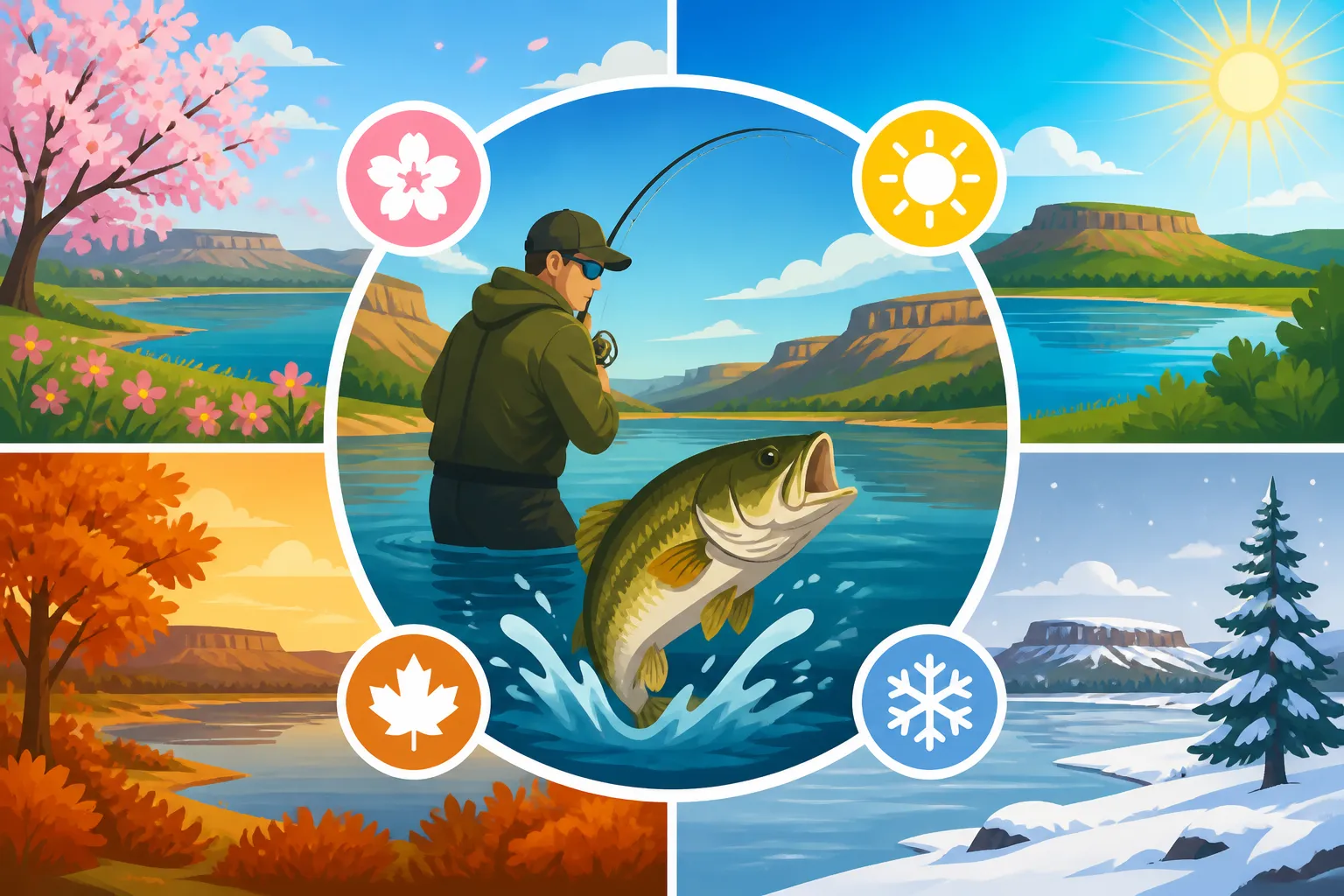
Understanding the general characteristics of Glendo is one thing, but knowing how these factors change with the seasons is where you truly unlock its potential. Each season presents unique opportunities and challenges, and what works in spring might be completely ineffective in summer. Let's break down the year at Glendo. You can also review our Wyoming Fishing Seasons Month by Month guide for a broader context across the state.
Spring: Pre-Spawn and Spawn Frenzy
Spring at Glendo Reservoir is a time of awakening, not just for nature, but for the fish too. As ice recedes and water temperatures begin their slow climb, fish become incredibly active, driven by the instinct to spawn. This is often considered one of the most exciting times to fish, especially if you're targeting walleye or crappie.
- Walleye Spawn Excitement (April-May): As water temperatures reach the 40s to low 50s Fahrenheit, Glendo's walleye begin their annual migration to traditional spawning grounds. These are often rocky shorelines, rip-rap areas near the dam, or shallow gravel flats where current is present. This pre-spawn and spawn period offers some of the best opportunities to catch large numbers of walleye, and often the biggest fish of the year. Anglers typically focus on jigging with soft plastics or live bait (like minnows) in and around these staging areas. Trolling shallow-running crankbaits can also be incredibly effective, especially as the fish transition off the spawn. The key is to be patient and keep an eye on those water temperatures; the bite can turn on and off rapidly.
- Crappie Coming Shallow (Late April-June): Just a bit after the walleye, Glendo’s crappie start their move into the shallows for their spawn. As water temperatures hit the mid-50s to low 60s, these panfish will aggressively move into sheltered coves, around submerged brush, timber, and weed lines. This is a fantastic time for both boat and shore anglers. Small jigs, tube baits, and live minnows fished under a bobber are deadly effective. You can often literally see the crappie holding in shallow water, sometimes just a few feet deep, making for a truly visual and action-packed fishing experience. This is also a perfect time for family fishing, as the bites are frequent and the fish are willing.
Summer: Deep Water Tactics and Warmwater Species
When the heat of summer arrives and water temperatures soar into the 70s and 80s, the fishing at Glendo shifts dramatically. The active shallow bite of spring gives way to deeper strategies, and warmwater species really hit their stride.
- Walleye Go Deep, Wipers Chase Bait (June-August): As the surface waters warm, Glendo's walleye will generally retreat to deeper, cooler waters, often suspending over the old river channels or congregating around deeper structure. This calls for different tactics, such as Trolling Techniques for Wyoming Reservoirs with crankbaits or spinner rigs, or vertical jigging with spoons and soft plastics directly over suspected fish. The early morning and late evening hours often provide the best walleye bites, as they move shallower to feed. Meanwhile, wipers become incredibly active, chasing schools of baitfish like gizzard shad in open water. Look for birds diving or surface disturbances, as these are tell-tale signs of wipers schooling bait. Throwing topwater lures, swimbaits, or casting spoons into these frenzies can lead to spectacular, hard-fighting action.
- Catfish and Night Fishing Adventures (July-September): Summer is prime time for Glendo's channel catfish. As the water warms, their metabolism ramps up, and they become voracious eaters. They'll readily take cut bait, stink baits, worms, and even chicken livers fished on the bottom in various locations – from shallow flats to deeper holes. Many anglers find the best catfish action occurs after dark, providing a peaceful and often productive alternative to daytime fishing. Night fishing at Glendo can be an incredible experience, targeting these powerful fish under the stars. For those planning a trip, consider checking out options with services like FishingBooker to find local guides who specialize in night fishing or targeting these warmer-water species.
Fall: Feeding Frenzy Before Winter
As the summer crowds thin out and the air turns crisp, Glendo Reservoir enters one of its most productive—and often most beautiful—fishing seasons. The cooling water triggers a massive feeding frenzy as fish pack on weight for the lean winter months.
- Walleye and Crappie Feast (September-November): Fall is arguably the best time to target Glendo’s walleye and crappie. As water temperatures gradually drop back into the 50s and 60s, these fish become incredibly aggressive and move into more predictable patterns. Walleye will often be found shallower than in mid-summer, relating to points, humps, and submerged timber. Trolling crankbaits, jigging spoons, or even casting jigs can be highly effective. Crappie will also school up tightly, often around the edges of deeper brush piles and timber. Again, small jigs and minnows are incredibly effective. The bites can be intense, and it’s a great time to catch both good numbers and larger individuals as they gorge themselves. This less crowded season also allows for more freedom to explore different spots on the reservoir.
- Trophy Opportunities and Fewer Crowds: Beyond the sheer numbers, fall offers an excellent chance at trophy-sized fish. Larger walleye and crappie are actively feeding, making them more susceptible to well-presented baits and lures. The reduced boat traffic means less pressure on the fish and a more serene fishing experience, allowing you to truly immerse yourself in the natural beauty of Glendo.
Winter: Ice Fishing Opportunities
While many anglers pack away their gear for the winter, a dedicated cohort embraces the cold for Glendo's ice fishing season. When the reservoir freezes over, it unlocks a whole new dimension of fishing.
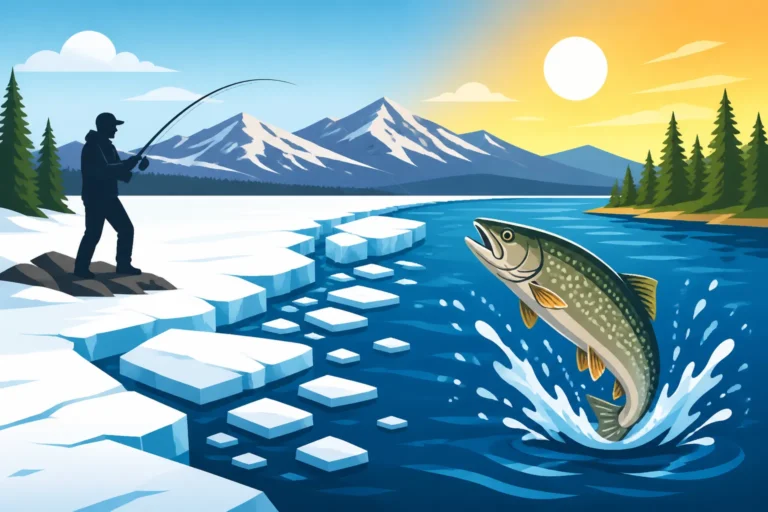
- Targeting Walleye, Crappie, and Perch (December-March): Once safe ice forms on Glendo, typically from late December through March, anglers brave the cold to target walleye, crappie, and perch through the ice. Walleye can be found on main lake points, humps, and old river channel edges, often responding well to jigging spoons tipped with minnow heads or small swimbaits. Crappie will often be found suspending in schools near submerged timber or over deeper structure, taking small jigs. Perch are a consistent catch, especially for beginners, often found near the bottom in bays or along shelves. While the exact timing of safe ice varies year to year, typically the main body of the reservoir locks up eventually. Remember, ice safety is paramount. For everything you need to know about navigating the frozen waters, our Ice Fishing in Wyoming: A Complete Guide is a must-read.
- Variable Ice Conditions: It’s important to note that Glendo's ice conditions can be notoriously variable due to its large size and fluctuating water levels. Always check local ice reports and exercise extreme caution. Don’t rely solely on what you hear; verify conditions yourself and never go out alone without proper safety gear.
Planning Your Glendo Reservoir Fishing Trip
A successful fishing trip to Glendo Reservoir goes beyond just knowing when the fish bite; it involves thoughtful preparation, the right gear, and an understanding of local resources and regulations. Taking the time to plan will significantly enhance your experience and your chances of success.
Gear Recommendations by Season
Having the right equipment can make all the difference, especially when adapting to Glendo's seasonal changes and diverse species.
- Spring: For walleye, medium-light to medium power spinning rods (6'6" to 7') with fast action are ideal for jigging. Pair them with 8-10 lb braided line and a fluorocarbon leader. Crankbaits like Berkley Flicker Shads or Rapala Shad Raps are popular trolling options. For crappie, ultra-light spinning gear with 4-6 lb monofilament or braid is perfect, using small jigs (1/16 to 1/32 oz) and tiny soft plastics or minnows.
- Summer: As walleye go deeper, heavier jigs (1/4 to 1/2 oz) or bottom bouncers with spinner rigs become essential for trolling. Wipers demand robust gear; medium-heavy rods with good casting distance for throwing spoons, large swimbaits, or topwater lures, spooled with 15-20 lb braid. For catfish, simple baitcasting or heavy spinning setups with 15-30 lb monofilament are standard, using circle hooks and egg sinkers on a slip-sinker rig.
- Fall: Similar to spring, medium-light to medium spinning gear for walleye and crappie will serve you well. Focus on matching the baitfish size. Carry a good selection of crankbaits, jigs, and soft plastics.
- Winter (Ice Fishing): Specialized ice fishing rods in various lengths (24-36 inches) depending on your target and shelter style. Sensitive tips are key for detecting light bites. Use small jigs, spoons, and live minnows. Essential gear also includes a reliable auger (gas, propane, or electric), a portable shelter for comfort, and proper winter clothing.
Local Knowledge and Resources
Connecting with local experts and staying informed about current conditions is invaluable for a successful trip to Glendo.
- Bait and Tackle Shops: The best local insight often comes directly from bait and tackle shops near Glendo. Places like Glendo Lakeside RV & Fishing, or similar shops in nearby communities, are treasure troves of information. They can tell you what's biting, where, and on what bait or lure, as well as provide crucial details about recent water level changes or specific hot spots. Don't be shy; strike up a conversation!
- Fishing Guides: If you're serious about maximizing your time and learning the nuances of Glendo, consider hiring a local fishing guide. Guides know the reservoir intimately, have the right equipment, and can put you on fish quickly. They're also fantastic teachers, offering insights into techniques and fish behavior specific to Glendo. When considering a guide, services like FishingBooker can help you find reputable local outfits specializing in Glendo's diverse fishery. For further reading, our guide on Hiring a Fishing Guide in Wyoming offers comprehensive advice.
- Wyoming Game and Fish Department (WGFD): The WGFD website is an official source for stocking reports, creel surveys, and general information about the health of the fishery. While not real-time, it offers a scientific perspective on the reservoir’s status.
Navigating Regulations and Access
Before you even wet a line, it’s absolutely essential to be familiar with Wyoming’s fishing regulations to ensure a legal and responsible trip.
- Wyoming Fishing License: Everyone 14 years or older needs a valid Wyoming fishing license. Non-residents have various options, including annual, daily, or five-day licenses. Make sure you have yours before you arrive!
- Conservation Stamp: In addition to your fishing license, most anglers (with a few specific exemptions for short-term licenses) will also need a Wyoming Conservation Stamp. This stamp contributes directly to the state’s wildlife and fisheries management efforts.
- Bag and Possession Limits: Glendo Reservoir has specific bag and possession limits for various species, especially walleye, crappie, and northern pike. These can change, so always consult the most current WGFD regulations booklet. Understanding Wyoming's Combined Possession Limit Explained is crucial to avoid violations.
- Water-Specific Rules: While Glendo generally follows statewide regulations, always double-check the WGFD regulations booklet for any water-specific rules that might apply, such as special restrictions on bait, tackle, or length limits for certain species. You can find up-to-date information by checking Where to Find Current Wyoming Fishing Regulations.
- Access Points: Glendo State Park provides numerous public access points, boat ramps, and camping facilities. Familiarize yourself with these areas before your trip, especially if you plan to launch a boat. Some areas might be more suitable for shore fishing, while others are geared toward boaters.
| Season | Target Species | Key Techniques | Optimal Water Temps (F) | Notes |
|---|---|---|---|---|
| Spring | Walleye, Crappie, Northern Pike | Jigging, Shallow Trolling, Live Bait | 45-60 | Pre-spawn/Spawn frenzy, fish are active and shallower. |
| Summer | Wipers, Channel Catfish, Walleye, Perch | Open Water Trolling, Bottom Fishing, Night Fishing, Deep Jigging | 65-80+ | Wipers chase bait, catfish very active, walleye go deeper. |
| Fall | Walleye, Crappie, Northern Pike | Trolling, Jigging, Casting Crankbaits | 50-65 | Post-spawn feeding frenzy, good numbers and sizes, fewer crowds. |
| Winter | Walleye, Crappie, Perch | Ice Jigging, Tip-ups, Small Spoons | Under 40 (ice dependent) | Requires safe ice, excellent for panfish and walleye if conditions allow. |
Glendo Reservoir is a fantastic fishery that truly offers something for everyone, regardless of the season. By understanding the seasonal behaviors of its diverse fish populations and preparing accordingly, you can transform a good fishing trip into an unforgettable one.
Disclaimer
The information provided in this guide is for general informational purposes only and is subject to change. Always consult the most current Wyoming Game and Fish Department regulations before planning any fishing trip, as rules, seasons, and limits can be updated annually or in-season. Ice conditions, water levels, and fish behavior are dynamic; exercise caution and good judgment while on the water.