Best High-Mountain Lakes Near Pinedale
There's a special kind of magic that calls to anglers in Wyoming, a quiet yearning for those pristine waters tucked high up in the mountains, far from the paved roads and the sound of traffic. Finding these secluded gems near Pinedale, with their crystal-clear waters and the promise of a hardy trout, can feel like searching for a hidden treasure map. This guide is your compass to unlocking the incredible high-mountain lake fishing experiences that await you in the Pinedale area, a true paradise for those willing to earn their catch.
Why the High-Mountain Lakes Near Pinedale Call to Anglers
The Pinedale area is a prime jumping-off point for some of the most spectacular high-mountain fishing in the contiguous United States, primarily due to its close proximity to the western slopes of the Wind River Range. This isn't your average roadside fishing trip; these are destinations that demand a bit more effort, a longer hike, and a commitment to venturing into true wilderness. But for those who answer the call, the rewards are immeasurable – not just in the fish they catch, but in the profound sense of accomplishment and connection with nature.
The Allure of Solitude and Pristine Waters
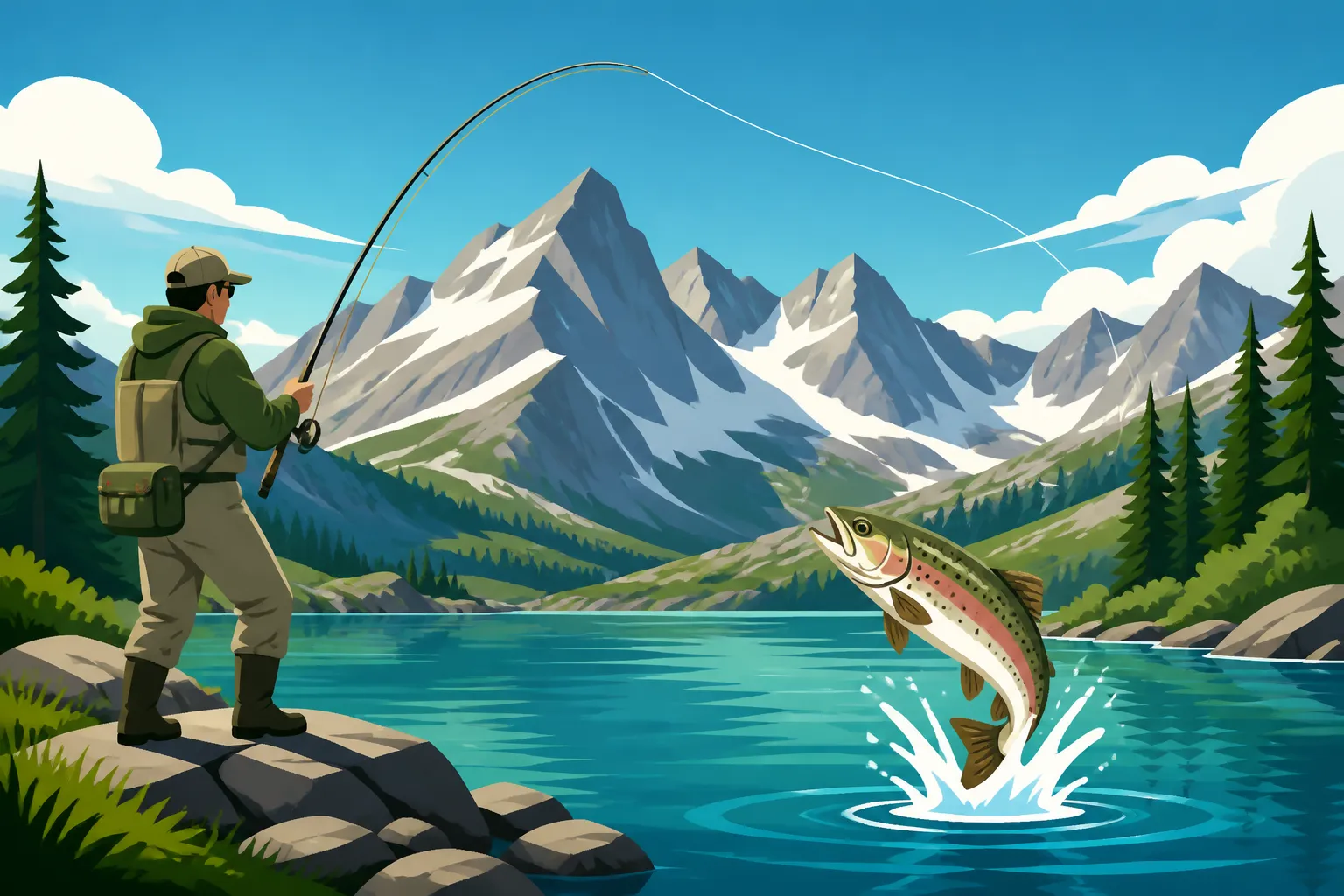
One of the biggest draws of Pinedale's high-mountain lakes is the unparalleled solitude they offer. After miles of hiking, often gaining thousands of feet in elevation, you'll find yourself in an amphitheater of granite peaks, pine forests, and water so clear you can see the bottom twenty feet down. This isn't just about escaping crowds; it's about entering an ecosystem where human impact is minimal, and the wildness of Wyoming truly shines. The air is crisp, the silence is profound, broken only by the whisper of the wind or the splash of a rising trout. It’s an opportunity to truly disconnect and immerse yourself in the natural world, a much-needed balm in our busy lives. You won't find bustling docks or commercial operations here; just raw, untamed beauty.
A Diverse Array of Hardy Trout Species
The fish themselves are a testament to the rugged environment they inhabit. These aren't hatchery-fed, docile fish. The high-mountain lakes near Pinedale are home to several species of trout that have adapted to harsh winters and short growing seasons, making them incredibly strong, feisty, and beautiful. You'll primarily encounter cutthroat trout, including the native Yellowstone and Snake River fine-spotted varieties, known for their vibrant colors and distinctive "cutthroat" markings. Beyond that, brook trout are plentiful in many smaller streams and lakes, offering a different kind of challenge, and if you're truly lucky and persistent, the coveted golden trout can be found in a select few, high-elevation lakes. Rainbow trout and occasionally brown trout might also appear, especially in lakes that have some connectivity to larger river systems. Each species has its own charm, but all share a common trait: they are hard fighters in these cold, oxygen-rich waters. If you're keen to learn more about Golden Trout Fishing in Wyoming, it's a unique experience for sure.
The Rewarding Challenge of the Backcountry
Let's be real, getting to these spots isn't always easy. Access often involves significant hiking, sometimes over rough terrain, through dense forests, or across scree fields. The weather can change in an instant, from sunny skies to afternoon thunderstorms or even hail, even in the middle of summer. You'll be carrying all your gear on your back, which means every ounce counts. This isn't for the faint of heart, but that's precisely what makes it so rewarding. There's an immense sense of satisfaction that comes with reaching a remote lake, setting up camp, and casting a line into waters that few others ever see. The fish you catch feel earned, and the memories forged in these wild places last a lifetime. For anglers accustomed to easy access, this shift to true backcountry adventure is a significant but worthwhile undertaking, and many find it to be the ultimate expression of Fishing Wyoming's Wilderness and Backcountry Lakes.
Iconic High-Mountain Lake Destinations Accessible From Pinedale
While the Wind River Range boasts countless hidden lakes, some are more accessible or renowned than others, offering varying degrees of challenge and reward. Pinedale serves as an excellent basecamp for exploring a wide range of these options, from easily reachable large lakes to deep-wilderness gems.
Fremont Lake: The Gateway to the Wind Rivers
Just a few miles outside of Pinedale, Fremont Lake is the seventh deepest lake in the United States and the second largest in Wyoming. While not strictly a "high-mountain" lake in the sense of requiring a multi-day hike, it's nestled at the base of the Wind River Mountains and serves as a major gateway and a fantastic fishery in its own right. Its deep, cold waters hold massive lake trout (mackinaw), rainbow, brown, and brook trout. You can access it by car, launch a boat, or fish from its extensive shoreline. It's a great spot to acclimate to the elevation and get a taste of the area's fishing before venturing deeper into the backcountry. For those looking for an introductory experience to this region, Fishing Fremont Lake Near Pinedale offers breathtaking views and impressive catches without the strenuous hike. The lake provides numerous access points, including public boat ramps and campgrounds, making it a popular choice for families and those with less time for an extended backcountry trip.
Half Moon Lake: Serenity and Accessibility
A smaller, yet equally picturesque lake also very close to Pinedale is Half Moon Lake. Nestled in a glacier-carved valley, this lake is known for its excellent fishing for rainbow and brook trout. It offers a more serene experience than Fremont Lake but is still easily accessible by vehicle, with a campground and lodge situated right on its shores. Half Moon Lake is perfect for a day trip or a casual overnight stay, providing stunning mountain views and good fishing opportunities for all skill levels. Anglers can fish from the shore, use small boats, kayaks, or even float tubes to explore its waters. Learning about Fishing Half Moon Lake Near Pinedale reveals it’s a wonderful option for those seeking a beautiful mountain lake experience without a strenuous hike, often yielding good catches with conventional spinning gear or fly fishing.
Deeper Into the Wind Rivers: Seneca Lake and Beyond
For those truly seeking the high-mountain experience, the vast network of trails leading from trailheads like Elkhart Park or Scab Creek will take you to lakes like Seneca Lake. Seneca Lake is a classic high-alpine destination, famous for its golden trout and robust populations of cutthroat and brook trout. The hike to Seneca is challenging, often requiring an overnight stay, but the rewards are profound. This lake, situated above 10,000 feet, is surrounded by stunning peaks and offers world-class fishing. Beyond Seneca, the trails branch out to countless other lakes, each with its own character and fishing potential. Lakes in areas like the Titcomb Basin, Cirque of the Towers, or those accessible via the Green River Lakes trailhead are truly spectacular, demanding multi-day backpacking trips but offering unparalleled solitude and the chance to catch fish that rarely see a lure. If you're serious about your adventure, consider using a service like FishingBooker to scout guide options or even just gather more intel on specific high-mountain spots. These deep-wilderness lakes, often accessible via long, scenic trails, truly define High-Elevation Lakes in the Wind River Mountains.
Essential Preparation and Gear for High-Altitude Fishing
Embarking on a high-mountain fishing trip near Pinedale requires careful planning and specialized gear. The environment is unforgiving, and being unprepared can quickly turn an incredible adventure into a miserable experience.
Planning Your Backcountry Excursion
Before you even pack your first item, comprehensive planning is crucial. First, research your chosen lake's specific regulations; bag and possession limits, as well as bait restrictions, can vary significantly from one water body to another in Wyoming. A good resource is the Wyoming Game and Fish Department's regulations booklet, which you can usually pick up locally or view online. Next, study trail maps thoroughly. Understand the elevation gain, distance, and potential water sources. Always let someone know your itinerary, including your planned route and expected return date. Weather forecasts are essential, but remember that mountain weather is notoriously unpredictable, so prepare for all four seasons in a single day. Think about your physical conditioning too; high altitude and heavy packs are a tough combination, so some pre-trip training can make a huge difference. Don't forget to secure your Total Cost of a Wyoming Nonresident Annual License and Stamp if you're visiting from out of state, well in advance.
Specialized Gear for Mountain Environments
Your gear list for a high-mountain trip will differ from a typical day trip. Lightweight backpacking gear is paramount: a sturdy tent, a warm sleeping bag (even in summer, nights get cold), a reliable stove, and plenty of high-energy food. Layers of clothing are a must, including waterproof outerwear, even in sunny forecasts. Footwear needs to be robust and broken-in hiking boots, capable of handling rough terrain. For fishing, a packable, lightweight rod and reel setup is ideal. Many anglers opt for a 3- to 5-weight fly rod for trout, or a light-action spinning rod. Pack a selection of lures and flies that imitate common mountain insects (e.g., caddis, mayflies, stoneflies) or small baitfish. Small spinners and spoons are also highly effective. Consider What Gear to Pack for a Backcountry Fishing Trip entails to ensure you're fully prepared. A water filter or purification tablets are non-negotiable, as is a first-aid kit, map, compass, and a headlamp. A GPS device or a reliable navigation app on your phone (with downloaded maps, as cell service will be nonexistent) can be a lifesaver.
High-Altitude Fishing Techniques That Work
Fishing in these high-mountain lakes often requires a slightly different approach. Trout in these cold, clear waters can be spooky, so stealth is key. Approach the water slowly and avoid casting a shadow over the area you intend to fish. Early mornings and late evenings are often the most productive times, as fish move into shallower water to feed. During the day, they might retreat to deeper pockets or shaded areas. Pay attention to insect hatches; if you see bugs on the water, try to "match the hatch" with similar fly patterns. For spin fishing, slow retrieves with small spinners or spoons are often more effective than fast, erratic movements. If fish are deep, a small jig or a weighted nymph under an indicator can be deadly. These fish are opportunistic, but they also have fewer food sources, so presentation matters. Learning How to Fish Wyoming's High-Alpine Lakes effectively will significantly boost your success. Sometimes, casting towards submerged structures, rocky drop-offs, or areas where small feeder streams enter the lake can be particularly productive.
Understanding the Unique Fishery: Species and Regulations
Fishing in the Pinedale high-country is a privilege, and understanding the specific fish you're targeting and the rules governing their harvest is crucial for preserving these pristine fisheries for future generations.
The Trophy Golden Trout and Other Charms
While cutthroat and brook trout are abundant and provide consistent action, the golden trout is often the holy grail for anglers venturing into these specific waters. These fish are known for their stunning iridescent golden flanks and crimson stripe, making them one of the most beautiful trout species. They thrive in the cold, nutrient-poor, high-altitude lakes of the Wind River Range. Catching a golden trout is a memory that lasts a lifetime, but it often requires patience and significant effort to reach their remote habitats. Besides goldens, you'll encounter the spirited cutthroat trout, Wyoming's state fish. These include the Yellowstone Cutthroat and, in some drainages, the Snake River Fine-Spotted Cutthroat. They readily strike flies and lures and are a joy to catch. Brook trout, identifiable by their distinctive vermiculated patterns and white-edged fins, are also prolific, especially in smaller streams and shallower sections of lakes. While often smaller, they are aggressive and provide consistent action, especially enjoyable for younger anglers or beginners. Exploring Where Golden Trout Are Stocked in Wyoming might give you a better chance at finding these elusive beauties.
Navigating Wyoming's High Lake Regulations
Wyoming fishing regulations are designed to protect and manage its diverse fisheries, and this is especially true for the sensitive high-mountain ecosystems. While general statewide limits apply to many species, numerous high-elevation lakes and streams have special regulations that supersede the general rules. These might include reduced bag and possession limits, fly-fishing-only restrictions, catch-and-release requirements, or specific bait prohibitions (e.g., no live bait). It’s not uncommon to find areas where only one or two fish can be kept, or where all native cutthroat must be released. Always consult the most current Wyoming Fishing Regulations Every Angler Should Know before your trip, paying close attention to the water-specific regulations listed for the areas you plan to visit. Ignorance of the law is not an excuse, and violations can result in hefty fines and loss of fishing privileges. Local outfitters or guides, which you can often find listed on platforms like FishingBooker, are also excellent resources for understanding the nuances of current regulations.
Conservation and Ethical Angling in Fragile Ecosystems
The high-mountain lakes are fragile ecosystems, and practicing ethical angling and conservation is paramount. This means adhering to catch-and-release best practices for any fish you don't intend to keep. Handle fish gently, minimize their time out of water, and use barbless hooks to reduce harm. Pack out everything you pack in—and perhaps even a little extra trash you might find. Leave no trace principles are critical in these wilderness areas. Avoid disturbing native vegetation, camp in designated areas or on durable surfaces, and properly dispose of human waste far from water sources. Protecting these remote fisheries ensures that their wild character and incredible fishing opportunities remain intact for future generations. Respecting wildlife, even by giving them a wide berth, and being mindful of other users of the backcountry (hikers, backpackers) are also key components of responsible wilderness use. Remember, we are guests in their home.
| Lake Name | Primary Access Point | Primary Species | Hike Difficulty | Notable Features |
|---|---|---|---|---|
| Fremont Lake | Pinedale | Lake Trout, Rainbow, Brown | Easy (car access) | Deepest lake in Wyoming, boat access |
| Half Moon Lake | Pinedale | Rainbow, Brook | Easy (car access) | Lodge & campground, serene mountain views |
| Seneca Lake | Elkhart Park Trailhead | Golden Trout, Cutthroat, Brook | Strenuous (multi-day) | Iconic backcountry destination, pristine |
| Gannett Peak Region Lakes | Various Wind River Trailheads | Cutthroat, Golden, Brook | Very Strenuous (multi-day) | Highest concentration of high-alpine lakes, true wilderness |
Disclaimer
The information provided in this guide is for general informational purposes only and does not constitute legal advice. Fishing regulations in Wyoming are subject to change, and it is the angler's responsibility to consult the most current official Wyoming Game and Fish Department regulations before engaging in any fishing activities. Always prioritize safety and be prepared for rapidly changing weather conditions in mountain environments.