Guernsey Reservoir Fishing Access Points
There's nothing quite like the anticipation of a fishing trip to a new spot, especially somewhere as iconic as a Wyoming reservoir. But let's be honest, that excitement can quickly turn to frustration when you arrive only to find confusing signage, locked gates, or boat ramps that are high and dry due to fluctuating water levels. It's a common headache for many of us, and finding reliable public access points can feel like half the battle. This guide is here to untangle that knot, walking you through the best fishing access points around Guernsey Reservoir, ensuring your next trip is spent casting a line, not searching for one.
Understanding Guernsey Reservoir's Landscape and Its Angling Potential
Guernsey Reservoir, nestled in southeastern Wyoming, isn't just a body of water; it's a dynamic landscape managed by the Bureau of Reclamation and Wyoming State Parks. This unique interplay means a diverse environment for anglers, but also some specific considerations when it comes to finding your perfect fishing spot.
The Diverse Terrain of Guernsey State Park
Guernsey State Park wraps around much of the reservoir, offering a stunning backdrop of sandstone cliffs, historical structures, and surprising sandy beaches. The terrain itself is a mix of rugged canyons, rocky points, and flatter, more accessible stretches. This diversity is fantastic for fishing, as different fish species prefer different structures, but it also means that access varies wildly. You might find yourself casting from a sturdy concrete dock in one area, then scrambling down a rocky embankment in another.
The eastern shore tends to be steeper and more rugged, characterized by dramatic cliffs and deep canyons, making direct shoreline access challenging in many places. However, these areas can be incredible for targeting deeper water species from a boat, or for adventurous anglers willing to hike into more secluded coves. The western and northern shores, particularly within the state park, generally offer more gentle slopes, some sandy beaches, and established picnic and camping areas that often double as excellent bank fishing spots. The geological features here were carved by ancient rivers and volcanic activity, giving the landscape its distinctive red rock formations and pine-covered hills, all of which contribute to the beauty – and sometimes the challenge – of getting to the water.
Water Level Fluctuations and Their Impact on Access
One of the biggest realities of fishing a reservoir like Guernsey is the ever-present challenge of fluctuating water levels. Guernsey Reservoir is part of the North Platte Project, primarily serving irrigation needs for agricultural areas downstream. This means that throughout the year, especially from late spring through fall, water levels can rise and fall significantly. It's not uncommon to visit in June and find a boat ramp perfectly usable, only to return in August and discover it's now a long, muddy slope leading to nowhere near the water.
These changes can be a real source of frustration, impacting everything from which boat ramps are launchable to whether your favorite bank fishing spot is even reachable. What might be a prime casting point from the shore during high water could be a dry, exposed mud flat just a few weeks later. Anglers need to be prepared for this variability. Before heading out, especially if you plan to launch a boat, it's a good idea to check the Wyoming State Parks website or call the Guernsey State Park office for current water levels and boat ramp conditions. This proactive step can save you a lot of wasted time and effort, ensuring your focus remains on the fish.
Detailed Guide to Guernsey Reservoir's Primary Fishing Access Points
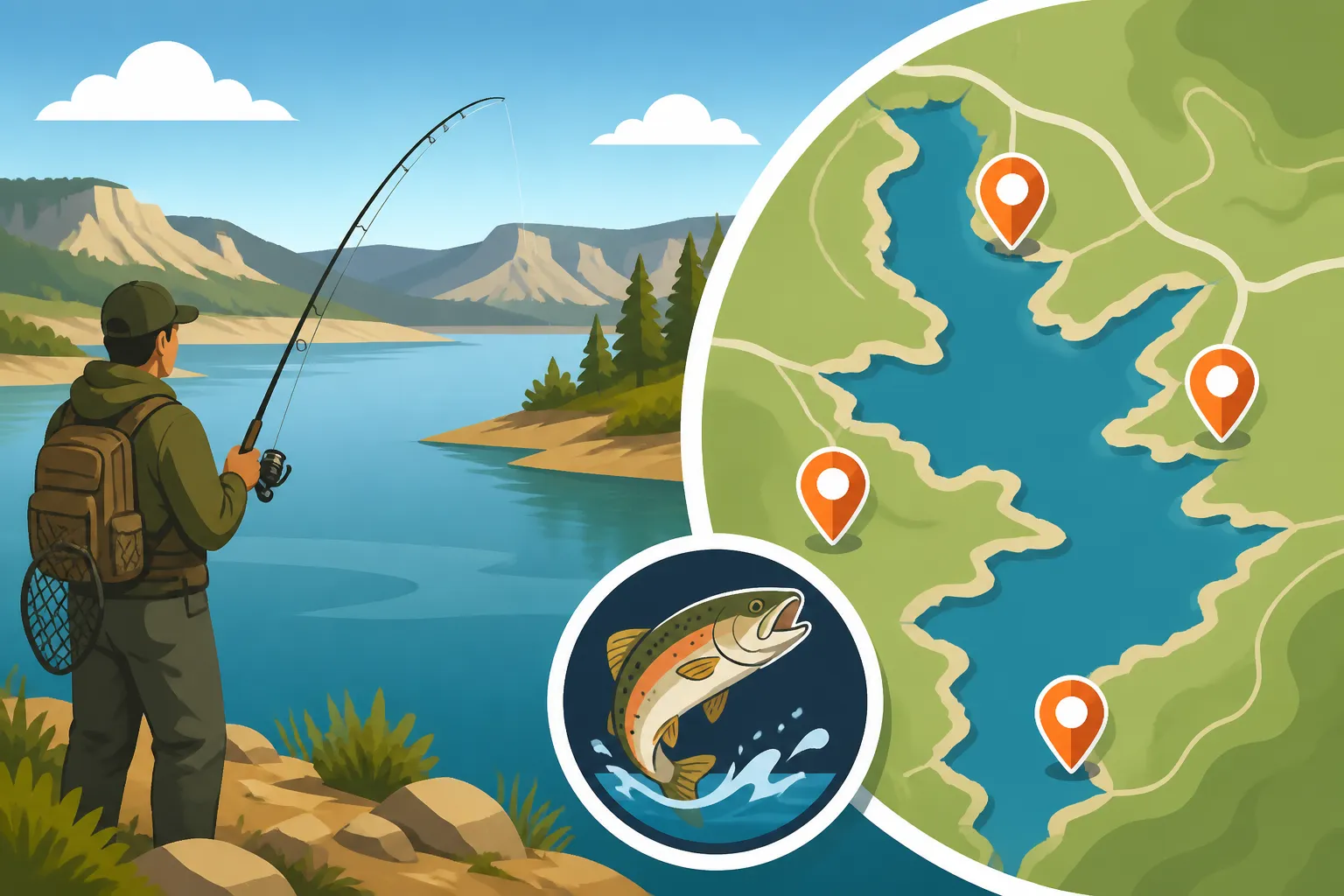
Guernsey Reservoir offers a variety of access points, each with its own character and opportunities. Knowing these spots beforehand can make all the difference in planning your perfect fishing day.
North End Hotspots: Sandy Beach and North Camp Areas
The northern end of Guernsey Reservoir is often a fantastic starting point for anglers, especially those with families or who prefer easier access. The Sandy Beach area, as its name suggests, offers gentle slopes down to the water, making it ideal for bank fishing, wading, or even launching a kayak or canoe. This spot is popular for good reason: it’s relatively shallow, warms up nicely in the spring, and often holds panfish like yellow perch, as well as cruising rainbow trout and the occasional walleye. There are usually picnic tables and vault toilets nearby, making it a comfortable spot for a full day out.
Just a bit further around the northern curve, you’ll find the North Camp area. This section also boasts accessible shoreline and is popular with campers who want to fish right from their site. The accessibility here allows for a relaxed approach to fishing, letting you set up multiple rods for bait fishing or cast a variety of lures without needing to hike far. The deeper water nearby attracts larger fish, and during cooler months, you might find some nice rainbow trout lurking here. This is also a great place to introduce kids to fishing, with plenty of room to cast and less treacherous terrain. Remember to check out Wyoming Youth Fishing License Cost if you're bringing the little ones along!
Damsite and Central Park Access
The areas around the dam and the Central Park section of Guernsey Reservoir are perhaps the most developed and frequently visited access points. The Damsite itself offers impressive views and, importantly for anglers, provides access to deeper water right off the shoreline in certain spots. While direct fishing from the dam structure is often prohibited for safety, nearby public access points around the base and outflow areas can be very productive. These deeper waters are prime territory for lake trout, and in the right season, even some larger walleye.
Central Park is another hub of activity, featuring developed boat ramps, docks, and ample parking. This is a primary launching point for serious boat anglers looking to explore the entire reservoir. Beyond the boat access, Central Park also offers some excellent shoreline fishing opportunities from its developed banks and jetties. The presence of amenities like restrooms, shaded picnic areas, and sometimes even a concession stand makes it a convenient base camp. Anglers here often target walleye and smallmouth bass, especially around the rocky structures near the boat ramps and deeper drop-offs. For those considering a guided trip, many operators listed on platforms like FishingBooker will likely depart from or frequent the Central Park area due to its facilities.
South and East Shoreline Exploration
If you're looking for a bit more solitude and don't mind a little extra effort, the south and east shorelines of Guernsey Reservoir offer some rewarding, less-trafficked fishing spots. These areas are generally less developed, often requiring a bit of a hike or a capable 4×4 vehicle to reach some of the better spots. You might find small, informal pull-offs or trails leading to secluded coves and rocky points.
Areas like Fish Hook Bay or various unnamed coves along the eastern shore can be fantastic for targeting smallmouth bass that prefer rocky habitats, or for chasing cruising trout. The advantage here is less competition and a chance to truly immerse yourself in the natural beauty of the area. However, always be mindful of private land and respect all posted signs. Some of these areas can be quite remote, so make sure you're prepared with all your gear, water, and emergency supplies. These spots might not have cell service, so plan accordingly. For those interested in exploring these wilder corners, understanding How to Read Water When Trout Fishing can greatly enhance your success.
Designated Boat Launch Facilities
For many anglers, especially those targeting walleye or lake trout in the deeper parts of Guernsey, a boat is essential. The reservoir has several designated boat launch facilities, but their usability often depends on those fluctuating water levels we discussed earlier.
- Sandy Beach Boat Ramp: Located on the north end, this ramp is generally good for smaller boats, kayaks, and canoes. It's often usable even during moderate low water.
- Damsite Boat Ramp (Central Park): This is the most developed and usually most reliable launch, located in the Central Park area. It's designed to handle larger boats and typically has good concrete ramps. However, even this ramp can be affected by extreme low water conditions.
- Cow Creek Boat Ramp: Situated on the southwest side, this ramp offers another option, often less crowded than Damsite. Its usability can also depend on water levels, sometimes becoming a gravel or dirt launch at lower elevations.
It's critical to check the current conditions before heading out. The Wyoming Game and Fish Department website or the Guernsey State Park office are your best resources for up-to-date information on boat ramp accessibility. Always ensure your boat is properly inspected for aquatic invasive species before launching, as Why Wyoming Requires Boat Inspections for Invasive Species is a serious matter.
Here's a quick overview of some popular access points:
| Access Point | Type of Access | Primary Target Species | Amenities | Ease of Access (1-5, 5=easiest) |
|---|---|---|---|---|
| Sandy Beach | Shore, Small Boat | Perch, Rainbow Trout | Camping, Picnic, Restrooms | 4 |
| North Camp | Shore, Camping | Rainbow Trout, Walleye | Camping, Picnic, Restrooms | 4 |
| Central Park (Damsite) | Boat Ramp, Shore | Walleye, Smallmouth Bass, Lake Trout | Boat Ramp, Docks, Picnic, Restrooms, Concession | 5 |
| Fish Hook Bay | Shore, Hike-in | Smallmouth Bass, Trout | Limited, Primitive | 2 |
| Cow Creek Boat Ramp | Boat Ramp | Walleye, Bass, Trout | Boat Ramp, Parking | 3 (water level dependent) |
| Various East Shore Pull-offs | Shore, 4×4/Hike | Bass, Panfish, Trout | Primitive, None | 1-2 |
Optimizing Your Guernsey Reservoir Fishing Experience
Catching fish at Guernsey isn't just about finding an access point; it's about knowing what to do once you're there. With diverse species and ever-changing conditions, a little preparation goes a long way.
Essential Gear and Tactics for Guernsey's Game Fish
Guernsey Reservoir boasts a healthy population of several desirable game fish, each requiring slightly different approaches.
- Walleye: These popular game fish are often found near deeper drop-offs, submerged structures, or along rocky points. For Walleye Fishing in Wyoming, jigging with bucktail jigs tipped with a minnow or soft plastics is effective, especially around the Damsite or Central Park areas. Trolling crankbaits or spinner rigs with bottom bouncers can also be incredibly productive in the main body of the reservoir. Focus on dawn and dusk, or cloudy days, as walleye are light-sensitive.
- Rainbow Trout: Often stocked, rainbow trout can be found throughout the reservoir, particularly in cooler waters or deeper sections. Shore anglers at Sandy Beach or North Camp can do well with powerbait, worms, or small spinners and spoons. Boat anglers might have success trolling with flashy spoons or small crankbaits.
- Yellow Perch: Great for family fishing and often found in shallower, weedier bays. For Perch Fishing in Wyoming, use small jigs tipped with mealworms or pieces of worm, fished under a bobber. They're usually abundant and provide consistent action.
- Smallmouth Bass: Look for smallmouth around rocky structures, submerged timber, and steep drop-offs. Crankbaits, jigs, and soft plastics imitating crawfish or baitfish are excellent choices. They fight hard and are a blast to catch.
For those venturing out on a boat, Trolling Techniques for Wyoming Reservoirs will be key, particularly for walleye and lake trout. Experiment with different depths and speeds until you find what's working.
Navigating Regulations and Seasonal Considerations
Wyoming's fishing regulations are designed to protect fish populations while providing ample opportunities for anglers. It's absolutely crucial to have a copy of the current Wyoming Fishing Regulations Every Angler Should Know with you, either physically or digitally. Regulations can change annually, and specific rules for Guernsey Reservoir, such as bag and possession limits for certain species, might be different from statewide general rules. For instance, there might be specific size or creel limits for walleye to maintain the fishery.
Regarding seasons, Wyoming Fishing Seasons Month by Month will show you that Guernsey offers year-round fishing, including ice fishing in winter. Spring is excellent as fish become more active after ice-out, and shallower areas warm up. Summer sees fish moving to deeper, cooler water. Fall can be fantastic for larger fish as they feed heavily before winter, and is often a popular time for targeting brown trout if they are present in significant numbers. Always double-check any water-specific closures or special regulations that might apply to Guernsey, which can usually be found in the regulations booklet under the specific waters section. If you want to know when to expect optimal fishing conditions, checking the Best Season to Fish Glendo Reservoir (a nearby, similar reservoir) might give you some comparative insights into regional patterns.
Leveraging Local Knowledge and Resources
While guides like this provide a great starting point, nothing beats real-time, local knowledge. Before you hit the water, especially if it's your first time or if conditions have been unusual, consider stopping by a local bait and tackle shop in the town of Guernsey. Folks there are usually happy to share insights on what's biting, what baits are working, and any current access issues. They've seen it all and can offer invaluable tips.
Another excellent option, particularly if you're new to the reservoir or looking to maximize your chances, is to hire a local fishing guide. A guide not only knows the ins and outs of the reservoir's access points and current conditions but also possesses the expertise to put you on fish. Platforms like FishingBooker are a great resource for finding licensed guides who operate on Guernsey Reservoir. They can take the guesswork out of your trip, providing all the necessary gear and sharing techniques tailored to the day's conditions. For more information on what to look for, check out Hiring a Fishing Guide in Wyoming or How to Choose a Wyoming Fishing Guide. These pros can help you navigate those constantly changing water levels and find the hot spots, no matter the season.
Beyond the Basics: Planning Your Trip and Staying Safe
A successful fishing trip to Guernsey Reservoir involves more than just knowing where to cast your line; it also requires practical planning and a commitment to safety and responsible outdoor ethics.
Nearby Amenities, Camping, and Supplies
Guernsey State Park is well-equipped with amenities that make a fishing trip more comfortable and convenient. There are several campgrounds scattered around the reservoir, offering everything from basic tent sites to RV hookups. Popular options include Sandy Beach, North Camp, and the Central Park areas, which put you right near the water and primary access points. These campgrounds often have vault toilets, potable water, and picnic tables. For a complete list and reservation information, consult the Wyoming State Parks website.
If you need supplies, the town of Guernsey, located just a short drive from the reservoir, has gas stations, a grocery store, and local bait shops where you can stock up on essentials. This proximity means you don't have to haul everything from home, offering a convenient stop for ice, snacks, or that forgotten lure. Having these resources nearby ensures you can focus on fishing without worrying about logistics.
Water Safety and Responsible Angling Practices
Safety should always be paramount when fishing, especially on a large reservoir like Guernsey. Always wear a life jacket when on a boat, kayak, or even when fishing from steep banks. Weather conditions in Wyoming can change rapidly, so keep an eye on the forecast and be prepared for sudden winds, thunderstorms, or temperature drops. Sunscreen, hats, and appropriate clothing are a must.
Responsible angling means respecting the environment and the resource. Practice "Leave No Trace" principles: pack out everything you pack in, and leave your fishing spot cleaner than you found it. Be mindful of others enjoying the outdoors, whether they are fellow anglers, campers, or hikers. If you're planning to keep fish, understand and adhere to all bag and possession limits as detailed in Reading the Wyoming Fishing Regulations Booklet. Lastly, always be on the lookout for aquatic invasive species. Clean, Drain, Dry your boat and gear after every outing to prevent their spread. For those wondering, Can You Transport Fish Caught in Wyoming to Another State? has important guidelines you should review if you plan on taking your catch home across state lines.
Disclaimer
Please note that fishing conditions, regulations, and access points can change. Always consult the latest Wyoming Game and Fish Department regulations and check with local authorities or bait shops for the most current information before planning your trip. The author and publisher are not responsible for any incidents that may occur while following this guide. Fish responsibly and safely.