Fishing Slate Creek in the Wind River Range
Venturing into the vast, untamed wilderness of Wyoming for a fishing trip is an experience unlike any other, but finding those truly remote, pristine spots can feel like searching for a needle in a haystack. Many popular areas are well-known and can get crowded, leaving you yearning for the solitude and untouched beauty that Wyoming is famous for. If you're dreaming of a backcountry adventure where the only sounds are the rustle of the wind and the whisper of a flowing stream, then this guide to fishing Slate Creek in the Wind River Range is exactly what you need to plan your unforgettable journey.
Getting to Know Slate Creek: The Remote Appeal and What to Expect
Slate Creek is not a roadside attraction, and that's precisely its charm. Tucked away deep within the formidable Wind River Range, reaching this pristine stream is an adventure in itself, often requiring significant hiking and backpacking. This isn't a place you casually drive to; it's a destination earned through effort and preparation, and the rewards—solitude, stunning scenery, and wild trout—are absolutely worth it. The appeal lies in its untouched nature, offering an escape from the daily grind and a chance to truly connect with the raw beauty of Wyoming's high country.
The Lure of the Wind River Range Backcountry
The Wind River Range, often simply called "the Winds," is a majestic and rugged mountain range known for its dramatic granite peaks, vast glaciers, and thousands of high-alpine lakes and streams. It's a true wilderness area, with much of it falling within the Bridger-Teton National Forest and the Popo Agie and Bridger Wilderness areas. Anglers are drawn here by the promise of pristine waters and wild, native trout that have never seen a hatchery truck. Slate Creek embodies this allure, flowing through high mountain meadows and granite canyons, offering a quintessential backcountry experience. It's a place where the air is crisp, the views are endless, and the fishing is as much about the journey as it is the catch. This rugged landscape provides ample opportunities for those looking to challenge themselves and explore less-traveled paths. For those interested in deeper wilderness experiences, consider exploring other Fishing Wyoming's Wilderness and Backcountry Lakes.
Navigating the Terrain to Slate Creek
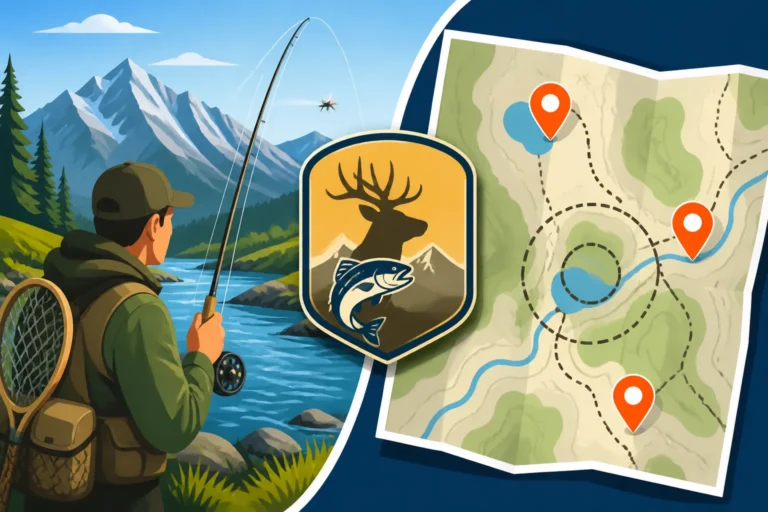
Accessing Slate Creek typically involves a multi-day backpacking trip. There are several trailheads that can lead you into the general vicinity, such as those near the town of Pinedale or Lander, but the exact route will depend on which section of Slate Creek you aim to fish. Prepare for elevation gains, rocky terrain, and potentially stream crossings. Maps, a GPS device, and solid navigational skills are non-negotiable. Trails in the Wind Rivers can be rugged and sometimes faint, especially as you diverge from main routes. It's not uncommon to spend an entire day hiking to reach a prime fishing spot, often through dense timber or across exposed alpine tundra. Carrying sufficient water, food, and emergency supplies is crucial, as you’ll be far from any services. Many experienced anglers combine their Slate Creek trips with visits to nearby high-elevation lakes, creating a multi-day fishing and hiking itinerary. These remote expeditions require careful planning and a good understanding of wilderness travel.
Fish Species and Opportunities in Slate Creek
The primary draw of Slate Creek, like many streams in the Wind River Range, is its population of wild trout. You're most likely to encounter colorful Brook Trout, known for their aggressive strikes and beautiful markings. Depending on the specific section of the creek and its connection to other drainages, you might also find vibrant Cutthroat Trout, including the native Yellowstone Cutthroat. These fish are generally not large, but what they lack in size, they make up for in beauty and willingness to rise to a well-presented fly. The clear, cold water means these trout are often very spooky, requiring a stealthy approach and precise presentations. However, in the less-pressured stretches, you can often find them eager to take a fly.
The fishing opportunities vary with the season and water levels, but generally, the summer months (July through September) offer the best conditions when the snowmelt has subsided and insect activity is high. Look for fish in deeper pools, undercut banks, and the seams of faster currents. The pristine environment of Slate Creek provides a true test of an angler's skill and patience.
| Trout Species | Typical Size in Slate Creek | Key Characteristics | Habitat Preference |
|---|---|---|---|
| Brook Trout | 6-12 inches | Distinctive worm-like markings (vermiculations), red spots with blue halos, white leading edge on fins. Often dark backs, lighter sides. | Cold, clear water, small streams, headwaters, often in slower pools or eddies. |
| Cutthroat Trout | 8-14 inches | Red or orange slash marks under the jaw, varying spot patterns. | Freestone rivers, lakes, preferring clean, cold, oxygenated water. |
Essential Gear and Fly Selection for Your Trip
Embarking on a backcountry fishing trip to Slate Creek demands careful consideration of your gear. Unlike roadside fishing, every item you carry needs to justify its weight and purpose. You’ll be hiking many miles, possibly over rough terrain, so a lightweight and efficient setup is paramount. This section will help you assemble the right tools for a successful and safe adventure.
Rods, Reels, and Line for Mountain Streams
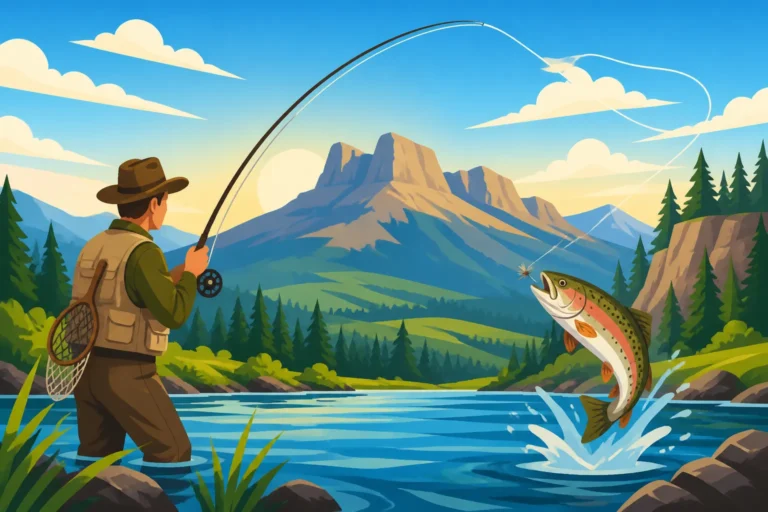
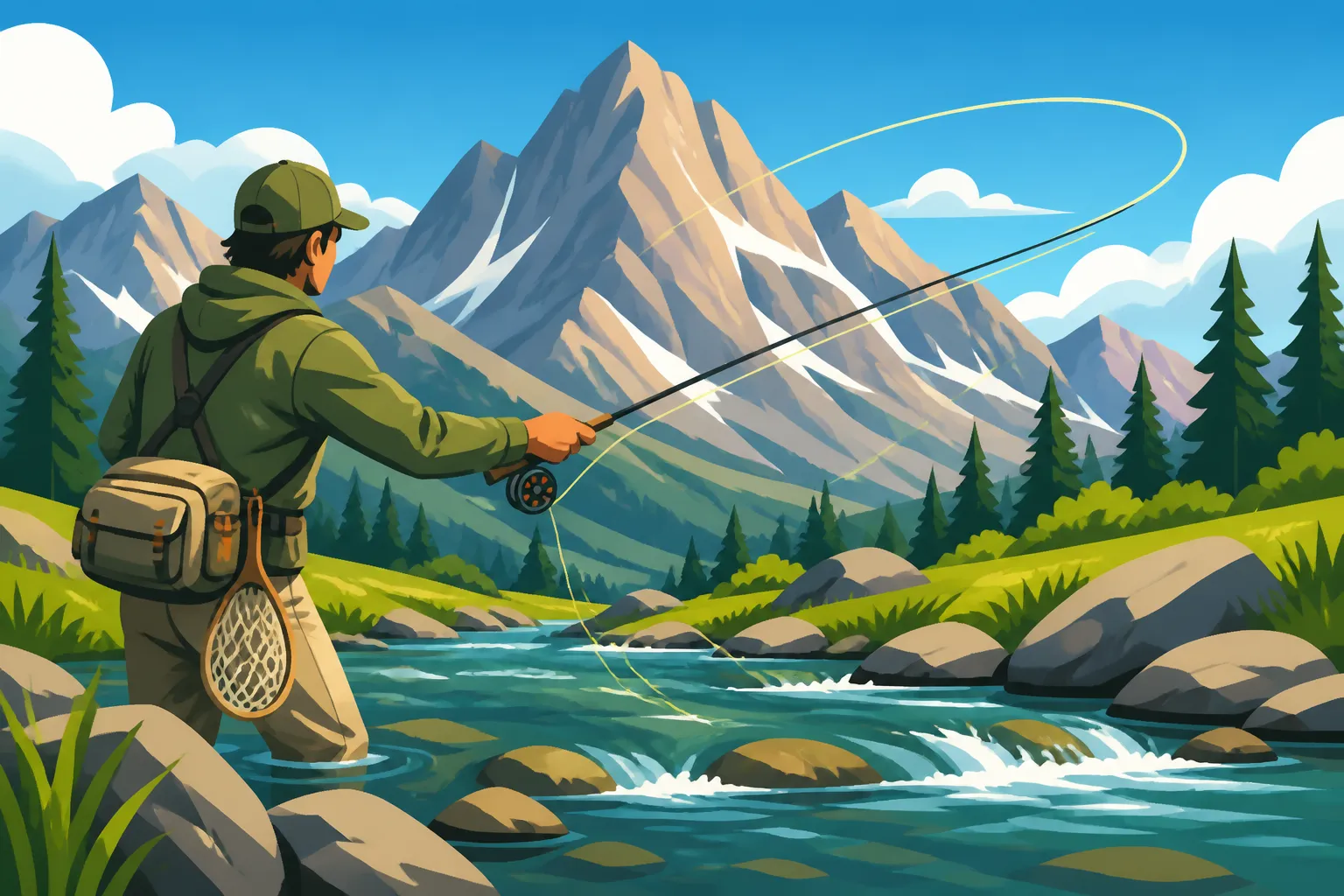
For a small, high-gradient stream like Slate Creek, precision and a delicate touch are more important than brute force. A lightweight fly rod is your best friend here. A 7.5 to 8.5-foot rod in a 3 or 4-weight class is ideal. This allows for accurate casts in tight quarters, protects light tippets, and makes even small trout feel like trophies. Paired with a matching reel and a weight-forward floating line, you’ll have a balanced setup perfect for presenting small dry flies or nymphs. Don’t forget a spare spool of tippet in various sizes (4x, 5x, and 6x) as you'll likely be dealing with clear water and finicky fish. A simple line clipper, forceps for hook removal, and a small net (optional, but good for fish health) will complete your angling arsenal. Remember, you're not casting across a wide river, but rather navigating brush and tight spots, so a shorter rod can often be an advantage. For more general advice on your setup, you might find How Wyoming Defines a Legal Fishing Rod useful.
Backpacking Essentials and Safety Considerations
Your fishing gear is only one part of the equation; comprehensive backpacking gear is equally, if not more, critical for a trip into the Winds. A sturdy, comfortable backpack capable of carrying several days' worth of supplies is essential. Include a lightweight tent or shelter, a sleeping bag rated for cold mountain nights (even in summer, temperatures can drop), and a portable cooking system. Water purification is non-negotiable; bring a filter or purification tablets, as giardia is a real concern. Layered clothing, including rain gear, sun protection, and extra warm layers, will help you adapt to the unpredictable mountain weather. A first-aid kit, bear spray, a headlamp, and a reliable fire starter are also must-haves for safety. Always inform someone of your itinerary and expected return date. Backcountry safety is paramount, especially when you're miles from civilization. If you're planning a multi-day hike, refer to What Gear to Pack for a Backcountry Fishing Trip for a comprehensive checklist.
Recommended Fly Patterns for Slate Creek
Trout in Slate Creek feed primarily on aquatic insects and terrestrial bugs that fall into the water. Your fly box should reflect this. For dry fly fishing, which is often the most rewarding in these small streams, carry patterns like Parachute Adams, Elk Hair Caddis, stimulators (like a Royal Wulff or Chubbies), and various ant or beetle imitations in sizes #14-18. When fish aren't rising, nymphs can be incredibly effective. Small Pheasant Tail Nymphs, Hare's Ear Nymphs, and Prince Nymphs in sizes #16-20 will cover most subsurface situations. Sometimes, a tiny streamer, like a micro-Woolly Bugger in black or olive, can entice a larger, more aggressive trout. The key is to carry a variety of patterns in small sizes, ready to "match the hatch" or imitate local terrestrials. The fish in these clear, remote waters are often less pressured, but still demand a good imitation and a delicate presentation.
Techniques for Success in High-Altitude Waters
Fishing small, clear, high-altitude streams like Slate Creek presents unique challenges and requires specific techniques to consistently fool trout. These fish are often wild, wary, and highly attuned to their environment. Your approach needs to be stealthy, and your presentation precise.
Reading the Water: Where Trout Hold
In Slate Creek, trout will seek out areas that offer both food and protection from predators and strong currents. This means you should focus on classic holding water: the head and tail of pools, runs with current breaks, undercut banks, and the seams where faster water meets slower water. Look for any structure—rocks, submerged logs, or overhanging vegetation—that provides cover. In small streams, even a subtle change in depth or current can create a prime lie for a trout. Don't overlook the shallow riffles, especially on overcast days or during a hatch, as smaller fish will often dart into these areas to feed. The clearer the water, the more you need to observe from a distance, identifying potential lies before making your first cast. Patience and keen observation will significantly increase your chances.
Presentation Strategies for Spooky Trout
The gin-clear water of Slate Creek means trout have excellent visibility, making a stealthy approach absolutely critical. Approach the stream from downstream, staying low and using bankside vegetation for cover. Avoid casting a shadow over the water. Your first cast into a promising spot is often your best, so make it count. For dry flies, aim for a drag-free drift that mimics a natural insect floating on the surface. For nymphs, a dead drift beneath an indicator, or even tight-line nymphing without one, can be incredibly effective in conveying a natural presentation.
Accuracy is paramount. You often only have a small window of opportunity to present your fly effectively before the current takes it or the fish spots you. If a fish refuses your fly, don't keep casting to it repeatedly. Change your fly, adjust your presentation, or simply move on and return later. Remember, these fish are wild and smart; they aren't used to seeing many artificial offerings, so a natural presentation is key.
Embracing Catch and Release
Given the remote nature and wild populations of Slate Creek, embracing catch-and-release is highly encouraged to preserve this fragile fishery. These trout grow slowly in the cold, nutrient-poor waters of the high country, and every fish is precious. Handle fish minimally, with wet hands, and keep them in the water as much as possible. Use barbless hooks to facilitate easy and quick release, minimizing stress and injury to the fish. If you enjoy taking photos, do it quickly, with the fish still partially submerged. Releasing fish responsibly ensures that future generations of anglers can also enjoy the incredible experience of catching wild trout in this pristine wilderness. Catch-and-Release Rules on Wyoming Waters provides more detailed best practices for handling your catch.
Responsible Angling and Conservation in the Wilderness
Fishing in a wilderness area like the Wind River Range comes with a profound responsibility to protect and preserve its natural beauty and delicate ecosystems. Understanding and adhering to regulations, as well as practicing Leave No Trace principles, are vital components of any trip to Slate Creek.
Understanding Wyoming's Backcountry Regulations
Before you even step foot on the trail, it's absolutely crucial to familiarize yourself with the current Wyoming fishing regulations. These can change annually, and specific rules apply to different waters, including those in wilderness areas. You’ll need a valid Wyoming fishing license, and potentially a Conservation Stamp depending on the length of your trip, which helps fund wildlife management and habitat restoration. Check for any specific gear restrictions, such as limitations on bait, barbless hook requirements, or special bag and possession limits for certain species or drainages. For instance, some headwater streams might have different regulations than larger rivers. Always carry a copy of the regulations booklet (or a digital version on your phone, assuming you have battery life) and be prepared to show your license if requested by a game warden. Ignorance of the law is not an excuse, and violations can result in significant fines. A great resource to start with is Wyoming Fishing Regulations Every Angler Should Know.
Minimizing Your Impact: Leave No Trace Principles
The pristine condition of Slate Creek and its surrounding wilderness depends on every visitor practicing Leave No Trace principles. This means packing out everything you pack in, including all trash, food scraps, and even fish entrails if you decide to keep a fish (though catch-and-release is strongly recommended). Stay on established trails whenever possible to minimize erosion and impact on sensitive vegetation. When camping, choose durable surfaces away from water sources and always properly dispose of human waste at least 200 feet from water, trails, and campsites. Avoid disturbing wildlife; observe from a distance and never feed animals. Campfires, while romantic, are often restricted in wilderness areas or during dry conditions, and should only be built where permitted and when conditions are safe, using existing fire rings. The goal is to leave the area exactly as you found it, or even better, so that its wild character remains for everyone.
Respecting Wildlife and the Ecosystem
The Wind River Range is home to a diverse array of wildlife, including black bears, grizzly bears, moose, elk, and various bird species. Being in their habitat means exercising caution and respect. Carry bear spray and know how to use it. Store food properly in bear-resistant containers or hung from a tree to prevent attracting wildlife to your campsite. Keep a safe distance from all animals, especially mothers with young. The wilderness is also a delicate ecosystem. Be mindful of fragile alpine plants and avoid trampling them. Do your part to prevent the spread of aquatic invasive species by cleaning your waders and gear thoroughly between different bodies of water. Your presence in this wild place is a privilege, and respecting its inhabitants and the environment is the best way to ensure it remains wild and healthy for years to come.
Disclaimer
The information provided in this guide is for general informational purposes only and is subject to change. Always consult the official Wyoming Game and Fish Department regulations and local land management agencies before planning any fishing trip to ensure compliance with the most current laws and safety guidelines. Fishing in remote wilderness areas carries inherent risks; proper preparation, navigation skills, and safety precautions are essential.