Alcova Reservoir and Afterbay Fishing Spots in Wyoming
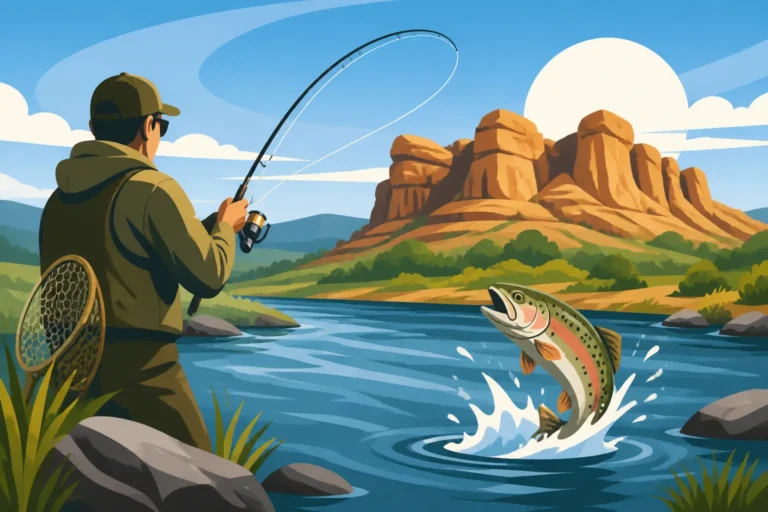
Trying to find those perfect fishing spots in Wyoming can sometimes feel like hunting for a needle in a haystack, especially when you're looking at vast bodies of water with hidden gems. You hear whispers about incredible fishing, but knowing where to drop a line, what to use, and when to go is a whole different story. This guide is going to walk you through everything you need to know about Alcova Reservoir and its unique Afterbay, helping you unlock their angling potential.
Discovering Alcova Reservoir and the Afterbay
Alcova Reservoir and its downstream sibling, the Alcova Afterbay, are true treasures tucked away in central Wyoming, just a short drive southwest of Casper. Many anglers might focus on the big names like Flaming Gorge or the North Platte River’s Miracle Mile, but these two bodies of water offer distinct and fantastic fishing experiences that are often less crowded and incredibly rewarding. They’re part of the North Platte River system, fed by the river itself and playing a crucial role in water management and recreation for the region. What makes them so special isn't just their beauty, but the diverse fishery they support, offering something for every type of angler.
Geographic Charm and Accessibility
Alcova Reservoir is a substantial body of water, sprawling across 2,470 surface acres when full, carved out of the landscape by the Alcova Dam. Its shores are a mix of steep rocky cliffs, sandy beaches, and sagebrush-covered hills, providing a rugged, classic Wyoming backdrop. Access is generally good, with several developed boat ramps, campgrounds, and day-use areas. You'll find access points like the Black Beach, Cottonwood, and Sandy Beach areas, which make it fairly straightforward to launch a boat or find a spot for shore fishing. The proximity to Casper means amenities are within reach, but once you're on the water, you feel a world away.
Just below the dam lies the Alcova Afterbay, a much smaller, river-like section of water that acts as a settling pond before the North Platte continues its journey. It’s significantly different from the main reservoir, characterized by its riverine flow, deeper channels, and immediate proximity to the dam structure. This smaller size can be deceptive, as it holds some truly impressive fish. Access to the Afterbay is primarily through the public lands managed by the Bureau of Reclamation and Wyoming Game and Fish Department, often requiring a bit more walking to find those prime spots, but it's well worth the effort for those seeking a unique fishing challenge.
The Unique Character of Each Water Body
Alcova Reservoir truly shines as a multi-species fishery, particularly renowned for its robust populations of trout and walleye. The reservoir's expansive nature and varied depths allow for different fishing strategies, from trolling deep for stubborn lake dwellers to casting along rocky points. It’s a place where you can spend an entire day exploring coves and structure, always feeling like there's a new honey hole to discover. The water clarity can vary, but generally, it's quite clear, especially in the deeper sections, making fish more discerning but also more exciting to target.
The Afterbay, on the other hand, is a different beast entirely. It behaves more like a river than a lake, even though it's technically a small impoundment. The consistent flow coming from Alcova Dam keeps the water well-oxygenated and often cooler, creating ideal conditions for trout. Many of the fish you'll find here are resident trout that thrive in the current, but larger fish from the main reservoir can also move through. Because of its unique structure and flow, fishing the Afterbay requires a different approach, often favoring techniques more akin to river fishing, such as nymphing or casting spinners into current seams. It’s a perfect spot for those who appreciate a more intimate, stream-like experience without straying too far from the amenities of the reservoir.
Key Fish Species You'll Encounter
Alcova Reservoir and its Afterbay are veritable playgrounds for anglers thanks to their diverse fish populations. While they both hold fantastic fish, the dominant species and the sizes you might encounter can differ between the two, providing distinct angling opportunities. Understanding what you're likely to hook into is the first step to a successful day on the water.
Walleye: The Prized Game Fish of Alcova Reservoir
When people talk about Alcova Reservoir, walleye often come up in the very next breath. These elusive, hard-fighting fish are a true trophy in Wyoming, and Alcova is one of the state's premier walleye fisheries. You're not just looking for quantity here; Alcova produces some impressive size, with fish commonly in the 2- to 5-pound range, and legitimate trophy walleye pushing 10 pounds or more aren't uncommon. They thrive in the reservoir’s open waters, often associating with submerged structures, drop-offs, and points.
Walleye are notorious for their light bite, especially during the day, which makes landing one feel like a real accomplishment. They tend to be most active during low-light conditions – dawn, dusk, and even into the night – but can be caught throughout the day with the right techniques. Their presence adds an exciting challenge and a delicious reward to any fishing trip. If you're specifically targeting these tasty critters, checking out the guide on Walleye Fishing in Wyoming can provide even more specialized tips.
Trout Galore: Rainbows, Browns, and Cutthroats
Both Alcova Reservoir and the Afterbay are excellent trout fisheries, though with different nuances. The reservoir is regularly stocked with Rainbow Trout, making them a common catch, especially for those trolling or bait fishing. These feisty fighters provide consistent action and are often found cruising the open water or near shorelines. You'll also find a healthy population of Brown Trout, particularly in the deeper, cooler sections and around rocky structure. Browns are known for their strong fight and can grow to impressive sizes in Alcova. Occasionally, you might even encounter a Cutthroat Trout, though they are less common than rainbows and browns.
The Afterbay is particularly celebrated for its trout. Because of the consistent, cold water flow from Alcova Dam, it serves as an excellent habitat for both stocked and wild trout. Here, you can expect to find good numbers of Rainbow and Brown Trout. The current and structure in the Afterbay provide fantastic conditions for them to grow large and robust, offering a challenging but rewarding fly fishing or spin fishing experience. If you’re a fan of catching these beautiful fish, our guide on Rainbow Trout Fishing in Wyoming offers great insights into their habits and how to target them effectively.
Other Species: Perch and Kokanee Salmon
While walleye and trout steal the show, Alcova Reservoir also supports other species that can add variety to your catch. Yellow Perch are abundant, especially during certain times of the year, and can provide fast-paced action, making them a fantastic target for families or those just looking for consistent bites. They're often found in schools, so once you find one, you're likely to find more. Perch are also excellent table fare.
Interestingly, Kokanee Salmon have also been stocked in Alcova Reservoir. While not as dominant as in some other Wyoming reservoirs, they offer a unique challenge for anglers, particularly during their pre-spawn and spawning runs when their vibrant colors become undeniable. Targeting Kokanee usually involves trolling with specialized gear in the open water. Keep an eye on local stocking reports and angler forums to know when these silver bullets are most active.
Top Fishing Spots and Access Points on Alcova Reservoir
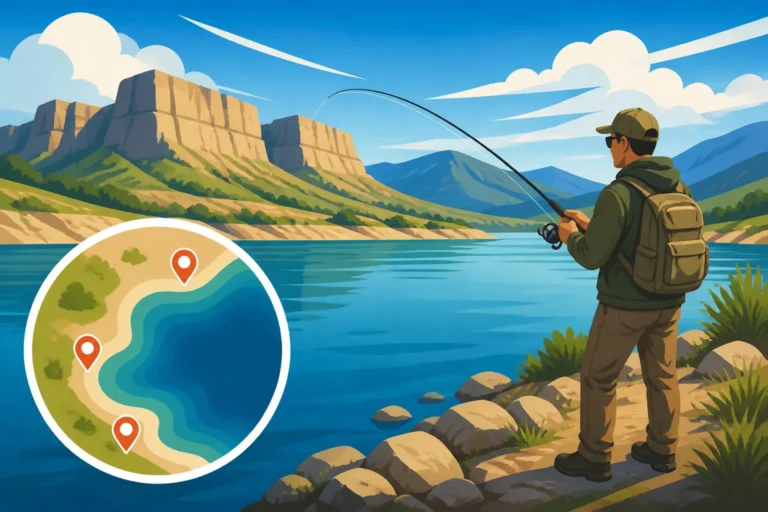
Navigating a large reservoir like Alcova can feel daunting, but knowing a few key areas can significantly increase your chances of success. Whether you're a boat angler with all the gear or prefer to keep your feet on solid ground, Alcova offers diverse opportunities.
Prime Boating Locations and Structures
For boat anglers, Alcova Reservoir truly opens up, allowing access to deeper waters and remote structures that shore anglers can only dream of. The key to successful boat fishing here often involves a good fish finder to locate submerged points, humps, and drop-offs where walleye and lake trout often congregate.
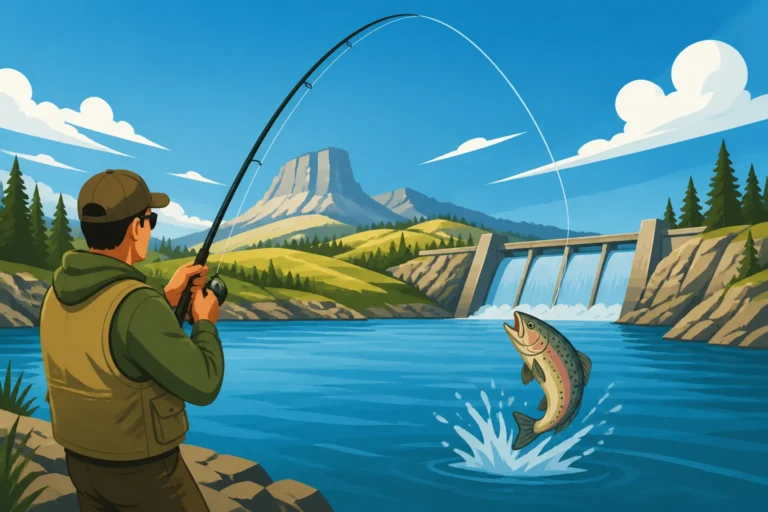
- The Dam Face and Spillway: Directly in front of Alcova Dam, the deep water and rock structure can be a magnet for large trout and even walleye. Trolling deep diving crankbaits or vertically jigging spoons here can be very effective, especially during cooler months. Be mindful of any restricted areas near the dam for safety.
- Big Kove and Little Kove: These two prominent coves on the reservoir’s southern side offer excellent structure. They feature numerous rocky points, ledges, and submerged timber, providing ambush points for walleye and cover for trout. Trolling crankbaits along the contours or drifting with live bait (where permitted) can yield great results.
- The Narrows: Where the reservoir pinches in, creating a more channel-like flow, "The Narrows" can be a hotspot. This area often concentrates fish as they move between different sections of the lake. It's a prime location for trolling for trout and walleye, as well as casting jigs or soft plastics along the banks.
- Sandy Beach Area: While known for its popular recreation, the deeper water off the points and along the channels near Sandy Beach can also hold fish. It's a good place to start trolling patterns for cruising trout or to jig for walleye on subtle structure.
For those planning to hit the water, reputable services like FishingBooker can help you find local guides who know these spots inside and out, especially if you're new to the area.
Productive Shoreline Access Points
Even without a boat, Alcova Reservoir offers fantastic shoreline fishing. Many popular areas are easily accessible, providing opportunities for bait fishing, casting lures, or even fly fishing when conditions are right.
- Black Beach: This is one of the most popular and easily accessible shoreline areas. With its sandy and rocky banks, it provides ample space for casting. Anglers here often have success targeting rainbow trout with powerbait, worms, or small spoons and spinners. Early mornings and late evenings tend to be the most productive.
- Cottonwood Campground Area: Beyond the campground, there are numerous points and coves that offer great access. The varying depths along the shoreline here can hold both trout and smaller walleye. Using a slip bobber rig with a minnow or worm can be very effective, especially near submerged cover.
- Pathfinder Dam Turnoff: Just before you reach the main Alcova Dam, there's access to some more rugged shoreline that can be excellent for casting. The rocky ledges and deeper drop-offs here attract larger trout and provide good structure for walleye, especially during low light. Be prepared for a bit of a hike to find the best spots.
- Sunken Island Access: While technically requiring a short boat ride or a longer wade in low water, the area around the "Sunken Island" (which is actually more of a submerged hump) can be accessed from shore in certain sections. This unique structure creates excellent habitat and current breaks that attract all species. This is a bit more adventurous, but often highly rewarding.
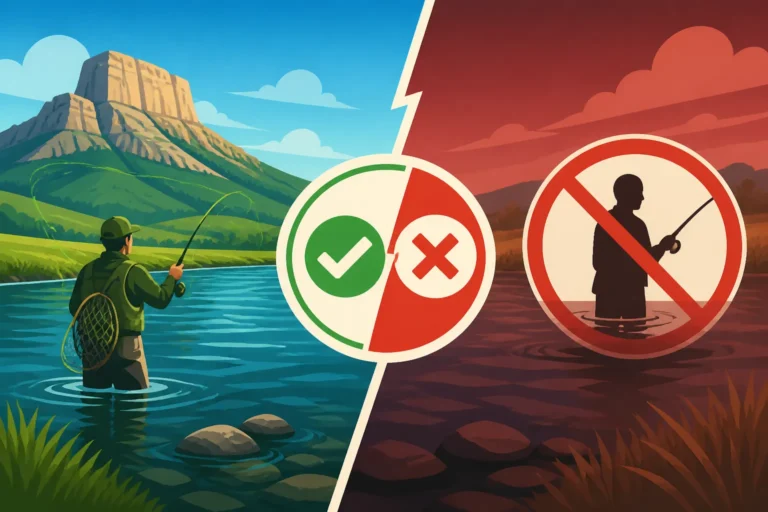
Remember to always consult the Wyoming Fishing Regulations Every Angler Should Know before heading out, as rules for bait, tackle, and limits can change seasonally or by specific water body.
Exploring the Afterbay's Unique Fishing Opportunities
The Alcova Afterbay, while physically connected to the reservoir, provides a distinctly different fishing experience. This smaller, flowing section below the dam offers a more intimate setting and often presents different challenges and rewards, especially for trout anglers.
Tailwater Fishing Below Alcova Dam
The section directly below the Alcova Dam is a classic tailwater fishery. Tailwaters are renowned for their consistent water temperatures and nutrient-rich flows, creating an ideal environment for trout to thrive and grow large. The Alcova Afterbay is no exception, often producing robust rainbow and brown trout.
- Deep Pools and Eddies: The water released from the dam carves out deep pools and creates strong eddies. These are prime holding areas for larger trout seeking refuge from the current and waiting for food to drift by. Fishing these areas with nymph rigs, weighted streamers, or even bottom-bounced bait (where legal) can be incredibly productive.
- Current Seams and Riffles: Like any good river, the Afterbay features distinct current seams and riffles. Trout will often position themselves in the softer water adjacent to the main current, darting out to feed. Fly anglers will find success nymphing these seams, while spin fishers can cast small spinners or spoons across the current and retrieve them through the slower water.
- Dam Outflow: The immediate outflow area can be turbulent but also highly oxygenated, attracting baitfish and, consequently, hungry trout. While safety is paramount near the dam, casting into the fringes of the immediate outflow can sometimes yield aggressive strikes from larger fish. Always observe safety signage and regulations near dam structures.
Because the Afterbay is a flowing water body, understanding How to Read Water When Trout Fishing is an invaluable skill here. Learning to identify where fish hold in the current will dramatically improve your success.
Accessing the Afterbay's Best Spots
Access to the Afterbay is generally good, though it often requires a bit more walking compared to the main reservoir's developed areas. Most of the Afterbay is surrounded by public land, allowing for considerable freedom of movement.
- Alcova Dam Public Access: The primary access point is right near the dam itself. There are parking areas that allow you to walk downstream along the riverbanks. This provides access to the powerful currents and deeper pools immediately below the dam. Be prepared for some uneven terrain and wear sturdy footwear.
- Downstream Walks: Continuing downstream from the dam, the Afterbay gradually widens and slows in places, offering a mix of riffles, runs, and slower pools. Anglers can walk for miles, exploring different sections. The stretch where the water starts to transition from a narrow channel into broader sections often holds excellent fish.
- Kayak or Float Tube Opportunities: For anglers seeking to cover more water on the Afterbay, a kayak or float tube can be a fantastic option, particularly in the sections further downstream where the current isn't as intense. These craft allow you to drift silently and target areas that are difficult to reach from shore. However, exercise extreme caution near the dam and in strong currents, and always wear a personal flotation device.
- Local Road Pull-offs: As you drive on the county roads paralleling the Afterbay, you'll find various informal pull-offs. These can lead to less-frequented spots, offering solitude and potentially undisturbed fish. Always respect private property and leave no trace when exploring these areas.
Remember, while the Afterbay is smaller, it's a dynamic environment. Water levels and flow rates can change, especially during periods of dam operation, so always be aware of your surroundings.
Best Techniques and Seasons for Success
Fishing Alcova Reservoir and the Afterbay successfully means adapting your techniques to the specific water body, target species, and the time of year. What works wonders on the reservoir might not be ideal for the flowing Afterbay, and vice versa.
Effective Techniques for Alcova Reservoir
Alcova's diverse fishery calls for a versatile approach.
- Trolling for Walleye and Trout: Trolling is undeniably one of the most popular and effective methods on Alcova, especially for covering large areas and finding schooling fish. For walleye, crankbaits that mimic baitfish like shad or perch, trolled at varying depths using planer boards or downriggers, are deadly. Brands like Rapala, Berkley, and Rebel offer a range of effective baits. For trout, spoons (like a good old Daredevil or Kastmaster), spinners, or even small crankbaits are excellent choices. Vary your speed and depth until you find what triggers bites. Our guide on Trolling Techniques for Wyoming Reservoirs offers a deep dive into this method.
- Jigging for Walleye: Vertical jigging is fantastic when you've located schools of walleye on your fish finder, often over submerged structure or drop-offs. Spoons, jigging Rapalas, or soft plastics rigged on a jig head can be very effective. The key is to present the lure close to the bottom with subtle lifts and drops. This technique is similar to what's used for walleye in places like Boysen, so checking out Jigging for Walleye at Boysen Reservoir can provide transferable knowledge.
- Bait Fishing for Trout and Perch: Don't underestimate the power of natural bait. For rainbow trout and perch, a simple rig with a nightcrawler, marshmallow, PowerBait, or corn fished off the bottom (using a slip sinker or bobber) can be incredibly productive, especially from shore or anchored boats. Look for areas with slight drop-offs or near submerged cover.
Techniques Tailored for the Afterbay
The Afterbay's river-like characteristics demand a more finessed approach, particularly for trout.
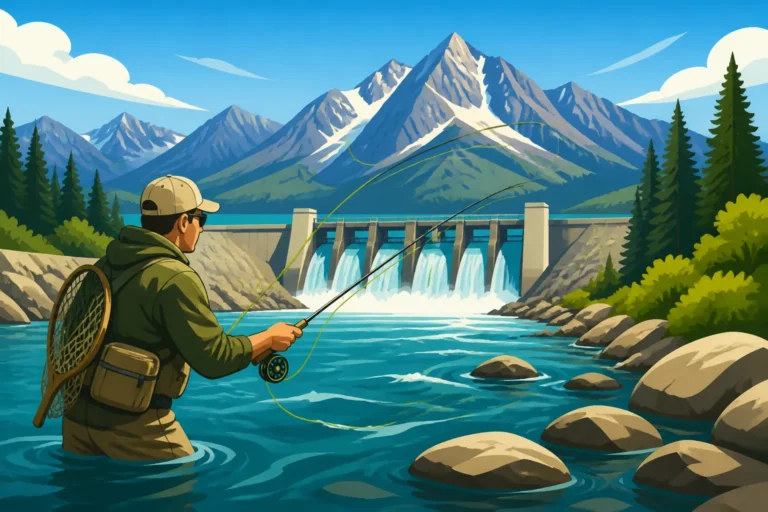
- Fly Fishing: Nymphing and Streamers: For many, the Afterbay is a fly fishing paradise. Nymphing is often the most productive method, mimicking the subsurface insects that trout feed on constantly. Patterns like Pheasant Tails, Hare's Ears, and Prince Nymphs drifted under an indicator are highly effective. When larger browns are on the prowl, especially during cooler months, stripping streamers (Woolly Buggers, Sculpzillas) can entice aggressive strikes.
- Spin Fishing: Spinners and Jigs: If fly fishing isn't your style, spin fishing can still be incredibly effective. Small inline spinners (Mepps, Panther Martin) cast across and slightly upstream, then retrieved with a steady hand, are deadly for active trout. Small jig heads tipped with grubs or soft plastic worms, worked slowly along the bottom, can also produce.
- Bait Fishing (Where Permitted): Where bait fishing is allowed, a simple worm or minnow (check regulations for bait restrictions, especially concerning live minnows) drifted naturally in the current under a bobber can be very effective, especially for larger, less pressured fish in deeper pools.
Seasonal Considerations for Peak Fishing
Timing your trip to Alcova and the Afterbay can significantly impact your success, as fish behavior changes dramatically with the seasons.
- Spring (April-May): As the ice melts and water temperatures begin to rise, fish become more active. This is an excellent time for walleye in Alcova as they move into shallower areas to spawn. Trout fishing in both the reservoir and Afterbay picks up considerably, with fish eager to feed after a long winter. However, runoff can make river sections murky.
- Summer (June-August): Peak season for recreation, but also great fishing. Walleye in the reservoir move to deeper, cooler waters, often suspending or associating with structure. Trolling and deep jigging are key. Trout in the Afterbay remain active, often feeding heavily on hatches. Early mornings and late evenings are prime to beat the heat and crowds.
- Fall (September-October): Many consider fall the best fishing season. Walleye in Alcova become more aggressive as they feed up for winter. Brown trout in both waters engage in spectacular pre-spawn migrations and feeding frenzies, making them prime targets for streamers and large lures. The cooler temperatures and fewer crowds make for a very pleasant experience. Check Wyoming Fishing Seasons Month by Month for a comprehensive overview.
- Winter (November-March): Ice fishing dominates Alcova Reservoir. Walleye, trout, and perch can all be caught through the ice. Jigging spoons and small minnows are popular. The Afterbay remains fishable, offering unique opportunities for hardy anglers, often with less pressure, as long as it doesn't freeze over completely.
Practical Tips for Fishing Alcova and Afterbay
A successful fishing trip often comes down to preparation and knowing a few local tricks. Alcova Reservoir and the Afterbay are fantastic fisheries, but they also present their own set of challenges.
Essential Gear and Tackle Recommendations
Having the right gear makes all the difference, whether you're battling a trophy walleye or presenting a delicate fly to a wary trout.
- Rods and Reels:
- For Alcova Reservoir (Walleye/Trout): A medium-light to medium-action spinning rod (6'6" to 7'6") paired with a 2000-3000 series spinning reel spooled with 8-12 lb monofilament or fluorocarbon is versatile for casting and light trolling. For heavier trolling or jigging, a medium-heavy baitcasting setup might be preferred, especially for deep-water walleye.
- For Afterbay (Trout): A 9-foot, 5-weight fly rod is a standard all-around choice for most trout situations, capable of handling nymph rigs, dry flies, and smaller streamers. For spin fishing, a sensitive 6-7 foot ultra-light to light action spinning rod with 4-6 lb line is ideal for casting small spinners and jigs.
- Lures and Baits:
- Walleye: Deep-diving crankbaits (e.g., Rapala Shad Raps, Berkley Flicker Shad), jigging spoons (e.g., Swedish Pimple, Kastmaster), 1/8 to 1/2 oz jig heads with soft plastics (grubs, paddle tails), and live minnows (check regulations for legality and size).
- Trout (Reservoir): Spoons (e.g., Daredevle, Cast Champ), inline spinners (e.g., Mepps Aglia, Rooster Tail), PowerBait, worms, and marshmallows.
- Trout (Afterbay): Fly patterns include various nymphs (Pheasant Tail, Hare's Ear, Prince Nymph, Squirmy Wormy), dry flies (Elk Hair Caddis, Adams, Parachute Adams), and streamers (Woolly Bugger, SculpZilla). Spin fishing lures include small inline spinners (Mepps, Panther Martin) and small jig heads with micro plastics.
- Other Essentials: Pliers, net (rubberized for catch-and-release), sunglasses, sunscreen, hat, appropriate layers of clothing (Wyoming weather is unpredictable!), a cooler with ice, and plenty of water. A good multi-tool is always handy.
Understanding Local Regulations and Licensing
Fishing in Wyoming comes with specific rules, and Alcova and the Afterbay are no exception. Before you even think about casting a line, make sure you're properly licensed and informed.
- Wyoming Fishing License: Everyone 14 years or older needs a Wyoming fishing license. Non-residents have various options, including annual, daily, and 5-consecutive-day licenses. Residents also have annual options. You'll also likely need a Wyoming Conservation Stamp, which is required for most licenses. For a complete breakdown, refer to Wyoming Resident vs Nonresident License Rules and Wyoming's Annual, Daily and Five-Day License Options. You can purchase licenses online through the Wyoming Game and Fish Department website or at authorized vendors like Walmart, local tackle shops, and some gas stations.
- Specific Rules for Alcova/Afterbay: Always double-check the current Wyoming Fishing Regulations booklet for any specific rules pertaining to Alcova Reservoir and the Afterbay. These might include length limits, creel limits (bag and possession), bait restrictions (e.g., use of live minnows), or specific gear restrictions (e.g., single-point, barbless hooks on certain trout waters, though this is less common on Alcova/Afterbay). These regulations can change year to year, so always have the most current information.
- Catch and Release: While you can keep fish in accordance with limits, practicing catch-and-release, especially for larger trout and walleye, helps maintain the health and quality of the fishery. Learn proper handling techniques to ensure released fish survive.
Safety and Respect for the Environment
Wyoming is wild, and its waters demand respect.
- Weather Awareness: Weather can change rapidly in Wyoming. Be prepared for sudden winds, thunderstorms, or drops in temperature, even on a sunny day. Always check the forecast before you go, and if boating, be aware of wind advisories on the large, open waters of Alcova.
- Boating Safety: If you're using a boat, ensure all safety equipment is on board (PFDs for everyone, fire extinguisher, horn/whistle, etc.). Understand navigation rules and respect other boaters and anglers.
- Wading Safety: In the Afterbay, currents can be strong. Wear waders with good gripping soles, use a wading staff for stability, and know your limits. Never wade alone in fast-moving water.
- Leave No Trace: Pack out everything you pack in, and perhaps even more. This includes fishing line, bait containers, and any other trash. Do your part to keep these beautiful areas pristine for future generations. Report any poaching or environmental violations to the Wyoming Game and Fish Department.
- Wildlife Encounters: You're in Wyoming's wilderness. Be aware of local wildlife, including snakes, bears, and other animals. Store food properly and give wildlife ample space.
By respecting the regulations, the environment, and fellow anglers, your trip to Alcova Reservoir and Afterbay will be not only successful but also incredibly enjoyable and memorable. And if you're looking to make your trip even smoother, consider exploring options on FishingBooker for local expert guides who can provide an unforgettable experience.
| Feature | Alcova Reservoir | Alcova Afterbay |
|---|---|---|
| Primary Type | Large reservoir (2,470 acres) | Riverine section / small impoundment |
| Dominant Flow | Stiller, open water with current influence near dam | Consistent, often strong current from dam |
| Main Fish | Walleye, Rainbow Trout, Brown Trout, Perch, Kokanee Salmon | Rainbow Trout, Brown Trout |
| Typical Size | Larger walleye (2-10+ lbs), good trout size | Robust trout (12-20+ inches), often strong fighters |
| Best Techniques | Trolling (crankbaits, spoons), jigging, bait fishing | Fly fishing (nymphing, streamers), spin fishing (spinners, jigs) |
| Access | Multiple boat ramps, developed shoreline access | Walk-in public access below dam, limited boat/float options |
| Vibe | Expansive, multi-recreational, boating-friendly | More intimate, flowing water, often less crowded |
Disclaimer
Fishing in Wyoming involves inherent risks. Always prioritize safety, adhere to all local, state, and federal regulations, and be mindful of changing weather and water conditions. The information provided in this guide is for general informational purposes only and should not be considered legal advice or a substitute for consulting the official Wyoming Game and Fish Department regulations. Always check the most current regulations before your trip.