Fishing Spots That Freeze Over First in Wyoming
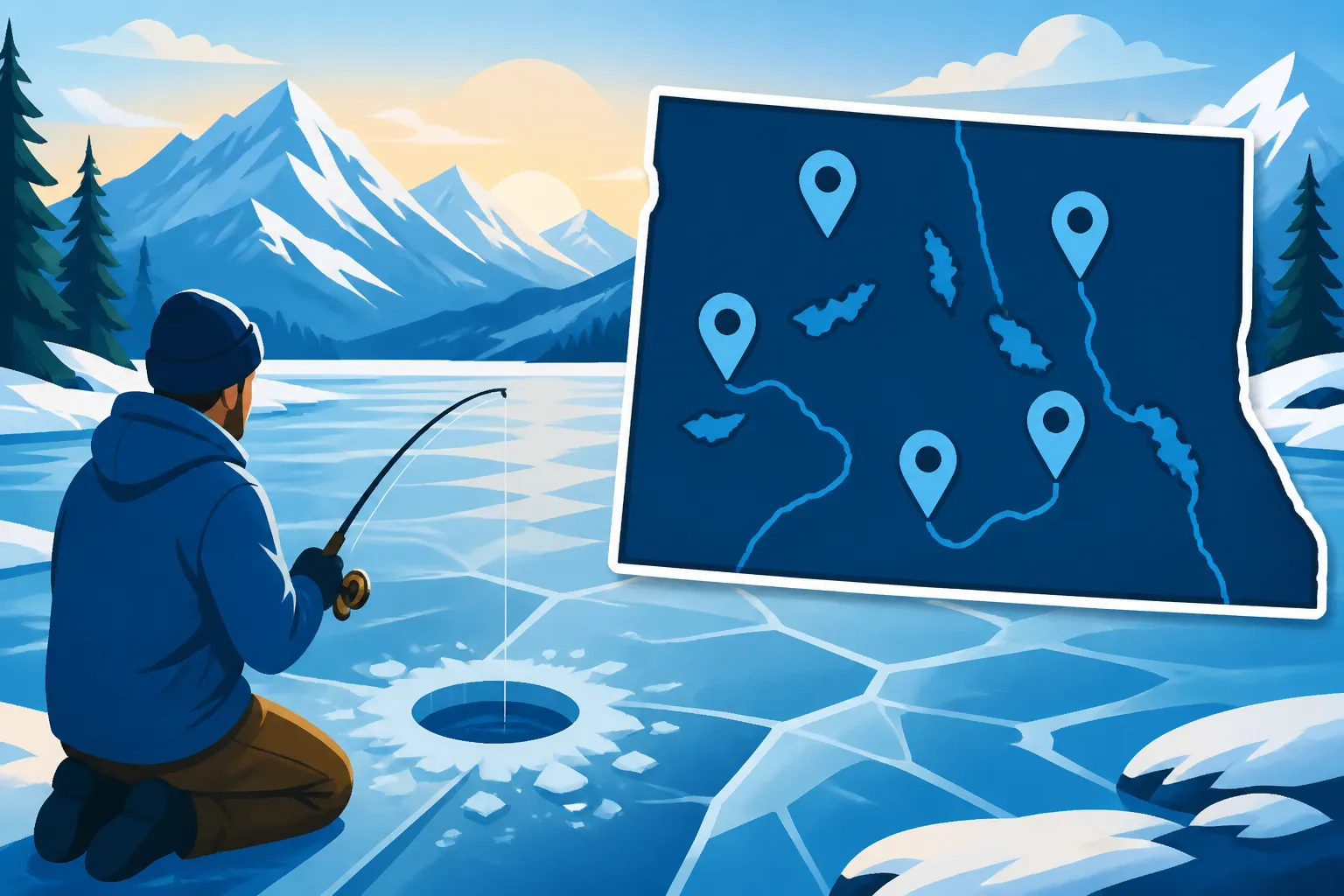
There's nothing quite like the crisp air of late fall, the rustle of dry leaves, and the anticipation of that first solid sheet of ice. But for those of us eager to transition from open-water fishing to the unique thrill of ice fishing in Wyoming, the wait can feel agonizingly long. It’s frustrating when you see reports of ice forming in some areas, yet your favorite local spot is still wide open. This guide is here to cut through that frustration, helping you pinpoint the Wyoming fishing spots that typically freeze over first, so you can be ready when the hard water season truly begins.
Understanding Why Some Wyoming Waters Freeze Faster
It might seem like magic how some lakes can be solid while others remain liquid, even when they're not too far apart. But it's all about physics, geography, and a few environmental factors that conspire to give certain waters a head start on freezing. Knowing these factors is key to predicting where you'll find that first fishable ice.
Elevation's Role in Early Ice Formation
One of the most significant factors influencing when a body of water freezes in Wyoming is its elevation. It's a simple truth: the higher you go, the colder it gets. This means that those stunning high-alpine lakes nestled in the majestic Wind River Range or the rugged Bighorn Mountains are almost always going to lock up sooner than a reservoir sitting on the plains.
Think about it: at 9,000 feet, temperatures can drop below freezing much earlier in the fall and stay there for longer stretches compared to a lake at 6,000 feet. This persistent cold quickly saps the heat from the water, leading to ice formation. Anglers who live in areas like Pinedale or Dubois often find themselves with prime early ice opportunities on numerous backcountry lakes while lower elevation rivers and reservoirs are still unfrozen. These high-country gems, while often requiring a bit more effort to reach, are a secret weapon for extending your ice fishing season. If you're looking for truly secluded early ice, don't forget to check out our guide on High-Elevation Lakes in the Wind River Mountains.
Size and Depth: The Thermodynamics of Water Bodies
Beyond elevation, the sheer size and depth of a lake or pond play a massive role in how quickly it cools and freezes. This comes down to something called thermal mass. Simply put, a large, deep body of water holds a tremendous amount of heat, like a giant natural battery. It takes a lot more sustained cold weather to cool down a massive reservoir like Flaming Gorge or Boysen Reservoir than it does a small, shallow pond.
Smaller, shallower waters, on the other hand, have less thermal mass. They lose heat to the cold air much more rapidly. This is why you’ll often see thin ice on roadside ponds or smaller municipal fishing lakes long before the main basins of large reservoirs even start to skim over. For instance, a community pond near Laramie might be ready for safe ice fishing weeks before the vast expanse of Glendo Reservoir offers any reliable hard water, even if both are at similar elevations. The cold penetrates these smaller, shallower waters much more efficiently, turning them into solid ice relatively quickly.
Exposure to Wind and Shade
The elements aren't just about temperature; wind and sunlight are also critical players in the ice formation game. A body of water that is constantly exposed to cold, brisk winds will experience faster surface cooling due to evaporative cooling and convection. Think of blowing on a hot cup of coffee – the same principle applies, but on a much larger scale. Open, unsheltered lakes or large, exposed sections of reservoirs are more susceptible to this accelerated cooling from wind.
Conversely, areas that are consistently in the shade, perhaps due to tall cliffs, dense forests, or steep canyon walls, will retain less solar heat during the day. This lack of sunlight means these shaded areas cool down faster and stay colder, often resulting in earlier ice formation. You might find that a north-facing cove on a larger lake or a stretch of water nestled deep in a canyon will skim over with ice long before the main, sun-drenched body of the lake. These microclimates within a larger water system are crucial for finding those first safe patches of ice.
Prime Wyoming Fishing Spots for Early Freeze
Now that we understand why some waters freeze faster, let's talk about where you can typically find that coveted early ice in Wyoming. While conditions can vary year to year, some locations consistently offer the first hard water opportunities.
High-Elevation Backcountry Lakes and Ponds
Wyoming is blessed with an abundance of stunning high-country lakes, especially in the western and central mountain ranges. These are almost always your first bet for early ice. Areas like the Wind River Range, the Bighorn Mountains, and the Wyoming Range are dotted with hundreds of small to medium-sized lakes and ponds sitting at elevations typically above 9,000 feet.
Lakes in the vicinity of Dubois, Pinedale, and Lander that are accessible via hiking trails often freeze solid by late October or early November, sometimes even earlier after a particularly cold snap. While reaching them involves more effort – often a significant hike or even a snowmobile trip later in the season – the reward is usually excellent fishing pressure and pristine, undisturbed ice. These are the spots where you can often target a variety of trout species, including cutthroat, brook, and golden trout, through the ice before anyone else. For some remote ideas, consider checking out our article on Helicopter-Stocked Backcountry Lakes Near Dubois for some fantastic high-country options that reliably freeze early.
Smaller, Shallower Reservoirs and Ponds
Beyond the high country, many smaller reservoirs and dedicated community fishing ponds throughout the state are also excellent candidates for early ice. These waters, by virtue of their shallower average depths and often smaller surface areas, cool down rapidly.
One prime example is Keyhole Reservoir in northeast Wyoming. While not in the highest elevations, its relatively shallow nature and exposure often lead to earlier ice formation compared to larger reservoirs in the state. Anglers targeting walleye and crappie here often get a jump on the ice season. Similarly, many of the smaller ponds managed by the Wyoming Game and Fish Department (WGFD) for community fishing, often stocked with rainbow trout, can provide safe early ice. These include ponds in urban areas like Cheyenne, Casper, and Sheridan. They're typically easy to access, making them perfect for testing the waters (pun intended!) at the start of the season. To learn more about this northeastern gem, you might find our guide on Fishing Keyhole Reservoir for Walleye and Crappie useful.
Sheltered Coves and Bays on Larger Waters
Even some of Wyoming's larger, deeper reservoirs can offer early ice opportunities, but you need to know where to look. It’s often the sheltered coves, shallow bays, or northern arms of these bigger lakes that freeze first. These areas combine reduced exposure to wind with shallower depths, effectively mimicking the conditions of a smaller pond.
For example, on Boysen Reservoir, while the main body might take a while to lock up, the northern bays or shallow inlets often form fishable ice first. Similarly, parts of Alcova Reservoir and Pathfinder Reservoir near Casper, particularly those areas with reduced current flow and protection from prevailing winds, can offer early season access. These spots are fantastic because they often hold a variety of species, from trout to walleye and perch, that can be targeted through the ice. It’s a great way to get on the hard water without waiting for the entire reservoir to freeze. Before you head out, make sure to read up on whether Is There Ice Fishing at Boysen Reservoir? to prepare for your trip.
Practical Tips for Targeting Early Ice in Wyoming
Venturing out onto the first ice of the season can be incredibly rewarding, but it also demands a heightened sense of awareness and preparation. Early ice conditions are notoriously variable, and safety should always be your absolute top priority.
Monitoring Conditions and Local Reports
Never, ever assume ice is safe based on calendar date or what you've heard second-hand. The first and most critical step for early ice fishing is diligent monitoring of local conditions and official reports. The Wyoming Game and Fish Department (WGFD) is an invaluable resource, often providing updates on ice conditions in popular areas. Check their website, social media, or call local WGFD offices. Beyond official channels, local bait and tackle shops are goldmines of real-time information. They'll often have anglers coming in with direct reports from the ice. Online fishing forums specific to Wyoming can also offer insights, but always cross-reference information. Remember that ice thickness can vary dramatically even across a small body of water, so that one "safe" spot might be surrounded by dangerously thin ice. Knowing How Wyoming Game and Fish Announces Emergency Closures can also help you stay informed about unexpected changes.
When planning an early ice trip, especially to a new-to-you spot, it can be incredibly helpful to tap into local expertise. Websites like FishingBooker can connect you with experienced Wyoming ice fishing guides who not only know the prime early freeze spots but also have the most up-to-date intel on ice conditions. They can ensure your first outing is both safe and productive.
Gear and Safety Considerations for First Ice
Early ice is inherently more dangerous than mid-season ice. The ice can be inconsistent, with varying thickness due to current, springs, or changes in temperature. Therefore, your gear checklist needs to prioritize safety above all else.
Essential safety gear includes:
- Ice picks: Worn around your neck, these are crucial for pulling yourself out if you fall through.
- Spud bar: Used to test ice thickness as you walk. If it goes through in one or two jabs, the ice is too thin.
- Throw rope: A weighted rope to toss to someone who has fallen through.
- Float suit or PFD: A full floatation suit is ideal; otherwise, wear a personal flotation device under your outerwear.
- Buddy system: Never go out on early ice alone.
Beyond safety, consider that fish under early ice conditions are often still transitioning from open water activity. They might be less aggressive. Lighter jigs, smaller baits, and slower presentations can often be more effective. For a comprehensive list of what you'll need, check out our article on Ice Fishing Gear Checklist for Wyoming Lakes. And remember, the general rule of thumb for safe ice is at least 4 inches for foot travel, 5-7 inches for a snowmobile or ATV, and 8-12 inches for a small car. Always verify, verify, verify! Our guide on How Thick Ice Needs to Be to Fish Safely provides crucial details on this.
Species to Target and Techniques for Early Season
When the first ice forms, many fish species are still quite active, often feeding before the deeper winter chill sets in. This can lead to some fantastic early season action.
Trout (Rainbow, Cutthroat, Brook): These are often the bread and butter of early ice in Wyoming, especially in the numerous stocked ponds and high-alpine lakes. They’ll readily hit small jigging spoons, ice jigs tipped with a maggot or wax worm, or even dead sticked powerbait. The key is often to fish shallower, as trout might still be cruising just under the ice or along weed lines that haven't fully died back. For a deeper dive into what you might catch, check out What Fish You Can Catch Ice Fishing in Wyoming.
Perch: If you're after panfish, yellow perch are a fantastic early ice target, particularly in reservoirs like Keyhole or Boysen. They often congregate in schools in shallower bays. Small tungsten jigs tipped with a minnow eye or a wax worm are deadly. They can be found in 10-20 feet of water, often near any remaining green weeds or subtle bottom structure.
Walleye: While they can be a bit more finicky, walleye are also catchable on early ice in their preferred reservoirs. They're often found patrolling the edges of structure or subtle breaks in depth. Jigging spoons and Rapala Jigging Raps are popular choices, often tipped with a minnow head. Focus on twilight hours for these predators. FishingBooker can also help you find guides who specialize in early season walleye for those larger reservoirs.
Planning Your Early Ice Fishing Adventure
The allure of fresh, solid ice is undeniable. It represents a new frontier in the fishing season, offering unique challenges and rewards. Thoughtful planning can make all the difference between a frustrating trip and a memorable experience.
Balancing Accessibility and Seclusion
One of the first decisions you'll face when planning an early ice trip is whether to pursue easily accessible waters or venture into more secluded, remote locations. Accessible community ponds and smaller reservoirs, while convenient, often see a significant amount of fishing pressure, especially during the initial ice formation period. If you're looking for a quick outing close to home or bringing along beginners, these spots can be perfect. For example, local ponds near Cheyenne or Casper are great for a short family trip.
However, if solitude and the chance at less pressured fish are what you're after, the remote, high-elevation lakes are the way to go. These require more effort to reach, potentially involving hiking through snow or using snowmobiles as the season progresses. The trade-off is often stunning scenery, peaceful surroundings, and the potential for larger, wilder trout that haven't seen much angler activity. It's a balance you'll need to strike based on your personal preferences, physical capabilities, and the time you have available.
Essential Permits and Regulations
Before you even think about drilling your first hole, you absolutely must ensure you have the correct permits and are familiar with the specific regulations for your chosen body of water. Wyoming's fishing regulations can be complex, with specific rules varying by lake, river section, and even species.
Every angler aged 14 and older needs a valid Wyoming fishing license, and most adult licenses also require the purchase of a Wyoming Conservation Stamp. The costs can vary significantly for residents versus nonresidents, and there are different options like annual, daily, or five-day licenses. For a comprehensive overview, make sure to read our detailed Wyoming Fishing Regulations Every Angler Should Know guide. You'll also want to look up water-specific rules, as bag limits, possession limits, and even tackle restrictions can change from one lake to the next. The official WGFD website is your go-to source for the most current regulations. Getting caught fishing without a proper license or violating specific rules can lead to hefty fines, so always err on the side of caution.
If you're unsure about the regulations for a particular spot or want to simplify the planning process, consider booking a guided trip. Many reputable guides listed on platforms like FishingBooker are experts in local regulations and will ensure you're compliant, often taking care of the small details so you can focus solely on the fishing. They can also clarify nuances like The Wyoming Conservation Stamp and What It Covers.
Here's a quick overview of typical Wyoming waters and their freezing tendencies:
| Water Body Type | Typical Freezing Tendency | Examples | Key Factors | Accessibility |
|---|---|---|---|---|
| High-Alpine Lakes | First to Freeze | Wind River Range, Bighorn Mountains | High elevation, small/medium size, deep shade | Hike/Snowmobile |
| Small Community Ponds | Very Early | Urban fishing ponds (Cheyenne, Casper, Laramie) | Shallow, small size, accessible | Easy |
| Shallow Reservoirs | Early | Keyhole Reservoir, Glendo's smaller bays | Moderate elevation, shallower depth, exposed to wind | Easy/Moderate |
| Sheltered Bays/Coves | Early to Mid-Season | Northern bays of Boysen, Alcova, Pathfinder | Protected from wind, shallower parts of larger lakes | Moderate |
| Large, Deep Reservoirs | Mid to Late Season | Flaming Gorge, Jackson Lake, Seminoe | Large thermal mass, deep water | Easy |
| Major Rivers | Rarely Freeze Solid | North Platte, Snake, Green River | Moving water, consistent flow | Easy |
Disclaimer
Fishing in Wyoming involves inherent risks. Ice conditions can be unpredictable and vary greatly based on weather patterns, underlying currents, and other factors. Always prioritize safety, check local conditions before venturing out, and adhere strictly to all Wyoming Game and Fish Department regulations. This guide is for informational purposes only and does not guarantee ice safety or fish availability. Your personal safety is your responsibility.