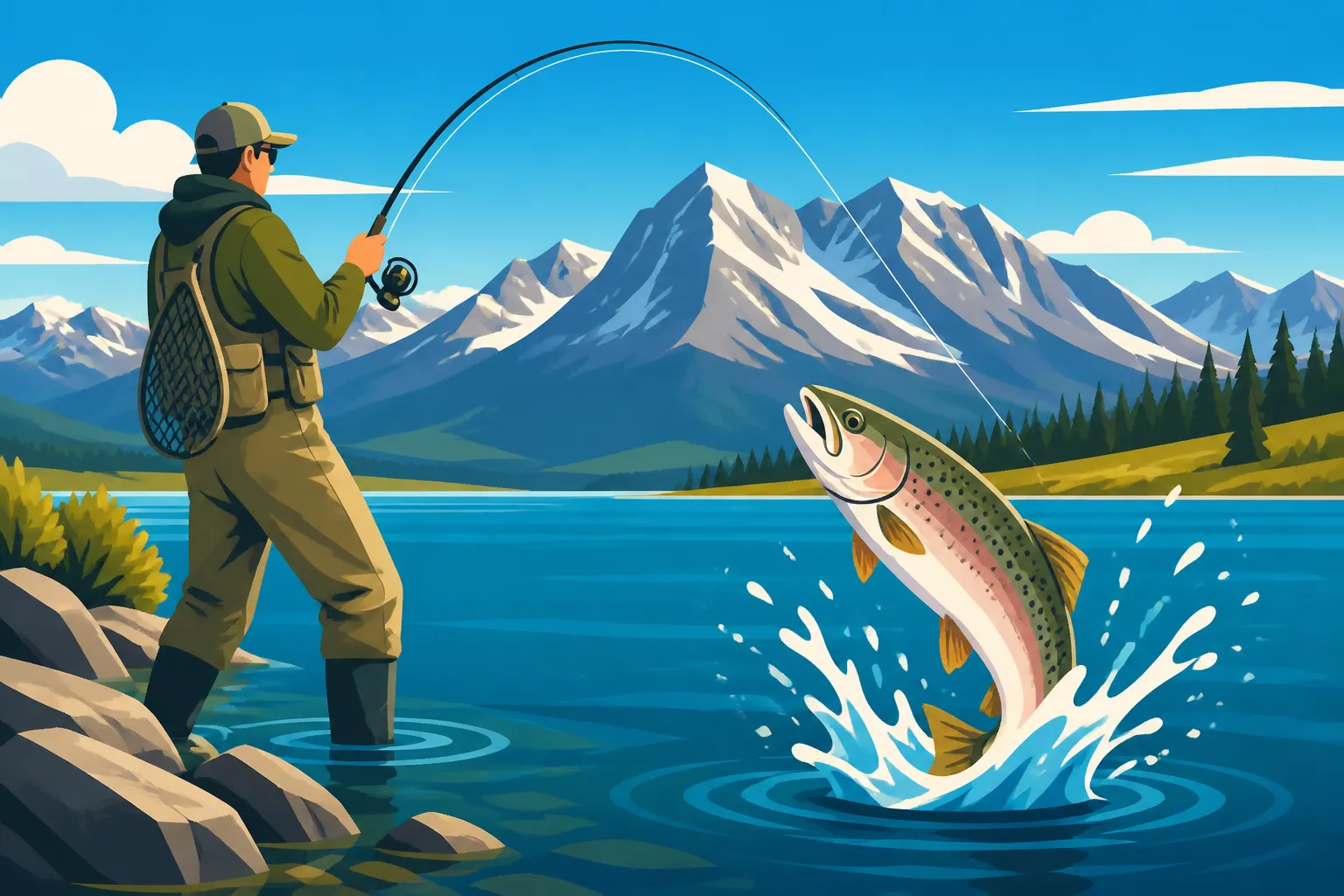
Fishing Fremont Lake Near Pinedale
Many anglers dream of fishing Wyoming's pristine, high-mountain lakes, but the sheer scale of the landscape and the deep, clear waters can feel overwhelming. Figuring out where to start, what fish to target, and which techniques actually work can be a real headache. This guide is here to cut through the confusion and provide a detailed roadmap for successfully fishing Fremont Lake near Pinedale, helping you unlock its incredible potential.
Fremont Lake's Unique Charm and Challenges
Fremont Lake isn't just another body of water; it's a magnificent, glacier-carved wonder nestled right on the edge of the Bridger-Teton National Forest, just a stone's throw from Pinedale. Its incredible depth and pristine clarity offer a unique fishing experience, but they also present a specific set of challenges for even seasoned anglers. Understanding the lake's character is the first step to unlocking its secrets.
A Glacier-Carved Gem in the Wind River Range
Imagine a lake so deep, so ancient, that it holds secrets whispered by glaciers over millennia. That's Fremont Lake. Stretching over 12 miles long and plunging to depths of more than 600 feet, it's the second-largest natural lake in Wyoming and one of the deepest in the continental U.S. This isn't your average farm pond; this is a vast, cold-water ecosystem forged by the immense power of ice. The sheer volume of water means fish can range widely, often holding in deep, thermal refuges, especially during warmer months. Its crystal-clear waters, while stunning to look at, also mean that stealth and subtle presentations are often key, as fish can easily spot an uncamouflaged angler or an unnatural bait from a distance. The surrounding granite peaks of the Wind River Range provide a breathtaking backdrop, making every cast feel like an adventure in a postcard.
Understanding the Fremont Lake Fishery
The fishery at Fremont Lake is a testament to its cold, oxygen-rich depths. It's primarily known for its formidable lake trout (often called Mackinaw), which thrive in these conditions and grow to impressive sizes, offering a real challenge to anglers. But Fremont isn't a one-trick pony; it also boasts healthy populations of rainbow trout and brown trout, particularly in the shallower bays and near the inlets. You might even stumble upon some kokanee salmon, especially during their fall spawning runs, adding another exciting dimension to your trip. The interplay of these species, each with its own preferred habitat and feeding patterns, creates a dynamic environment that demands diverse fishing strategies. Being a large, complex system, fish behavior can change rapidly based on weather, time of year, and even time of day, making local knowledge or a good guide invaluable.
What Fish Species Call Fremont Lake Home?
Fremont Lake is a cold-water paradise, meaning it's home to species that absolutely thrive in deep, chilly environments. While you might encounter a few other fish, these are the stars of the show and the ones most anglers come here specifically to target. Each species requires a slightly different approach, both in terms of location and technique, so knowing your quarry is half the battle.
Targeting Lake Trout Mackinaw
Ah, the Mackinaw – the undisputed heavyweight champions of Fremont Lake. These formidable fish are what put Fremont on the map for many serious anglers. Lake trout here can reach truly impressive sizes, with 20-pounders not uncommon, and even larger specimens lurking in the depths. They are incredibly powerful fighters, making for an exhilarating battle once hooked. These fish prefer the deep, cold waters, often congregating around underwater structures, drop-offs, and deep humps. Early spring, just after ice-out, and late fall are often prime times to target them when they might be found in slightly shallower waters before retreating to the profound depths. During summer, they're almost exclusively a deep-water game, requiring specialized gear like downriggers or heavy jigging setups to reach them. If you're looking to learn more about these powerful fish, check out our guide on Lake Trout Mackinaw Fishing in Wyoming.
The Elusive Brown Trout and Plentiful Rainbows
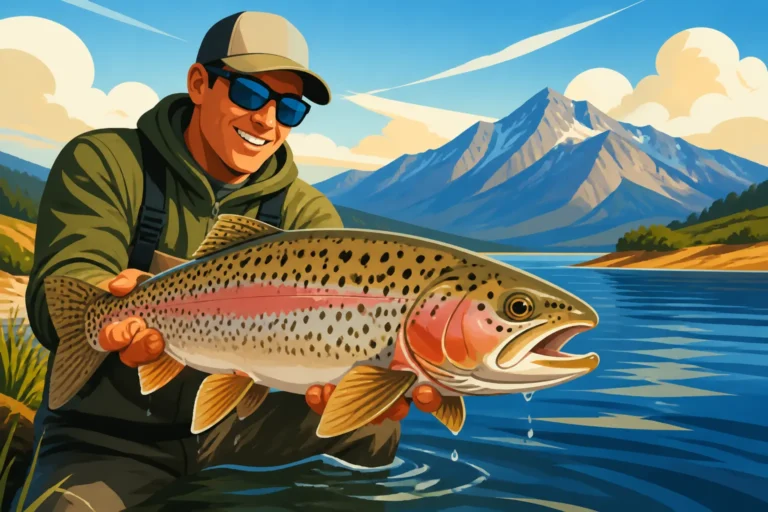
While lake trout grab a lot of headlines, Fremont Lake also offers fantastic opportunities for brown trout and rainbow trout. Brown trout, known for their cunning and aggressive nature, can grow quite large in Fremont, often holding near structure, rocky points, and especially around the inlets and outlets where they can ambush smaller prey or feed on aquatic insects. Their beautiful coloration and strong fights make them a coveted catch. Rainbow trout are often more numerous, especially in areas that receive stocking, and provide consistent action. They tend to cruise shallower bays, weed beds, and along the shoreline, making them more accessible to bank anglers. Both brown and rainbow trout will respond to a variety of presentations, from casting spoons and spinners to drifting bait or even fly fishing the appropriate areas. Knowing the specific habits of these different trout species can greatly increase your success.
Other Notable Catches
Beyond the main trout species, Fremont Lake occasionally yields a few other exciting catches. Kokanee salmon, the landlocked sockeye, are present and can offer a unique challenge, especially during their brilliant red spawning runs in the fall. These schooling fish are generally smaller than lake trout but offer a spirited fight and are prized for their delicious, orange flesh. You might also encounter mountain whitefish, a native species that, while not as flashy as trout, provides a fun fight on light tackle and can be quite tasty. While less common, the variety adds an element of surprise to your day on the water, reminding you of the diverse ecosystem beneath the surface.
Best Fishing Techniques and Strategies for Fremont Lake
Given the vastness and depth of Fremont Lake, a one-size-fits-all approach just won't cut it. Successfully fishing these waters requires a thoughtful combination of techniques adapted to the target species and the unique characteristics of the lake. From deep-water trolling to patient shore casting, there's a method for every angler.
Trolling for Deep-Water Giants
When it comes to the monster lake trout and elusive kokanee salmon in Fremont Lake, trolling is often your most effective strategy. This technique allows you to cover vast amounts of water and present your lures at precise depths where these cold-water dwellers reside. For lake trout, you'll typically be trolling deep, often 50 to 200 feet or more, using downriggers, lead core line, or heavy sinkers to get your lures into the strike zone. Large spoons like[, flatfish, or tube jigs are popular choices, often tipped with a piece of sucker meat for added scent and appeal. Varying your speed and depth is crucial until you find what the fish are keying in on. For kokanee, smaller dodgers and wedding rings or small hoochies often work well, trolled at shallower depths (20-60 feet) where these schools of fish are more likely to be found. Remember, patience is key with trolling, as is paying close attention to your electronics to identify fish and structure.
Shore Fishing and Bank Access Opportunities
Not everyone has a boat equipped for deep-water trolling, and that's perfectly fine! Fremont Lake offers several fantastic opportunities for shore anglers, especially for rainbow and brown trout. The area around the Fremont Lake Campground and the day-use areas often provide good access, particularly in spring and fall when fish are more active in shallower waters. Casting spoons, spinners, and PowerBait or worms under a bobber can be very effective from the bank. Look for areas with structure, such as rocky points, submerged logs, or weed beds, as these are natural holding areas for trout. Early mornings and late evenings are often the most productive times for shore fishing, as fish move closer to the banks to feed. While landing a trophy Mackinaw from shore is rare, you can certainly have a blast catching plenty of respectable rainbows and browns. For those wondering about general rules, our article on Fishing From Boats vs Banks: Different Rules might be helpful.
Fly Fishing the Inflows and Outflows
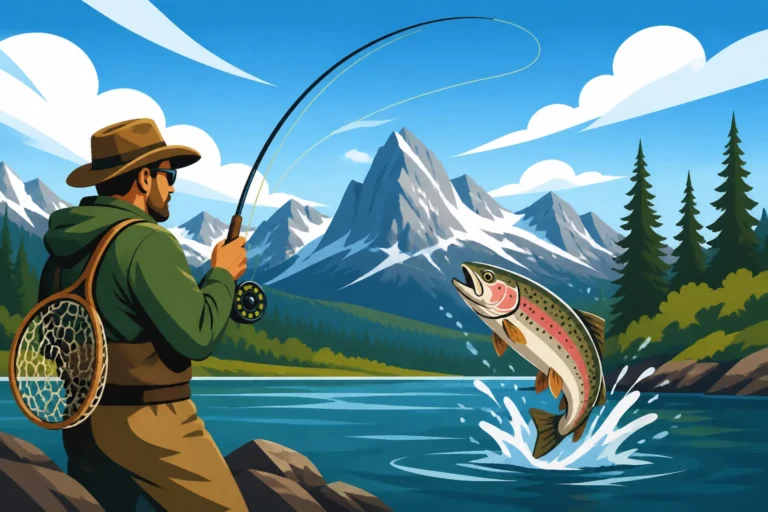
For fly fishing enthusiasts, Fremont Lake's tributary streams and the lake's outlet offer exciting opportunities, especially for brown and rainbow trout. The smaller streams flowing into Fremont Lake, such as Pine Creek, can be excellent for wade fishing, particularly during periods of good flows and hatches. Here, classic dry flies, nymphs, and small streamers will entice trout hiding in riffles, runs, and under undercut banks. Similarly, the outlet where Fremont Lake drains into the New Fork River can be a hotspot, especially during migrations or when trout are actively feeding on emerging insects. Matching the hatch is always important in these areas, but general attractor patterns often work well too. Access can sometimes be tricky, so scouting these areas beforehand is a good idea. Consider exploring our guide on Fly Fishing Techniques for Wyoming Trout Streams for more in-depth tips.
Seasonal Considerations for Fremont Lake Anglers
Wyoming's seasons are dramatic, and Fremont Lake is no exception. The fishing here changes profoundly with the turning of the calendar, offering distinct opportunities and challenges throughout the year. Understanding these seasonal shifts is crucial for planning a successful trip.
Spring's Promise and Early Summer Bites
As the ice finally recedes from Fremont Lake, usually in late April or May, a new fishing season explodes with promise. This early spring period, often coinciding with runoff, can be fantastic. Lake trout, freed from their icy constraints, often move into shallower waters (relatively speaking, still 20-50 feet deep) to feed aggressively. This is an excellent time for trolling or jigging with heavier tackle. Rainbow and brown trout also become very active near the shorelines and around stream inlets as snowmelt brings in nutrients and bugs. The water is cold, clear, and fish are hungry after a long winter. As spring progresses into early summer, fish gradually move deeper, following cooler temperatures and baitfish. This transition period, usually mid-June, still offers strong action before the full heat of summer sets in. You might find our post on Wyoming Spring Fishing: What to Expect useful for more detailed spring strategies.
Prime Summer Fishing Conditions
Summertime at Fremont Lake, typically July and August, is undeniably beautiful, but it can also be the most challenging for anglers targeting larger trout. With surface temperatures warming, lake trout retreat to the deepest, coldest parts of the lake. This means dedicated deep-water trolling with downriggers becomes almost essential, sometimes fishing at depths of 100 to 300 feet. You'll be searching for thermal refuges where oxygen levels remain high and temperatures are stable. While the deep bite can be tough, rainbow and brown trout still offer good action in shallower areas during low light hours – dawn and dusk are prime times to hit the banks or troll the shallower bays. The middle of the day often sees fish become sluggish and move into shaded or deeper areas. Planning your summer trips around these cooler parts of the day can significantly increase your success. Our guide to Wyoming Summer Fishing: Peak Season Tips offers more insights.
Fall's Trophy Potential
For many dedicated anglers, autumn is the undisputed king of fishing seasons at Fremont Lake, especially if you're chasing trophy fish. As the air cools and water temperatures begin to drop, lake trout become incredibly active and aggressive. They often move into shallower depths (40-100 feet) as they begin their pre-spawn feeding frenzy, making them more accessible to a wider range of techniques. This is prime time for big spoons, large stickbaits, and even casting oversized jigs or swimbaits. Brown trout also get incredibly active, often exhibiting stunning colors as they prepare for their spawn. The kokanee salmon, if present, undertake their spectacular spawning runs, turning brilliant red and concentrating near inlets, though they are usually not legal to keep once spawning. The crisp air, fewer crowds, and potential for truly massive fish make fall an unforgettable experience. Looking for a full seasonal breakdown? Check out Wyoming Fishing Seasons Month by Month.
Ice Fishing Fremont Lake
When winter blankets Pinedale in snow, Fremont Lake transforms into an ice fishing haven. Typically from late December through March, anglers brave the cold for the chance at jumbo lake trout, rainbow trout, and even some kokanee. Safety is paramount when ice fishing; always check ice thickness before heading out. Lake trout in winter often hug the bottom in deeper sections, requiring heavy jigging spoons, tubes, or dead bait setups. Rainbows and browns can be found in shallower bays and near structure, often responding well to smaller jigs, worms, or PowerBait. A good ice auger, a warm shelter, and proper layering are essential for comfort and success. Don't forget to review our comprehensive Ice Fishing in Wyoming: A Complete Guide to ensure you're prepared for the unique challenges and rewards of winter fishing.
Navigating Fremont Lake Access and Regulations
Getting to Fremont Lake and understanding the rules once you're there are critical components of a successful trip. Wyoming Game and Fish Department (WGFD) works hard to manage this fishery, and it's every angler's responsibility to know and follow the local guidelines.
Boat Ramps and Access Points
Fremont Lake is well-equipped for various access needs. The main access point is generally the Fremont Lake Campground, which offers several boat ramps. These ramps are suitable for anything from small johnboats to larger lake boats capable of handling the lake's sometimes choppy conditions. There are multiple paved ramps available, making launching relatively easy. Additionally, there are day-use areas and picnic spots around the lake, providing ample bank fishing opportunities and scenic overlooks. For those considering a multi-day trip, the campground offers facilities for overnight stays. It's always a good idea to check current conditions and any specific alerts from the Bridger-Teton National Forest or WGFD before heading out, especially during spring runoff or late fall.
Licenses and Specific Lake Rules
Before you even think about casting a line in Fremont Lake, you absolutely need a valid Wyoming fishing license. The type of license you need – whether it's an annual, daily, or five-day option – will depend on your residency status and the length of your trip. Nonresidents have several choices, and it's essential to understand the nuances of Wyoming Resident vs Nonresident License Rules to avoid any issues. Beyond the general state license, Fremont Lake falls under statewide fishing regulations for bag and possession limits for its various species. Always consult the most current Wyoming Fishing Regulations Booklet, available online through the WGFD website or at local vendors, for any water-specific rules or emergency closures that might apply to Fremont Lake. Ignorance of the law is never an excuse, and fines can be steep.
| Species | Daily Limit (Statewide) | Possession Limit (Statewide) | Best Seasons | Common Techniques |
|---|---|---|---|---|
| Lake Trout | 3 | 6 | Spring, Fall, Winter | Trolling, Deep Jigging |
| Rainbow Trout | 6 | 12 | Spring, Summer, Fall | Trolling, Casting, Bait, Flies |
| Brown Trout | 3 | 6 | Spring, Fall | Trolling, Casting, Bait, Flies |
| Kokanee Salmon | 6 | 12 | Fall (spawning) | Trolling (small lures) |
| Mountain Whitefish | 6 | 12 | Year-Round | Small Flies, Bait |
Note: Always consult the current Wyoming Fishing Regulations Booklet for exact and up-to-date rules specific to Fremont Lake, as regulations can change.
Hiring a Local Guide
If you're new to Fremont Lake or simply want to maximize your chances of success, especially for targeting trophy lake trout, hiring a local fishing guide can be an absolute game-changer. These experienced professionals possess invaluable knowledge about the lake's constantly changing conditions, productive hotspots, and the most effective techniques for the day. They have the right equipment, understand fish behavior specific to Fremont, and can save you countless hours of trial and error. A guide can help you navigate the immense water body, interpret sonar readings, and ensure you're fishing legally and responsibly. Websites like FishingBooker can be an excellent resource for finding reputable local guides and comparing their services, ensuring you book an expert who knows the intricacies of Fremont Lake inside and out. Learning more about Hiring a Fishing Guide in Wyoming is a smart move for any visitor. Many anglers find that the investment in a guide pays off with not just fish in the net, but also with a deeper understanding of this spectacular fishery.
Disclaimer
The information provided in this guide is for general informational purposes only and is not intended as legal advice. Fishing regulations in Wyoming can change frequently. Always consult the most current Wyoming Game and Fish Department regulations booklet or website before fishing.